
Blooming
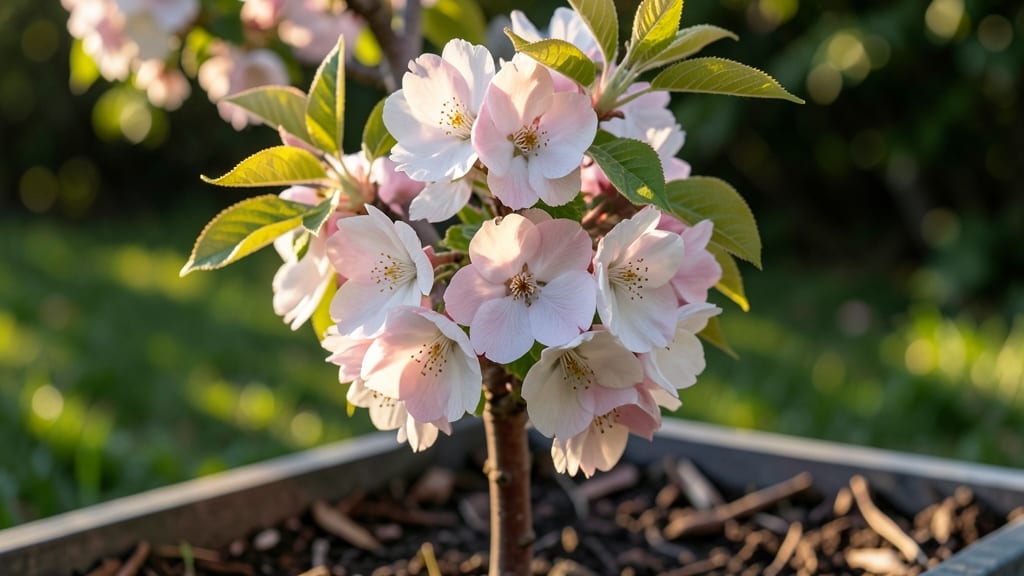
The state flower of Georgia, the peach blossom, isn’t just a flower—it’s the heart of Southern spring, carrying the weight of Georgia’s identity in every delicate pink petal. 🌸 I still remember the first time I walked through a peach orchard in bloom, where the air smelled like sunshine and history intertwined.
This isn’t just about growing a pretty tree; it’s about bringing that same magic to your garden, where every blossom whispers stories of Georgia’s past.
Planting a peach tree means inviting more than just flowers—you’re adding a fragrant spring canopy that transforms any yard into a living postcard of the South.
The key is choosing the right variety (like ‘Elberta’ or ‘Redhaven’) and giving it room to stretch its branches wide, because nothing beats the sight of peach blossoms cascading over a fence or patio. Pair it with azaleas or wisteria, and you’ve got a springtime showstopper that lasts for weeks.
What you’ll love most is how these blossoms turn the air into perfume, filling your garden with that unmistakable peach tree scent before the fruit even appears. The cultural significance runs deep—from Georgia’s state symbol to the orchards that shaped its economy—but in your garden, it’s pure joy.
Just be patient; the first full bloom might take a few years, but every petal is worth the wait.
For those who want to go further, consider planting a dwarf variety if space is tight or adding companion plants like lavender to enhance the fragrance. Whether you’re honoring Georgia’s heritage or simply chasing that springtime magic, peach blossoms deliver—one fragrant breath at a time.
📚 In This Guide
- What you need
- Instructions
- Tips and common mistakes
- Wrapping up and next steps
What you need
- ● Peach tree variety: Choose a Prunus persica cultivar suited for Georgia’s climate (e.g., ‘Redhaven,’ ‘Elberta,’ or ‘Loring’). 1-2 bare-root saplings (dormant season) or 1 potted tree (spring/summer).
- ● Well-draining soil: Mix 50% native soil + 30% compost + 20% coarse sand/perlite (pH 6.0–7.0).
- ● Fertilizer: 10-10-10 balanced fertilizer (1 lb per 100 sq ft) or organic options like bone meal (5 lbs).
- ● Mulch: 3–4 inches of pine straw or wood chips (retains moisture, deters weeds).
- ● Watering supplies: Drip irrigation system (recommended) or hose with adjustable nozzle (for deep watering).
- ● Shovel & spade: For digging 18–24-inch-deep planting holes.
- ● Pruning shears: Bypass pruners (sterilized with rubbing alcohol).
- ○ Grafting tools (optional): Grafting knife + rafting tape (for propagating from cuttings).
- ● Support structure: 5–6 ft wooden stake + tree tie straps (for young trees).
- ● Pest control: Neem oil spray (organic) or horticultural oil (for aphids/mites).
- ● Sunlight: Full sun (6+ hours daily)—peach blossoms thrive in open, sunny spots.
- ● Climate zone: USDA Zones 5–9 (Georgia’s ideal range).
- ● Spacer: 15–20 ft between trees (allows airflow, reduces disease risk).
- ● Patience: Blossoms appear 2–4 years after planting (varies by variety).
How to cultivate Georgia's peach blossoms for a fragrant spring display
Here’s how to bring that iconic Southern charm into your garden—with minimal fuss.
🌱 Step 1: Choose the Right Peach Variety for Blossoms
Not all peach trees produce the same spectacular blooms. Look for varieties like ‘Elberta’, ‘Redhaven’, or ‘Loring’—these are bred for both fruit and showstopping spring flowers. Avoid modern dwarf varieties; they often sacrifice blossom quality for compact growth. I always check the tree’s description for terms like “prolific bloomer” or “spring canopy” to ensure you’re getting that Georgia state flower look.
If you’re planting from seed, expect inconsistency in blossoms—nursery-grown grafted trees guarantee the classic pink-and-white clusters. Plant your tree in full sun (at least 6-8 hours daily) for the best floral display. The more sunlight, the more vigorous the blooms, and that’s how you get that iconic peach blossom canopy.
☀️ Step 2: Plant in Well-Draining Soil with Winter Protection
Peach trees need fertile, well-draining soil with a pH between 6.0 and 7.0—too acidic, and the tree struggles to absorb nutrients. Mix in 2-3 inches of compost when planting to give roots a nutrient boost. I always dig a hole twice as wide as the root ball but only as deep—planting too deep suffocates the graft union, which weakens the tree.
Southern gardens mean heat and humidity, but peach trees also need winter chill hours to bloom properly. If you’re in a warmer zone (below Zone 6), choose a variety like ‘Contender’ or ‘Reliance’ that tolerates milder winters. Mulch heavily around the base in fall with 3-4 inches of organic mulch to protect roots from freezing and thawing cycles.
💧 Step 3: Water Deeply and Prune for Airflow
Newly planted trees need 1-2 inches of water per week, but avoid overhead sprinkling—it encourages fungal diseases like peach leaf curl. Instead, water at the base, keeping the soil evenly moist but not soggy. You’ll know it’s right when the top 2 inches of soil feel dry to the touch before watering again.
Prune in late winter (before buds swell) to shape the tree and improve airflow. Remove dead, crossing, or inward-growing branches first—this prevents disease and lets sunlight reach the center where blossoms form. I always step back after pruning to check for balance; a well-shaped tree blooms more evenly. Avoid heavy pruning in spring, or you’ll sacrifice next year’s flowers.
✂️ Step 4: Fertilize and Thin Fruit for Better Blossoms
Feed in early spring with a balanced 10-10-10 fertilizer (use ½ pound per 100 square feet) to encourage blooming. Too much nitrogen makes trees focus on leaves, not flowers. I also add Epsom salt (1 tablespoon per gallon of water) in early spring to boost magnesium—peach trees love it, and the blossoms turn out brighter.
If you want more flowers next year, thin fruit in summer. A heavy fruit load exhausts the tree, reducing next spring’s blossoms. Leave only 6-8 inches between fruits on branches—this ensures the tree has energy for both fruit and spectacular blooms. You’ll see the difference in spring when the branches bend under fragrant pink clusters.
🌿 Step 5: Protect Blossoms from Late Frosts and Pests
Peach blossoms are delicate—late spring frosts (below 28°F) can ruin them. Cover young trees with frost cloth on chilly nights, or use a row cover if you’re expecting a freeze. I’ve lost entire blooms to frost before, so I always check the forecast and act fast. Even a light frost can damage petals, so timing matters.
Watch for peach tree borers and aphids, which suck sap and weaken blossoms. Spray with neem oil (mix 1 tablespoon per gallon of water) at the first sign of pests. Healthy trees bloom better, and neem oil keeps critters away without harming bees—those blooms need pollinators!
Tips & tricks for cultivating Georgia peach blossoms
Here's what nobody tells you about getting those iconic peach blossoms—lessons I learned after watching my first batch of blooms wither from frost.
Sunlight Secret: That 6-8 hours of daily sun isn't just a recommendation—it's non-negotiable for those vibrant pink clusters. I've seen trees in partial shade produce blooms, but they're sparse and lack the rich color. If your yard gets less sunlight, consider planting near a south-facing wall or fence that reflects light back onto the tree. The blossoms will thank you with their intensity and fragrance.
Soil Test Tip: Before planting, grab a soil test kit from your local extension office—it's only about $15 and can save you heartbreak. Peach trees need that pH between 6.0 and 7.0, but many Southern soils run acidic. If yours tests lower than 6.0, amend with pelletized lime (following package instructions) a few months before planting. I've had to do this twice, and each time the difference in bloom quality was dramatic.
Watering Wisdom: When checking that top 2 inches of soil, use your finger—not a trowel. Digging around can compact the soil and actually prevent water from penetrating. Also, water in the morning whenever possible. Wet foliage overnight creates the perfect conditions for fungal diseases like peach leaf curl, which can turn your beautiful blossoms into sad, curled leaves before they even open.
Pruning Precision: In Step 3, when you're removing those dead and crossing branches, look for what I call "the widowmaker"—branches growing directly opposite each other that will rub together as they grow. These create wounds where diseases can enter. Cut one of the branches at the collar (the swollen area where it meets the trunk) and you'll prevent years of potential problems. It's a small detail that makes a big difference in tree health.
Pro Tips for State Flower Georgia Peach Blossom
- Here's what nobody tells you about getting those iconic peach blossoms—lessons I learned after watching my first batch of blooms wither from frost.
- Sunlight Secret: That 6-8 hours of daily sun isn't just a recommendation—it's non-negotiable for those vibrant pink clusters.
- Soil Test Tip: Before planting, grab a soil test kit from your local extension office—it's only about $15 and can save you heartbreak.
Frequently asked questions
Got questions about Georgia’s iconic peach blossom? You’re not alone! Here are answers to the most common inquiries about this fragrant symbol of Southern spring:
When is the best time to see peach blossoms in Georgia?
The peach blossom season typically peaks in late February to early April, depending on the region. Warmer areas like South Georgia may see blooms as early as January, while North Georgia’s cooler climate delays them until March. Check local orchards or weather updates for precise timing—it’s a fleeting but magical sight!
Can I grow peach blossom trees just for their flowers?
Yes! While peach trees eventually bear fruit, many gardeners plant them solely for their stunning blossoms. Choose ornamental varieties like Prunus persica ‘Bonanza’ or ‘Redhaven’ for vibrant displays. Just note: They require full sun (6+ hours/day) and well-draining soil to thrive.
What if my peach blossoms don’t last long?
Peach blossoms are famously short-lived—often fading within 5–7 days—due to their delicate nature. To extend their beauty, plant companion flowers like azaleas or dogwoods, which bloom nearby. Avoid overwatering or heavy winds, which can hasten petal drop. Embrace the ephemeral magic!
Are there alternatives to peach blossoms for Georgia gardens?
If peach trees aren’t practical, consider these Georgia-friendly blossom alternatives:
- Cherry blossoms (e.g., Prunus avium) – Similar spring splendor.
- Crabapple trees – Hardy and low-maintenance.
- Azaleas – Thrive in acidic Southern soils.
- Camellias – Offer winter-to-spring blooms.
Where can I see peach blossoms in Georgia besides my yard?
Georgia’s orchards and botanical gardens are prime spots for peach blossom viewing. Top picks include:
Location Highlights Georgia Peach Festival (Madison) Celebrates blooms with festivals in March. Atlanta Botanical Garden Curated displays and educational tours. Fortson Orchards (Gainesville) Peak blooms in early April.
Wrapping up and next steps
The Georgia peach blossom isn’t just a symbol of Southern beauty—it’s a fragrant, vibrant centerpiece for any garden, embodying resilience and charm. Whether you’re a seasoned gardener or a beginner, these delicate blooms remind us that even the smallest efforts can create something extraordinary.
Now that you’re equipped with the knowledge to cultivate, care for, and celebrate them, why not take the next step?
🌸 Plant a peach blossom tree this spring—honor Georgia’s heritage while adding a splash of color and scent to your outdoor space. Share your progress or blooms with fellow gardeners online, and let your garden tell its own story!