
Blooming
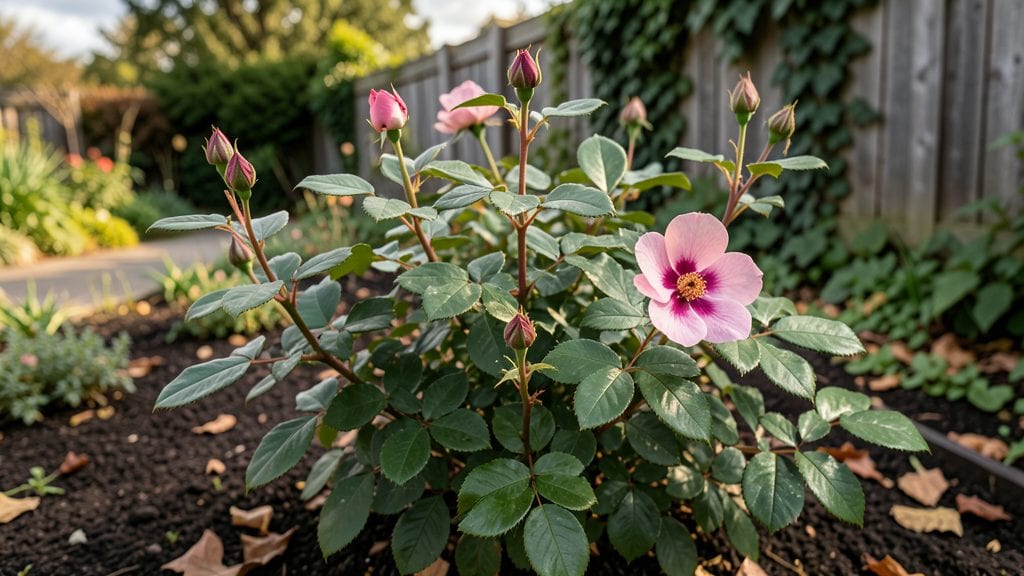
The stages of a blooming flower reveal the secret language of your garden. 🌸 From the first hint of a tight bud to the delicate unfurling of petals, each phase tells a story about health, timing, and even what your plants need next.
I’ve watched roses and sunflowers go through this cycle dozens of times, and each time, I learn something new about how to coax them along—or spot when something’s wrong.
Most gardeners focus on the showy bloom, but the real magic happens in the weeks before. You’ll notice buds swelling in spring, their green tips peeking through like tiny green hats.
Then comes the tight bud stage, where the flower’s future color and shape become visible—roses deepen their hue, while sunflowers tighten their centers into perfect spirals. This is when proper watering and sunlight make all the difference.
Once the bloom opens, you’ll see the plant’s energy shift from growth to reproduction. Petals unfurl to reveal stamens and pistils, attracting pollinators while protecting the flower’s core. But here’s the kicker: if you prune or fertilize at the wrong time, you can accidentally cut off future blooms.
Timing is everything, and knowing these stages helps you work with nature instead of against it.
By the time the flower fades, it’s already preparing for the next generation—seeds forming, energy stored. This isn’t just a cycle; it’s a roadmap for healthier plants next season. Understanding these stages means you’ll harvest more, troubleshoot faster, and enjoy your garden’s transformations even more deeply.
📚 In This Guide
- What you need
- Instructions
- Tips and common mistakes
- Wrapping up and next steps
What you need
- ● Flowering plant (e.g., roses, peonies, or sunflowers—choose one with visible buds for best results!)
- ● Pruning shears or scissors (sterilized, for trimming or harvesting)
- ● Notebook & pen (to track daily changes in bud size/color)
- ● Camera or smartphone (for documenting each stage)
- ○ Magnifying glass (optional) (to inspect intricate details like stamens or pistils)
- ● Watering can or spray bottle (for consistent hydration)
- ● Potting soil or fertilizer (if growing indoors; use a balanced 10-10-10 mix)
- ● Grow lights (LED preferred) (12–16 hours/day for indoor plants)
- ● Humidity tray or pebble tray (to maintain 50–70% humidity for tropical blooms)
- ● Patience—buds can take days to weeks to open fully!
- ● Access to natural light (or a sunny windowsill for indoor setups)
- ● Basic knowledge of your plant’s watering needs (overwatering = sad buds!)
How to identify and encourage each stage of flower development
Here's how to recognize—and nurture—every phase from bud to bloom.
🌱 Step 1: Recognize the Bud Formation Stage
This is where the magic begins, but it's easy to miss. Look for small, tight green or colored bumps along stems where leaves meet—these are your flower buds. They'll feel firm to the touch and might show subtle color hints (pink, purple, or yellow) even when closed. I check mine daily at this stage because buds that stay green too long often need more sunlight or balanced fertilizer.
Don't confuse buds with leaf growth. True flower buds grow at stem junctions (nodes) and have a distinct, rounded shape. Leaf buds appear flatter and grow along the stem's length. If your plant has lots of leaves but no buds, it might be getting too much nitrogen—switch to a bloom-boosting fertilizer with higher phosphorus.
☀️ Step 2: Support the Bud Swelling Phase
When buds begin swelling noticeably—doubling or tripling in size—this means they're preparing to open. You'll see color deepen and petals start to separate slightly at the edges. This is the most light-sensitive stage: move plants to 6+ hours of direct sun daily (or supplement with grow lights). I've seen buds drop entirely if they don't get enough light at this point.
Water consistently but avoid wetting the buds themselves. Use the "dry finger test": stick your finger an inch into the soil. If it's dry, water deeply until moisture reaches 4-6 inches down. Overhead watering can cause fungal issues that rot buds before they open. If your area gets humid, consider a small fan to improve air circulation around the plant.
🌿 Step 3: Monitor the Bud Opening Sequence
The opening stage happens in waves—some buds open fully while others remain partially open. Petals unfurl from the center outward, revealing the flower's inner structures. This is when you'll see the most dramatic color changes. I time my photography sessions during this phase because the contrast between open and closing buds creates stunning visuals.
Each flower type has its own rhythm: some open all at once (like dahlias), while others bloom sequentially (like roses). Watch for 24-48 hours of full opening before petals start to droop. If buds open but immediately wilt, your plant might be thirsty or suffering from heat stress. Move it to a spot with morning sun and afternoon shade if temperatures exceed 85°F.
⏰ Step 4: Care for the Fully Open Bloom Stage
When petals are fully unfurled and the flower stands upright, it's in its prime. This is when you'll get the best photos, enjoy the fragrance, and attract pollinators. The flower will typically last 3-7 days at full beauty before petals begin to brown at the edges. I like to remove any spent blooms immediately to redirect the plant's energy to new buds.
Support structures like stakes or cages now if your plant is top-heavy. Heavy blooms can cause stems to bend or snap. Water at the base only—avoid wetting petals to prevent mildew. If you're growing for cut flowers, harvest in the early morning when stems are fully hydrated. Cut at a 45-degree angle just above a leaf node to encourage new growth.
Tips & tricks for perfect flower development
Here's what nobody tells you about getting the most out of each growth phase.
Visual Cues for Early Detection: In Step 1, when checking for flower buds, gently squeeze the stem near the bud—it should feel slightly firmer than new leaves. This firmness indicates the bud is developing properly. I've caught early blooms this way that others missed because they only looked at color. A small magnifying glass helps spot tiny buds on dense foliage.
Light Sensitivity in Critical Stages: During the 6+ hours of direct sun in Step 2, position your plant near a south-facing window or use a grow light 6-12 inches above the buds. I've seen buds drop entirely when moved from shade to bright light too suddenly—transition gradually over 2-3 days. For indoor plants, rotate them daily to ensure even light exposure all around.
Timing the Opening Phase: Those 24-48 hours of full opening in Step 3 are your prime window for photography or harvesting. I set a reminder on my phone for when I first notice buds opening, then check every 12 hours to track progress. If your area gets afternoon heat over 85°F, move plants to morning sun only during this phase to prevent wilting.
Post-Bloom Energy Redirection: In Step 4, when removing spent blooms, cut the stem just above a leaf node at a 45-degree angle. This encourages new buds to form at that junction. I've seen plants double their bloom production after consistently deadheading this way. For heavy bloomers like roses, install support structures before flowers open to prevent stem damage.
Pro Tips for Stages Of A Blooming Flower
- Here's what nobody tells you about getting the most out of each growth phase.
- Visual Cues for Early Detection: In Step 1, when checking for flower buds, gently squeeze the stem near the bud—it should feel slightly firmer than new leaves.
- Light Sensitivity in Critical Stages: During the 6+ hours of direct sun in Step 2, position your plant near a south-facing window or use a grow light 6-12 inches above the buds.
Frequently asked questions
Got questions about the magical journey from bud to bloom? Here are some of the most common ones—and their answers—to help you track (and celebrate!) every stage of your flower’s transformation.
How long does it take for a flower to fully bloom from a bud?
Timing varies by species! Most flowers take anywhere from 2 to 14 days to open fully, depending on factors like sunlight, temperature, and water. Tropical blooms (like hibiscus) often open in 3–5 days, while perennials (like roses) may take 1–2 weeks. Check your flower’s care guide for specifics!
Why is my flower bud not opening—is it dying?
Don’t panic! Buds sometimes wait for the perfect conditions to bloom. Common culprits include:
- Not enough light: Move to a sunnier spot (6+ hours/day for most flowers).
- Temperature stress: Chilly drafts or heat spikes can stall blooming. Aim for 65–75°F.
- Overwatering/underwatering: Let soil dry slightly between waterings but keep it moist.
Can I speed up the blooming process?
Yes! Try these gentle tricks to encourage faster (but healthy!) blooms:
- Warmth boost: Place potted flowers near a sunny window or use a grow light for 12+ hours/day.
- Deep watering: Soak the soil (not just the top layer) to reduce stress.
- Prune strategically: Snip spent blooms to redirect energy to new buds.
What’s the difference between a bud and a flower?
A bud is the unopened, compact form of a flower, packed with petals, stamens, and pistils. Once it absorbs sunlight, water, and warmth, it swells, splits, and unfurls into a bloom. Think of it like a puppy turning into a dog—same DNA, just grown and ready!
Do all flowers go through the same stages?
Most follow a similar pattern, but timing and details vary:
- Annuals (e.g., zinnias): Fast bloomers (weeks), often in one burst.
- Perennials (e.g., peonies): Multi-stage, with repeated blooms over months.
- Tropicals (e.g., orchids): Slow, high-maintenance bloomers with unique stages.
Wrapping up and next steps
Watching a flower bloom is like witnessing nature’s art in motion—each stage, from bud to full bloom, tells a story of patience, care, and transformation.
Whether you’re nurturing a garden or simply admiring the process, understanding these phases helps you appreciate the beauty and science behind growth. Now’s your moment to take action! 🌱
Ready to deepen your connection with blooms? Start by observing a flower in your space—notice its unique journey, and let it inspire your next gardening project, sketch, or even a creative writing piece. Every petal unfurling is a reminder: growth is a process worth celebrating.