
Planting
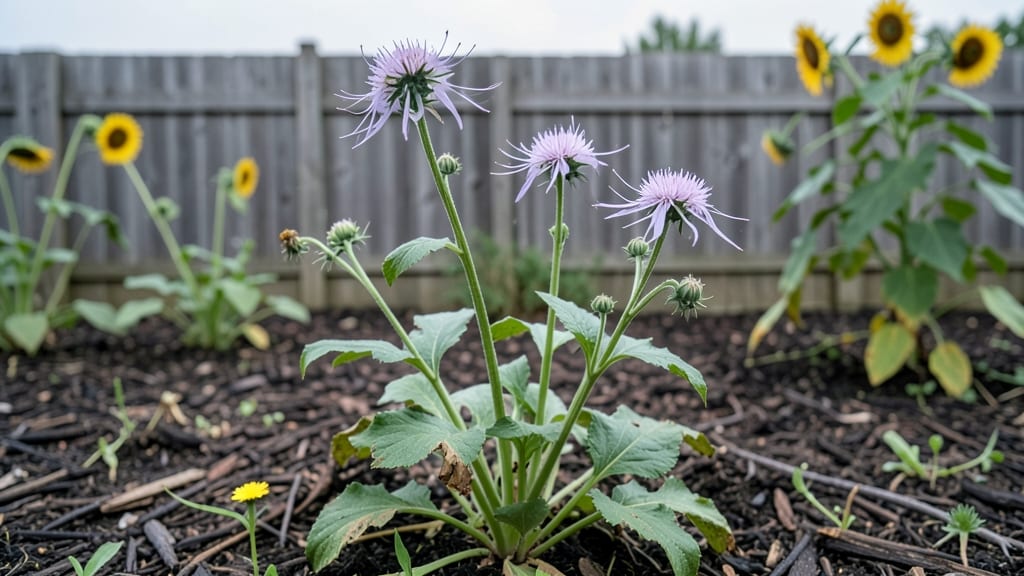
The Pacific Northwest's frost-resilient spider flower plant (Cleome hassleriana) is the hummingbird magnet you never knew you needed. 🌿 I fell for it the first time I saw those airy, spider-like blooms swaying in the breeze—it’s like a whimsical cloud of flowers that hummingbirds can’t resist.
This plant thrives where others struggle, making it perfect for gardeners who want beauty without fuss.
Spider flowers love full sun and well-draining soil but handle drought once established—ideal for busy gardeners or dry spells. Plant seeds directly after the last frost, spacing them 12-18 inches apart, and watch them pop up in 7-14 days.
The secret to their resilience? They’re tough enough to bounce back from light frosts, unlike many tropical bloomers.
You’ll end up with towering stems (up to 5 feet) covered in delicate, fragrant blooms from summer through fall. Hummingbirds will hover nearby, and your garden will feel alive with movement. The best part? They self-seed like crazy, so you’ll have new volunteers popping up every year—no replanting needed.
Works in borders, cottage gardens, or even containers on patios. Just remember: deadhead spent blooms to encourage more flowers, and avoid overwatering—these plants are drought-tolerant once rooted. Ready to grow the garden’s most charming workhorse?
📚 In This Guide
- What you need
- Instructions
- Tips and common mistakes
- Wrapping up and next steps
What you need
- ● Spider flower seeds – 50-100 seeds (or a small packet for beginners). Choose heirloom or hummingbird-friendly varieties for extra pollinator appeal! 🐝
- ● Well-draining potting mix – 10-20 lbs (or a 5-gallon bag). Mix in perlite or sand (20%) to prevent root rot.
- ● Containers or garden bed – For seeds: Biodegradable seed pots (50+) or a seed-starting tray with cells.
- ● For transplants: Garden bed (full sun, 6+ hours/day) or large pots (12"+ diameter) with drainage holes.
- ● Watering can or hose with a gentle spray nozzle (to avoid displacing seeds).
- ○ Plant labels – 10-20 labels (optional but helpful for tracking varieties!).
- ● Gloves – 1 pair (to protect hands from prickly seed pods later!).
- ● Trowel or small shovel – 1 (for transplanting seedlings).
- ○ Fertilizer (optional) – Balanced liquid fertilizer (10-10-10) – 1 bottle (dilute to half-strength).
- ● Compost or worm castings – 1-2 lbs (for nutrient-rich soil).
- ○ Mulch (optional) – 2-3 inches (straw or shredded bark to retain moisture).
- ● Sunlight exposure – Full sun (6+ hours/day). Spider flowers thrive in the PNW’s partial shade but bloom best in bright light!
- ● Patience (prerequisite!) – Seeds germinate in 7-14 days; full blooms take 60-90 days.
How to cultivate thriving spider flower in the Pacific Northwest
This hardy perennial thrives where others falter—here’s how to grow it into a hummingbird haven.
🌱 Step 1: Select the Perfect Planting Site
Spider flower (Cleome hassleriana) loves full sun to partial shade, making it ideal for Pacific Northwest gardens where summers are mild and winters damp. Choose a spot with 6+ hours of direct sunlight—evenings count too, as the plants appreciate warmth as day cools. The soil should drain well; spider flower despises soggy roots, so raised beds or slopes work beautifully if your yard tends toward clay.
Here’s the thing—I’ve seen these plants struggle in heavy, compacted soil. Amend native soil with 1-2 inches of compost before planting to improve aeration. Test drainage by digging a 6-inch hole, filling it with water, and watching how quickly it drains. If water lingers beyond 30 minutes, mix in sand or perlite to lighten the mix. Your goal is soil that holds moisture but never stays waterlogged.
🌿 Step 2: Plant at the Right Time and Depth
Spring is the best time to plant spider flower in the Pacific Northwest, after the last frost when soil temperatures reach at least 60°F. Start seeds indoors 6-8 weeks before your last frost date if you’re eager to get a head start, but direct sowing works too—just wait until nighttime temperatures stay above 50°F. The seeds are large and easy to handle; plant them ¼ inch deep in the soil, spacing them 12-18 inches apart for full, airy growth.
Don’t skip the depth check—planting too shallow can dry out seeds before germination. Press the soil gently around each seed to ensure good contact, then water lightly but thoroughly until the soil feels moist 2 inches down. You’ll see seedlings emerge in 7-14 days, but they can take longer in cooler soils. If your garden runs cooler, consider using a mini greenhouse or row cover to speed things up.
☀️ Step 3: Provide Consistent Moisture and Fertility
Spider flower is drought-tolerant once established, but young plants need regular watering to prevent stress. Water deeply 1-2 times per week during the first growing season, aiming for 1 inch of water per week. You’ll know you’ve got it right when the top 2 inches of soil feel dry to the touch before the next watering. Overwatering leads to weak stems and fungal issues—so always check soil moisture rather than sticking to a rigid schedule.
Feed your plants once in early spring with a balanced, slow-release fertilizer (10-10-10 works well). Pacific Northwest soils often lack phosphorus, which spider flower needs for strong root development. Avoid high-nitrogen fertilizers—they’ll produce lush foliage but fewer flowers, and you’re growing this plant for those dramatic, spider-like blooms, not just leaves. Side-dress with compost in midsummer to keep nutrients steady without overfeeding.
✂️ Step 4: Prune for Longer Blooms and Hummingbird Traffic
Deadheading spent blooms encourages continuous flowering from early summer through fall. Pinch off faded flowers at the base with your fingers or clean pruners—no need for fancy tools. This simple step keeps the plant focused on producing new blooms instead of setting seed. I’ve seen spider flower rebloom vigorously after deadheading, even in cooler Pacific Northwest summers.
In late summer, give your plants a light trim to shape them and remove any leggy growth. Cut back one-third of the plant’s height if it’s looking tired, but avoid heavy pruning—this plant thrives on its airy, open habit. The more you prune, the bushier and fuller it becomes, which means more landing spots for hummingbirds. Just don’t wait until winter to prune; cut back in early fall to clean up the garden before dormancy.
⏰ Step 5: Overwinter for Next Year’s Blooms
Spider flower is frost-resistant, but Pacific Northwest winters can still test its limits. Once the first hard frost blackens the foliage, cut back the stems to 4-6 inches above the ground. The plant’s roots will survive winter, and new growth will emerge in spring. Mulch the base with 2-3 inches of straw or shredded leaves to insulate the roots and protect against temperature swings.
Here’s where it gets fun—if you live in a mild winter zone (like parts of Western Washington), spider flower might rebloom in late winter or early spring with minimal care. Just remove the mulch in early spring and water lightly until new growth appears. In colder areas, the plant may stay dormant until April or May, but it always bounces back with vigor. The key is not to disturb the roots during winter—let them rest and recharge for another season of hummingbird traffic.
Tips & tricks for growing Pacific Northwest spider flower
Transforming your garden into a hummingbird magnet starts with these key insights for thriving spider flower.
Site Selection Strategy: The 6+ hours of sunlight requirement is non-negotiable for Pacific Northwest conditions—evenings count because the cooling temperatures create ideal conditions. I've found that south-facing slopes get the best results, but east-facing spots work too if they receive morning warmth. For urban gardens with limited space, consider container planting with large pots (at least 12 inches deep) that can be moved to maximize sun exposure throughout the day.
Soil Preparation Insight: That 30-minute drainage test is your secret weapon against soggy roots. If your soil fails the test, mix in equal parts sand and perlite to create the perfect airy medium. I've seen spider flower thrive in raised beds where native clay soil was amended with 1-2 inches of compost—this creates a sponge-like texture that holds just enough moisture without suffocating roots. Pro tip: Add a handful of worm castings to the planting hole for an instant nutrient boost.
Planting Timing Nuance: The 60°F soil temperature threshold is critical—below this, seeds may rot before germinating. Use a soil thermometer to verify if you're unsure. For cooler microclimates, I recommend using a seedling heat mat ($15 at garden centers) when starting indoors. When direct sowing, wait until nighttime temperatures consistently stay above 50°F—this prevents seedling shock that can stunt growth. The ¼-inch depth is perfect because it keeps seeds moist while allowing sunlight to penetrate for germination.
Winter Care Secret: The 4-6 inch winter pruning height might seem drastic, but it prevents wind damage to tender stems while still protecting the root crown. For extra insulation in colder zones, add a layer of bubble wrap around the stems before applying mulch—this creates a mini greenhouse effect that can extend the growing season. In mild winter areas, you'll often see new growth emerge through the mulch by late winter, proving these plants are tougher than they look.
Pro Tips for Spider Flower Plant
- Transforming your garden into a hummingbird magnet starts with these key insights for thriving spider flower.
- Site Selection Strategy: The 6+ hours of sunlight requirement is non-negotiable for Pacific Northwest conditions—evenings count because the cooling temperatures create ideal conditions.
- Soil Preparation Insight: That 30-minute drainage test is your secret weapon against soggy roots.
Frequently asked questions
How cold can spider flower plants tolerate?
The spider flower (Cleome hassleriana) is surprisingly hardy for its tropical appearance! While it thrives in USDA zones 9-11, it can survive brief dips to 20°F (-6°C)—though frost may damage foliage. In colder climates (like the PNW), treat it as an annual or grow it in containers to move indoors before winter.
When is the best time to plant spider flowers?
For the Pacific Northwest’s mild climate, plant spider flowers after the last frost (late spring) once soil temps reach 55°F (13°C). Start seeds indoors 6-8 weeks earlier if you want a head start. They grow fast—expect blooms in 60-70 days! For fall color, sow seeds in late summer (they’ll bloom until frost).
Why aren’t hummingbirds visiting my spider flowers?
Spider flowers are hummingbird magnets, but a few factors might deter them: overcrowding (thin plants for better access), pesticides (skip chemicals—hummingbirds are sensitive!), or lack of nectar (ensure consistent watering and deadhead spent blooms). Place flowers near water sources too—hummingbirds love to drink while they dine!
Can I grow spider flowers from seed, or should I buy seedlings?
You can (and should!) grow spider flowers from seed—they’re easy and rewarding! Sow directly in the garden after frost or start indoors. Seeds germinate in 7-14 days with warmth and light. Seedlings grow quickly, so don’t overcrowd them. Buying seedlings saves time but costs more—great for impatient gardeners!
What do I do if my spider flowers get powdery mildew?
Spider flowers are prone to powdery mildew in humid or shaded conditions. Improve airflow by spacing plants 18-24 inches apart and avoid overhead watering. Treat early signs with a mix of 1 tsp baking soda + 1 quart water + a drop of dish soap. For severe cases, prune affected leaves and apply neem oil.
Are there spider flower alternatives for shadier gardens?
If your garden is too shady for spider flowers (they need full sun), try these hummingbird-friendly alternatives:
- Columbine (Aquilegia): Thrives in partial shade, drought-tolerant.
- Penstemon: Drought-resistant and loves sun to partial shade.
- Fuchsia: Loves shade and attracts hummingbirds with tubular blooms.
Wrapping up and next steps
Bringing the spider flower plant into your Pacific Northwest garden isn’t just about adding beauty—it’s about creating a thriving ecosystem that hummingbirds will adore! 🌿 With its frost-resistant charm and effortless care, this plant is a dream for both beginners and seasoned gardeners.
Whether you’re drawn to its delicate blooms or its ability to attract pollinators, now’s the perfect time to plant and watch your garden come alive.
Ready to take the next step? Grab your seeds or seedlings, pick a sunny spot, and get growing! Your future hummingbird visitors will thank you. 🐦➡️