
Flowers
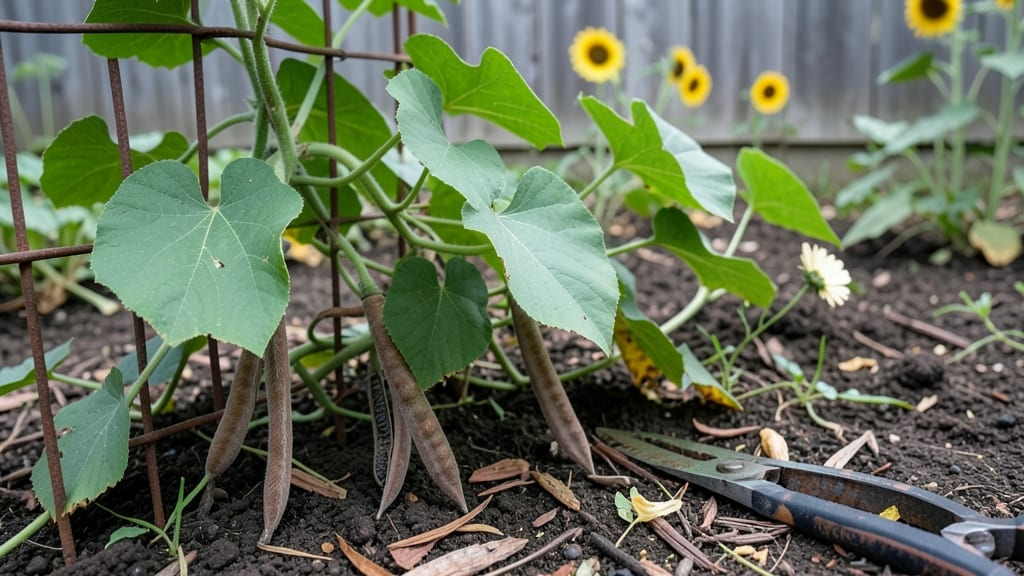
Moonflowers seed pods hold the secret to summer evenings glowing with bioluminescent blooms that only open under moonlight—perfect for Pacific Northwest gardens where cool nights preserve their magic. 🌙 I’ve grown them for years, and there’s nothing like watching those giant, silvery-white flowers unfurl after dark, attracting moths and making your garden feel like a secret enchanted forest.
The best part? These tropical-looking beauties thrive in our chilly climate, handling light frosts that would kill most annuals. Start with seed pods in late spring after the last frost—plant them directly in well-drained soil where they’ll sprawl happily along fences or trellises.
Germination takes 10-14 days if kept consistently moist, and seedlings grow fast, reaching maturity in just 60-70 days.
Once established, moonflowers are low-maintenance but high-reward: fragrant, disease-resistant, and self-seeding (so you’ll get free plants next year). The only challenge is keeping them from flopping—give them something to climb, and you’ll have a vertical display of moonlit magic every summer evening.
Here’s how to make it happen without the usual struggles.
We’ll cover everything from extracting seeds to troubleshooting slow starters, plus the exact timing for PNW planting zones. By the end, you’ll know why these flowers are the easiest way to add drama to your garden—without the fuss of finicky tropicals. Let’s get those pods planted!
📚 In This Guide
- What you need
- Instructions
- Tips and common mistakes
- Wrapping up and next steps
What you need
- ● Moonflower seeds: 5–10 pods (or ~20–30 seeds—each pod contains 1–4 seeds). Choose organic, non-GMO seeds for best results.
- ● Well-draining potting mix: 2–3 gallons (look for a blend labeled for container gardening or annuals).
- ● Containers or garden beds: Containers: 5–10-gallon pots with drainage holes (for patio/balcony growing).
- ● Garden beds: A sunny spot with at least 6–8 hours of sunlight daily and loose, fertile soil (amend with compost if needed).
- ● Compost or slow-release fertilizer: 1 cup (for enriching soil before planting).
- ● Watering can or hose with a gentle spray nozzle.
- ○ Garden twine or stakes (optional but helpful): 3–4 ft lengths to support vines as they grow.
- ○ Gloves (optional): Heavy-duty gardening gloves to protect hands from prickly seed pods.
- ● Trowel or small shovel: For transplanting seedlings or digging holes.
- ● Plant labels & markers: To track varieties (especially if growing multiple types).
- ● Frost cloth or row covers (PNW-specific!): Lightweight fabric to shield young plants from late spring frosts.
- ○ Sunlight meter (optional): To confirm your garden spot gets enough light.
- ● Patience! 🌙 Moonflowers are fast-growing but need consistent care—especially in cooler climates.
Step-by-step guide for planting moon flower seed pods in cold climates
Here’s how to establish these frost-hardy beauties with minimal fuss.
🌱 Step 1: Choose the Right Location and Prepare the Soil
Moon flowers thrive in partial shade, making them perfect for the Pacific Northwest’s dappled sunlight. Select a spot that receives 4-6 hours of morning sun and afternoon shade—this mimics their natural woodland habitat. Avoid full sun, which can scorch tender leaves.
Test your soil’s moisture retention by squeezing a handful. If it crumbles easily, amend with 2-3 inches of compost (from your ingredients list) to improve fertility and water-holding capacity. Moon flowers prefer well-draining, slightly acidic soil with a pH between 6.0 and 7.0. If your soil is heavy clay, mix in 1 part perlite to improve aeration.
🌱 Step 2: Plant Seed Pods at the Correct Depth and Spacing
Moon flower seed pods are delicate, so handle them gently to avoid cracking. Plant them ½ inch deep in early spring, 4-6 weeks before your last frost date, when soil temperatures reach 50°F. Space pods 12-18 inches apart to allow for air circulation and prevent fungal diseases.
Gently press the soil around each pod to ensure good contact without compacting it. Water lightly immediately after planting to settle the soil and encourage germination. Use a fine mist setting on your watering can to avoid displacing the pods. Expect germination in 2-3 weeks, though cooler Pacific Northwest springs may extend this to 4-6 weeks.
💧 Step 3: Water Consistently and Protect from Frost
Moon flowers are drought-tolerant once established, but seedlings need consistent moisture to prevent wilting. Water 1-2 inches per week, focusing on the base of the plant to avoid wetting the foliage. Use a soaker hose for deep, even hydration without disturbing the soil.
In the Pacific Northwest, late spring frosts can still occur, so monitor your plants closely. If frost is forecasted, cover young seedlings with a lightweight frost cloth or row cover. Remove it during the day to allow sunlight. Once plants reach 6 inches tall, they’ll tolerate light frosts down to 25°F, but established plants can handle 10°F with minimal protection.
☀️ Step 4: Prune and Support for Optimal Growth
Moon flowers grow on vines that can reach 10-15 feet, so provide a trellis or sturdy support structure early in the season. Tie vines loosely with soft plant ties to avoid damaging the stems. Prune leggy growth in early summer to encourage bushier, more compact plants.
Deadhead spent blooms by pinching off the flower heads just above a set of leaves. This redirects the plant’s energy into producing more flowers rather than seed pods. In late summer, cut back one-third of the vine to stimulate a second flush of blooms before the first frost. This keeps your plants productive well into fall.
⏰ Step 5: Harvest and Store Seed Pods for Next Year
Moon flower seed pods mature in late summer to early fall, turning from green to brown. Harvest them when they’re dry and papery to the touch. Cut the pods with clean pruners, leaving 1-2 inches of stem attached. Store them in a paper bag in a cool, dry place until ready to plant.
Here’s the thing—moon flowers self-seed readily, so you’ll likely find volunteers popping up in subsequent years. If you want to control their spread, collect and store the pods yourself. Plant them again in early spring following the same steps, and you’ll have a perennial display with minimal effort.
Tips & tricks for perfect moon flower planting in cold climates
Between us, these little details make all the difference when growing moon flowers in the Pacific Northwest's tricky climate.
Soil Prep Secret: That 2-3 inches of compost isn't just about fertility—it's about creating the perfect moisture balance. I learned this the hard way after planting in pure clay soil where my seedlings drowned during our rainy springs. Mix in that compost AND perlite (if needed) right where you're planting, not just on top. The roots will thank you when they hit that sweet spot of drainage and nutrients.
Timing is Everything: Those 4-6 weeks before your last frost date are critical, but don't let the calendar be your only guide. Check soil temperatures—50°F is your magic number. In cooler Pacific Northwest springs, this might mean waiting until mid-April when your soil actually warms up. Use a soil thermometer for precision, especially if you're planting early. Cold soil delays germination and invites rot.
Germination Watch: The 2-3 week window for germination is a guideline, not a rule. In our damp climate, I've seen pods sprout in 10 days when conditions are perfect, while others take 8 weeks in cooler, wetter years. The key is patience—don't dig up pods to check! Mark their locations with small flags so you don't disturb them while waiting. Once you see those first leaves, you'll know you're on track.
Frost Protection Hack: That 6-inch height threshold for frost tolerance is where things get interesting. I've found you can actually push it slightly by giving plants a little afternoon shade when frosts are forecasted. The vines will handle 10°F just fine, but the delicate new growth benefits from that extra protection. Think of it as giving your plants a cozy blanket while they're still getting established.
Pro Tips for Moon Flowers Seed Pods
- Between us, these little details make all the difference when growing moon flowers in the Pacific Northwest's tricky climate.
- Soil Prep Secret: That 2-3 inches of compost isn't just about fertility—it's about creating the perfect moisture balance.
- Timing is Everything: Those 4-6 weeks before your last frost date are critical, but don't let the calendar be your only guide.
Frequently asked questions
When is the best time to plant moon flower seed pods in my region?
Moon flowers (Ipomoea alba) thrive in warm soil, so wait until after the last frost (typically late May–June in the PNW). Start seeds indoors 4–6 weeks earlier if you’re eager for blooms! These vines love heat but can handle light frost—just protect young plants with row covers if temps dip below 50°F (10°C).
Are moon flowers truly frost-resistant? What if we get a late spring freeze?
While mature moon flowers tolerate light frost, seedlings and young plants are delicate. If a late freeze is forecast, cover vines with frost cloth or move pots indoors. Hardy once established, but avoid planting too early—wait for soil to warm to 60°F (15°C) for best results.
How do I harvest moon flower seed pods for next year’s garden?
Let seed pods fully dry on the vine (they’ll turn brown and papery). Snip them off, open carefully, and store seeds in a cool, dry place (like an envelope) for up to 2 years. Pro tip: Wear gloves—some gardeners find the pods slightly sticky!
Can I grow moon flowers in containers? What’s the best setup?
Use a large pot (10+ gallons) with drainage holes and a fast-draining mix (add perlite). Train vines with a trellis or cage—they can grow 10–15 feet! Place containers in full sun and water deeply when soil feels dry. Bonus: Container-grown plants are easier to protect from frost.
Why aren’t my moon flowers blooming? Troubleshooting tips?
Common culprits:
- Not enough sun: Moon flowers need 6+ hours of direct sunlight daily.
- Over-fertilizing: Too much nitrogen = lush leaves, few blooms. Use a low-phosphorus fertilizer instead.
- Poor support: Vines flopping? Add a trellis or stake ASAP.
If blooms appear but fade quickly, your plants may need more water or evening shade in hot climates.
Wrapping up and next steps
Moon flower seed pods are a fantastic choice for Pacific Northwest gardeners—hardy, beautiful, and easy to grow! 🌙 Their frost-resistant nature and striking blooms make them a standout addition to any yard or container.
Whether you're a seasoned gardener or just starting, these seeds offer a rewarding experience with minimal fuss.
Ready to bring some magic to your garden? Start by gathering your supplies—soil, pots, and a sunny spot—and dive in! With a little patience, you’ll soon be enjoying the enchanting glow of moon flowers lighting up your evenings. Happy planting! 🌱✨