
Lawn
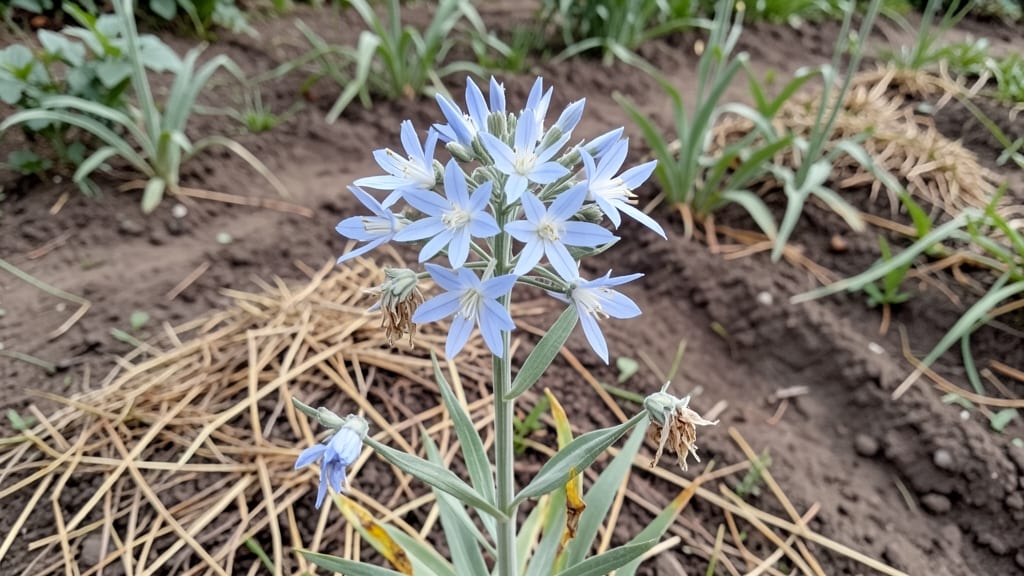
Growing flax seed flowers in the Pacific Northwest means embracing a plant that thrives where others falter—its delicate blue blooms defy cold snaps and poor soil with shocking resilience. 🌱 I’ve watched flax transform my garden’s edges from dull to dazzling, its slender stems swaying even after late frosts.
The secret lies in its adaptability: flax tolerates sandy, rocky, or even slightly alkaline soil, making it a dream for our region’s challenging conditions.
You’ll need minimal supplies: seeds, a sunny spot (even partial shade works), and patience—flax grows fast but rewards you with three months of color if you let it self-seed.
The real magic happens when you let the flowers go to seed; those golden pods split open to reveal the seeds used for linen, birdseed, or even omega-3-rich meals.
My first harvest yielded enough for both my garden and the local birds, proving flax is as generous as it is hardy.
By summer’s end, your garden will hum with pollinators drawn to flax’s nectar, while the air fills with its faint, honey-like scent. The plants stay compact enough for borders or containers, yet their vibrant blue clusters create a striking contrast against greenery.
Whether you’re growing for seeds, linen, or simply beauty, flax delivers—without the fuss of fussy perennials.
This guide covers everything from soil prep to seed harvesting, including how to extend the blooms into fall. Let’s get those seeds in the ground—your garden’s new cold-resistant star is waiting.
📚 In This Guide
- What you need
- Instructions
- Tips and common mistakes
- Wrapping up and next steps
What you need
- ● Flax seeds: 1 lb (or ~16 oz) of organic, cold-hardy flax seed varieties (e.g., Linum usitatissimum). Look for seeds labeled for ornamental use if possible.
- ● Well-draining soil: 10–20 cubic feet of amended garden soil (mix in 2–3 parts compost or aged manure per 1 part sand for optimal drainage).
- ● Sunlight access: A sunny spot receiving 6–8 hours of direct sunlight daily (partial shade is tolerable in hotter PNW summers).
- ● Watering can or hose: With a gentle spray nozzle for even moisture distribution.
- ● Garden gloves: A pair to protect your hands from soil and seeds.
- ○ Plant markers (optional but helpful): Small stakes or labels to track seedling progress.
- ● Hand trowel or rake: For loosening soil and creating shallow furrows (¼-inch deep).
- ● Seedling trays or biodegradable pots: If starting indoors (6–8 weeks before last frost). Use 2–3 inch pots for 10–12 seeds each.
- ● Mulch (straw or shredded leaves): 1–2 inches to retain moisture and suppress weeds.
- ● Organic fertilizer (low-nitrogen): 5-10-10 or compost tea for established plants (apply sparingly).
- ● Pruning shears: For deadheading spent blooms to encourage longer flowering.
- ○ Bird netting (optional): If birds are a problem in your area—flax seeds are irresistible!
- ● Timing: Plant seeds outdoors in early spring (March–April) or late summer (August–September) for fall blooms. Start indoors in February if using trays.
- ● Climate readiness: Flax thrives in USDA Zones 3–9, making it perfect for the PNW’s cool, damp conditions.
- ● Patience: Germination takes 10–21 days—keep soil consistently moist but not soggy!
Step-by-step instructions for cultivating flax seed flowers in cool climates
These hardy annuals thrive where others falter—here's how to grow them with minimal fuss.
🌱 Step 1: Choose the Right Location and Soil
Flax seed flowers love full sun—at least 6 hours daily—but they tolerate partial shade better than most flowers. In the Pacific Northwest, I plant mine in early spring or late summer to avoid summer drought stress. The soil should be well-draining but not sandy—flax roots need moisture but hate soggy feet.
Amend heavy soil with 2-3 inches of compost before planting. Work it into the top 6 inches of soil to create a loose, crumbly texture. Flax seeds are tiny, so smooth soil prevents them from sinking too deep. Press the surface lightly after planting to ensure good seed-to-soil contact—this helps germination rates.
💧 Step 2: Plant Seeds at the Right Depth and Spacing
Scatter seeds ¼ inch deep—they need light to germinate, so don’t bury them deeper. I use a 1/4 teaspoon of seeds per square foot for a lush display. Space rows 12-18 inches apart if planting in rows, or scatter randomly for a wildflower look. Water gently after planting to settle the seeds without washing them away.
Keep the soil consistently moist but not soggy until germination, which takes 7-14 days in cool weather. You’ll see tiny green shoots first—don’t be fooled by the size, as they’ll grow quickly once established. If your soil dries out, germination slows dramatically, so check daily during dry spells.
☀️ Step 3: Maintain Water and Fertility for Healthy Growth
Once seedlings emerge, reduce watering to once a week unless it’s unusually hot or dry. Flax is drought-tolerant but produces better blooms with steady moisture. Water at the base to avoid wetting the leaves, which can lead to fungal issues. You’ll notice the plants developing narrow, lance-shaped leaves—this is normal and a sign they’re thriving.
Avoid heavy fertilizers—flax prefers lean soil. If your plants look pale or leggy, side-dress with ½ cup of compost per plant in early spring. Stop fertilizing once buds form, as excess nitrogen encourages foliage over flowers. Deadhead spent blooms to encourage more flowers, but only if you want a longer display—flax self-seeds readily for next year.
✂️ Step 4: Harvest Seeds for Next Year’s Garden
When seed pods turn brown and dry in late summer, it’s time to harvest. Cut the entire stalk and hang it upside down in a dry, well-ventilated spot. The pods will release seeds naturally—collect them in a paper bag for next season. Flax seeds stay viable for years, so a little goes a long way.
If you’re growing flax for fiber or oil, harvest the seeds when they’re fully mature but before they shatter. For flowers, leave some pods on the plant to self-seed—you’ll likely find volunteers popping up the following year. This cold-hardy beauty rewards patience with minimal effort, making it a perfect fit for Pacific Northwest gardens.
Tips & tricks for perfect flax seed flower cultivation
Took me a while to figure these out, so here's how to make your flax flowers thrive with minimal fuss.
Sunlight Strategy: While flax tolerates partial shade, you'll get the most vibrant blooms by positioning them where they receive those full 6 hours of sunlight daily. In the Pacific Northwest, I've found that morning sun followed by afternoon shade works beautifully, especially during our cooler summer months. If you're planting in containers, place them where they'll get maximum light exposure throughout the day.
Seed Spacing Secret: The ¼ inch depth and 1/4 teaspoon per square foot measurements might seem small, but trust me on this—crowding seeds leads to weak, spindly plants. For a more natural look, scatter them randomly rather than planting in neat rows. This mimics their wildflower origins and creates a more organic, cottage-garden aesthetic that's perfect for Pacific Northwest landscapes.
Germination Timing: Those 7-14 days for germination can feel like forever, but patience pays off. I've learned to set a reminder to check soil moisture daily during this period—dry soil is the number one reason for slow or failed germination. A fine misting with water in the morning is all these tiny seeds need to get started.
Watering Wisdom: Once your seedlings emerge, that once a-week watering guideline works well, but I've found that watering in the early morning gives the plants time to dry out before evening. This helps prevent fungal issues that can plague wet foliage. Remember, flax is drought-tolerant once established, but consistent moisture during the growing season leads to more abundant blooms.
Pro Tips for Flax Seed Flower
- Took me a while to figure these out, so here's how to make your flax flowers thrive with minimal fuss.
- Sunlight Strategy: While flax tolerates partial shade, you'll get the most vibrant blooms by positioning them where they receive those full 6 hours of sunlight daily.
- Seed Spacing Secret: The ¼ inch depth and 1/4 teaspoon per square foot measurements might seem small, but trust me on this—crowding seeds leads to weak, spindly plants.
Frequently asked questions
Got questions about growing flax seed flowers in your Pacific Northwest garden? You’re not alone! Here are some of the most common queries—plus straight answers to help you succeed.
How long does it take for flax seed flowers to grow from seed to bloom?
Flax seed flowers are fast growers! From sowing, expect tender sprouts in 7–14 days and delicate blue blooms in just 60–75 days under ideal conditions. Cooler PNW climates may slow early growth, but patience pays off with vibrant displays by late spring or early summer.
Can flax seed flowers survive a late frost?
Yes! These hardy beauties thrive in the PNW’s chilly weather. Young seedlings tolerate light frost, while established plants can handle 20–25°F without damage. For extra protection, sow seeds early (March–April) or use row covers until sprouts reach 2–3 inches tall.
What can I plant with flax seed flowers to attract pollinators?
Flax flowers are a pollinator magnet! Pair them with bee-friendly companions like yarrow, lavender, or borage for a buzzing garden. Avoid overcrowding—flax prefers 6–12 inches of space to flourish. Pro tip: Let some stalks self-seed for next year’s natural pollinator buffet!
What do I do if my flax flowers flop over or look leggy?
Leggy flax? It’s often due to too much shade or sparse planting. Thin seedlings to 6–12 inches apart and ensure they get 4–6 hours of sun daily. For support, gently stake taller varieties or interplant with shorter flowers like calendula to break wind.
Can I harvest flax seeds from the flowers I grow?
Once flowers fade, leave 10–15% of stalks to dry on the plant. Collect seeds when pods turn golden-brown (usually 2–3 weeks post-bloom), then thresh them by rubbing between your hands. Store seeds in a cool, dry place for up to 2 years—perfect for next season’s garden!
Wrapping up and next steps
Growing flax seed flowers in your Pacific Northwest garden is a rewarding journey—packed with stunning blue blooms, resilience against cold, and eco-friendly benefits. Whether you’re drawn to their delicate beauty or their hardy nature, these flowers bring joy and sustainability to any outdoor space. 🌿
Ready to take the next step? Start small—plant a few seeds in your garden or share your newfound knowledge with fellow gardeners! With patience and care, you’ll soon be surrounded by a sea of vibrant flax flowers that thrive in the PNW’s unique climate.