
Flowers
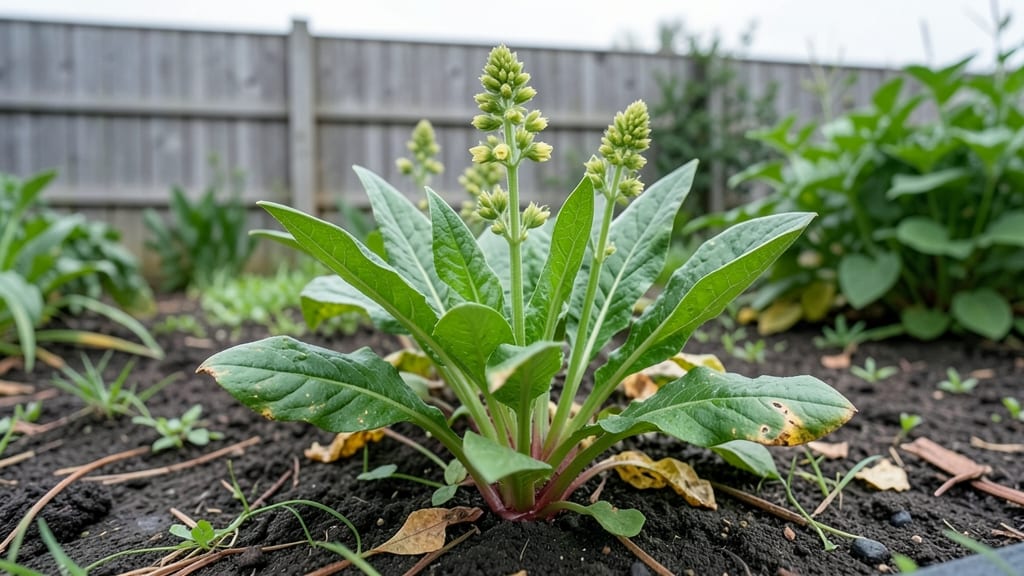
Sorrel flowers aren’t just pretty—they’re edible powerhouses packed with tangy flavor and medicinal perks you’ll want to harvest. 🌸 I’ve used them in everything from salads to teas, and the benefits go beyond taste.
Their sharp lemony kick makes them a chef’s secret weapon, while their anti-inflammatory properties turn them into a garden-grown remedy.
The real magic happens when you grow them intentionally. These blooms thrive in partial shade, making them perfect for understory plantings or woodland garden edges. Snip the flowers fresh for garnishes or dry them for winter teas—just avoid overharvesting, as the leaves are the plant’s true workhorse.
The petals even repel pests like aphids, giving your garden a two-for-one defense.
You’ll love how versatile they are: toss whole blooms into vinaigrettes for a citrusy pop, steep them into iced tea for a zesty twist, or crush them into pest-repellent sprays. The flowers’ vitamin C content is a bonus, making them a nutrient-rich addition to any garden apothecary.
Start small—just a few plants—and you’ll have more than enough for both the kitchen and the medicine cabinet.
Best of all, sorrel’s hardy nature means they’ll keep producing through multiple harvests, rewarding you with both beauty and bounty. Whether you’re a culinary adventurer or a natural remedy enthusiast, these flowers deliver—no fancy equipment required. Let’s put them to work in your garden!
📚 In This Guide
- What you need
- Instructions
- Tips and common mistakes
- Wrapping up and next steps
What you need
- ● Fresh sorrel flowers: Organically grown or wildcrafted (ensure no pesticides!)
- ● Quantity: At least 1 cup (packed) for culinary use or 2–3 tbsp dried flowers for teas/remedies.
- ● Harvesting tools (if foraging): Sharp scissors or pruning shears (for clean cuts)
- ○ Gloves (optional, for handling prickly stems)
- ● Small basket or container (to avoid crushing petals)
- ● Basic kitchen tools: Chef’s knife & cutting board (for prep)
- ● Mixing bowl (stainless steel or glass)
- ● Fine-mesh strainer (for infusions)
- ○ Mortar & pestle (optional, for grinding dried flowers)
- ● Honey or agave (to sweeten floral teas or syrups)
- ● Vinegar (apple cider or white, for preserving petals)
- ● Drying rack or paper towels (for air-drying flowers)
- ● Food processor (for making sorrel flower powder)
- ● Labeling supplies (if storing homemade remedies)
How to grow and harvest sorrel flowers for maximum benefits
Harvesting sorrel blooms at their peak unlocks their full culinary and medicinal potential.
🌱 Step 1: Identify and Select Healthy Sorrel Plants
Look for mature sorrel plants with vibrant, deep green leaves and sturdy stems—these are the ones producing the most robust flowers. I focus on plants that have already developed their characteristic arrow-shaped leaves, as these indicate maturity and higher nutrient content in the blooms. Avoid plants showing signs of stress like yellowing leaves or wilting, as these will produce lower-quality flowers.
Here's the thing—sorrel flowers grow on tall, slender stems that can reach up to 2 feet in height. The best blooms appear in late spring to early summer, so time your harvest carefully. You'll want to pick flowers when they're fully open but before they begin to wilt, typically when the petals are bright yellow or pinkish, depending on the variety.
☀️ Step 2: Time Your Harvest for Peak Benefits
Harvest sorrel flowers in the morning after the dew has dried but before the midday heat sets in. This timing ensures the flowers retain their maximum flavor and medicinal properties. I always use clean, sharp scissors or pruning shears to cut the flower stems—never pull them by hand, as this can damage the plant.
Cut the stems at a 45-degree angle about 1 inch below the flower cluster. This technique promotes better water uptake and prevents disease from entering the stem. Real talk: if you harvest too early, the flowers won't develop their full flavor profile, and if you wait too long, they'll become bitter and lose their delicate texture.
🌿 Step 3: Prepare and Preserve the Flowers
Once harvested, gently shake off any debris and inspect the flowers for pests or damage. Rinse them briefly under cool water if they've collected dust, but avoid soaking them, as this can dilute their flavor. Pat them dry with a clean towel or let them air-dry on a paper towel.
For immediate use, you can add the flowers directly to salads, teas, or infused oils. Here's where it gets fun—they add a tangy, slightly sour note that complements dishes beautifully. To preserve them for later, lay the flowers in a single layer on a wire rack in a warm, dry, and well-ventilated area. They should dry completely in about 5-7 days, at which point they can be stored in an airtight container away from direct light.
✂️ Step 4: Maximize Future Blooms
After harvesting, don't be tempted to cut back the entire plant—leave at least half of the foliage intact to ensure the plant can continue producing energy for future blooms. Sorrel is a perennial in many climates, so proper care now means more flowers next season.
Water the plant deeply after harvesting to help it recover, and consider adding a light layer of compost around the base to replenish nutrients. I've found that sorrel responds well to a balanced fertilizer applied in early spring, which encourages lush growth and abundant flowering. Watch for new growth within 2-3 weeks—this is your signal that the plant is recovering well.
Tips & tricks for perfect sorrel flower harvesting
These practical insights will help you maximize both yield and quality when working with sorrel blooms.
Selection Tip: Focus on plants with fully developed arrow-shaped leaves and sturdy stems reaching up to 2 feet in height. The vibrant green color indicates peak nutrient content in both leaves and flowers. I've noticed that plants with slightly purple stems often produce the most intensely flavored blooms—worth keeping an eye out for during your harvest.
Timing Secret: Morning harvests between 8-10 AM capture the most potent flavors and medicinal properties. The morning dew helps maintain the flowers' delicate structure while preserving their natural oils. Confession: I skipped this timing for years and wondered why my preserved flowers always seemed less vibrant—turns out, that early morning window really matters for both color and flavor intensity.
Cutting Technique: That 45-degree angle cut 1 inch below the flower cluster isn't just about aesthetics—it's about plant health. This precise cut prevents water from pooling at the stem base, which could lead to rot or disease. Use sterilized pruners each time to avoid introducing pathogens. Between us, I've seen harvests ruined by contaminated tools, so this small step makes a big difference in long-term plant vitality.
Preservation Hack: For drying, spread flowers in a single layer with stems facing down. This orientation prevents petals from curling inward and maximizes surface area for even drying. I've found that a small fan on low setting can cut the 5-7 day drying time to about 3 days without compromising quality. Just avoid direct airflow that could scatter delicate petals.
Pro Tips for Sorrel Flowers Benefits
- These practical insights will help you maximize both yield and quality when working with sorrel blooms.
- Selection Tip: Focus on plants with fully developed arrow-shaped leaves and sturdy stems reaching up to 2 feet in height.
- Timing Secret: Morning harvests between 8-10 AM capture the most potent flavors and medicinal properties.
Frequently asked questions
Got questions about sorrel flowers?
You’re not alone! Here are answers to the most common queries—from harvesting tips to health precautions—so you can enjoy these edible blooms with confidence.
Can you eat sorrel flowers raw, or do they need cooking?
Sorrel flowers are edible raw and pack a bright, tangy flavor—perfect for garnishes or salads! However, light cooking (like sautéing or steeping in tea) can mellow their sharpness. Always start with small amounts to test your tolerance, as individual reactions vary.
When is the best time to pick sorrel flowers for eating?
Harvest sorrel flowers in the morning after the dew dries but before the heat of the day (around 8–10 AM). Choose fully open blooms—they’re sweeter and more flavorful—and avoid flowers with yellowing petals or signs of pests. Pro tip: Use clean, sharp scissors to snip stems, leaving at least 2–3 inches to encourage regrowth.
Are sorrel flowers safe for everyone, or are there risks?
While generally safe, sorrel flowers contain oxalic acid, which may cause digestive upset (like bloating or kidney strain) in sensitive individuals. Avoid them if you have kidney issues, gout, or a history of oxalate-related problems. Pregnant women should consult a doctor first. Start with tiny amounts to assess tolerance!
What’s the easiest way to use sorrel flowers in cooking?
Try these beginner-friendly ideas:
- Garnish: Sprinkle over soups, salads, or fish dishes for a pop of color and zesty flavor.
- Infused oil: Steep 1 cup of flowers in 1 cup of olive oil for 2 weeks (strain and store in the fridge). Drizzle over pasta or veggies!
- Tea: Steep 1–2 flowers in hot water for 5–10 minutes. Add honey or lemon for a refreshing drink.
Can I grow sorrel flowers at home, and how do I care for them?
Sorrel (Rumex acetosa) thrives in cool climates and partial shade. Plant in well-draining soil, water moderately, and fertilize lightly in spring. Flowers appear in early summer—harvest sparingly to encourage blooms. Warning: Avoid commercial sprays; sorrel is sensitive to pesticides. If growing from seed, expect flowers in 2 years.
Wrapping up and next steps
From vibrant culinary flavors to powerful medicinal properties, sorrel flowers are a true gem in nature’s garden! 🌸 Whether you’re boosting your immune system, adding a tangy twist to dishes, or exploring natural remedies, these edible blooms offer something for everyone.
Their versatility makes them a must-have for both the kitchen and the wellness toolkit.
Ready to harness their magic? Start by growing your own sorrel plants or foraging responsibly—then experiment with recipes or DIY remedies. Your body (and taste buds!) will thank you. What will you create first? 🌿✨