
Flowers
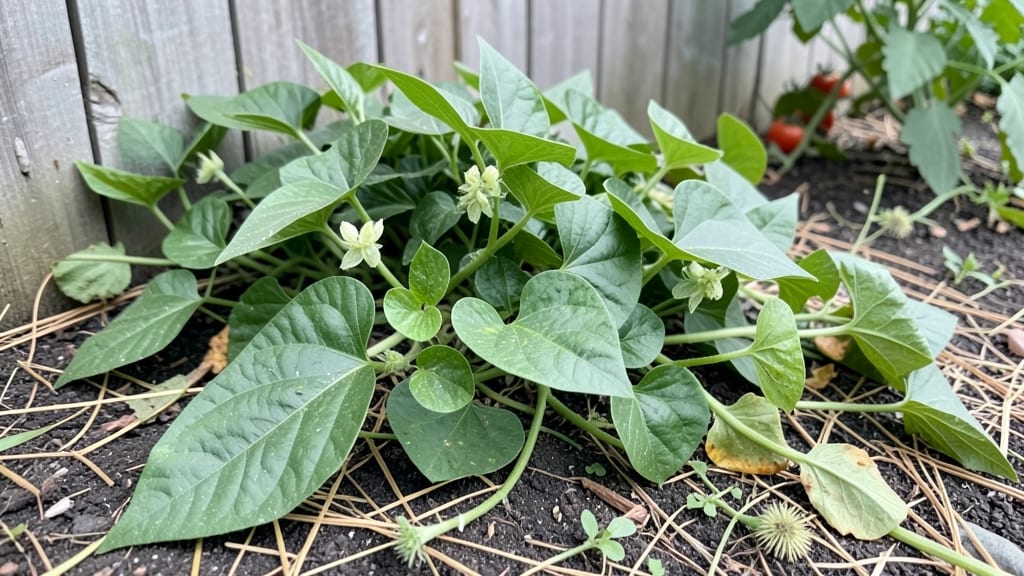
Malabar spinach flowers aren’t just pretty—they’re edible, delicate, and packed with a mild, spinach-like flavor that brightens any dish. 🌿 In the Pacific Northwest’s mild climate, these vining plants bloom year-round when given the right care, turning your garden into a living salad bar.
I’ve grown Malabar spinach for years, and the flowers are the real star: they taste like a cross between spinach and okra, with a tender, slightly crunchy texture.
The key to encouraging flowers is simple: prune regularly to keep the plant bushy, and make sure it gets at least 6 hours of sunlight daily.
Over-fertilizing with nitrogen will give you lush leaves but fewer blooms, so switch to a balanced fertilizer once you see flowers starting to form. In my experience, the first flush of blooms appears 8-12 weeks after planting, and with consistent care, they’ll keep coming.
Harvesting is effortless—just snip the flowers with a pair of clean scissors and toss them into salads, stir-fries, or even garnishes. They’re best picked in the morning when they’re freshest, and the flavor improves as they mature but soften.
My favorite use? A quick blanch and freeze for winter soups when fresh greens are scarce.
This plant thrives in the PNW’s humidity and mild winters, making it a foolproof choice for gardeners who want beauty and bounty. Whether you’re growing in containers or letting it climb a trellis, Malabar spinach flowers will reward you with edible blooms that taste as good as they look.
Ready to turn your garden into a harvestable canvas?
📚 In This Guide
- What you need
- Instructions
- Tips and common mistakes
- Wrapping up and next steps
What you need
- ● Malabar spinach seeds (or young plants) – Choose organic, non-GMO seeds for best results. Quantity: 10–20 seeds or 3–5 starter plants.
- ○ Well-draining potting mix – A blend of 50% peat moss or coco coir, 30% perlite or vermiculite, and 20% compost works perfectly. Optional: Add a handful of worm castings for extra nutrients.
- ● Containers or garden beds – Containers: 5–10-inch pots with drainage holes (1–2 plants per container).
- ● Garden beds: Full sun to partial shade (4–6 hours of sunlight daily). Soil should be rich, loamy, and slightly acidic (pH 6.0–6.8).
- ● Watering can or hose with a gentle spray nozzle – Malabar spinach loves moisture but hates soggy roots!
- ● Balanced liquid fertilizer (5-5-5 or 10-10-10) – Dilute to half-strength for feeding. Frequency: Every 4–6 weeks.
- ● Pruning shears – For trimming leggy vines or harvesting flowers.
- ○ Garden gloves – Protects hands from prickly stems (optional but recommended!).
- ● Mulch (straw or shredded leaves) – Helps retain moisture and suppress weeds.
- ● Support trellis or small stakes – Encourages vertical growth if vines get too long.
- ● pH testing kit – Ensures soil stays in the ideal range for Pacific Northwest climates.
- ● Patience – Malabar spinach grows fast but may take 6–8 weeks to flower from seed.
- ● Consistent moisture – The PNW’s damp climate is great, but avoid waterlogging.
- ● Protect from frost – If planting early, use row covers for tender young plants.
- ○ Pollinators (optional) – While self-pollinating, bees love the flowers—plant near other pollinator-friendly blooms!
How to grow and enjoy Malabar spinach blooms in the Pacific Northwest
This fast-growing vine thrives in our mild climate—here's how to coax those edible flowers year-round.
🌱 Step 1: Choose the Right Variety and Planting Location
Select a disease-resistant variety like 'Green Leaf' or 'Red Stem'—they handle our damp springs best. Malabar spinach loves warmth but tolerates partial shade, making it perfect for NW gardens where full sun can be harsh in summer. I plant mine near a south-facing fence where they get morning sun and afternoon shade.
This vine climbs aggressively, so install a 4-5 foot trellis or let it sprawl along fences. The flowers appear along the stems, so vertical growth maximizes your harvest. In containers, use a 12-inch deep pot with drainage—just ensure it's wide enough to support the sprawling habit.
☀️ Step 2: Prepare Soil and Plant for Continuous Growth
Amend your soil with 2 inches of compost to ensure rich, well-draining conditions. Malabar spinach dislikes soggy roots, so raised beds or containers with drainage holes work best in our rainy winters. Test your soil pH—aim for 6.0-6.8. If it's too acidic, mix in 1 tablespoon of lime per square foot.
Plant 12-18 inches apart in rows or clusters near your trellis. For containers, plant 1-2 vines per 12-inch pot. Water deeply after planting to settle the roots. Here's the thing—this plant grows fast, so keep the soil evenly moist but never waterlogged. You'll see new leaves appear within 2-3 weeks of planting.
💧 Step 3: Maintain Water and Fertility for Blooming
Water 2-3 times weekly during our dry summers, but reduce to once weekly in winter. The key is consistent moisture—let the top 1 inch of soil dry between waterings. Overhead watering can cause fungal issues, so I use a soaker hose at the base of the plants.
Fertilize lightly every 4-6 weeks with a balanced organic fertilizer (like 5-5-5). Too much nitrogen makes leaves grow fast but delays flowering. You'll know you're on track when you see those white trumpet-shaped flowers forming along the vines—typically 8-12 weeks after planting in spring.
✂️ Step 4: Harvest Flowers and Encourage More Blooms
Pick flowers when fully open but before they wilt—this encourages more blooms. Use clean scissors to snip the entire flower cluster. The flowers taste mild and slightly sweet, perfect for garnishes or salads. I harvest once weekly during peak bloom to keep the plant producing.
Don't remove too many leaves at once—leave at least half the foliage to maintain photosynthesis. If the plant looks leggy, trim back the longest stems by one-third to encourage bushier growth. Real talk: If you live in a cooler microclimate, a frost cloth in winter protects the vines and extends your blooming season.
Tips & tricks for perfect Malabar spinach blooms
Here's what nobody tells you about getting those edible flowers to thrive in our NW climate.
Variety Matters: The 'Red Stem' variety blooms slightly earlier than 'Green Leaf' in our cooler springs—about 1-2 weeks ahead. If you want continuous harvests, plant both varieties 3 weeks apart. The red stems also add a subtle visual contrast to salads and garnishes, making them perfect for presentation. I've found that starting 'Red Stem' first gives you an early bloom advantage before summer heat sets in.
Soil Prep Secret: Before planting, mix in a handful of worm castings with that 2 inches of compost. Worm castings add beneficial microbes that help roots absorb nutrients faster, especially important in our acidic NW soils. I also add a thin layer of gravel or perlite at the bottom of containers to improve drainage—this prevents the soggy roots that Malabar spinach hates. The key is keeping that soil loose and well-aerated.
Watering Wisdom: In our rainy winters, I actually reduce watering to once every 10-14 days unless we have a dry spell. The consistent moisture rule still applies, but our winter rains often provide enough water. Always check that top inch of soil before watering—if it's damp, hold off. Overhead watering can cause those fungal issues, so stick with that soaker hose even in winter. A simple rain gauge helps track how much our natural rainfall provides.
Harvesting Hack: When harvesting those white trumpet-shaped flowers, cut the stem just below a leaf node. This encourages the plant to branch out and produce more flowers. I've found that harvesting in the morning gives you the freshest, most vibrant blooms for your dishes. Store harvested flowers in a damp paper towel in the fridge for up to 3 days—they'll stay crisp and maintain that delicate sweetness. For longer storage, gently pat them dry and freeze in a single layer before transferring to a bag.
Pro Tips for Malabar Spinach Flowers
- Here's what nobody tells you about getting those edible flowers to thrive in our NW climate.
- Variety Matters: The 'Red Stem' variety blooms slightly earlier than 'Green Leaf' in our cooler springs—about 1-2 weeks ahead.
- Soil Prep Secret: Before planting, mix in a handful of worm castings with that 2 inches of compost.
Frequently asked questions
about Malabar spinach flowers—because growing edible blooms should be as easy as they are delicious! Here are answers to the most common questions from PNW gardeners.Can you eat Malabar spinach flowers?
Yes! Basella alba flowers are edible and delicious—mild, slightly tangy, and packed with nutrients. They’re often used in salads, stir-fries, or as a garnish. Just ensure they’re pesticide-free if harvesting from your garden.
When do Malabar spinach flowers bloom?
In the Pacific Northwest’s mild climate, Malabar spinach blooms year-round (or nearly so) with peak flowering in late spring to early fall. Flowers appear on new growth, so pruning encourages more blooms.
How do I encourage more flowers?
Prune regularly to remove spent blooms (deadheading) and promote bushier growth. Ensure it gets bright, indirect light and keep soil consistently moist. A balanced fertilizer (like 10-10-10) every 4-6 weeks helps too!
What if my Malabar spinach isn’t flowering?
Check these fixes:
- Light: It needs 6+ hours of sunlight daily (PNW’s shade may slow blooms). Try a south-facing window or grow light.
- Water: Overwatering can stress it—let soil dry slightly between waterings.
- Age: Young plants may take 2–3 months to flower. Be patient!
Are there non-edible alternatives with similar flowers?
If you love the look but not the taste, try Ipomoea batatas (sweet potato vine) or Cobaea scandens (cup-and-saucer vine)—both have stunning blooms and are non-toxic. For edible options, nasturtiums or calendula are great PNW-friendly picks!
Wrapping up and next steps
Malabar spinach isn’t just a hardy, low-maintenance green—its edible flowers are a delicious bonus for Pacific Northwest gardeners! 🌸 From vibrant salads to garnishes, these blooms bring both beauty and flavor to your table, all while thriving in cool, damp climates.
Whether you're a seasoned gardener or just starting, adding this plant to your space is a game-changer for year-round harvests.
Ready to dive in? Start small—plant a few seeds or cuttings this season and watch your garden (and plate!) transform. Happy growing! 🌱