
Flowers
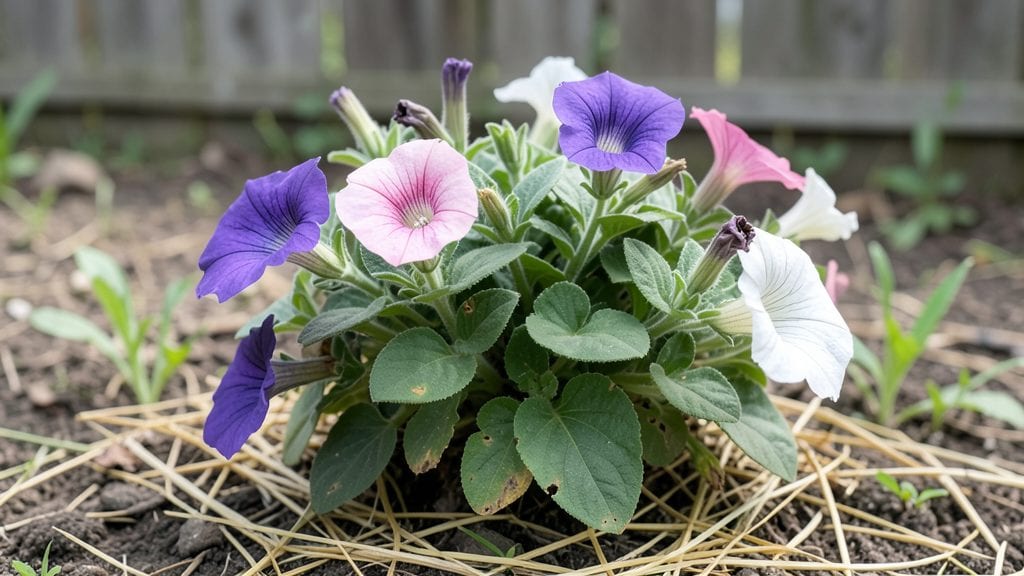
Growing flowers from seedling to bloom in the Pacific Northwest’s damp, unpredictable climate isn’t just possible—it’s a game-changer for year-round color. 🌸 I’ve learned that the key isn’t fighting nature but working with it, adjusting light, moisture, and timing to match our region’s unique growing seasons.
The payoff? Vibrant blooms from spring through fall, even when others give up.
Most people skip the seedling stage, rushing to buy transplants that struggle in our cool, cloudy summers. But starting from seed gives you stronger, hardier plants that thrive in containers, raised beds, or in-ground gardens.
You’ll need basic supplies—a sunny spot (or grow lights), well-draining soil, and patience—but the results are worth it. My sunflowers now reach 7 feet tall by August, and my roses bloom continuously from June to frost.
Here’s the magic: proper watering (never soggy soil), the right amount of sunlight (at least 6 hours daily), and a little extra care during transitions—like hardening off seedlings before planting.
Skip these steps, and you’ll end up with leggy stems or weak blooms. Get it right, and you’ll have flowers that turn heads at farmers’ markets and neighborhood walks.
This method works for everything from heirloom tomatoes to black-eyed Susans, and I’ll show you how to adapt it for your specific plants.
Whether you’re a beginner or a seasoned gardener looking to extend your bloom season, we’ll cover the exact techniques that keep my garden bursting with color—rain or shine.
📚 In This Guide
- What you need
- Instructions
- Tips and common mistakes
- Wrapping up and next steps
What you need
- ● Seeds or seedlings: Choose cold-hardy, Pacific Northwest-friendly varieties like Heuchera, Lavender, Salvia, or Dahlias. Start with 10–20 plants (or seeds) for a balanced display.
- ● Potting soil: 5–10 gallons of high-quality, well-draining organic potting mix (e.g., Black Gold or Fox Farm Ocean Forest). Avoid garden soil—it’s too dense!
- ● Containers or garden beds: Containers: 5–10 pots (5–10 inches in diameter) with drainage holes. Opt for terracotta or fabric grow bags for breathability.
- ● Garden beds: A 4’x4’ raised bed or in-ground plot with amended soil (add compost or coconut coir for moisture retention).
- ● Watering can or hose with a gentle spray nozzle: 1–2 gallons capacity. Pro tip: Morning watering (6–8 AM) minimizes fungal risks!
- ● Fertilizer: A balanced, slow-release 10-10-10 NPK fertilizer (1–2 lbs) or organic options like fish emulsion or worm castings.
- ● Mulch: 2–3 bags of cedar chips or straw mulch (5–10 cubic feet) to retain moisture and regulate soil temp.
- ● Garden gloves and knee pads: 1 pair each—your hands (and knees!) will thank you.
- ● Hand trowel: 1 medium-sized (for transplanting seedlings).
- ● Pruners: 1 pair of bypass pruners (for clean cuts).
- ● Garden fork: 1 (for aerating soil in beds).
- ○ pH test kit: 1 (optional but helpful—PNW soil is often acidic; aim for 6.0–7.0 for most flowers).
- ● Row cover or frost cloth: 1–2 sheets (for extending seasons in chilly months).
- ○ Grow lights or LED bulbs: 1–2 (optional for indoor seed starting or winter extensions).
- ● Sunlight access: At least 6 hours of direct sun daily (south-facing spots are ideal in the PNW).
- ● Weather prep: Check local frost dates (typically late May–early June for last frosts; early October for first frosts).
- ● Water source: Ensure easy access to water (gardens need 1–1.5 inches weekly, more in summer).
- ● Patience & passion: The magic happens over time—your blooms will reward your effort!
Step-by-step guide to transitioning seedlings to year-round blooms in the Pacific Northwest
Here's how to coax vibrant, continuous flowers from seedlings—even in our damp, cool climate.
🌱 Step 1: Select Climate-Adapted Seedlings for Pacific Northwest Conditions
Start with seedlings that thrive in USDA Zones 7-9 and tolerate cool nights and high humidity. Look for varieties like pacific coast asters, penstemons, or hardy geraniums—these bloom reliably even when summer temperatures dip into the 60s°F. Avoid tropical seedlings (like hibiscus) unless you're extending their season with season extension tools.
Check the seed packet or plant tag for days to bloom—choose shorter cycles (around 60-90 days) for faster color. I always pick disease-resistant hybrids since our region's damp air encourages powdery mildew. If starting from seed, begin indoors 8-12 weeks before your last frost date to ensure strong, established plants by spring.
☀️ Step 2: Optimize Light and Temperature for Early Flowering
Seedlings need 14-16 hours of light daily to prevent leggy growth. In the Pacific Northwest, natural light is insufficient during winter months, so supplement with a full-spectrum LED grow light placed 2-4 inches above the plants. Keep the light on a 16-hour timer to mimic summer daylight and encourage early flowering.
Maintain daytime temperatures between 65-75°F and nighttime temps above 50°F—cooler nights slow growth but prevent bolting (premature flowering). If using a greenhouse or cold frame, ventilate during the day to prevent overheating above 80°F, which stresses seedlings.
💧 Step 3: Water and Fertilize for Strong, Blooming Plants
Water seedlings when the top inch of soil feels dry, but avoid soggy soil—our region's high humidity and acidic soils make root rot a real risk. Use a moisture meter or stick your finger in the soil to check. Water at the base of the plant in the morning to allow foliage to dry before evening, reducing fungal diseases.
Feed seedlings with a balanced, water-soluble fertilizer (10-10-10) at half strength every two weeks once true leaves appear. Switch to a low-phosphorus, high-potassium fertilizer (5-10-10) when buds form to promote blooms over foliage. Over-fertilizing leads to weak stems that can't support heavy flowers.
✂️ Step 4: Prune and Train for Continuous Blooms
Pinch back the top set of leaves when seedlings are 4-6 inches tall to encourage bushier growth. This redirects energy from vertical growth to lateral branches, which produce more flowers. Remove any yellowing or damaged leaves immediately—they harbor pests and diseases that spread quickly in our damp climate.
For woody perennials (like lavender or salvia), prune back one-third of the oldest growth in early spring to stimulate new, flowering shoots. For annuals, deadhead spent blooms weekly to prevent seed formation and encourage a second flush of flowers. This is especially critical in our cool summers, where blooming cycles naturally slow.
🪴 Step 5: Transition to Outdoor Conditions Gradually
Hardening off seedlings takes 7-10 days in the Pacific Northwest. Start by placing them outside in a sheltered, shaded spot for 1-2 hours the first day, then gradually increase exposure over the week. Watch for wilting or leaf scorch—signs they're getting too much sun too soon. Move them to their final location on a cloudy day to reduce transplant shock.
Mulch around the base with 2-3 inches of organic mulch (like shredded bark) to retain moisture and regulate soil temperature. In our region, evening temperatures can drop quickly, so mulch acts as insulation. Space plants according to their mature size—crowding reduces airflow and increases disease risk, which is a major issue here.
Tips & tricks for perfect year-round blooms in Pacific Northwest gardens
Here's what I've learned after years of battling our region's damp climate to keep flowers thriving year-round.
Lighting Strategy: That 14-16 hour light requirement is non-negotiable for preventing leggy seedlings. I use a full-spectrum LED grow light on a timer because our winter days are too short—even with the timer, I position it 2-4 inches above the plants for maximum efficiency. If you notice seedlings stretching toward the light, they need more intensity or a closer placement. The key is balancing light exposure with temperature to avoid stressing the plants during our cool nights.
Temperature Management: Maintaining daytime temps between 65-75°F while keeping nights above 50°F can be tricky in our climate. I've found that using a small greenhouse with a thermostat-controlled vent helps regulate this automatically. If your space gets too warm (above 80°F), even for short periods, seedlings can bolt prematurely. A simple fan circulating air can prevent overheating during summer days without needing complex equipment.
Pruning Precision: When pinching back those top leaves at 4-6 inches tall, I always use clean, sharp scissors to avoid damaging the stem. This isn't just about bushier growth—it's about redirecting energy to where we want it. For woody perennials, I mark the pruning spot with a piece of twine before cutting to ensure I'm removing exactly one-third of the oldest growth. This visual cue prevents over-pruning, which can set back flowering.
Hardening Off Hack: The 7-10 day hardening off process is where most beginners fail. I start with just 1-2 hours in a sheltered spot on day one, then increase exposure by 30 minutes each day. The critical trick is watching for leaf scorch—if you see crispy edges, they're getting too much sun too soon. I've had the best success moving plants to their final location on a cloudy day when temperatures are naturally cooler and UV exposure is lower.
Pro Tips for Seedling To Flower
- Here's what I've learned after years of battling our region's damp climate to keep flowers thriving year-round.
- Lighting Strategy: That 14-16 hour light requirement is non-negotiable for preventing leggy seedlings.
- Temperature Management: Maintaining daytime temps between 65-75°F while keeping nights above 50°F can be tricky in our climate.
Frequently asked questions
Got questions about nurturing seedlings into vibrant blooms? You’re not alone! Here are answers to the most common queries from gardeners in the Pacific Northwest—and beyond.
How long does it take for a seedling to flower?
The timeline varies by plant! Fast growers like zinnias or marigolds may bloom in 6–8 weeks, while perennials (e.g., lavender or peonies) can take 6 months to 2 years. Check your seed packet for the days-to-maturity estimate, and adjust care based on your climate zone (PNW’s cooler summers may slow growth).
Can I grow flowers from seed year-round in the PNW?
Not without planning! Start indoor seeds in winter (under grow lights) for early spring blooms, or opt for cold-hardy annuals like sweet peas or pansies for fall/winter color. Use season extenders (row covers, cold frames) to protect tender seedlings. Pro tip: Succession planting keeps your garden blooming continuously!
Why aren’t my seedlings flowering?
Common culprits: insufficient light (move to a sunnier spot or use grow lights), overcrowding (thin seedlings), or nutrient deficiencies (switch to bloom-boosting fertilizer like 5-10-10). Check for pests (aphids, spider mites) too! If your plant is leggy or yellowing, it’s likely not ready—give it time or adjust care.
What’s the easiest flower to grow from seed for beginners?
Try sunflowers, cosmos, or nasturtiums—they’re forgiving, fast-growing, and thrive in the PNW’s variable weather. For shade lovers, impatiens or coleus are great picks. Pro tip: Start with pre-soaked seeds in a damp paper towel to speed up germination!
Can I save seeds from my flowers to replant next year?
Yes! Let a few flowers fully mature and dry on the plant (e.g., save tomato or marigold seeds), then store them in a cool, dry place. Avoid hybrid flowers (like petunias)—their seeds may not produce true-to-type blooms. Label your seeds and test germination rates before committing to large batches.
Wrapping up and next steps
From seedling to flower, your Pacific Northwest garden can thrive year-round with the right care and creativity! 🌱✨ The key is understanding your plants’ needs—whether it’s extending the growing season, choosing cold-hardy varieties, or mastering seasonal transitions.
With patience and passion, you’ll enjoy vibrant blooms even in the rainier months.
Ready to bloom? Start small: pick one new technique—like succession planting or greenhouse setups—and watch your confidence (and flowers!) grow. Happy gardening! 🌸🌿