
Flowers
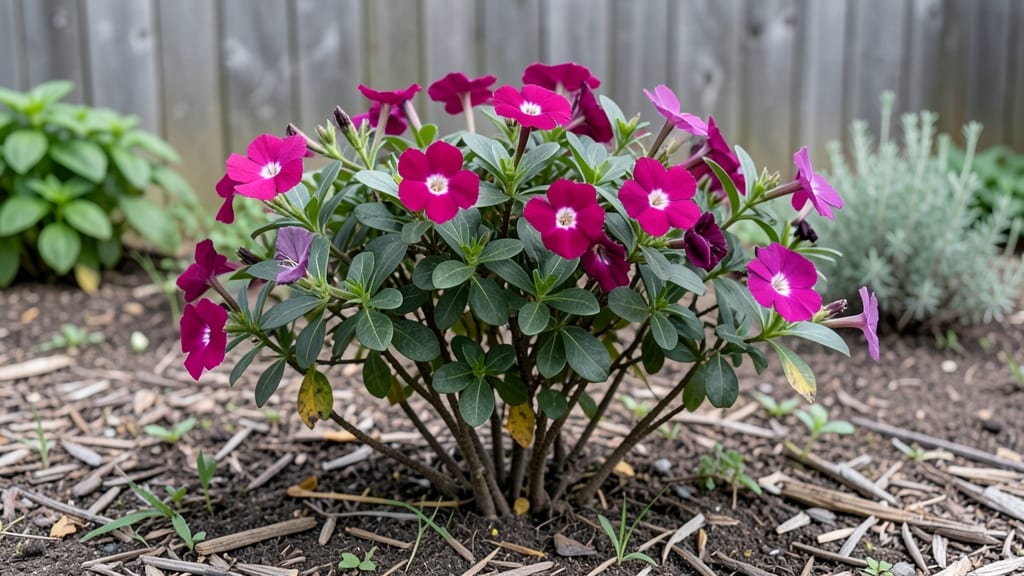
Growing regal bird of paradise flowers (Celosia argentea var. plumosa) in Pacific Northwest zones feels like bringing a burst of tropical drama to your garden. 🌿 Their feathery plumes sway in the breeze, defying the cool maritime climate—something I learned after my first attempt nearly froze in Portland.
The key isn’t just the right soil or sunlight; it’s understanding how to coax these heat-loving plants into thriving despite our damp summers and chilly winters.
The secret lies in container growing or raised beds with excellent drainage, paired with a warm-season schedule that starts seeds indoors by late March.
You’ll need well-draining potting mix, a sunny spot (at least 6 hours of direct light daily), and patience—these plants reward bold care with vibrant plumes that last from midsummer through fall. The first flush of color arrives around July, and with proper pruning, they’ll rebloom until frost.
What makes them worth the effort? Their velvety textures and jewel-toned hues—deep reds, fiery oranges, and even silvery whites—create a focal point no other annual can match.
Even in Zone 8, where summers are milder, they’ll perform best when protected from evening fog and given a light mulch to retain warmth. The trade-off? They’re annuals, but their dramatic presence makes them feel like perennial stars.
Whether you’re growing them in pots for patio drama or in garden beds for height, the same care rules apply: consistent moisture, regular deadheading, and protection from wind.
I’ve seen them survive our 50°F nights when tucked under row covers—proof that with the right adjustments, even PNW gardens can host these tropical showstoppers. Ready to try?
📚 In This Guide
- What you need
- Instructions
- Tips and common mistakes
- Wrapping up and next steps
What you need
- ● Regal bird of paradise plant: 1 mature plant (zones 9-11 hardy, but can be grown in containers indoors or in greenhouses in cooler zones)
- ● OR 1 packet of seeds (germination can take 3-6 months—patience is key!)
- ● Well-draining potting mix: 2-3 gallons (look for a blend labeled for tropical or large foliage plants)
- ● Large container or garden bed: Minimum 12-inch depth and 18-inch diameter for pots (larger is better!)
- ● For in-ground planting: Ensure full sun exposure (6+ hours/day) and sheltered from strong winds.
- ● Slow-release fertilizer: 1 cup (for planting) + 1 tbsp monthly during growing season (spring-summer)
- ○ Mulch (optional but recommended): 2-3 inches of organic mulch (e.g., bark or pine needles) to retain moisture.
- ● Garden trowel or shovel (for planting)
- ● Watering can or hose with gentle spray nozzle (avoid soggy soil!)
- ● Pruning shears (for trimming dead leaves or spent blooms)
- ○ Gloves (optional) – The plant’s leaves can be sharp!
- ● Greenhouse or indoor growing space (for PNW zones 8 and below): Grow lights (12-14 hours/day) OR a sunroom with bright, indirect light.
- ○ Humidity tray (optional) to mimic tropical conditions.
Step-by-Step guide to growing regal bird of paradise in Pacific Northwest climates
Here's how to cultivate this striking tropical beauty—where to place it, how to care for it, and when to expect those showstopping blooms.
🌱 Step 1: Select the Perfect Spot with Sheltered Sunlight
Regal Bird of Paradise (Strelitzia reginae) thrives in bright, indirect light—think morning sun with afternoon shade in PNW’s zones 9-11. A south- or west-facing patio, greenhouse, or sunroom works best. If outdoors, position it near a building wall or under high-canopy trees to shield from harsh afternoon sun, which can scorch the large, glossy leaves.
I always test the spot first: Place the plant in the location for a full day. If leaves show yellowing or crispy edges by evening, move it farther from direct sun. In cooler PNW summers, it can handle 3-4 hours of direct sun, but the goal is to mimic its native subtropical forest understory—bright but diffused.
🪴 Step 2: Plant in Well-Draining, Moisture-Retentive Soil
Use a loamy, well-draining potting mix (equal parts peat moss, perlite, and compost) in a container with drainage holes. The roots despise soggy soil, but they also need consistent moisture—think of it as a sponge that stays damp but never waterlogged. Amend garden soil with 20% perlite or orchid bark to improve aeration if planting outdoors.
When repotting, choose a container 2-3 inches larger in diameter than the root ball—too big and the soil stays too wet. I like to top-dress with a 1-inch layer of orchid bark to mimic its natural habitat and reduce evaporation. Water thoroughly after planting, then let the top ½ inch of soil dry before watering again.
☀️ Step 3: Water Deeply and Maintain High Humidity
Water when the top 1-2 inches of soil feel dry—this plant signals thirst by drooping leaves. In summer, that’s every 5-7 days; in winter, every 10-14 days. Always water at the base to avoid fungal issues on the large leaves. Overwatering is the #1 killer—yellowing leaves or mushy stems mean you’re drowning the roots.
Humidity is critical. In dry PNW winters, place the pot on a pebble tray with water or use a humidifier nearby. Misting helps, but avoid wetting the leaves—this encourages bacterial leaf spot. You’ll know humidity is right when new leaves emerge plump and glossy, not curled or brown-tipped.
⏰ Step 4: Fertilize and Prune for Blooms
Feed every 4-6 weeks in spring/summer with a balanced liquid fertilizer (10-10-10) diluted to half strength. Stop fertilizing in fall/winter—resting promotes blooms. I also add a slow-release granular fertilizer at planting time for steady nutrition. Blooms appear on mature plants (3+ years old) in late winter/early spring, triggered by longer daylight hours and consistent care.
Prune only to remove dead or yellowed leaves at the base. Never cut back healthy foliage—this plant grows from the base, and aggressive pruning stunts growth. After blooming, snip spent flower stalks just above the next leaf node to redirect energy to new growth. Watch for new growth at the base—that’s your sign the plant is happy and ready for another bloom cycle.
Tips & tricks for perfect regal bird of paradise growth
Real talk: Growing this tropical stunner in the PNW takes a few key adjustments to mimic its native habitat. Here's how to avoid common pitfalls and get those showstopping blooms.
Lighting Strategy: In Step 1, when testing your spot, pay attention to the 3-4 hours of direct sun guideline—this is your sweet spot. If your patio gets intense afternoon sun, move the plant closer to a shaded wall or use a sheer curtain to diffuse harsh rays. I've seen leaves crisp up in just 2 hours of unfiltered midday sun, so don't rush the placement test. The goal is bright but filtered light, like dappled forest sunlight.
Soil Science: For Step 2, the loamy mix of peat moss, perlite, and compost is non-negotiable, but here's the pro move: Add a handful of worm castings to that mix. The beneficial microbes in castings help prevent root rot while providing gentle, continuous nutrition. When repotting, that 1-inch layer of orchid bark on top isn't just decorative—it creates an insulating layer that maintains even moisture without compacting.
Watering Wisdom: Step 3's top 1-2 inches dry rule is perfect, but here's what nobody tells you: Use your finger to check moisture at soil level, not just the surface. The top inch can dry faster, especially in containers. Also, always water in the morning—this gives leaves time to dry before evening, reducing fungal risks. I've lost count of plants saved by this simple morning routine alone.
Bloom Trigger: For Step 4, the 4-6 week feeding schedule works, but here's the secret: Stop fertilizing by mid-August to encourage dormancy. This resting period is what triggers those spectacular late winter blooms. Think of it like preparing for a big performance—you need that downtime to shine at your best.
Pro Tips for Regal Bird Flower
- Real talk: Growing this tropical stunner in the PNW takes a few key adjustments to mimic its native habitat.
- Lighting Strategy: In Step 1, when testing your spot, pay attention to the 3-4 hours of direct sun guideline—this is your sweet spot.
- Soil Science: For Step 2, the loamy mix of peat moss, perlite, and compost is non-negotiable, but here's the pro move: Add a handful of worm castings to that mix.
Frequently asked questions
Got questions about nurturing your regal bird of paradise flower (Caesalpinia pulcherrima) in the Pacific Northwest? You’re not alone! Here are answers to the most common queries—because even tropical beauties need a little extra TLC in cooler climates.
Can regal bird of paradise flowers survive winter in zones 7-9?
Yes, but with strategic care! These tropical divas are semi-hardy to zone 8—they’ll tolerate brief dips to 25°F (-4°C) if protected. In zones 7 or cooler, grow them in containers and move them indoors (or under a porch) when temps drop below 40°F (4°C). Mulch heavily and wrap pots in burlap for extra insulation.
How often should I water my regal bird of paradise?
Water deeply but infrequently—aim for 1-2 inches per week, letting the top 2-3 inches of soil dry out between waterings. Overwatering is the #1 killer! In the PNW’s wet winters, reduce frequency to avoid root rot. Morning watering is best to prevent fungal issues. Pro tip: Check soil moisture with your finger—don’t rely on a schedule!
Why aren’t my regal bird of paradise flowers blooming?
Blooms need full sun (6+ hours/day) and warmth—PNW’s cool summers can stunt flowering. If your plant is leafy but no flowers, try:
- Moving it to the sunniest spot (even a south-facing window indoors).
- Fertilizing with a low-phosphorus bloom booster (like 10-10-10) in spring/summer.
- Pruning spent blooms to encourage new growth.
Are there drought-tolerant alternatives to regal bird of paradise?
If you love vibrant tropical flowers but want low-maintenance PNW-friendly picks, try:
- Butterfly Bush (Buddleia) – Drought-tolerant, attracts pollinators.
- Canna Lilies – Thrives in heat/wet, hardy to zone 7.
- Plumbago – Blue flowers, drought-resistant once established.
- Hibiscus (Tropical or Hardy) – Some varieties handle PNW summers well.
What pests should I watch for on regal bird of paradise?
Keep an eye out for:
- Aphids (sap-sucking pests on new growth)—blast off with water or use neem oil.
- Spider mites (tiny webs on undersides of leaves)—increase humidity and spray with soapy water.
- Scale insects (bumpy brown spots)—scrub with rubbing alcohol on a cotton swab.
Wrapping up and next steps
The Regal Bird of Paradise flower isn’t just a stunning tropical beauty—it’s a symbol of resilience and elegance that can thrive even in the Pacific Northwest’s cooler climates with the right care.
By gathering the right materials, understanding its unique needs, and troubleshooting common challenges, you’re well on your way to cultivating a showstopping centerpiece for your garden or home. 🌿
Ready to bring a taste of the tropics to your space? Start small—whether it’s a single pot or a dedicated garden bed—and watch your Regal Bird of Paradise bloom with confidence. Happy gardening! 🌺