Planting
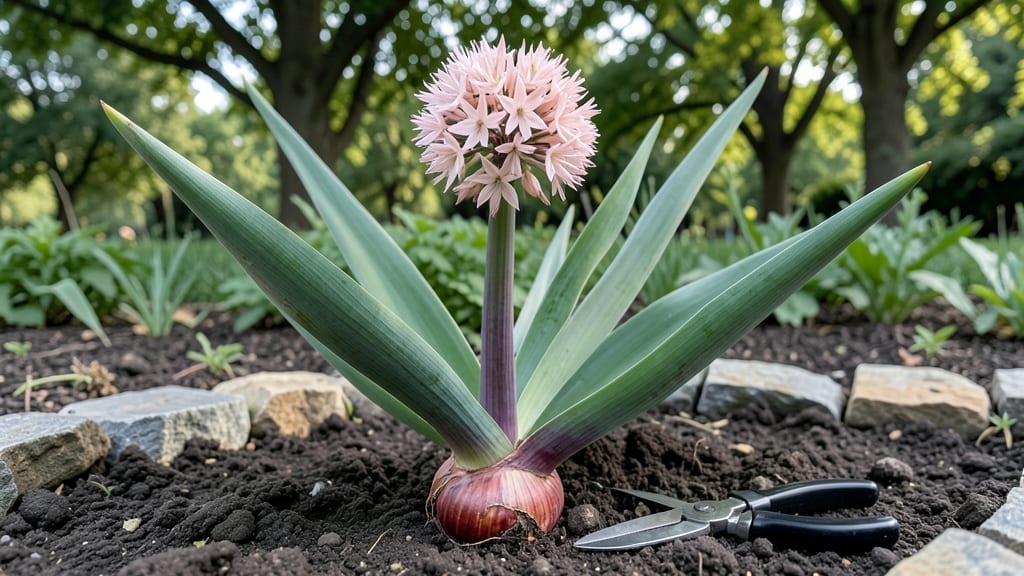
When your red onion plants send up those first delicate flower stalks, it’s not a sign to panic—it’s an invitation to work with nature. 🌱 I’ve watched my own onions bolt in late spring, only to discover that with the right approach, you can actually guide those blooms to produce seeds or save your harvest, depending on what you want.
The key lies in understanding why onions flower in the first place: heat stress, age, or even overcrowding can trigger that sudden shift from bulb-building to seed-producing mode.
Most gardeners assume bolting means game over for their harvest, but that’s not always true. If you’re growing onions for seed, let them flower—those papery white blooms will turn into seed heads you can save for next year.
For bulb production, though, you’ll need to act fast: thin crowded plants, adjust watering, or harvest the smaller bulbs before they send up stalks. The goal is simple: match your approach to whether you’re after seeds or dinner-table onions.
What you’ll end up with is a garden where onions either thrive as bulbs or reliably produce seeds, depending on your needs. The flowers themselves add unexpected beauty to the garden, and even if you lose some bulbs, you’ll gain valuable knowledge for next season.
Plus, those seed heads attract pollinators—bonus for the ecosystem! The real magic happens when you recognize bolting as a natural process you can work with, not against.
This works whether you’re growing in full sun or partial shade, in containers or in-ground—just adjust your timing and expectations. The difference between a frustrating season and a productive one often comes down to how quickly you respond. Let’s turn those flower stalks into an advantage, not a setback.
📚 In This Guide
- What you need
- Instructions
- Tips and common mistakes
- Wrapping up and next steps
What you need
- ● Red onion bulbs or sets: Choose Allium cepa varieties like 'Red Creole,' 'Red Baron,' or 'Stuttgarter'—known for their hardiness and tendency to bolt (flower) in warm climates. Quantity: 10–20 bulbs/sets (depending on garden size).
- ● Well-draining potting mix or garden soil: Amend with compost (20–30% organic matter) for fertility. Specs: pH 6.0–7.0.
- ○ Containers (optional but helpful): 6–8" pots with drainage holes if growing in pots. Material: Terracotta or fabric grow bags.
- ● Slow-release fertilizer: Balanced 10-10-10 or organic options like fish emulsion. Amount: 1 tbsp per plant.
- ● Mulch: Straw or shredded leaves to retain moisture and regulate soil temp.
- ● Garden trowel or small hand shovel for transplanting.
- ● Watering can or hose with a gentle spray nozzle (avoid overhead watering to prevent disease).
- ● Pruning shears (for trimming flower stalks if needed).
- ● Sunlight access: 6+ hours of full sun daily (critical for flowering and bulb development).
- ● Climate awareness: Red onions bolt (flower) in temperatures above 80°F (27°C)—plan for cooler seasons or shade cloth if in hot zones.
- ● Shade cloth (30–50%) to protect plants from extreme heat.
- ● Epsom salt (magnesium sulfate) for greener foliage (1 tbsp per gallon of water, monthly).
- ● Pollinator-friendly flowers (like marigolds) nearby to attract bees if you want seeds.
Step-by-Step guide to encouraging red onion flowers without losing your harvest
Here's how to coax those pretty onion blooms while keeping your bulbs flavorful.
🌱 Step 1: Identify and Select Your Onion Varieties
Not all onions will flower reliably. Choose short-day onion varieties like 'Red Creole' or 'Candy Apple'—they're more likely to bolt and produce flowers. Long-day onions (like 'Yellow Sweet Spanish') focus on bulb development and rarely flower unless conditions stress them.
Look for healthy plants with thick stems and deep green leaves. Avoid any with yellowing tips or thin stalks—those won't produce strong flowers. I always pick the most vigorous plants from my garden for flowering, as they'll have the energy to support both bulbs and blooms.
☀️ Step 2: Adjust Light Exposure to Trigger Blooming
Onions need 12-14 hours of daylight to initiate flowering. If your plants get less than 12 hours, extend their light with a grow light for 2-3 hours in the evening. Place the light 6-12 inches above the plants so they don't stretch toward it.
Watch for taller stems and thicker leaves—this means the plants are responding to the extra light. I usually start this adjustment in early spring when days lengthen naturally, but indoor grow lights work year-round. Avoid over-lighting, though; too much can cause the plants to focus solely on flowers and neglect bulb development.
💧 Step 3: Manage Water and Fertilizer for Dual Growth
Reduce watering slightly once you see flower stalks forming—let the top inch of soil dry out between waterings. Overwatering encourages leafy growth at the expense of flowers. Use a moisture meter to check; the reading should be in the 40-50% range for optimal blooming.
Switch to a low-nitrogen fertilizer (like 5-10-10) once flower stalks appear. High nitrogen makes plants focus on leaves, not blooms. I fertilize lightly every 3-4 weeks with half the recommended dose. Stop fertilizing completely once flowers open to let the plant direct energy to seed production.
✂️ Step 4: Prune and Support Flowering Stalks
Once a flower stalk reaches 6-8 inches tall, gently tie it to a small stake with soft twine. This prevents the heavy flower head from snapping the stem. Avoid pruning any leaves—even yellowing ones—unless they're more than 25% damaged, as the plant needs all its foliage to support both bulbs and flowers.
If multiple stalks emerge, leave the strongest, straightest one and prune the others at the base. Weak stalks won't produce viable seeds and drain energy from the bulb. I always check for pests like onion flies during this stage—remove any infested stalks immediately to protect the rest of the plant.
⏰ Step 5: Harvest Seeds and Save Bulbs
Once flower heads turn brown and papery, cut them off and place them in a paper bag with holes to dry. Shake the bag daily to release seeds. Store dried seeds in an airtight container in a cool, dark place. These seeds will produce onions similar to the parent plant—ideal for saving heirloom varieties.
For the bulbs, stop watering entirely once the flower stalk appears. Let the leaves yellow and die back naturally. Carefully dig up bulbs when the tops are completely brown, then cure them in a dry, shaded area for 2-3 weeks before storing. You'll still get flavorful onions, just slightly smaller than if you'd prevented flowering.
Tips & tricks for perfect red onion blooms
Here's what nobody tells you about balancing flowers and flavor in your onion harvest.
Variety Matters: In Step 1, when selecting your short-day varieties like 'Red Creole', look for plants with the thickest stems at the base—these are your winners. I've found that the plants with the most vibrant purple streaks in their leaves tend to produce the most dramatic flower colors too. The key is choosing plants that show vigor in both stem thickness and leaf color right from the start.
Light Timing Tricks: For Step 2, if you're using grow lights to extend daylight to 12-14 hours, position them just above the tallest leaves so they don't stretch toward the light. I've had the best results with a simple LED grow light on a timer—set it for 2-3 hours in the evening and let it run automatically. Watch for leaves that start growing toward the light; if this happens, raise the light another inch or two immediately.
Water Wisdom: During Step 3, when you're letting the top inch of soil dry between waterings, use your finger to check moisture rather than relying on a schedule. The soil should feel slightly dry but not bone-dry when you insert your finger about an inch deep. I've learned the hard way that overwatering at this stage can completely prevent flowering while still producing small, pithy bulbs that lack flavor.
Pruning Precision: In Step 4, when pruning multiple flower stalks, don't just cut them at the base—leave about a half-inch of stem attached. This helps prevent disease from entering the plant through fresh cuts. I also recommend using soft floral twine instead of regular twine when staking—it's gentler on the stems and less likely to cut into them as they grow.
Pro Tips for Red Onion Plant Flower
- Here's what nobody tells you about balancing flowers and flavor in your onion harvest.
- Variety Matters: In Step 1, when selecting your short-day varieties like 'Red Creole', look for plants with the thickest stems at the base—these are your winners.
- Light Timing Tricks: For Step 2, if you're using grow lights to extend daylight to 12-14 hours, position them just above the tallest leaves so they don't stretch toward the light.
Frequently asked questions
Got questions about those pretty (but sometimes frustrating!) red onion plant flowers? You’re not alone! Here are answers to the most common queries—so you can enjoy both blooms and harvests without stress.
Why does my red onion plant flower before it bulbs?
Onions flower when they sense long daylight hours (14+ hours of light) or if they’re planted too early in warm climates. Short-day onions (like most red varieties) need cool weather and shorter days (10–12 hours of light) to bulb properly. If yours bolts early, try planting in fall for a spring harvest or choose bolt-resistant varieties like ‘Red Baron’.
Can I still harvest onions if they flower?
Yes! If your onions flower after bulbing, you can still harvest the bulbs—just trim the flower stalk to redirect energy to the root. For green onions, snip leaves above the bulb and let the plant regrow. If flowers appear before bulbing, the harvest may be smaller, but don’t toss them—cook them down for soups or sauces!
How do I prevent red onion flowers from ruining my harvest?
Prevention starts with timing and variety:
- Plant at the right time: Sow seeds or sets 6–8 weeks before your average last frost for cool-season growth.
- Choose bolt-resistant varieties: Look for ‘Red Wing’ or ‘Trooping’—they’re slower to flower.
- Use shade cloth: If days get too long, cover seedlings with 30–50% shade cloth to trick the plant into thinking it’s cooler.
- Avoid over-fertilizing with nitrogen: Too much can encourage leafy growth over bulbs.
Are red onion flowers edible?
While the bulbs are the star, the flowers, stems, and immature seed pods are edible and packed with flavor. Use them in:
- Garnishes: Sprinkle petals on salads or soups for a peppery kick.
- Pickled onions: Thinly slice stems and flower stalks for tangy pickles.
- Infusions: Steep flowers in vinegar or oil for homemade seasonings.
- Stir-fries: Sauté young flower stalks like scallions.
What can I do with leftover onion seeds after the flowers fade?
Don’t toss those dried seed pods! Store them in a cool, dark place for up to 2 years to replant. You can also:
- Save seeds for next year’s crop (though hybrid varieties may not be true to type).
- Use them in crafts: String dried pods for ornamental garlands or potpourri.
- Compost them—they’ll break down into nutrient-rich soil.
Wrapping up and next steps
Growing red onion plant flowers doesn’t have to mean the end of your harvest—it’s all about balance! By understanding their natural cycle, providing the right care, and making smart adjustments like thinning or harvesting flower stalks early, you can enjoy both blooms and a bountiful crop.
Whether you’re a seasoned gardener or just starting, these tips empower you to nurture your onions while embracing their beauty.
Ready to put your newfound knowledge into action? Start by monitoring your plants this season—watch for those first signs of flowering and take proactive steps to guide their growth. Happy gardening! 🌱💛