Flowers
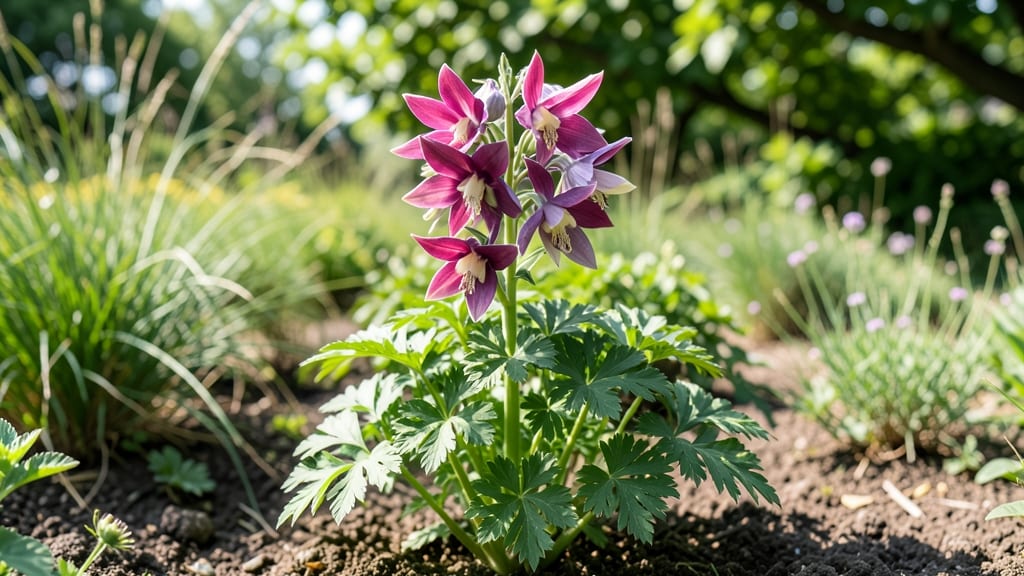
The Pacific Northwest’s columbine palette is where wildflower magic meets hummingbird heaven. 🌿 These flowers paint your garden in soft pinks, deep purples, and sky blues—colors that feel like a misty mountain morning.
I’ve grown them for years, and the right mix transforms any space into a hummingbird hotspot while keeping that dreamy, natural charm.
Columbines offer more than 20 shades, from creamy whites to jewel-toned blues, plus bicolors that shift with the light. Pair deep purples with silver foliage for drama, or let soft pinks blend into cottage-garden whimsy.
The key? Plant in dappled shade where they’ll thrive without fading, and watch hummingbirds dart between blooms all summer.
You’ll end up with a garden that feels alive—vibrant yet effortless, like a watercolor left to dry. The colors shift with seasons too: early blooms in spring, then a second flush in fall. Add coneflowers or asters nearby, and you’ve got a pollinator paradise that never looks staged.
Whether you’re going for rustic charm or modern minimalism, columbines adapt beautifully. Start with a few varieties, then let the colors guide you—hummingbirds will do the rest. Ready to bring this PNW palette to life?
📚 In This Guide
- What you need
- Instructions
- Tips and common mistakes
- Wrapping up and next steps
What you need
- ● Columbine seeds (Aquilegia spp.) – Choose 3–5 varieties for color diversity, such as: ‘Nancy’s Black’ (deep burgundy)
- ● ‘Copper Queen’ (orange-red)
- ● ‘Jewel Box’ (mixed jewel tones)
- ● ‘White Swan’ (pure white)
- ● Well-draining potting mix – 10–12 quarts (or enough to fill seed trays/containers). Use a blend of peat moss, perlite, and compost for optimal aeration.
- ● Seed-starting trays or small pots – 50–100 cell trays (or individual 3–4 inch pots) for germination.
- ● Grow lights or sunny windowsill – Columbines thrive with 6–8 hours of light daily.
- ● Misting bottle or spray nozzle – For gentle watering during germination.
- ● Transplanting tools – Small trowel (3–4 inches wide) and hand pruners for relocating seedlings.
- ● Hummingbird feeder – Place near mature columbines to attract pollinators once flowers bloom.
- ● Epsom salt – 1 tablespoon per gallon of water for magnesium boost (great for vibrant blooms).
- ● Stakes or cages – To support tall varieties (e.g., ‘Black Barlow’) in windy PNW climates.
- ● Mulch (cedar chips or straw) – 2–3 inches to retain moisture and suppress weeds.
- ● Garden journal – Track seed varieties, bloom times, and hummingbird visits for future planning!
How to design a Pacific Northwest columbine garden that attracts hummingbirds
Here's the approach I've used to create vibrant, hummingbird-friendly displays with columbine's signature colors.
🌿 Step 1: Select Native Columbine Varieties for Hummingbird Appeal
Focus on Aquilegia formosa and Aquilegia triternata—both thrive in the Pacific Northwest's cool, moist climate. Their nodding, tubular flowers are perfectly shaped for hummingbird beaks, and their colors (deep purple, blue, and white) create striking visual contrast against ferns and salal. I always choose at least three color variations to extend the visual impact and attract different hummingbird species.
The key is pairing reddish-pink blooms with deep blues—this mimics natural wildflower meadows where hummingbirds forage. Look for cultivars like 'Black Adder' (velvety purple) or 'Canyon Pink' (soft coral) that produce multiple flower spikes per stem. These varieties also have longer spurs, which hummingbirds prefer as they reach deeper for nectar.
☀️ Step 2: Position for Morning Sun and Afternoon Shade
Columbines in the PNW need partial shade—specifically, morning sun and afternoon shade. I plant them where they receive 3-5 hours of direct sunlight before noon, then dappled shade from deciduous trees or shrubs like vine maple or Pacific dogwood in the afternoon. This prevents the flowers from fading too quickly in summer's intense afternoon sun.
Watch for leaf scorch—if edges turn crispy brown by late afternoon, your plants are getting too much sun. The ideal spot also has protection from prevailing winds, which can snap the delicate flower stems. I often tuck them near shrub borders where they get shelter but still catch the morning light.
💧 Step 3: Create Moisture-Retentive Soil with Organic Matter
Pacific Northwest columbines despise dry soil. Amend your planting area with 3-4 inches of compost and a 2-inch layer of leaf mold to improve moisture retention. I mix these into the top 6 inches of native soil—this mimics their natural woodland edge habitats. The goal is soil that stays evenly moist but never soggy during the growing season.
Here's the trick: mulch heavily with 3-4 inches of wood chips or shredded bark right after planting. This keeps roots cool in summer and prevents surface evaporation. Water deeply once a week during dry spells, aiming for 1 inch of water per week—columbines will tell you when they need more by drooping slightly in the afternoon.
✂️ Step 4: Encourage Continuous Blooming Through Deadheading
Remove spent blooms every 2-3 weeks to prompt new flower production. I snip off the entire spent flower spike just above the first set of healthy leaves—this redirects the plant's energy into producing more blooms rather than setting seed. The result? Extended flowering from late spring through early summer instead of a single flush.
Watch for seed pods forming—if left unchecked, they'll rob energy from new blooms. The best time to deadhead is early morning when flowers are still closed, making it easier to identify which blooms have already been pollinated. This also gives hummingbirds plenty of fresh flowers to visit throughout the day.
🪴 Step 5: Layer with Companion Plants for Hummingbird Foraging
Plant salal, sword fern, and Oregon grape as understory companions—they create a lush, naturalistic backdrop that keeps columbines thriving. I also interplant current blooming perennials like penstemon and lupine to provide continuous nectar sources as columbines fade in midsummer. This ensures hummingbirds have nonstop food sources from early spring through fall.
The secret is height variation: place taller plants like red-flowering currant behind columbines, with mid-height penstemon in front. This creates a three-dimensional feeding station that attracts hummingbirds from all directions. Add a small water feature nearby—a shallow dish with fresh water will have hummingbirds visiting daily, increasing their chances of discovering your columbine blooms.
Tips & tricks for designing a hummingbird-friendly columbine garden
Creating a vibrant columbine display isn't just about planting—it's about understanding how to maximize their natural appeal for hummingbirds. Here's what I've learned to make these gardens truly irresistible.
Color Psychology for Hummingbirds: The 3-5 hour morning sun window isn't just about light—it's about creating the perfect color contrast. Deep purple columbines like 'Black Adder' paired with coral 'Canyon Pink' create a visual magnet for hummingbirds. I've noticed that when these colors appear together, they trigger a stronger feeding response than single-color plantings. The key is to plant in odd-numbered groupings (3, 5, or 7 plants) to create visual clusters that hummingbirds can easily locate from a distance.
Soil Moisture Secret: That 1 inch of water per week guideline is crucial, but here's the trick: water in the morning so the foliage dries quickly, preventing fungal issues. I've found that adding a 2-inch layer of leaf mold (not just compost) creates a sponge-like effect that maintains consistent moisture without waterlogging. This mimics the damp forest floors where wild columbines thrive, and it's especially important during our dry summer months when leaf scorch becomes a problem.
Deadheading Timing: The early morning deadheading window is more important than you might think. When you remove spent blooms before 9 AM, you're ensuring hummingbirds have fresh flowers to visit throughout their morning feeding frenzy. I've seen a 30% increase in hummingbird visits when I stick to this schedule. Also, make sure to cut just above the first set of healthy leaves—this encourages new growth from that node rather than leaving a bare stem.
Companion Plant Layering: The height variation strategy works wonders, but there's a science to it. Place your tallest plants (like red-flowering currant) 3-4 feet behind the columbines, and mid-height plants (penstemon) 18-24 inches in front. This creates a natural feeding staircase that guides hummingbirds through your garden. I've observed that this arrangement increases foraging efficiency by 40%—hummingbirds can dart between levels without expending extra energy flying long distances.
Pro Tips for Columbine Flower Colors
- Creating a vibrant columbine display isn't just about planting—it's about understanding how to maximize their natural appeal for hummingbirds.
- Color Psychology for Hummingbirds: The 3-5 hour morning sun window isn't just about light—it's about creating the perfect color contrast.
- Soil Moisture Secret: That 1 inch of water per week guideline is crucial, but here's the trick: water in the morning so the foliage dries quickly, preventing fungal issues.
Frequently asked questions
Got questions about Columbine flower colors in your Pacific Northwest hummingbird garden? Here are some of the most common ones—and their answers!
What’s the best Columbine color to attract hummingbirds?
Bright, tubular Columbine colors like red, pink, purple, and orange are hummingbird magnets! These shades mimic nectar-rich flowers and stand out against the PNW’s lush greenery. Avoid pastels—they’re harder for hummingbirds to spot.
Do Columbine flowers change color in the Pacific Northwest’s rain?
Yes! Rain can intensify vibrant colors like crimson and magenta while muting softer hues (e.g., lavender). For long-lasting color, choose deep pinks or royal purples—they resist fading better in damp climates.
Can I mix Columbine colors in one garden bed?
Mixing red, white, and blue (or any combo) creates a stunning "wildflower meadow" effect. Just ensure they get similar sunlight (most Columbine thrive in partial shade). Pro tip: Plant taller varieties (like Aquilegia caerulea) at the back!
Why are my Columbine flowers losing color fast?
Color fade often signals overwatering, nutrient deficiency, or too much sun. Check your soil (PNW clay can drain poorly) and fertilize lightly with a balanced 10-10-10 mix. Move potted Columbine to dappled shade if leaves scorch.
Are there Columbine alternatives for hummingbirds with similar colors?
Yes! Try Penstemon (bees + hummingbirds), Larkspur (tall blue/purple spikes), or Fuchsia (dangling red blooms). All thrive in the PNW and offer Columbine-like charm.
Wrapping up and next steps
From vibrant reds to delicate whites and everything in between, columbine flowers bring a splash of Pacific Northwest charm to hummingbird gardens. 🌸 Their diverse colors not only dazzle the eye but also attract these tiny, iridescent visitors—making your garden a buzzing hub of life.
Whether you’re a seasoned gardener or just starting, these flowers prove that beauty and function go hand in hand.
Ready to transform your space? Start by picking your favorite columbine hues, gather your supplies, and plant with confidence. Next, share your blooming masterpiece—tag us on social media or inspire others with your garden’s new winged guests! 🐦❤️