
Flowers
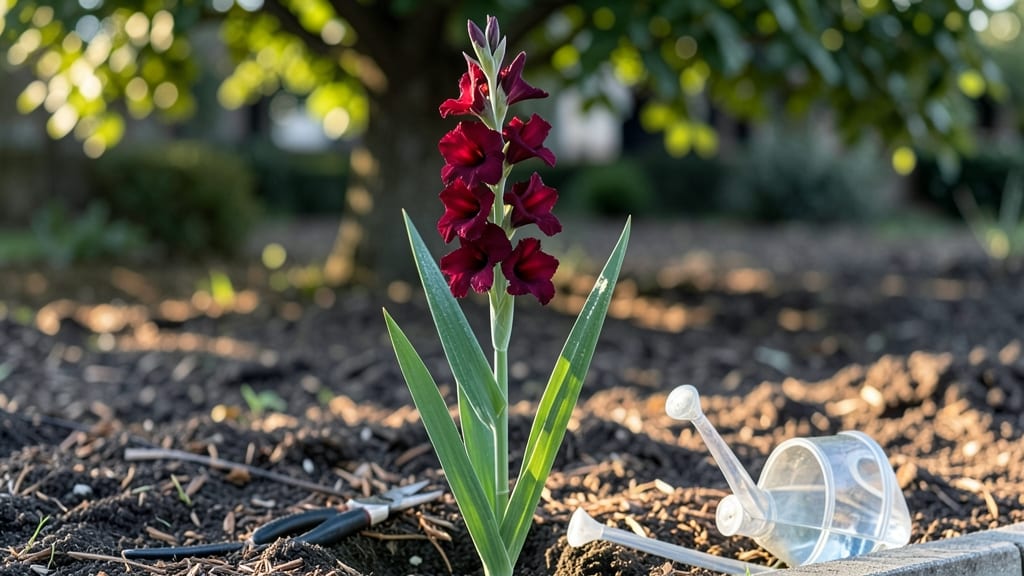
Red gladioli flowers bring stunning vertical drama to gardens, and in the Pacific Northwest’s cooler climate, they thrive with the right care. 🌸 I planted my first batch last summer after struggling with floppy blooms—until I learned their secrets.
These bold blooms need consistent moisture and well-draining soil to stand tall, especially in our region’s damp summers.
The key to success starts with rich, slightly sandy soil mixed with compost. Plant corms in spring after the last frost, spacing them 6 inches apart and 4 inches deep—deeper in heavier clay soils.
They crave full sun, but in hot afternoons, a bit of afternoon shade helps prevent wilting, which is critical in our humid summers.
By midsummer, you’ll see sword-like foliage emerging, followed by vibrant red spikes that add height and drama to any border. Regular watering at the base keeps blooms full and prevents fungal issues. A balanced fertilizer every 4-6 weeks ensures those dramatic blooms stay bold and healthy.
Once flowering ends, leave the foliage until frost—it feeds next year’s blooms. In fall, dig up corms, dry them, and store in a cool, dark place for replanting. With this care, your red gladioli will return year after year, becoming the showstopper of your Pacific Northwest garden.
📚 In This Guide
- What you need
- Instructions
- Tips and common mistakes
- Wrapping up and next steps
What you need
- ● Red gladioli bulbs (corms): 10–20 bulbs (choose varieties like 'Pictorial,' 'Primula,' or 'Osprey' for vibrant red blooms).
- ● Well-draining potting mix or garden soil: Amend with compost (1 part compost to 3 parts soil) for nutrient-rich growth.
- ○ Planting containers (optional for raised beds): 6–12" deep pots with drainage holes (if not planting directly in the ground).
- ● Slow-release fertilizer (10-10-10 or bulb-specific): 1–2 tbsp per bulb to kickstart growth.
- ● Watering can or hose with gentle spray nozzle: Gladioli need consistent moisture but hate soggy roots.
- ● Stakes or plant supports: 3–4 ft bamboo stakes or metal cages (1 per 3–5 bulbs) to prevent flopping.
- ● Organic mulch (straw or shredded leaves): 2–3 inches to retain moisture and regulate soil temp.
- ● Hand trowel or garden fork: For digging planting holes (6" deep, 6" apart in rows).
- ○ Gloves (optional but recommended): To protect hands from sharp corm edges.
- ● Pruners or sharp scissors: For trimming dead foliage post-bloom.
- ● Sunlight access: Full sun (6+ hours/day)—critical for vibrant red blooms!
- ● Pacific Northwest-specific prep: Test soil pH (aim for 6.0–7.0); amend with lime if needed.
- ● Epsom salt (1 tbsp per gallon of water) for magnesium boosts.
- ● Floral wire or ribbon for arranging cut stems.
- ● Disease-resistant spray (e.g., neem oil) for fungal prevention in humid climates.
- ● Garden journal to track blooming times and bulb performance!
How to grow stunning red gladioli in Pacific Northwest gardens
Here's how I transform Pacific Northwest gardens into vertical floral masterpieces with bold red gladioli.
🌱 Step 1: Choose the Right Varieties for Your Climate
Pacific Northwest gardeners should select late-blooming gladioli varieties that thrive in cooler summers. Look for red-flowered cultivars like 'Red Beauty' or 'Roter Riese'—these tolerate the region's 55-75°F temperature range better than tropical varieties. I always buy certified disease-free corms from reputable suppliers to avoid fungal issues common in damp climates.
Here's the thing—avoid early-season varieties that bloom before your last frost. They'll rot in the ground. Instead, choose mid-to-late season types that flower in August-September, when PNW summers are warming but not yet baking. The key is selecting corms that match your USDA Zone 7-9 growing conditions.
☀️ Step 2: Plant at the Correct Depth and Timing
Gladioli corms need full sun—at least 6 hours daily—so choose your sunniest spot. In the Pacific Northwest, plant after your last frost date, typically mid-to-late May. I use a trowel to dig holes 4-6 inches deep, spacing them 6 inches apart in rows 18 inches apart for proper air circulation.
Place each corm with the pointy end up—this is non-negotiable. Cover with 2-3 inches of soil, leaving the top exposed. Water immediately after planting to settle the soil. The corm needs to stay dry for 4-6 weeks while roots establish, so don't overwater initially. You'll see green shoots in 3-4 weeks—that's your signal everything's working.
💧 Step 3: Maintain Consistent Moisture and Fertility
Gladioli are thirsty plants but hate soggy soil. Water deeply once weekly, providing 1 inch of water total. In the Pacific Northwest's humid summers, I water in the early morning to prevent fungal diseases. You'll notice wilting in hot afternoons—this is normal, but stems should recover by evening.
Feed with a balanced 10-10-10 fertilizer when shoots reach 6 inches tall, then again when flower buds form. I always side-dress with compost at planting time for slow-release nutrients. Here's the trick: stop fertilizing 6 weeks before first frost—you want the corms to mature properly for next year.
✂️ Step 4: Support and Deadhead for Maximum Impact
Gladioli stems can grow 3-5 feet tall—they need strong stakes or cages to prevent flopping in Pacific Northwest winds. Install supports at planting time so you don't disturb roots later. I use bamboo stakes tied with soft twine to avoid damaging the stems.
Remove spent blooms immediately by cutting the stem just above the next bud. This redirects energy to lower buds and next year's corms. Don't skip this—deadheading encourages longer stems and more flowers. When foliage yellows after flowering, leave it until completely brown before cutting back to allow corms to store nutrients.
🪴 Step 5: Prepare Corms for Next Season
After the first frost blackens the foliage, dig up the corms using a fork. Gently brush off soil and store in a cool, dry place at 40-50°F with good air circulation. I use paper bags with holes in a garage corner—this prevents rot while allowing airflow.
Real talk: Don't store corms in plastic—they'll suffocate. Label each bag with the variety and date. In late winter (February), you can replant the largest corms for next year's display. Smaller corms can be divided and replanted to increase your collection. The Pacific Northwest's mild winters make this an ideal strategy for building your gladioli garden over time.
Tips & tricks for growing stunning red gladioli in Pacific Northwest gardens
These proven strategies will help you cultivate show-stopping red gladioli that thrive in our region's unique climate.
Climate-Smart Selection: For Pacific Northwest gardeners, the 55-75°F temperature range is ideal for late-season varieties like 'Red Beauty' and 'Roter Riese'. These cultivars handle our cooler summers better than tropical types. I've found that certified disease-free corms are worth the investment—they resist the fungal issues that plague damp PNW climates. Look for labels specifying "Zone 7-9 hardy" to ensure compatibility with our growing conditions.
Precision Planting Technique: The 4-6 inch depth specified in Step 2 is crucial—planting too shallow risks exposure to frost, while too deep delays emergence. I've learned to mark my planting holes with a trowel before digging to maintain consistent depth. The 6 inch spacing between corms and 18 inch row spacing creates perfect airflow, preventing the mildew that can ruin a whole bed in our humid summers. Don't forget to leave the top of each corm exposed—this prevents rot while allowing sunlight to encourage early sprouting.
Fertilization Timing: The two feeding windows mentioned—when shoots reach 6 inches and when buds form—are non-negotiable for PNW gardeners. Our cooler summers mean slower nutrient uptake, so I've found that adding compost at planting provides that extra boost. The 6-week pause before first frost is equally important: stopping fertilizers allows the corms to properly store nutrients for next season's growth. I mark my calendar with colored flags to track this critical window.
Pacific Northwest-Specific Support: Those 3-5 foot tall stems need serious support against our region's wind patterns. I've had the most success with bamboo stakes tied with soft twine—they're sturdy enough to handle gusts but gentle enough to avoid damaging the stems. Installing supports at planting time (as mentioned in Step 4) prevents root disturbance later. For extra insurance, I add a second stake when stems reach 18 inches tall, especially in exposed garden locations.
Pro Tips for Red Gladioli Flowers
- These proven strategies will help you cultivate show-stopping red gladioli that thrive in our region's unique climate.
- Climate-Smart Selection: For Pacific Northwest gardeners, the 55-75°F temperature range is ideal for late-season varieties like 'Red Beauty' and 'Roter Riese'.
- Precision Planting Technique: The 4-6 inch depth specified in Step 2 is crucial—planting too shallow risks exposure to frost, while too deep delays emergence.
Frequently asked questions
Got questions about growing red gladioli flowers? You’re not alone!
Here are answers to common queries to help you cultivate stunning vertical blooms in your Pacific Northwest garden.
When is the best time to plant red gladioli in the PNW?
Plant red gladioli corms in early spring (March–April), once soil temperatures reach 50°F (10°C). Avoid late summer planting—cool PNW nights can stunt growth. For extended blooms, stagger plantings every 2–3 weeks!
How often should I water red gladioli, especially in rainy PNW climates?
Water deeply 1–2 times per week (more in summer heat). Red gladioli hate soggy soil—ensure well-draining beds. Mulch with straw to retain moisture and prevent fungal issues like botrytis (common in damp PNW springs).
Can I grow red gladioli from seed, or do I need corms?
Nope! Gladioli are corm-based, not grown from seed. Buy healthy corms from reputable nurseries (like Bare Root Nursery) for vibrant red blooms. Each corm produces 1–3 stalks per season.
Why are my red gladioli leaves turning yellow or wilting?
Yellowing leaves often signal overwatering or fungal diseases (e.g., rust). Wilting can mean underwatering or root rot. Check soil moisture, improve drainage, and remove affected foliage. PNW’s humidity loves fungi—space plants for airflow!
How do I extend the blooming season for red gladioli?
For longer blooms, deadhead spent flowers and fertilize lightly with balanced 10-10-10 every 4 weeks. In cooler PNW areas, choose early-blooming varieties (e.g., ‘Red Beauty’) or plant in south-facing beds for warmth.
Can I replant red gladioli corms in the same spot yearly?
No—rotate corms every 2–3 years to prevent disease buildup. After blooming, dig up corms, trim foliage, and store in a dry, cool place (50–60°F) over winter. Replant the following spring for fresh growth!
Wrapping up and next steps
Red gladioli flowers bring bold, eye-catching drama to Pacific Northwest gardens—perfect for adding height, color, and impact to your landscape. With the right soil, sunlight, and care, these striking blooms will thrive and reward you with months of vibrant beauty.
Whether you're a seasoned gardener or just starting, now is the time to plant and watch your garden transform!
Ready to take the next step? Grab your red gladioli bulbs and start planning your vertical masterpiece today—your garden will thank you! 🌸✨