
Flowers
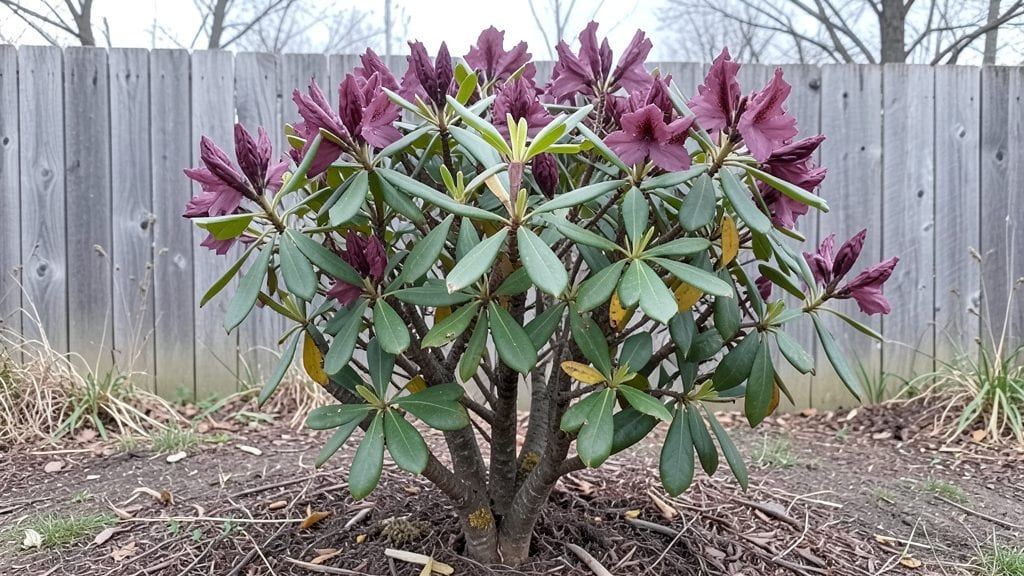
Growing a red-flower rhododendron that thrives in the Pacific Northwest's damp climate is easier than you think—these tough plants reward patience with bold, year-round interest.
I planted my first one after seeing how neighbors' bushes stayed lush through our rainy winters, and now mine bursts with deep red blooms every spring while keeping its glossy leaves all year.
The secret lies in mimicking their natural forest-floor habitat: rich, acidic soil, dappled shade, and consistent moisture without soggy roots.
You'll need a spot with morning sun and afternoon shade—think under large trees or along a north-facing wall—where roots stay cool but leaves get light. The soil must be acidic (pH 4.5-6.0), packed with organic matter like composted leaves or pine needles, and well-draining to prevent rot.
Most nurseries sell pre-mixed rhododendron soil, but you can amend regular soil with peat moss or sulfur if needed. Plant in early spring or fall, giving roots time to establish before extreme weather.
Watering is where many gardeners trip up: these plants hate dry soil but despise soggy conditions too. Aim for 1-2 inches of water per week, checking the top inch of soil before watering—it should feel moist but not wet.
Mulch heavily with wood chips to retain moisture and protect roots from temperature swings. Once established, they're surprisingly low-maintenance, but a light pruning after blooming keeps them tidy and encourages next year's flowers.
Winter care is minimal in the PNW, but young plants benefit from a thick layer of mulch to insulate roots from freeze-thaw cycles. Older bushes handle our wet winters just fine, though heavy snow may bend branches—simply remove it gently.
The real magic happens in late winter when buds swell, signaling the spectacular red blooms to come. With the right spot and care, your rhododendron will become the showstopper of your garden for decades.
📚 In This Guide
- What you need
- Instructions
- Tips and common mistakes
- Wrapping up and next steps
What you need
- ● Rhododendron plants: Choose Rhododendron varieties hardy to USDA Zones 6-8 (e.g., Rhododendron 'Elsie Pendergast' or 'Catawbiense Grandiflorum'). Buy 3-5 plants for a full, vibrant display.
- ● Well-draining acidic soil: Aim for a pH of 4.5–6.0. Mix in peat moss or pine bark fines (5-10 gallons per plant) to improve drainage and acidity.
- ● Organic mulch: Use pine needles, cedar chips, or leaf mold (3–4 inches thick) to retain moisture and mimic natural forest conditions.
- ● Slow-release fertilizer: A rhodo-specific formula (e.g., Osmocote Rhododendron & Azalea) or organic options like fish emulsion (apply in early spring).
- ● Watering can or hose with a gentle spray nozzle: Rhododendrons hate soggy roots—avoid overhead watering to prevent fungal diseases.
- ● Garden gloves (to protect hands from acidic soil).
- ● Hand trowel or small shovel (for planting and soil amendments).
- ● Pruning shears (sterilized with rubbing alcohol).
- ● pH testing kit (to monitor soil acidity).
- ● Sunlight assessment: Ensure your planting spot gets partial shade (3–6 hours of filtered sun daily)—avoid harsh afternoon sun.
- ● Epsom salt (1 tbsp per gallon of water, applied monthly in growing season for magnesium boost).
- ● Moss or ferns (to create a lush, woodland-inspired understory).
- ● Drip irrigation system (for consistent moisture in dry spells).
- ● Fungicide (copper-based) (if your area has a history of Phytophthora root rot).
Step-by-step guide to planting and establishing red flowering rhododendrons
Here’s how to grow thriving, long-lived rhododendrons that burst with color each spring.
🪴 Step 1: Choose the Right Location and Soil
Rhododendrons thrive in partial shade with morning sun and afternoon shade, especially in the Pacific Northwest’s humid climate. Avoid full sun, which scorches leaves and stresses roots. Test your site’s moisture—rhododendrons demand consistently moist, acidic soil (pH 4.5–6.0). If your soil is alkaline, amend it with sulfur or peat moss before planting.
Dig a hole twice as wide as the root ball but only as deep. The top of the root ball should sit 1 inch above ground level—this prevents waterlogging. Loosen the roots slightly if they’re circling in the pot, but don’t tease them apart unless severely compacted. Here’s the thing—rhododendrons hate disturbance, so handle roots gently.
💧 Step 2: Plant and Water for Immediate Stability
Place the rhododendron in the hole, backfill with native soil mixed with 20% peat moss or pine fines for acidity. Press firmly around the edges to eliminate air pockets but avoid compacting the soil. Water deeply right after planting—1 gallon per plant—to settle the root ball and encourage root spread. Mulch heavily with 3–4 inches of pine needles or bark to retain moisture and acidify the soil over time.
Real talk: Overwatering now is better than underwatering. Rhododendrons establish slowly, and consistent moisture prevents transplant shock. Check soil moisture weekly—if the top 2 inches feel dry, water again. Yellowing leaves often signal underwatering, while brown edges mean too much sun or salt buildup from hard water.
☀️ Step 3: Prune and Maintain for Year-Round Health
Prune immediately after flowering to shape the plant and encourage dense growth. Remove dead or crossing branches first, then trim back leggy stems to a bud or lateral branch. Never prune into old wood—rhododendrons bloom on new growth, and severe cuts reduce next year’s flowers. I like to leave a natural, slightly rounded shape; it’s both functional and attractive.
Fertilize lightly in early spring with an acid-loving plant fertilizer (10-10-10 or rhododendron-specific blend). Over-fertilizing burns roots, so follow label rates—usually ½ teaspoon per gallon of water. Monitor for pests like lace bugs or spider mites; a strong spray of water usually dislodges them early. If leaves curl or drop, check for aphids and treat with neem oil if needed.
⏰ Step 4: Adjust Care Through the Seasons
In summer, rhododendrons need even moisture—water twice weekly if rainfall is light. Avoid wetting leaves to prevent fungal diseases like powdery mildew. In fall, reduce watering slightly as temperatures drop, but keep soil moist until the first frost. Mulch again in late fall to protect roots from freezing.
Winter care is minimal: Just ensure the base stays slightly insulated with mulch. If your region gets heavy snow, gently brush it off branches to prevent breakage. Here’s the moment that matters: By year three, a well-established rhododendron will reward you with vibrant red blooms that last weeks. Patience pays off—these plants live for decades with proper care.
Tips & tricks for perfect red flowering rhododendrons
These insider secrets will help you cultivate thriving rhododendrons that flourish in the Pacific Northwest's unique climate.
Soil Preparation: Before planting, conduct a simple pH test using a soil kit available at garden centers. The ideal range of 4.5-6.0 is crucial for these acid-loving plants. If your soil tests higher, incorporate 20% sulfur or peat moss into your native soil mixture. I've found that mixing in pine fines (finely ground pine bark) not only acidifies but also improves drainage, which prevents the root rot that can plague rhododendrons in heavy clay soils.
Planting Technique: When handling the root ball, resist the urge to completely untangle circling roots unless they're severely compacted. Rhododendrons establish best when their roots maintain some natural structure. After placing your plant, press the amended soil firmly around the edges to eliminate air pockets, but avoid compacting the soil itself. This careful balance ensures proper root contact while maintaining good aeration - a critical factor for these moisture-loving plants.
Watering Strategy: The initial 1 gallon of water you give your newly planted rhododendron should be applied slowly to allow thorough penetration. For the first month, I recommend checking soil moisture every 3-4 days rather than relying on a strict schedule. The top 2 inches should remain consistently moist, but never soggy. Yellowing leaves often indicate underwatering, while brown leaf edges suggest either too much sun exposure or salt buildup from hard water - a common issue in Pacific Northwest gardens.
Pruning Insight: When shaping your rhododendron after flowering, focus on creating an open center that allows light and air circulation. This practice not only enhances the plant's natural beauty but also prevents fungal diseases that thrive in dense foliage. Remember that rhododendrons bloom on new growth, so avoid heavy pruning that would remove potential flowering stems. A light hand with your pruners now will reward you with even more vibrant red blooms next season.
Pro Tips for Red Flower Rhododendron
- These insider secrets will help you cultivate thriving rhododendrons that flourish in the Pacific Northwest's unique climate.
- Soil Preparation: Before planting, conduct a simple pH test using a soil kit available at garden centers.
- Planting Technique: When handling the root ball, resist the urge to completely untangle circling roots unless they're severely compacted.
Frequently asked questions
Got questions about growing and caring for your red flower rhododendron? You’re not alone! Here are some of the most common queries from gardeners in the Pacific Northwest—and beyond.
When is the best time to plant a red rhododendron?
Plant your Rhododendron in early fall or late spring when temperatures are mild. This gives roots time to establish before winter or summer stress. Avoid planting in hot, dry months—they need consistent moisture to thrive. If you’re in the PNW, October or April is ideal!
How often should I water my red rhododendron?
Water deeply 1-2 times per week during the first year to encourage root growth. Once established, aim for 1 inch of water per week, more in summer heat. Mulch heavily (3-4 inches) to retain moisture and protect roots. Yellowing leaves? Often a sign of over- or under-watering!
Are red rhododendrons cold-hardy in the Pacific Northwest?
Most red-flowering rhododendrons (like Rhododendron ‘Elsie Pendergast’) thrive in USDA Zones 5-8, making them perfect for the PNW’s cool, wet climate. Just ensure they’re planted in partial shade and protected from scorching afternoon sun.
What should I do if my rhododendron leaves turn brown?
Brown leaves usually mean overwatering, root rot, or fungal issues. Check the soil—it should be moist but not soggy. If roots look mushy, trim affected areas and repot in well-draining soil. Prune dead leaves but avoid cutting into healthy growth. Fungicide can help if mildew is suspected.
Can I grow red rhododendrons in containers?
Yes! Choose a large container (15+ gallons) with drainage holes and use acidic potting mix. Move pots to shade during summer and water daily in containers dry out faster. Fertilize lightly in spring with rhodo-specific food—they’re heavy feeders!
Wrapping up and next steps
Growing a stunning red flower rhododendron in the Pacific Northwest is a rewarding journey that brings vibrant color and resilience to your garden. With the right soil, sunlight, and care, these hardy beauties thrive year-round, offering breathtaking blooms that attract pollinators and elevate your outdoor space. 🌸
Ready to transform your garden? Start by selecting the perfect variety for your climate, then gather your supplies and follow the steps outlined above. Whether you're a seasoned gardener or a beginner, your red rhododendron will flourish with patience and love—so roll up your sleeves and get planting!
Pro tip: 💡 Document your progress! Snap photos of your rhododendron’s growth stages to track its development and celebrate each milestone.