
Flowers
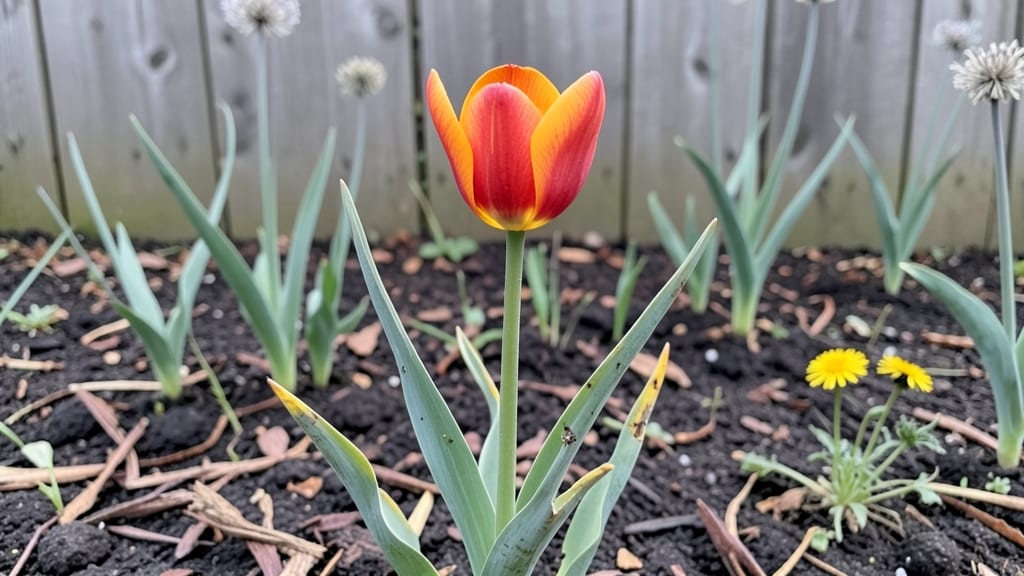
Sunburst blooms don’t just brighten your garden—they steal the show. 🌻 These red and orange flowers transform any space into a fiery canvas, whether you’re going for a cottage-garden riot or a sleek modern border.
The secret? Mixing heat-loving annuals like zinnias with hardy perennials such as crocosmia for a display that lasts from summer through fall.
Start with a few standout stars: marigolds for their golden-orange cheer, dahlias for dramatic crimson pom-poms, and poppies for their airy, papery texture. Pair them with deep greens like lamb’s ear or silver foliage (like dusty miller) to make the colors pop even harder.
For containers, try a mix of celosia and salvia—their fiery plumes and spikes create instant drama in pots or window boxes.
You’ll end up with a garden that feels like a sunset in bloom, drawing in pollinators and turning heads all season. The best part? These plants thrive in full sun, so they’re perfect for sunny borders, cutting gardens, or even as bold focal points near pathways.
Let’s bring that sunburst energy to your space—no green thumb required.
Works for any style: cottage gardens, modern minimalism, or pollinator-friendly meadows. The key is layering heights and textures so the colors move when you walk by. Ready to make your garden the envy of the neighborhood?
📚 In This Guide
- What you need
- Instructions
- Tips and common mistakes
- Wrapping up and next steps
What you need
- ● Red and orange flowers: Choose from tulips, dahlias, gerbera daisies, marigolds, or canna lilies (3–5 plants per color for a full look). Opt for fresh-cut blooms if arranging or potted plants for gardening.
- ● Soil: Well-draining potting mix (1–2 bags, depending on pot size) or garden soil amended with compost (for outdoor planting).
- ● Containers or garden space: For potted arrangements: 4–6-inch pots (1–2 per plant) or a large planter tray (12+ inches wide).
- ● For garden beds: A sunny spot with 6+ hours of direct light and loose, fertile soil.
- ● Fertilizer: Balanced liquid fertilizer (10-10-10 or 20-20-20) or slow-release granules (follow package rates).
- ● Watering can or hose: With a gentle spray nozzle to avoid damaging flowers.
- ● Complementary greenery: Eucalyptus, ferns, or snake plants to add texture and contrast.
- ● Decorative accents: Pebbles, moss, or painted pots for a polished look.
- ● Pruning shears: For trimming spent blooms or shaping plants.
- ● Floral preservative: (For cut arrangements) Extends vase life by 3–5 days.
- ● Sunlight meter: To ensure your plants get the ideal 6–8 hours of sun.
How to create a striking red and orange flower display
Here's how to craft a vibrant, sunburst garden that thrives all season.
🌱 Step 1: Choose the Right Heat-Loving Varieties
Start with bold performers like sunflowers, zinnias, salvias, and celosia—all thrive in full sun and bloom nonstop. I always mix heights: plant 3-foot sunflowers at the back, medium zinnias in the middle, and low celosia at the front. This creates that dramatic sunburst effect you're after.
Check your zone's last frost date and wait until soil reaches 60°F before planting. Cold soil slows root growth, and these heat-lovers won't tolerate chilly starts. I test soil temperature with a simple thermometer—no guesswork that way.
☀️ Step 2: Site Selection and Soil Prep
Pick the sunniest spot in your yard—6+ hours of direct sun is non-negotiable for these colors to really pop. Clear away weeds first, then loosen soil to 12 inches deep with a garden fork. Amend with 2 inches of compost to improve drainage; these flowers hate soggy roots.
Rake the area smooth and create planting mounds if your soil drains poorly. The raised beds help water run off quickly. I always mark my planting lines with a hose—wet soil shows up clearly and gives me perfect spacing guides.
🌿 Step 3: Plant for Maximum Impact
Dig holes twice as wide as the root ball but only as deep—burying stems too deep causes rot. Space sunflowers 18-24 inches apart, zinnias 12 inches apart, and celosia 10-12 inches apart. The closer you plant, the more dramatic the color contrast will be when they bloom.
Water deeply right after planting to settle roots, then let the soil dry slightly before watering again. I use a soaker hose for the first week—it keeps water at root level instead of splashing leaves, which prevents fungal issues. Watch for bright green leaves as your signal that roots are establishing.
💧 Step 4: Feed and Maintain for Nonstop Color
Apply a balanced 10-10-10 fertilizer when flowers first appear, then switch to a bloom booster 5-10-10 every 4-6 weeks. Deadhead spent blooms immediately—this tricks plants into producing more flowers instead of going to seed. I always carry small pruning shears in my pocket for quick cleanups.
Water at the base in the morning to reduce evaporation and fungal risks. Let the top 1-2 inches of soil dry between waterings—these flowers tolerate drought better than overwatering. You'll know you're doing it right when you see new buds forming every 2-3 weeks.
✂️ Step 5: Extend the Season with Simple Tricks
To keep colors vibrant through fall, cut back leggy stems by one-third after the first frost. This encourages fresh growth that often blooms again in cooler weather. I also add a 2-inch layer of mulch around plants to insulate roots and retain moisture.
For winter interest, leave some seed heads—birds love them, and they add texture. If you want to replant next spring, collect seeds from your best bloomers and store them in a cool, dry place. You'll have next year's sunburst display ready to go!
Tips & tricks for perfect sunburst flower displays
Here's what I've learned after creating these vibrant displays for years—tricks that'll make your sunburst garden shine brighter than ever.
Variety Layering: The secret to that dramatic sunburst effect isn't just color—it's height. I always plant my 3-foot sunflowers at the back as the "spine" of the display, then layer zinnias (18-24 inches tall) behind celosia (10-12 inches) in the front. This creates depth that makes colors pop even more. Think of it like a painter's composition—your eye follows the colors from back to front.
Soil Temperature Matters: That 60°F soil temperature in Step 1 is non-negotiable for these heat-loving varieties. I've ruined entire plantings by planting too early when soil was still cool. Use a simple soil thermometer—it's the only way to know for sure. If your soil runs cold, consider using black plastic mulch a week before planting to warm it up faster.
Watering Wisdom: The first week is critical—water deeply right after planting, then let the top inch of soil dry between waterings. I use a soaker hose because it delivers water right at the roots without wetting the leaves, which prevents fungal diseases. Watch for those bright green leaves as your signal that roots are establishing properly. Overwatering is the #1 killer of these vibrant blooms.
Fertilizer Timing: When you apply that 10-10-10 fertilizer at first bloom, don't overdo it—too much nitrogen makes leaves grow at the expense of flowers. I switch to the 5-10-10 bloom booster every 4-6 weeks because the higher phosphorus content encourages more flowers. And always deadhead immediately—this simple step can double your flower production!
Pro Tips for Red And Orange Flowers
- Here's what I've learned after creating these vibrant displays for years—tricks that'll make your sunburst garden shine brighter than ever.
- Variety Layering: The secret to that dramatic sunburst effect isn't just color—it's height.
- Soil Temperature Matters: That 60°F soil temperature in Step 1 is non-negotiable for these heat-loving varieties.
Frequently asked questions
Got questions about growing or styling red and orange flowers?
You’re not alone! Here are some of the most common queries—plus quick, practical answers to help you make the most of these vibrant blooms.
When is the best time to plant red and orange flowers?
Most red and orange annuals (like zinnias, marigolds, or geraniums) thrive when planted after the last frost in spring. Perennials (e.g., daylilies or canna lilies) can go in early spring or fall, depending on your climate. Check your USDA zone for precise timing—cool-season varieties like calendulas even tolerate light frosts!
How often should I water red and orange flowers?
Water deeply 1–2 times per week (more in extreme heat or sandy soil). Aim for 1 inch of water total—soak the roots, not just the soil surface. Early morning is ideal to prevent fungal issues. Mulch around the base to retain moisture and keep roots cool. Overwatering? Yellow leaves or wilting? That’s your cue to adjust!
Are red and orange flowers bee-friendly?
Marigolds, zinnias, and cosmos are bee magnets, while salvias attract hummingbirds. For maximum pollinator action, plant in clusters (not single stems) and avoid pesticides. Pro tip: Native varieties (like beebalm) often support local ecosystems best.
Can I mix red and orange flowers with other colors?
Yes! These bold hues pair beautifully with purples, yellows, or whites for high-contrast arrangements. For gardens, try red salvias + orange marigolds + white daisies for a sunburst effect. Avoid overpowering pastels—let the reds/oranges pop as focal points!
Will red and orange flowers survive winter?
It depends! Annuals (like petunias) die back in frost, but perennials (e.g., canna lilies) return if protected. In cold zones, mulch heavily or cut back dead foliage in spring. Bulbs (like tulips) may need winter chill—check their care tags!
What if my red/orange flowers aren’t blooming?
Check these fixes:
- Sunlight: Most need 6+ hours of sun daily.
- Deadheading: Snip spent blooms to encourage new growth.
- Fertilizer: Use a balanced bloom booster (like 10-10-10) every 4–6 weeks.
- Pests: Yellowing leaves? Inspect for aphids or spider mites.
Wrapping up and next steps
From fiery hibiscus to sun-kissed gerbera daisies, red and orange flowers bring warmth, energy, and effortless beauty to any space. Whether you’re a gardening novice or a seasoned pro, these bold blooms prove that vibrant colors can thrive with the right care—and a little creativity. 🌸
Ready to brighten up your world? Start small: pick one plant from this list, grab your gardening gloves, and let nature’s sunshine take center stage in your home or garden. Your next masterpiece is just a bloom away!