
Flowers
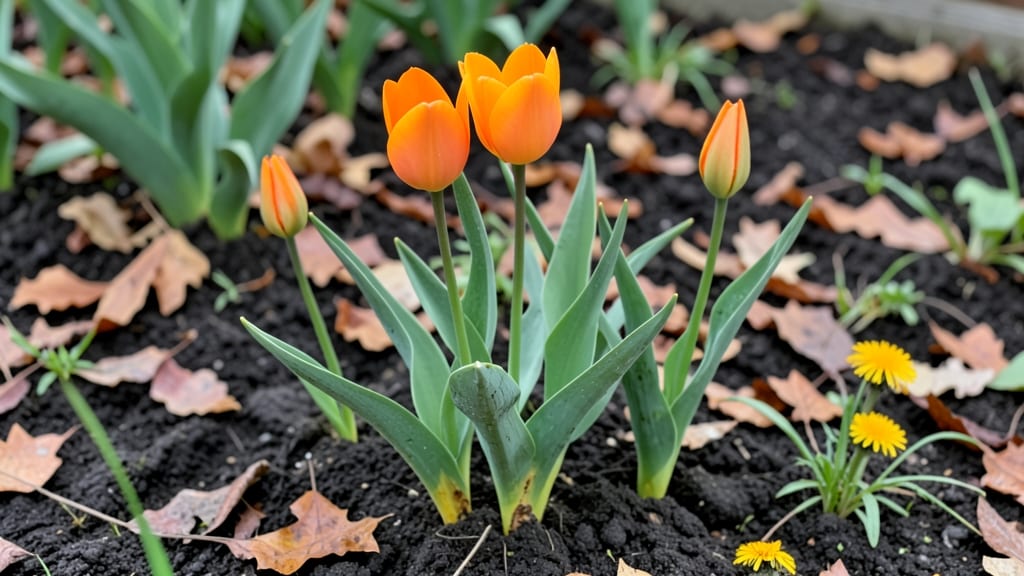
Bell-shaped orange flowers are the Pacific Northwest’s secret weapon for hummingbird gardens—bright pops of color that keep pollinators buzzing from spring through frost. 🌸 I’ve designed borders with these fiery blooms, and the difference is immediate: hummingbirds hover, bees linger, and the garden hums with life even when other flowers fade.
Think beyond just orange—pair them with deep purples, creamy whites, or soft blues for contrast. Calibrachoa and Fuchsia thrive in containers, while Calendula’s bold petals edge raised beds. The key is keeping them well-watered (they wilt fast in PNW’s dry spells) and deadheading spent blooms to encourage nonstop production.
By late summer, your garden becomes a hummingbird highway, with these bell-shaped blooms acting as neon signs. The scent? Sweet and citrusy, drawing pollinators from yards away. Even in rainy seasons, they stay vibrant—proof that PNW gardens can be both stunning and low-maintenance.
For containers, mix with trailing plants like lobelia; for borders, layer with salvias for height. The best part? These flowers don’t just look good—they work hard, turning your space into a thriving ecosystem. Let’s make your garden their favorite stop.
📚 In This Guide
- What you need
- Instructions
- Tips and common mistakes
- Wrapping up and next steps
What you need
- ● Bell-shaped orange flowers: Fuchsia ‘Giant Marble’ or ‘Auspicious’ (hybrid fuchsias with bell-shaped blooms) – 3–5 plants for full coverage
- ● Orange Penstemon (e.g., ‘Husker Red’ or ‘Rocky Mountain’ varieties) – 2–4 plants
- ● Orange Calibrachoa (million bells) or Lobelia (for trailing options) – 1–2 pots or 6–8 plants
- ● Quality potting soil: 1–2 bags (sterilized, well-draining mix with peat moss or coconut coir)
- ● Organic compost: 1–2 gallons (for enriching soil)
- ● Slow-release fertilizer: 10–20 lbs (balanced 10-10-10 or organic options like fish emulsion)
- ● Mulch: 2–3 cubic feet (shredded bark or cedar chips to retain moisture)
- ● Hand trowel or garden spade (for planting)
- ● Pruning shears (sterilized, sharp blades for trimming)
- ● Watering can or hose with gentle nozzle (avoid blasting flowers)
- ○ Garden gloves (optional but recommended for prickly plants)
- ● Measuring tape or ruler (for spacing plants 12–24” apart)
- ● Support stakes or trellis (for trailing varieties like Lobelia)
- ● Hummingbird feeder (to supplement nectar during early blooming phases)
- ● Epsom salt (1 tbsp/month for magnesium-rich soil)
- ● Neem oil or insecticidal soap (for pest control)
- ● Drip irrigation system (automates watering for consistent moisture)
- ● Reflective mulch or solar-powered lights (attracts hummingbirds at dawn/dusk)
How to create a year-round hummingbird haven with bell-shaped orange flowers
Here's how to build a vibrant, bird-friendly garden that thrives in the Pacific Northwest's unique climate.
🌱 Step 1: Select the Right Orange-Blooming Plants
Start with native or cold-hardy varieties that produce bell-shaped orange flowers. For year-round blooms, mix perennials like orange honeysuckle (Lonicera ciliosa) and orange columbine (Aquilegia chrysantha) with seasonal favorites like orange fuschia (Fuchsia magellanica) and orange penstemon (Penstemon spectabilis). These plants naturally attract hummingbirds and handle the region's wet winters and mild summers.
Check each plant's hardiness zone—most of these thrive in zones 5-9, perfect for the Pacific Northwest. I always choose at least two varieties to ensure continuous blooms from early spring through late fall. The key is selecting plants with staggered bloom times, so you're never without nectar-rich flowers.
☀️ Step 2: Position for Sunlight and Shelter
Most bell-shaped orange flowers need at least 6 hours of sunlight daily, but some like fuschia tolerate partial shade. In the Pacific Northwest's often-overcast climate, I place my brightest bloomers in south-facing spots where they can catch direct rays when the sun does peek through. For shade-tolerant varieties, east or west exposures work well.
Shelter from strong coastal winds by planting near fences, walls, or other plants. Hummingbirds prefer sheltered feeding areas, and your flowers will stay healthier without constant wind stress. I always group plants in clusters of 3-5 to create visual appeal and make it easier for hummingbirds to find them.
💧 Step 3: Water and Feed for Continuous Blooms
Water deeply once a week during the first growing season to establish strong roots, then taper to every 10-14 days once established—unless you're in a particularly dry summer. The Pacific Northwest's frequent rain means most of these plants handle moisture well, but they still need occasional deep watering to encourage deep root growth. Always water at the base to prevent fungal issues on the flowers.
Feed with a balanced, water-soluble fertilizer (10-10-10) every 4-6 weeks during the growing season. I mix it at half-strength to avoid burning tender new growth. The goal is to promote lush foliage and abundant blooms—hummingbirds will notice the difference immediately. Stop fertilizing in late summer to let plants prepare for winter.
✂️ Step 4: Prune and Maintain for Year-Round Interest
Deadhead spent blooms regularly to encourage more flowers and prevent self-seeding where you don't want it. I prune back one-third of the plant in early spring to stimulate new growth. For perennial varieties, cut back to 4-6 inches tall after they finish blooming in fall. This keeps plants compact and healthy for next season.
In winter, remove any dead or damaged growth, but leave the structure intact. Many of these plants have attractive seed heads or evergreen foliage that provide winter interest. I always leave a few spent blooms on fuschia plants—they create beautiful silhouettes against the winter sky.
🪴 Step 5: Add Supplemental Feeders for True Year-Round Support
While your flowers provide nectar, adding hummingbird feeders ensures food availability during rainy seasons or when plants aren't actively blooming. Use a 4:1 sugar-water ratio (4 parts water to 1 part white sugar) and change it every 3-5 days to prevent mold. Place feeders near your flowering plants so hummingbirds can easily transition between natural and supplemental food sources.
Clean feeders thoroughly with hot water and vinegar before refilling. I like to hang feeders at eye level so I can watch the hummingbirds while I work in the garden. This creates a magical connection between you and these tiny, energetic visitors all year long.
Tips & tricks for perfect bell-shaped orange flowers
Creating a hummingbird haven with these vibrant blooms takes a few thoughtful touches that make all the difference.
Plant Pairing Secret: The key to year-round blooms lies in staggered planting. When selecting your two varieties (as recommended in Step 1), choose one early bloomer like orange columbine (which flowers in spring) and one late bloomer like orange penstemon (which thrives in summer/fall). This ensures you'll always have nectar-rich flowers available for hungry hummingbirds. I've found that adding orange honeysuckle as a third variety creates a perfect mid-season bridge between spring and fall blooms.
Sunlight Strategy: In the Pacific Northwest's often-overcast climate, don't assume your south-facing spots will provide enough sunlight. Use a simple sunlight tracker for a week to identify the sunniest areas—most bell-shaped flowers need those 6 hours of direct sunlight daily. I've seen fuschia plants thrive in east-facing spots that get morning sun, while honeysuckle often does better in west-facing areas with afternoon light. This flexibility lets you create more planting options in your garden.
Fertilizer Timing: When you're fertilizing every 4-6 weeks during the growing season (as recommended in Step 3), pay attention to the weather. If you've had several rainy days, wait until the soil dries slightly before applying fertilizer. The half-strength 10-10-10 mix is perfect, but wet conditions can dilute its effectiveness. I always check the soil moisture by sticking my finger about 2 inches down—if it feels damp, I wait a few days before fertilizing again.
Winter Interest Hack: Don't be tempted to cut back all your winter-blooming fuschia plants completely. Leave some of the older stems with their dried seed heads—they provide important winter structure and food for birds. The architectural beauty of these dried blooms against the winter sky creates a stunning visual contrast. I typically leave about one-third of the stems standing for this purpose while still maintaining the overall neat appearance of the plant.
Pro Tips for Bell Shaped Orange Flowers
- Creating a hummingbird haven with these vibrant blooms takes a few thoughtful touches that make all the difference.
- Plant Pairing Secret: The key to year-round blooms lies in staggered planting.
- Sunlight Strategy: In the Pacific Northwest's often-overcast climate, don't assume your south-facing spots will provide enough sunlight.
Frequently asked questions
Got questions about growing and enjoying bell-shaped orange flowers? Here are some of the most common ones—plus straightforward answers to help you create a hummingbird-friendly garden in the Pacific Northwest!
What are some easy-to-grow bell-shaped orange flowers for PNW climates?
Top picks include Fuchsia magellanica (hardy fuchsia), Penstemon spectabilis (beardtongue), and Lobelia cardinalis (cardinal flower). These thrive in the PNW’s mild, wet winters and blooms from spring to fall. Fuchsias are especially low-maintenance and hummingbird magnets!
When is the best time to plant bell-shaped orange flowers in the Pacific Northwest?
For most varieties, spring (March–May) is ideal after the last frost. Fuchsias and lobelia can also be planted in early fall (September) for winter interest. Container-grown plants can even be tucked into gardens in late summer for a quick seasonal splash!
Why aren’t hummingbirds visiting my orange flowers?
Hummingbirds love bright colors + nectar-rich blooms. Ensure your flowers are fully open (not budding) and avoid pesticides. Add a hummingbird feeder nearby with a 1:4 sugar-water ratio (no dye!) to lure them in. Fuchsias and penstemons are especially effective!
Can I grow bell-shaped orange flowers in containers?
Fuchsias and lobelia thrive in hanging baskets or pots (6+ inches deep). Use well-draining soil and place in partial shade (especially in hot summer afternoons). Water regularly—containers dry out faster than garden beds!
How do I keep my orange flowers blooming all year in the PNW?
Deadhead spent blooms regularly to encourage new growth. In winter, prune back perennials like fuchsias by ⅓ and add mulch to protect roots. For containers, bring them indoors during freezes (if not winter-hardy) and place near a sunny window.
Wrapping up and next steps
Bell-shaped orange flowers aren’t just a stunning addition to your Pacific Northwest garden—they’re a lifeline for hummingbirds year-round! 🌸 From selecting the right varieties to creating a thriving, low-maintenance habitat, every step brings you closer to a vibrant, buzzing ecosystem.
Whether you’re a seasoned gardener or just starting, these tips make it simple to transform your space into a hummingbird haven.
Ready to take the next step? Start small—plant one or two bell-shaped blooms today and watch your garden come alive! Need more inspiration? Explore local nurseries or join gardening communities to share your progress and tips. Your feathered friends will thank you! 🐦⬛✨