
Size
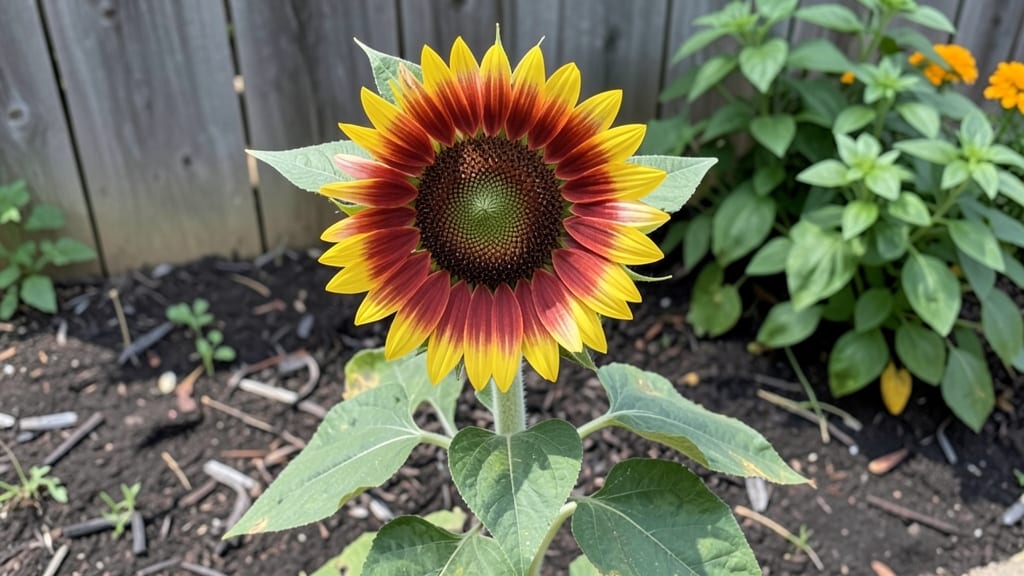
Growing rainbow sunflowers turns your garden into a towering, colorful spectacle that hummingbirds and bees can't resist. 🌻 I’ve planted these showstoppers for three summers now, and each time, they outperform even my tallest heirloom varieties—reaching 8+ feet while blooming in every shade from deep burgundy to sunny yellow.
The secret lies in their deep roots and sturdy stems, which handle wind better than traditional sunflowers while still demanding the same rich soil and full sun.
Start with well-draining soil mixed with compost—rainbow sunflowers thrive when their roots can spread freely. Plant seeds ½ inch deep after the last frost, spacing them 12–18 inches apart in rows 2–3 feet apart to give their massive foliage room.
They need 6–8 hours of direct sunlight daily, but unlike some varieties, they tolerate partial shade better once established. Water deeply once a week (more in extreme heat), keeping the soil moist but never soggy.
By mid-summer, you’ll see towering stems with 3–4 foot diameter blooms that attract pollinators like magnets. The foliage stays lush and green longer than standard sunflowers, and the stems are sturdy enough for cutting—perfect for bouquets that last 10+ days.
Deadhead spent blooms to encourage more flowers, and watch as your garden becomes a pollinator paradise teeming with life.
These sunflowers handle drought better than most varieties, but their vibrant colors fade faster in dry conditions. If your summer gets scorching, mulch around the base to retain moisture and protect roots.
The real magic happens when they’re planted in drifts—imagine rows of burgundy, orange, and gold swaying in the breeze, drawing bees and butterflies all season long.
📚 In This Guide
- What you need
- Instructions
- Tips and common mistakes
- Wrapping up and next steps
What you need
- ● Rainbow sunflower seeds: Choose a mix of varieties (e.g., Autumn Booster, Moulin Rouge, or Teddy Bear) for height and color diversity. Aim for 50–100 seeds per 100 sq. ft. of garden space.
- ● Well-draining soil: Mix 1 part compost with 2 parts garden soil (or use pre-mixed potting soil for containers). Test pH (ideal: 6.0–7.5).
- ● Sunlight access: A spot with 6–8+ hours of full sun daily (sunflowers are sun-worshippers!).
- ● Watering can or hose: With a gentle spray nozzle to avoid disturbing seedlings.
- ○ Plant markers (optional but helpful): Small stakes or labels to track varieties.
- ● Garden trowel or transplanter: For digging holes (2–3 inches deep, 12+ inches apart for mature plants).
- ● Mulch (straw or shredded leaves): 2–3 inches thick to retain moisture and suppress weeds.
- ● Fertilizer (balanced 10-10-10 or compost tea): Apply lightly at planting and again when flowers bloom.
- ○ Trellis or stakes (for tall varieties): Optional for support if growing giant sunflowers (e.g., Mammoth varieties).
- ● Pollinator-friendly extras: Add bee hotels or native wildflower seeds nearby to boost biodiversity!
Step-by-Step guide to planting a rainbow sunflower pollinator garden
Here's how to create a towering, colorful haven for bees and butterflies—simple enough for beginners but packed with pro tips.
🌱 Step 1: Choose and Prepare Your Planting Site
Sunflowers need full sun—at least 6-8 hours daily—and well-draining soil. Scout your yard for the sunniest spot, then loosen the top 12 inches of soil with a garden fork. This breaks up compaction so roots can spread easily. If your soil is heavy clay, mix in 2-3 inches of compost to improve drainage and fertility.
Here's the thing—sunflowers grow 6-12 feet tall, so give them space. Plant each seedling 18-24 inches apart in rows 2-3 feet apart to prevent overcrowding. If you're planting directly from seed (which I recommend), drop seeds 1 inch deep—no need to bury them deeper, or they’ll take forever to sprout.
💧 Step 2: Plant Seeds at the Right Time and Water Deeply
Wait until after the last frost when soil temperatures reach at least 55°F—sunflower seeds won’t germinate in cold soil. Scatter seeds in their final positions, then cover lightly with soil. Press gently to ensure good seed-to-soil contact, but don’t pack it down. Water deeply right after planting to settle the soil and encourage root growth.
Keep the soil consistently moist (not soggy) until seedlings emerge, which usually takes 7-14 days. Once the first true leaves appear (not the initial seed leaves), reduce watering slightly. Sunflowers are drought-tolerant once established, but young plants need steady moisture to develop strong stems. Water at the base, not overhead, to prevent fungal diseases.
☀️ Step 3: Support Growth and Encourage Pollinators
Sunflowers need strong, sturdy stems to support their massive blooms. If you’re growing taller varieties (like Moulin Rouge or Russian Giant), consider staking them early. Drive a 5-6 foot stake into the ground beside each plant when they’re 12 inches tall, then loosely tie the stem to it with soft garden twine as it grows.
Here’s where it gets fun—sunflowers are pollinator magnets. Once the flowers open, you’ll see bees, butterflies, and hummingbirds flocking to them. To boost their appeal, avoid pesticides entirely. If you notice aphids or other pests, blast them off with a strong spray of water instead of chemical sprays. Healthy sunflowers can handle a little pest pressure without harm.
✂️ Step 4: Harvest Seeds and Extend the Season
When the flower heads turn brown and the back of the petals starts to dry out, it’s time to harvest seeds. Cut the entire head off with 4-6 inches of stem attached, then hang it upside down in a dry, well-ventilated spot for 2-3 weeks. The seeds will mature and dry completely, ready for next year’s planting.
Don’t let the season end with the first frost! If your sunflowers still look vibrant, cut the stems at the base and bring them indoors. Place them in a vase with fresh water—they’ll last for weeks, adding color and cheer to your home. Plus, the seeds will stay viable for planting next spring.
Tips & tricks for growing towering rainbow sunflowers
These tried-and-true strategies will help your sunflowers reach their full vibrant potential while keeping pollinators buzzing happily.
Soil Preparation Secret: Before planting, test your soil's drainage by digging a small hole and filling it with water. If it drains within an hour, your soil is ready. If not, mix in an extra inch of compost to improve aeration. I've seen sunflowers struggle in compacted soil—roots need room to spread like they're on a mission to reach the sky. The 12-inch deep loosening in Step 1 is critical for those massive stems to anchor properly.
Timing is Everything: Those 6-8 hours of daily sun are non-negotiable, but here's the thing about timing: plant your seeds when soil temperatures hit at least 55°F—this is when germination really kicks into high gear. I've learned the hard way that cooler soils mean slower, weaker sprouts. Use a soil thermometer for accuracy, especially if your spring is unpredictable. The 7-14 day germination window gives you a ballpark, but warm soil can cut that to just 5-7 days.
Pollinator Power-Up: For maximum pollinator appeal, consider adding a few companion plants like marigolds or borage near your sunflowers. These plants attract even more beneficial insects and create a thriving ecosystem. The pesticide-free approach in Step 3 is crucial—sunflowers naturally repel many pests when healthy, but that water spray trick is your best friend for occasional aphid control without harming pollinators.
Harvesting Hack: When harvesting seeds in Step 4, wait until the back of the petals has completely dried and turned brown—this ensures maximum seed viability. I've found that hanging the heads in a well-ventilated garage or shed (not a closed room) prevents mold while maintaining perfect drying conditions. The 2-3 week drying time might seem long, but rushing it can lead to damp seeds that won't store well.
Pro Tips for Rainbow Sunflower Grow A Garden
- These tried-and-true strategies will help your sunflowers reach their full vibrant potential while keeping pollinators buzzing happily.
- Soil Preparation Secret: Before planting, test your soil's drainage by digging a small hole and filling it with water.
- Timing is Everything: Those 6-8 hours of daily sun are non-negotiable, but here's the thing about timing: plant your seeds when soil temperatures hit at least 55°F—this is when germination really kicks into high gear.
Frequently asked questions
Got questions about growing rainbow sunflowers? You’re not alone—these vibrant blooms are full of surprises! Here are answers to the most common queries to help you cultivate a thriving pollinator paradise.
How tall do rainbow sunflowers grow, and how much space do they need?
Rainbow sunflowers typically reach 3 to 6 feet tall, with some dwarf varieties staying under 2 feet. Space them 12–18 inches apart in rows 2–3 feet apart to ensure good airflow and sunlight. If growing for cut flowers, leave extra space for easier harvesting!
When is the best time to plant rainbow sunflowers?
Start seeds indoors 4–6 weeks before your last frost or direct-sow outdoors after all danger of frost has passed (usually late spring). They thrive in warm soil (at least 50°F) and bloom 60–90 days after planting. For extended blooms, stagger plantings every 2 weeks.
Are rainbow sunflowers good for pollinators, and how do I attract more?
Their bright, multi-colored blooms are a magnet for bees, butterflies, and hummingbirds. To boost pollinator traffic, plant native companion flowers like coneflowers or cosmos nearby, avoid pesticides, and leave some stems standing after blooming for seed-eating birds.
What if my rainbow sunflowers aren’t blooming? How can I fix it?
Lack of blooms often means too much nitrogen (focus on phosphorus-potassium fertilizer) or overcrowding (thin seedlings). Ensure they get 6–8 hours of sun daily and water consistently at the base. Deadhead spent blooms to encourage more flowers, and watch for pests like aphids or powdery mildew (treat with neem oil if needed).
Can I grow rainbow sunflowers in containers, and what’s the best pot size?
Yes! Choose dwarf varieties (like ‘Moulin Rouge’ or ‘Autumn Booster’) for containers. Use pots at least 12–18 inches deep and wide with drainage holes, and fill with well-draining potting mix. Place in a sunny spot and fertilize lightly every 2–3 weeks for best results.
Pro Tip: Save seeds!
Let some blooms go to seed—rainbow sunflowers are open-pollinated, so saved seeds will grow true to type. Dry seeds on a screen, store in a cool, dark place, and you’ll have free plants next year!
Wrapping up and next steps
Growing a rainbow sunflower garden is more than just adding color to your space—it’s a celebration of nature’s beauty and a gift to pollinators! 🌈 With the right seeds, soil, and care, you’ll create a thriving paradise that delights both you and wildlife.
Whether you’re a beginner or a seasoned gardener, every sunflower planted is a step toward a brighter, buzzing ecosystem.
Ready to take the next step? Start small—pick a sunny spot, grab your seeds, and let your garden grow! Share your progress with fellow gardeners or even enter a local flower show to showcase your vibrant creations. Happy planting! 🌱