
Flowers
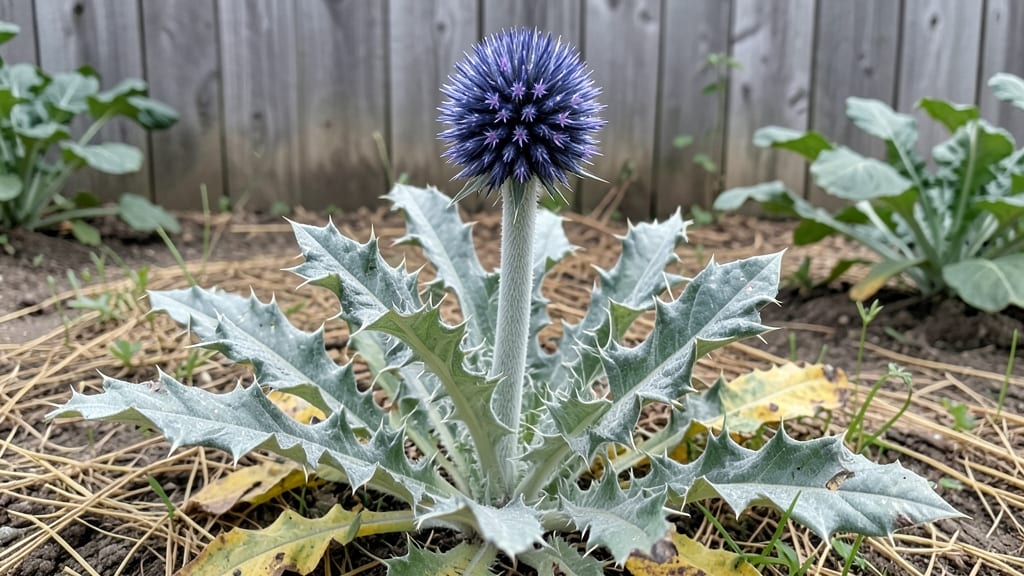
Your Pacific Northwest garden needs these purple thistle-like flowers—they’re the bold statement plants that turn heads and hummingbirds into regular visitors. 🌿 I remember the first time I planted echinacea along my rain garden border; within weeks, bees and butterflies made it their favorite stop.
These plants aren’t just pretty—they’re the backbone of a thriving pollinator-friendly landscape that actually works in our damp, mild climate.
The beauty of these flowers is how easy they are to work into any design. Pair globe thistle’s steel-blue spheres with deep purple salvia for a striking contrast, or let echinacea’s ruffled petals soften a cottage garden’s wild edges.
They thrive in full sun to partial shade, handle our rainy seasons like champs, and come back year after year with minimal fuss. Even my black thumb can’t kill them.
You’ll end up with a garden that hums with activity while looking like a curated masterpiece. The late-summer blooms provide color when many perennials fade, and their textured foliage adds winter interest if you leave the seed heads standing.
These plants do the heavy lifting—pollinators love them, deer usually avoid them, and they fit seamlessly into borders, wildflower meadows, or even container arrangements.
Here’s the best part: they’re foolproof for our climate. Plant them in well-draining soil, give them space to spread, and watch your garden transform into a buzzing, blooming haven. Let’s get these pollinator magnets in the ground—your future self (and the bees) will thank you.
📚 In This Guide
- What you need
- Instructions
- Tips and common mistakes
- Wrapping up and next steps
What you need
- ● Seeds: Native Cirsium or Eryngium species (e.g., Cirsium edule or Eryngium yuccifolium) – 1–2 packets (50–100 seeds).
- ● Well-draining soil: Mix of native soil + compost (or cactus/succulent blend for Eryngium) – 1–2 cubic yards.
- ● Sunlight access: Full sun (6+ hours/day) or partial shade for woodland varieties.
- ● Watering can or hose: With a gentle spray nozzle for seedlings.
- ● Mulch: Organic mulch (e.g., straw or bark) to retain moisture – 1–2 inches.
- ● Garden trowel (for transplanting seedlings).
- ● Pruning shears (to shape mature plants and encourage blooms).
- ○ Gloves (optional but recommended—thistles can be prickly!).
- ● Native plant guidebook (helpful for identifying PNW-specific varieties).
- ○ Pollinator-friendly companions: Optional but encouraged—pair with lavender, yarrow, or bee balm for a thriving ecosystem!
How to grow Pacific Northwest native purple thistle-like flowers
These striking perennials thrive with minimal fuss—here’s how to coax their bold beauty into your garden.
🌱 Step 1: Choose the Right Site and Soil
Pacific Northwest thistle-like flowers—such as Cirsium or Eryngium—crave full sun (at least 6 hours daily) and well-draining soil. I always test my garden beds first: dig a 6-inch deep hole, fill it with water, and wait. If it drains within 1 hour, the site’s perfect. If not, amend with 2-3 inches of coarse sand or perlite to prevent root rot.
These plants tolerate poor soil but flourish in loamy, slightly alkaline conditions (pH 6.5-7.5). A simple soil test kit from your local nursery will confirm. If your soil is heavy clay, mix in 1 part compost per 3 parts native soil—this mimics their natural habitat along riverbanks and open meadows.
☀️ Step 2: Plant at the Right Time and Depth
For bare-root plants, plant in early spring (March-April) or fall (September-October) when soil temps hover around 50-60°F. Dig a hole twice as wide as the root ball but only as deep—thistle-like flowers hate being buried too deeply. Gently loosen the roots if they’re circling and position the plant so the top of the root ball sits just below soil level. Firm the soil around it with your hands, leaving a 1-inch deep basin to hold water.
For container-grown plants, remove them from pots and tease apart any tangled roots. The key here is spacing: plant 2-3 feet apart for single-stemmed varieties like Eryngium or 3-4 feet apart for clumping types like Cirsium. Mulch with 2 inches of wood chips to retain moisture and suppress weeds—just keep it 6 inches away from the stem to avoid rot.
💧 Step 3: Water Deeply and Infrequently
Once established, these drought-tolerant beauties thrive on deep waterings every 7-10 days—not frequent shallow drinks. The first year is the exception: water once a week during dry spells to encourage root growth. You’ll know it’s time when the top 2 inches of soil feel dry. Overwatering is the fastest way to kill them, so resist the urge to check daily.
Here’s the trick: water early in the morning to reduce evaporation and fungal risks. Let the soil surface dry completely between waterings—thistle-like flowers despise soggy feet. If your summer brings 90°F+ heatwaves, increase to biweekly deep waterings, but never let water pool around the base.
✂️ Step 4: Prune for Health and Pollinator Appeal
Deadhead spent blooms after they fade to encourage a second flush of flowers. Use clean, sharp pruners and cut back to the nearest leaf node—this prevents leggy growth and redirects energy to new buds. I always prune in late summer (August-September) to tidy up before winter, but leave the seed heads if you want to feed birds.
In early spring, cut back one-third of the plant’s height to stimulate fresh growth. This is also the time to divide clumps if they’ve outgrown their space. Dig up a section with 3-4 stems, replant it, and water deeply. Dividing every 3-4 years keeps plants vigorous and prevents overcrowding.
🪴 Step 5: Protect and Maintain Long-Term
These flowers are deer-resistant, but slugs and snails may still target young shoots. Set out copper barriers or diatomaceous earth around new plants for the first month. Once established, they’re tough enough to handle occasional browsing. I’ve seen them bounce back even after 90% of foliage is lost—their deep taproots store enough energy to regrow.
Fertilize once a year in early spring with a low-nitrogen, high-phosphorus formula (like 5-10-10). Too much nitrogen promotes leafy growth at the expense of flowers. If your soil is truly impoverished, a thin layer of compost in spring is all they need. With proper care, these pollinator magnets will reappear year after year, drawing bees, butterflies, and hummingbirds to your garden.
Tips & tricks for growing Pacific Northwest native purple flowers
Between us, these striking perennials reward patience with minimal effort—but there are a few secrets to unlock their full potential.
Sunlight Strategy: While the instructions call for at least 6 hours of daily sun, I've found that these plants truly shine with 8+ hours, especially in the Pacific Northwest's shorter summer days. Position them where they'll receive morning sun and afternoon light—this prevents the foliage from becoming sparse. If your garden has partial shade, choose the hardier Cirsium varieties which tolerate slightly less light than Eryngium.
Soil Test Hack: The 1-hour drainage test is spot-on, but here's what nobody tells you—if your soil drains too quickly (under 30 minutes), mix in 1 part peat moss to the 2-3 inches of sand or perlite. This creates a moisture-retaining environment that mimics their natural meadow habitats while still preventing soggy roots. I've seen dramatic improvements in plant vigor after making this adjustment.
Planting Depth Visual: When planting, remember that "just below soil level" means the top of the root ball should be covered by about 1/4 inch of soil. A good trick is to use your thumb to press the soil around the plant—it should feel firm but not compacted. Over-deep planting can suffocate the stems, while planting too shallow exposes the roots to drying winds.
Watering Timing: The early morning watering advice is critical, but I've learned that timing matters even more during heatwaves. When temperatures hit 90°F+, water at dawn (before 8am) to give the soil time to absorb moisture before the heat evaporates it. I've seen plants wilt dramatically when watered at midday during summer heat—this simple adjustment makes all the difference.
Pro Tips for Purple Thistle Like Flower
- Between us, these striking perennials reward patience with minimal effort—but there are a few secrets to unlock their full potential.
- Sunlight Strategy: While the instructions call for at least 6 hours of daily sun, I've found that these plants truly shine with 8+ hours, especially in the Pacific Northwest's shorter summer days.
- Soil Test Hack: The 1-hour drainage test is spot-on, but here's what nobody tells you—if your soil drains too quickly (under 30 minutes), mix in 1 part peat moss to the 2-3 inches of sand or perlite.
Frequently asked questions
Got questions about those striking purple thistle-like flowers lighting up the Pacific Northwest? You’re not alone! Here are some of the most common queries—and their answers—to help you get the most out of these pollinator superstars.
What’s the difference between thistles and thistle-like flowers?
True thistles (like Cirsium species) often have spiky leaves and can be invasive. Thistle-like flowers—such as Echinacea purpurea (purple coneflower) or Eryngium (sea holly)—mimic the spiky look but are non-invasive and prized for their beauty. Always check your local nursery for native PNW varieties!
When is the best time to plant these flowers?
For the Pacific Northwest’s climate, aim to plant purple thistle-like flowers in early spring (March–April) or early fall (September–October). This gives roots time to establish before summer heat or winter frost. If you’re sowing seeds, start indoors 6–8 weeks before the last frost for a head start!
Are these flowers really good for pollinators?
Flowers like Echinacea and Agastache (hyssop) are magnets for bees, butterflies, and hummingbirds. Their tubular shapes and nectar-rich blooms make them a must-have for pollinator gardens. Just avoid pesticides—they’re toxic to these helpful visitors!
How do I keep them from spreading too much?
Most thistle-like flowers are well-behaved, but a few (like Eryngium) can self-seed. To control spread:
- Deadhead spent blooms before they form seed heads.
- Divide clumps every 2–3 years to manage growth.
- Plant in containers if your space is limited.
Can I grow these in containers or small gardens?
Yes! Many thistle-like flowers thrive in pots, including Echinacea and Agastache. Use a well-draining soil mix and a container at least 12–18 inches deep. Place them in full sun (6+ hours/day) for the boldest blooms. Just water consistently—they hate soggy roots!
Pro Tip:
Need a low-maintenance alternative? Try Gomphrena globosa (globe amaranth) for a similar spiky, purple look with zero fuss—it’s drought-tolerant and blooms all summer long!
Wrapping up and next steps
From their striking purple thistle-like blooms to their role as a pollinator powerhouse, these Pacific Northwest gems are more than just eye-catching—they’re a lifeline for bees, butterflies, and hummingbirds! 🌿 Whether you’re drawn to their bold beauty or their ecological impact, these flowers prove that nature’s best designs are both functional and fabulous.
Ready to invite more color and life into your garden? Start by planting a few seeds or visiting a local nursery to bring home your own purple thistle-like star. Every bloom is a step toward a healthier, buzzier ecosystem—let’s make yours a pollinator paradise! 🌸🐝