
Flowers
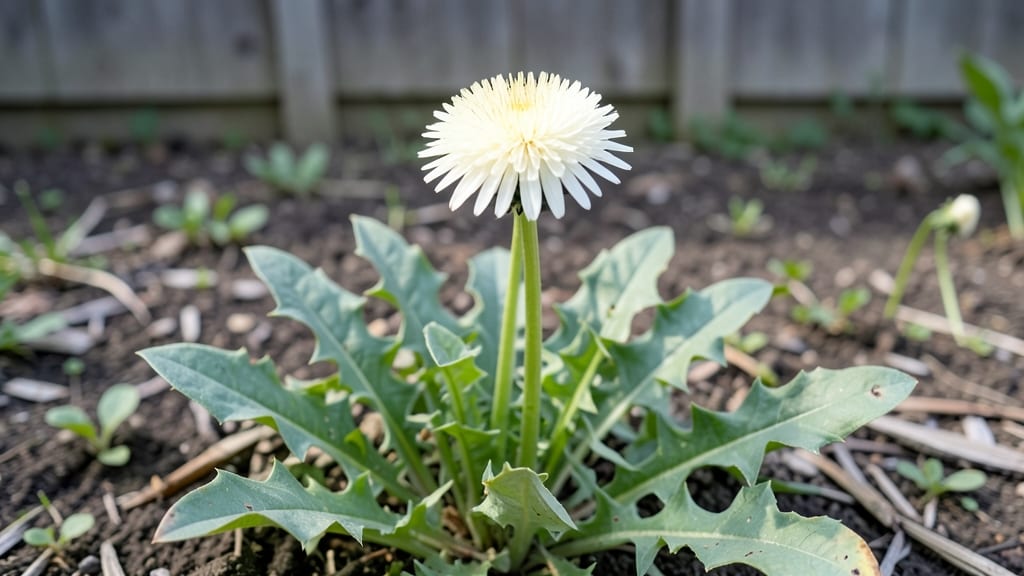
White dandelion flowers are the Pacific Northwest's secret weapon for year-round beauty and pollinator support. 🌿 Their cheerful blooms defy frost, turning early spring into a riot of color when little else is in bloom.
I've watched bees and butterflies flock to my garden the moment these resilient plants push through the soil, even after a late snowfall.
These aren't your childhood "weeds" - they're stunning focal points that thrive in wildflower gardens, cottage-style borders, or even as edging for pathways. Pair them with native plants like yarrow, columbine, or purple coneflower for a textured, layered look that blooms from March through May.
Their long stems make them perfect for loose, natural bouquets that last days in a vase.
What makes them magical is their seasonal reliability: they bloom before most perennials, provide nectar when food is scarce, and their feathery seed heads add winter interest.
You'll get three seasons of interest from one plant - bright blooms in spring, seed heads in summer, and architectural stems in winter.
For cottage gardens, let them naturalize in sunny spots where they'll spread happily without taking over. In containers, they add height and movement to mixed plantings. The key is to embrace their wild charm rather than fight it - that's where their true beauty shines.
📚 In This Guide
- What you need
- Instructions
- Tips and common mistakes
- Wrapping up and next steps
What you need
- ● White dandelion seeds (Taraxacum officinale 'Albion' or similar cultivars) – 1–2 packets (approx. 500–1,000 seeds per packet) for a small patch; scale up for larger gardens.
- ● Well-draining soil – Mix equal parts garden soil, compost, and coarse sand (or use pre-mixed potting soil for containers).
- ○ Organic fertilizer (optional but recommended) – A balanced 10-10-10 or slow-release granular fertilizer (1–2 cups per 10 sq ft) to boost early growth.
- ● Mulch (straw, wood chips, or pine needles) – 2–3 inches thick to retain moisture and protect roots from frost.
- ● Hand trowel or garden fork – For digging and transplanting.
- ○ Garden gloves – To protect hands from prickly stems (optional but handy!).
- ● Watering can or hose with a gentle spray nozzle – Dandelions prefer deep but infrequent watering (avoid soggy soil!).
- ● Pruners or sharp scissors – For harvesting flowers or trimming spent blooms.
- ○ Container or raised bed (optional) – If growing in urban spaces or poor soil, use a 5–10 gallon pot with drainage holes.
- ● Companion plants – Pair with clover, yarrow, or native wildflowers to attract pollinators.
- ● Epsom salt (magnesium sulfate) – 1 tablespoon per gallon of water (monthly spray) for lush, vibrant foliage.
- ● Birdseed or suet feeder – To invite hummingbirds, bees, and butterflies that adore dandelions!
- ● Frost cloth or row covers – For late-season protection if temps dip below 20°F (-7°C).
How to grow and maintain white dandelions in the Pacific Northwest
These hardy beauties thrive even in frost—here’s how to coax their cheerful blooms.
🌱 Step 1: Choose the Right Location for Frost-Resistant Growth
White dandelions love full sun but handle partial shade better than most flowers. In the Pacific Northwest, where mornings can stay chilly, pick a spot that gets at least 6 hours of sunlight daily—evenings warm up enough to support growth. I always check for south-facing exposure first, as it captures the most sunlight even when clouds linger.
Here’s the thing—these plants are tough, but they won’t tolerate soggy soil. If your yard holds water after rain, amend the area with 2-3 inches of compost to improve drainage. You’ll know you’ve got it right when water drains within 15-20 minutes after a heavy rain.
🌿 Step 2: Prepare the Soil for Pollinator-Friendly Blooms
Dandelions thrive in average soil but reward you with bigger blooms when given a little extra care. Work 1-2 inches of compost into the top 6 inches of soil—this loosens the ground and encourages root growth. I like to mix in a handful of aged manure (like cow or horse) for extra nutrients, but skip this if your soil is already rich.
Test your soil’s moisture by grabbing a handful. If it crumbles easily when dry but holds together when damp, you’re good to go. If it sticks together like clay, add more compost or sand to improve texture. Dandelions hate compacted soil—their roots need room to spread.
☀️ Step 3: Plant Seeds or Transplants at the Right Time
For the Pacific Northwest’s unpredictable spring, I plant dandelion seeds 4-6 weeks before the last frost date—usually late March or early April. Scatter seeds lightly on the soil surface (they need light to germinate) and press them in just enough to keep them from blowing away. Cover with ¼ inch of fine soil or compost—no deeper, or they’ll take forever to sprout.
Keep the soil consistently moist until germination, which takes 7-14 days. You’ll spot tiny green leaves first—don’t mistake them for weeds! Water gently with a spray bottle to avoid disturbing the seeds. Once seedlings reach 2 inches tall, thin them to 6 inches apart to give each plant room to grow.
💧 Step 4: Water and Fertilize for Long-Lasting Blooms
Dandelions are drought-tolerant once established, but young plants need steady moisture. Water deeply once a week (or when the top 1 inch of soil feels dry) to encourage deep roots. In the PNW’s rainy season, you might not need to water at all—just check for standing water, which these plants hate.
For extra vigor, feed plants with a balanced organic fertilizer (like 10-10-10) in early spring and again after blooming. I mix 1 tablespoon per plant into the soil around the base. Avoid over-fertilizing—too much nitrogen makes leaves grow at the expense of flowers, and we want those white blooms!
✂️ Step 5: Deadhead and Maintain for Continuous Blooms
To keep your white dandelions flowering all season, deadhead spent blooms by snipping off the flower heads with clean scissors. Cut just above the next set of leaves to encourage new growth. I do this every 2-3 weeks during peak bloom, and the plants reward me with fresh flowers for weeks longer.
In late summer or early fall, you can let some flowers go to seed to attract pollinators and naturalize your garden. If you prefer tidier beds, trim back foliage by ⅓ in early fall to keep plants healthy for next year’s growth.
Tips & tricks for perfect white dandelion growth in the Pacific Northwest
Common pitfalls—and how to sidestep every one—when growing these resilient beauties.
Sunlight Strategy: While white dandelions tolerate partial shade, they'll reward you with the most prolific blooms when given that full sun—especially in the PNW's often-overcast climate. I've found that positioning them near a south-facing fence or wall helps capture reflected sunlight during those gray days. If your garden gets less than 6 hours of direct sun, consider using a portable grow light for 4-6 hours daily during cloudy stretches to maintain vigor.
Soil Test Trick: Before planting, perform a simple soil test by grabbing a handful and squeezing it. If it forms a tight ball that doesn't crumble easily when dry, you've got compacted soil that needs attention. I've had the most success amending with a 50/50 mix of compost and coarse sand—this creates the perfect drainage while retaining enough moisture for those early spring plantings. Remember, dandelions hate soggy feet just as much as they love good drainage.
Timing Secret: Those 4-6 weeks before last frost might feel like a tight window, but don't rush! I've learned the hard way that planting too early when soil temperatures are still chilly (below 45°F) can delay germination. Use a soil thermometer to confirm temperatures are consistently above 50°F before planting. For container growing, you can extend your season by planting 2-3 weeks earlier—just be prepared to protect seedlings with frost cloth if nights dip below freezing.
Fertilizer Wisdom: When it comes to that 10-10-10 fertilizer, less is often more. I've found that applying just half the recommended dose (½ tablespoon per plant) in early spring is sufficient for most PNW soils. The key is to feed lightly but consistently—think of it like giving your plants a steady energy boost rather than a sugar rush. Too much nitrogen will make them grow leafy greens instead of those beautiful white blooms we're after.
Pro Tips for White Dandelion Flower
- Common pitfalls—and how to sidestep every one—when growing these resilient beauties.
- Sunlight Strategy: While white dandelions tolerate partial shade, they'll reward you with the most prolific blooms when given that full sun—especially in the PNW's often-overcast climate.
- Soil Test Trick: Before planting, perform a simple soil test by grabbing a handful and squeezing it.
Frequently asked questions
Got questions about these resilient blooms? You’re not alone! Here are some of the most common inquiries about white dandelion flowers—plus straightforward answers to help you grow, enjoy, or troubleshoot with confidence.
Can I grow white dandelions in my garden, or are they just wild?
Yes! While dandelions are often considered "weeds," their white varieties (like Taraxacum officinale ‘White Swan’) are cultivated for their delicate, frost-resistant blooms. Start seeds in early spring or fall—they thrive in poor soil and need minimal care. Just be prepared for their fast-spreading nature!
Why are white dandelions better for cold climates than yellow ones?
White dandelions are bred to handle frost better than traditional yellow varieties, making them ideal for the Pacific Northwest’s chilly mornings. Their petals often close at night to protect the flower head, then reopen in sunlight. Yellow dandelions may wilt or brown faster in freezing temps—white ones stay perky!
Are white dandelions as good for pollinators as yellow ones?
Bees, butterflies, and early-season pollinators love white dandelions just as much. The key difference? Their pale petals reflect more light, which can help attract certain insects (like hoverflies) in overcast climates. Plant them alongside native flowers for a pollinator powerhouse.
How do I keep white dandelions from spreading everywhere?
Containment is the name of the game. Plant them in containers or raised beds with deep sides to limit root spread. Deadhead spent blooms to reduce seed production, and mulch heavily in winter to discourage self-seeding. For a compromise, let a few grow wild in a designated "wildflower corner"!
Can I use white dandelion petals for crafts or teas like yellow ones?
Yes! Their petals are edible and make beautiful flower arrangements or garnishes. For tea, harvest petals in the morning (after dew dries) and steep in warm water for 5–10 minutes. The flavor is milder than yellow dandelions but equally soothing. Just avoid treated lawns—opt for organic sources!
What should I do if my white dandelions turn brown or look sick?
Brown petals often signal frost damage or powdery mildew (common in damp climates). Improve airflow, water at the base (not leaves), and remove affected plants. Yellowing leaves? Check for aphids—spray with soapy water or introduce ladybugs. Most issues are fixable with gentle care!
Wrapping up and next steps
The white dandelion flower isn’t just a resilient survivor—it’s a gift to Pacific Northwest gardens, attracting pollinators and brightening landscapes year-round. Whether you’re drawn to its hardiness, beauty, or ecological benefits, these cheerful blooms prove that nature’s simplest wonders often pack the biggest punch. 🌸
Ready to invite more of these pollinator heroes into your space? Start small—plant a few seeds this season and watch your garden transform into a thriving, frost-resistant haven! Your next step? Share your progress with fellow gardeners or explore more native plants to diversify your blooms.