
Flowers
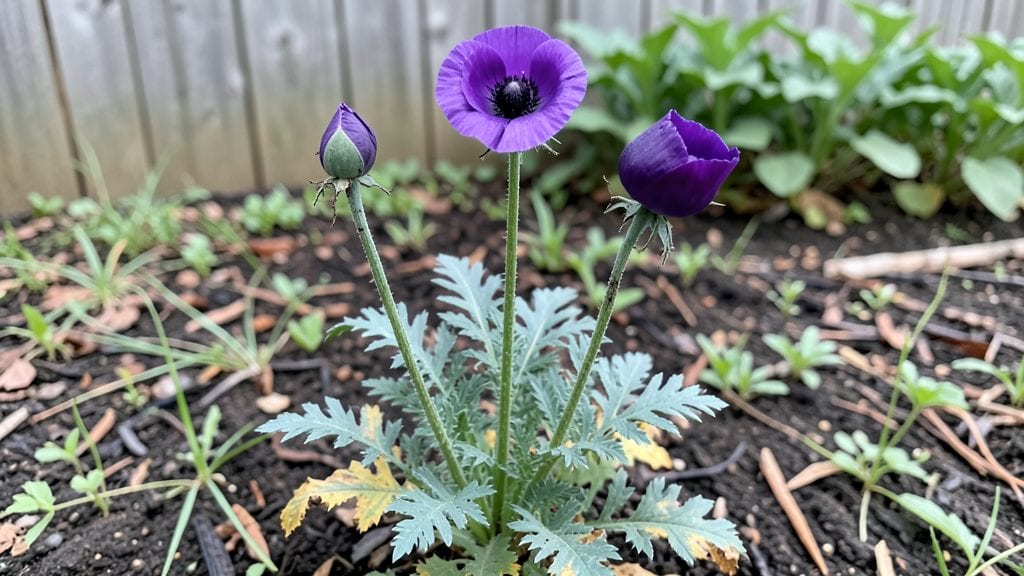
Transform your garden into a dreamy purple paradise with purple poppy flowers as the star—those delicate, airy blooms create a magical canopy that dances in the breeze.
I remember the first time I scattered them along my stone path, and how they turned an ordinary border into a whimsical, storybook scene. Their soft lavender hue softens hard edges while adding unexpected drama, especially when planted in drifts rather than single rows.
The real magic happens when you pair them with the right companions. Silver foliage like lamb’s ear or dusty miller makes the purple poppies pop, while taller grasses or salvia provide the perfect backdrop to let their airy stems sway.
For a cottage garden vibe, mix them with roses and peonies—their early bloom time ensures color from spring through summer, with some varieties even reblooming in fall. The key is placement: they thrive in full sun and well-drained soil, so edge them with drought-tolerant perennials to minimize maintenance.
What you’ll end up with is a garden that feels like a living painting—layers of texture and color that shift with the seasons. The poppies’ papery petals catch the light at dawn, while their seed heads add winter interest.
This isn’t just about pretty flowers; it’s about creating a space that feels alive, intentional, and effortlessly elegant. Let’s bring that drama to your garden.
Whether you’re designing a formal border, a wildflower meadow, or a cozy cottage corner, purple poppies adapt beautifully. They’re perfect for cutting gardens too, adding a romantic touch to bouquets. The secret? Plant them in odd-numbered clusters—three, five, or seven—and watch your garden transform into a dreamy, purple-hued sanctuary.
📚 In This Guide
- What you need
- Instructions
- Tips and common mistakes
- Wrapping up and next steps
What you need
- ● Purple poppy seeds – Choose Papaver somniferum (opium poppy) or Papaver rhoeas (corn poppy) varieties. Quantity: 1–2 grams per 10 sq ft (or ~100 seeds per sq ft for dense planting).
- ● Well-draining potting mix – A blend of 60% garden soil, 30% perlite or sand, and 10% compost (avoid heavy clay!).
- ● Containers or garden beds – 6-inch pots (for seedlings) or full-sun garden spots (6+ hours daily).
- ● Slow-release fertilizer – 10-10-10 NPK ratio (1 tbsp per sq ft at planting).
- ● Watering can or hose with gentle nozzle – Poppies hate soggy roots!
- ● Hand trowel or small shovel – For planting seeds ¼-inch deep.
- ○ Gloves (optional) – Protects hands from prickly seed pods.
- ● Pruning shears – To deadhead spent blooms and encourage reblooming.
- ○ Mulch (straw or pine needles) – Optional for weed suppression in garden beds.
- ○ Sunlight tracker (app or timer) – Optional to monitor 6+ hours of full sun.
How to create a stunning purple poppy flower display
Here's how to transform your garden into a vibrant purple paradise with minimal effort.
🌱 Step 1: Choose the Right Varieties for Your Climate
Purple poppies thrive in USDA zones 3-10, but specific varieties suit different seasons. For spring blooms, try Iceland poppies (Papaver nudicaule), which tolerate light frost. Summer displays shine with Oriental poppies (Papaver orientale), while Corn poppies (Papaver rhoeas) self-seed easily for perennial color. I always check my zone first—poppies planted outside their ideal range struggle to establish roots.
Look for dwarf varieties (12-18 inches tall) if you want them in containers or borders, or tall types (3-4 feet) for dramatic backdrops. The Papaver commutatum series offers deep magenta hues that stand out against silver foliage. I plant mine in clusters of 5-7 plants for maximum visual impact—single stems look sparse, but groups create a lush carpet effect.
☀️ Step 2: Prepare the Planting Site for Maximum Blooms
Poppies demand full sun (6+ hours daily) and well-draining soil—they rot quickly in soggy conditions. I test my garden beds by digging a 6-inch hole, filling it with water, and checking drainage. If water pools after 30 minutes, amend the soil with 2-3 inches of coarse sand or perlite before planting. Poppies hate competition, so remove weeds and loosen the top 12 inches of soil to encourage root spread.
For containers, use a mix of 50% potting soil, 30% perlite, and 20% compost. I skip heavy fertilizers—poppies prefer lean conditions. The key is light, airy soil that mimics their native rocky habitats. Add a slow-release bulb fertilizer at planting time for a gentle nutrient boost without burning roots.
🌿 Step 3: Plant for Season-Long Color and Easy Maintenance
Sow seeds ¼ inch deep in early spring (after frost) or late summer for fall blooms. I plant in rows 12-18 inches apart for easy access and airflow. Press seeds gently into soil—they need light to germinate, so don’t bury them too deep. Water lightly after planting, then let the soil dry completely before watering again. Overwatering causes damping-off, a fungal disease that kills seedlings overnight.
For established plants, space 18-24 inches apart to prevent overcrowding. Poppies self-seed prolifically, so deadhead spent blooms if you want to control spread. I leave some seed pods for natural regeneration—it’s the easiest way to get free plants next year. Mulch lightly with 2 inches of straw to retain moisture without smothering roots.
✂️ Step 4: Care for Poppies Through the Growing Season
Water deeply once a week during dry spells—poppies store moisture in their roots and tolerate drought once established. I check soil moisture by sticking my finger 1 inch deep; if it’s dry, it’s time to water. Avoid wetting foliage to prevent fungal diseases. Poppies are low-maintenance but reward consistent care with bold, long-lasting blooms.
Deadhead faded flowers by pinching off the spent bloom stem just above the next set of leaves. This redirects energy to new growth and extends the flowering season. I also remove any yellowing or diseased leaves immediately to keep plants healthy. Fertilize lightly once in early summer with a balanced 10-10-10 formula—too much nitrogen produces lush foliage but fewer flowers.
⏰ Step 5: Extend the Display with Seasonal Strategies
For year-round color, plant annual poppies in spring and perennial varieties in fall. I mix Iceland poppies (spring) with Oriental poppies (summer) and Corn poppies (fall) for continuous blooms. In colder zones, protect perennials with 2-3 inches of mulch before winter. Poppies are hardy but benefit from winter insulation in exposed areas.
To encourage reblooming, cut back one-third of the foliage after the first flush of flowers. This stimulates a second round of blooms in late summer. I also rotate plants occasionally to ensure even sunlight exposure—poppies lean toward light, so a quarter turn every few weeks keeps them upright. With proper care, your purple poppy display will be the garden’s star attraction from spring through fall.
Tips & tricks for stunning purple poppy displays
Transforming your garden into a purple poppy paradise takes more than just planting seeds—these simple strategies will help you avoid common pitfalls and create a showstopping display that lasts all season.
Variety Pairing: For maximum impact, combine Iceland poppies with Oriental poppies—the early spring blooms of Iceland varieties transition perfectly into the bold summer flowers of Orientals. I've found that planting 5-7 plants per cluster creates that lush, natural look rather than sparse individual stems. This grouping also makes deadheading easier when the blooms fade.
Soil Test Hack: Before amending your soil, do the simple 30-minute drainage test mentioned in Step 2. If water pools after that time, add 2-3 inches of coarse sand or perlite—this mimics their native rocky habitats and prevents root rot. For containers, I use a 50-30-20 mix of potting soil, perlite, and compost to ensure perfect drainage while still providing nutrients.
Watering Wisdom: The 1-inch soil moisture check is your best friend. Poppies store moisture in their roots, so they actually prefer the soil to dry out between waterings. I've learned this the hard way—overwatering leads to damping-off disease, which can wipe out seedlings overnight. Once established, they'll thrive on just deep watering once a week during dry spells.
Seasonal Extension: To get year-round color, plant annual poppies in spring and perennial varieties in fall. I've created continuous blooms by mixing Iceland poppies (spring), Oriental poppies (summer), and Corn poppies (fall). For colder zones, add 2-3 inches of mulch before winter to protect those hardy perennials.
Pro Tips for Purple Poppy Flowers
- Transforming your garden into a purple poppy paradise takes more than just planting seeds—these simple strategies will help you avoid common pitfalls and create a showstopping display that lasts all season.
- Variety Pairing: For maximum impact, combine Iceland poppies with Oriental poppies—the early spring blooms of Iceland varieties transition perfectly into the bold summer flowers of Orientals.
- Soil Test Hack: Before amending your soil, do the simple 30-minute drainage test mentioned in Step 2.
Frequently asked questions
Got questions about growing or styling purple poppy flowers? You’re not alone! Here are some of the most common queries—and their straightforward answers—to help you create a stunning, drama-filled garden.
When is the best time to plant purple poppies for year-round blooms?
For continuous color, plant purple poppies in early spring (March–April) and again in late summer (August–September). They’re frost-tolerant, so spring varieties bloom in 6–8 weeks, while fall plantings often last until the first hard freeze. Pro tip: Mix in slow-releasing fertilizer at planting for extra vigor!
Can I grow purple poppies in containers, or do they need a garden bed?
Purple poppies thrive in containers 12+ inches deep with well-draining soil. Use a mix of potting soil and perlite for airflow. Just ensure pots get 6+ hours of sunlight daily—they’ll reward you with vibrant blooms even in small spaces. Bonus: Add trailing plants like sweet potato vine for a cascading effect!
Why aren’t my purple poppies blooming—are they dying?
Don’t panic! Overcrowding, too much nitrogen, or shady spots can stunt blooms. Try this: Deadhead spent flowers to encourage new buds, thin seedlings (6–12 inches apart), and move pots to sunnier locations. If leaves yellow, check for overwatering—poppies hate soggy roots!
What’s a great alternative if I can’t find purple poppies?
No worries! Try these equally dramatic substitutes:
- Iceland poppies (Papaver nudicaule) – Dwarf varieties with bright magenta blooms.
- Cornflower (Centaurea cyanus) – Deep purple-blue flowers, self-seeding.
- Larkspur (Consolida) – Tall, spiky blooms in vibrant purples.
- Salvia (Salvia nemorosa) – Heat-tolerant with lavender-purple spikes.
Are purple poppies safe for pets if planted near patios?
Yes, but with a caveat! While poppies are non-toxic, their seeds and foliage can cause mild stomach upset if ingested in large amounts. Keep them out of reach of nibbling pets—opt for raised beds or containers if needed. Safe swap: Try calendula or marigolds for pet-friendly color!
Wrapping up and next steps
From their striking purple poppy flowers to their effortless care, these vibrant blooms are the perfect way to add drama and color to any garden—no green thumb required! Whether you’re a seasoned gardener or just starting, their resilience and beauty make them a standout choice for year-round interest. 🌸
Ready to transform your outdoor space? Grab your seeds, pick a sunny spot, and let nature do the rest—your garden (and Instagram feed) will thank you! Start planting today!