
Flowers
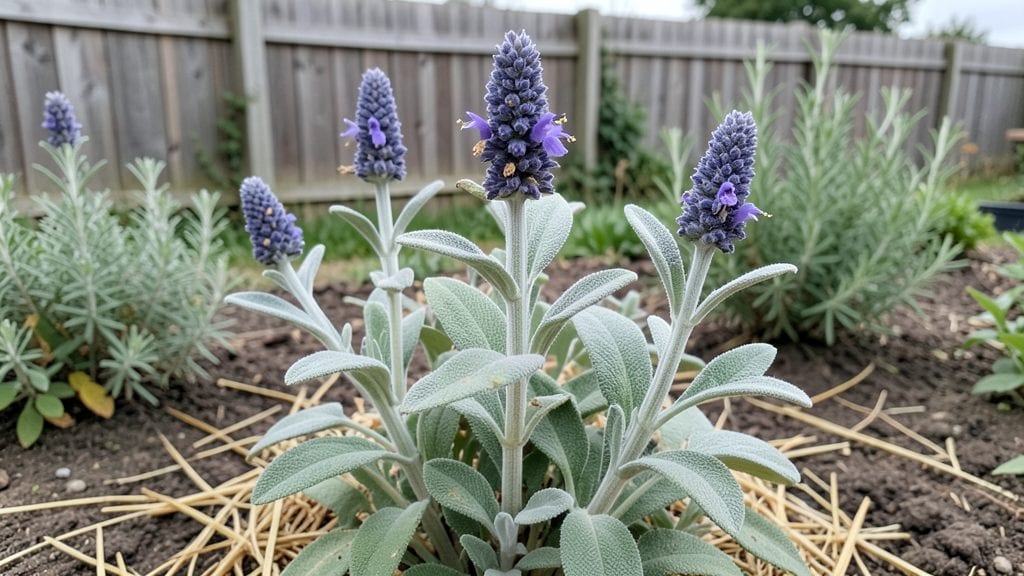
The purple-flowered sage bush with its velvety blooms and year-round fragrance is the Pacific Northwest's secret weapon for effortless beauty—I planted mine three years ago, and it's now the star of my pollinator garden, blooming from late summer. 🌿 through frost, with leaves that smell like a spa retreat year-round.
The key to its success? Full sun, well-draining soil, and watering that mimics the dry summers it loves. Most people overwater, thinking these plants need constant moisture—nothing could be further from the truth. Once established, it thrives on neglect, making it perfect for busy gardeners or those with rocky soil.
By late summer, you'll see those striking purple flower spikes covered in hummingbirds, and the fragrance alone will make your garden the envy of the neighborhood. The bush grows 3-5 feet tall, so it works beautifully as a border plant or a focal point in pollinator-friendly areas.
Winter hardiness in zones 7-11 means it comes back stronger each year, and pruning in early spring keeps it looking its best. Let's get yours growing!
📚 In This Guide
- What you need
- Instructions
- Tips and common mistakes
- Wrapping up and next steps
What you need
- ● Purple sage bush (Salvia leucantha or Salvia officinalis 'Purpurascens') – Choose a healthy nursery plant, seeds, or rooted cuttings.
- ● Well-draining potting mix or garden soil – Aim for a blend with sand or perlite (e.g., 60% native soil, 30% compost, 10% perlite).
- ● Container or garden plot – For containers, use a 5-gallon pot minimum (diameter ≥ 12 inches) with drainage holes. For in-ground planting, pick a sunny, sheltered spot with 6+ hours of sunlight daily.
- ● Organic fertilizer – A balanced 10-10-10 or low-nitrogen (5-10-10) formula to avoid leggy growth.
- ○ Mulch (optional but recommended) – 2–3 inches of pine bark or gravel to retain moisture and deter weeds.
- ● Garden trowel or small shovel – For transplanting or digging.
- ● Pruning shears – Sharp, bypass-style shears (sterilized with rubbing alcohol).
- ● Watering can or hose with a gentle spray nozzle – Sage hates soggy roots!
- ○ Gloves (optional) – Sage leaves can be mildly irritating to sensitive skin.
- ○ Sunlight meter (optional) – To confirm your planting spot gets full sun.
- ○ Hummingbird feeder (optional) – A red, nectar-filled feeder to complement your sage’s natural appeal!
Step-by-step instructions for planting and caring for purple flower sage bush
Here's how to establish this fragrant, hummingbird-loved shrub for lasting beauty.
🌱 Step 1: Choose the Perfect Planting Location
Purple flower sage thrives in full sun—at least 6 hours daily—so pick a spot with morning sun and afternoon shade if your summers are hot. In the Pacific Northwest's cooler climate, it handles partial shade but blooms most abundantly with 6+ hours of direct light. Avoid low-lying areas where cold air settles, as this tender shrub dislikes frost.
Test the soil by scratching the surface—it should drain well. If it feels heavy or stays wet after rain, amend with 2-3 inches of coarse sand or perlite mixed into the top 12 inches of soil. The roots need oxygen, not soggy conditions. I always dig a hole twice as wide as the root ball but only as deep—planting too deep suffocates the stem and invites rot.
🪴 Step 2: Plant With Proper Spacing and Support
Dig a hole 12-18 inches wide and 12 inches deep for each plant, spacing them 3-5 feet apart—they'll spread over time. Gently loosen the root ball if it's tightly packed, then place the shrub in the hole so the top of the root ball sits level with the surrounding soil. Backfill with native soil, tamping lightly every 2 inches to eliminate air pockets.
Water deeply right after planting to settle the soil, then add a 2-inch layer of mulch (like pine bark fines) around the base, keeping it 3 inches away from the stem. This preserves moisture and regulates root temperature. I stake tall varieties immediately with 3-foot bamboo stakes tied loosely to avoid girdling the stem as it grows.
☀️ Step 3: Water and Fertilize for Strong Establishment
Water deeply once weekly during the first growing season, soaking the soil to 12 inches deep. You'll know it's enough when water runs out the drainage holes. Let the top 2 inches of soil dry between waterings—overwatering causes root rot, and this sage prefers moderate moisture. In the Pacific Northwest's damp climate, this means watering less in winter and more in summer.
Apply a balanced, slow-release fertilizer (10-10-10) at planting time, then again in early spring. I avoid high-nitrogen fertilizers—they promote leafy growth at the expense of those stunning purple blooms. Instead, focus on phosphorus and potassium to encourage flowering. Prune back any dead or crossing branches now to improve airflow and reduce disease risk.
✂️ Step 4: Prune for Shape and Blooms
Prune right after flowering (late summer) to shape the shrub and encourage next year's blooms. Cut back one-third of the oldest stems to the base and trim others to maintain an open, rounded shape. Avoid heavy pruning in fall—this sage needs time to harden off before winter. I always sterilize my pruners with rubbing alcohol between cuts to prevent spreading disease.
Watch for leggy growth—this means the plant isn't getting enough light. If branches stretch toward the sun, prune them back by half and move the plant to a sunnier spot. Deadhead spent blooms throughout the season to prolong flowering. In late winter, give the shrub a light trim to remove any frost-damaged growth—you'll recognize it by its brown, brittle appearance.
Tips & tricks for perfect purple flower sage bush
Here's what nobody tells you about growing this hummingbird favorite—tricks that'll make all the difference in your Pacific Northwest garden.
Sunlight Strategy: That 6+ hours of sunlight isn't just about blooms—it's about fragrance too. I've noticed the most aromatic leaves develop when plants get morning sun and afternoon shade during hot summers. In cooler PNW areas, you can push it to partial shade, but those purple flowers will be fewer. Trust me on this: the fragrance fades dramatically when plants get less than 4 hours of direct light.
Soil Science: Don't just test drainage—scratch the soil surface and feel for that gritty texture. If it feels like wet clay, you're in trouble. I've seen purple flower sage thrive in amended soil with just 2-3 inches of coarse sand in the top 12 inches, but plants in unamended heavy soil often develop root rot by late summer. Pro tip: mix in perlite instead of sand if you're in a windy area—it won't blow away.
Planting Depth Secret: That "level with surrounding soil" rule is critical—planting too deep suffocates the stem and creates perfect conditions for rot. I've had to dig up and replant three times because I ignored this. When you place the root ball, imagine the top of the root ball sitting just below where the soil naturally slopes—this gives you that perfect level position without guessing.
Watering Wisdom: The "soak to 12 inches deep" rule is non-negotiable, but here's the trick: use a soil probe or long screwdriver to check moisture. In my experience, most gardeners under-water because they assume the soil is wetter than it is. Water until you see moisture at that 12-inch depth, then let the top 2 inches dry before watering again. In summer, this might mean watering every 4-5 days instead of weekly.
Pro Tips for Purple Flower Sage Bush
- Here's what nobody tells you about growing this hummingbird favorite—tricks that'll make all the difference in your Pacific Northwest garden.
- Sunlight Strategy: That 6+ hours of sunlight isn't just about blooms—it's about fragrance too.
- Soil Science: Don't just test drainage—scratch the soil surface and feel for that gritty texture.
Frequently asked questions
Got questions about growing and caring for your purple flower sage bush? You’re not alone—this stunning PNW favorite has its quirks! Here are some of the most common queries, answered in a flash.
How fast does a purple sage bush grow?
A healthy Salvia ‘Bee’s Bliss’ or similar purple sage can grow 1–2 feet per year, reaching maturity (3–5 feet tall) in 3–5 years. Growth slows in winter but picks up in spring with proper care. Pro tip: Prune lightly in early spring to encourage bushier, fuller growth!
When is the best time to plant purple sage?
For the Pacific Northwest, early spring (March–April) or fall (September–October) are ideal. Planting in spring gives roots time to establish before summer heat, while fall avoids winter stress. Avoid planting in hot summer months—sage hates soggy roots!
Why aren’t hummingbirds visiting my purple sage bush?
Hummingbirds love purple sage, but a few factors might deter them: lack of nectar (ensure it’s in full bloom), competing plants (remove invasive species nearby), or poor location (plant near feeders or sunny spots). Try this: Add a red flower nearby or offer a sugar-water feeder as a backup!
Can purple sage survive PNW winters?
Native to the PNW, purple sage is hardy to USDA Zones 7–10 and thrives in frost. Mulch heavily (3–4 inches) in late fall to protect roots, and avoid overwatering—sage hates wet feet. Bonus: Its silvery foliage adds winter interest!
What if my purple sage turns yellow or looks sick?
Yellowing leaves often signal overwatering (sage prefers dry soil) or nutrient deficiency (feed with low-nitrogen fertilizer in early spring). Check for pests like aphids too! Fix it: Reduce watering, trim dead growth, and amend soil with compost.
Are there drought-tolerant alternatives to purple sage?
If you need low-water plants, try these PNW-friendly swaps:
- Lavender (drought-resistant, fragrant, pollinator-friendly)
- Oregon grape (evergreen, blue flowers, thrives in shade)
- Ceanothus (‘Concha’) (drought-proof, blue blooms, hummingbird magnet)
- Yarrow (tough, colorful, attracts butterflies)
Wrapping up and next steps
The purple flower sage bush is more than just a stunning addition to your Pacific Northwest garden—it’s a hummingbird haven and a fragrant year-round star! 🌿 With its low-maintenance charm and vibrant blooms, it’s perfect for attracting pollinators while adding texture and color to your outdoor space.
Ready to transform your garden? Start by choosing the right variety for your climate, then plant with care and enjoy the rewards—bees, butterflies, and hummingbirds will thank you! Grab your gloves and get growing!