
Flowers
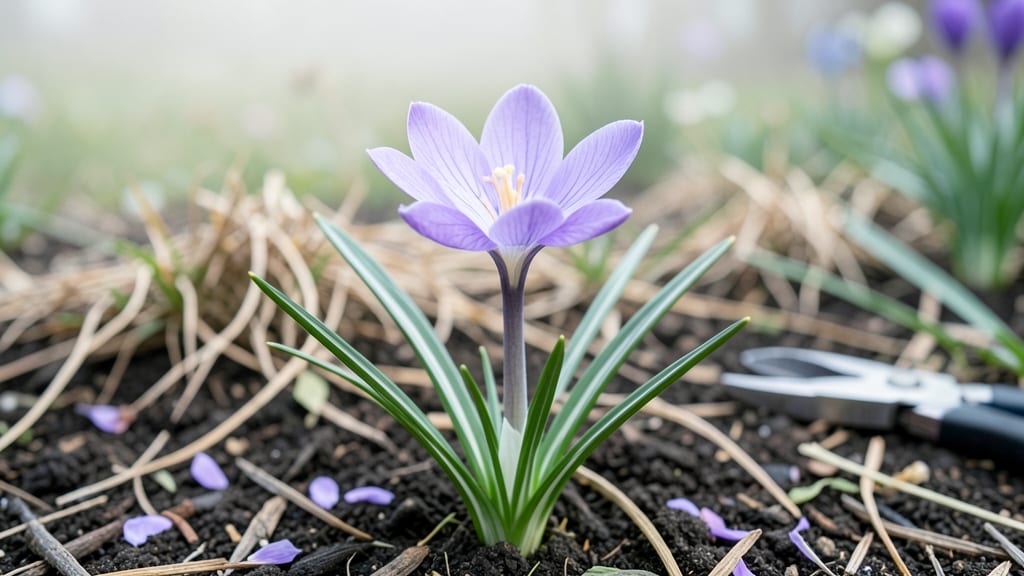
Purple crocus flowers burst through frozen ground like nature’s first splash of drama—deep violet petals that turn even the dreariest winter into a showstopper. 🌿 I remember the first time I saw them peeking through snow in my front yard, their delicate cups catching the weak spring sun like tiny stained-glass windows.
These aren’t just flowers; they’re the garden’s opening act, signaling that winter’s grip is loosening.
They thrive in sunny spots with well-drained soil, making them perfect for rock gardens, borders, or even container edges where their 3-inch height won’t overwhelm. Pair them with white hellebores for contrast or yellow daffodils for a pop of brightness—both bloom around the same time.
The key? Plant them in fall so they establish roots before winter’s chill sets in.
What makes them magical is how they transform a space—imagine a drift of purple along a sidewalk or tucked between stepping stones. Bees and early pollinators adore them, too, turning your garden into a buzzing hub before most plants even wake up.
Their fragile yet bold presence is the secret to making early spring feel intentional.
For maximum impact, plant in clusters of 10-15 bulbs for a naturalistic look. They’ll naturalize over time, returning year after year with less effort. The best part? Their late-winter to early-spring bloom time gives you a head start on seasonal color—long before tulips or irises even think about showing up.
📚 In This Guide
- What you need
- Instructions
- Tips and common mistakes
- Wrapping up and next steps
What you need
- ● Purple crocus bulbs (e.g., Crocus vernus or Crocus tommasinianus): Quantity: 10–20 bulbs (for a small garden patch) or 50+ (for a full border).
- ● Size: Medium to large bulbs (1.5–2 inches in diameter) for best blooms.
- ● Well-draining soil: Type: Sandy loam or loamy soil with pH 6.0–7.0.
- ● Amendment: Mix in compost or perlite (1 part to 3 parts soil) if soil is heavy clay.
- ● Sunlight access: Full sun to partial shade (3–6 hours of sunlight daily).
- ● Hand trowel (for planting bulbs).
- ● Garden gloves (to protect hands while handling soil/bulbs).
- ● Watering can or hose with a gentle spray nozzle (avoid overwatering!).
- ○ Mulch (optional): Type: Straw or shredded bark (1–2 inches thick) to retain moisture.
- ● Timing: Plant bulbs in fall (8–10 weeks before first frost) for spring blooms.
- ● Seeds (if using): Start indoors 10–12 weeks before last frost.
- ● Location prep: Clear the area of weeds or debris.
- ● Test soil moisture—crocus bulbs rot in soggy soil!
- ● Choose a visible spot: Purple crocus thrives in rock gardens or near pathways where their early blooms can be enjoyed.
- ● Avoid fertilizers: Crocus bulbs don’t need extra nutrients—too much can harm them!
- ● Label your bulbs if planting multiple varieties to track favorites.
Step-by-step guide to planting and caring for purple crocus
Here's how to bring early spring color to your garden with minimal fuss.
🌱 Step 1: Choose the Perfect Planting Location
Purple crocus thrives in spots with full sun to partial shade, but the key is well-draining soil. If your garden has heavy clay, amend the area with 2-3 inches of compost mixed into the top 6 inches of soil. I like to plant mine where they'll peek through snow—early bloomers need that cold exposure to trigger flowering.
Test your spot by pressing a handful of soil—if it clumps tightly when dry, add sand or gravel to improve drainage. Crocus roots rot quickly in soggy conditions, so this step prevents future heartbreak. Mark the area with small stakes if you're planting in clusters, as these flowers multiply over time.
🪴 Step 2: Plant Corms at the Right Depth and Spacing
Plant corms 3-4 inches deep in the soil, with the pointed end facing up—this ensures proper growth direction. For 4 plants, space them 3-4 inches apart in a loose grid pattern. I tap the corms gently into the soil with my finger to avoid bruising, which can invite rot.
Cover with soil and pat lightly to eliminate air pockets. Water immediately after planting to settle the soil around the corms. You won't see anything above ground for a few weeks, but roots will establish in the cold. This is why fall planting works best—crocus needs winter chill to bloom reliably.
☀️ Step 3: Provide Minimal Care Through Winter
After planting, water only if the ground stays bone-dry for weeks—crocus stores energy in its corms and doesn't need much moisture. Mulch with 1-2 inches of straw or shredded leaves to protect from harsh freezes, but leave the area uncovered if you want snow to blanket them naturally.
In late winter, watch for green shoots breaking through the soil—this is your cue that spring is near. Resist the urge to fertilize; crocus blooms best with lean soil. Over-fertilizing leads to lush foliage but fewer flowers. Once blooms appear, enjoy them for 1-2 weeks before the foliage yellows naturally.
✂️ Step 4: Maintain and Encourage Future Blooms
After flowering, let the leaves die back naturally—they feed the corm for next year's blooms. I mark planting spots with small flags or pebbles so I don't accidentally dig up corms when the foliage fades. Water occasionally during dry spells in early spring to support leaf growth.
Divide clumps every 3-4 years when blooms become sparse. Dig up corms in late summer, separate the smaller ones, and replant immediately. This keeps your display vibrant. Purple crocus is tough—once established, it multiplies on its own and returns year after year with almost no effort.
Tips & tricks for perfect purple crocus planting
Here's what I learned after years of planting these cheerful early bloomers—tricks that'll make your crocus thrive with almost no effort.
Soil Prep Secret: If your garden soil has any doubt about drainage, mix in 2-3 inches of compost into the top 6 inches of soil before planting. I've seen crocus roots rot when planted in soggy spots—this simple amendment prevents that heartbreak. For heavy clay, add coarse sand or small gravel to break up compaction. The goal is soil that crumbles easily when dry, not clumps tightly.
Planting Direction Matters: Always plant corms with the pointed end facing up—this ensures proper growth direction and prevents awkward growth patterns. I tap them gently into the soil with my finger rather than pressing hard, which can bruise the corms and invite rot. Think of it like placing a tiny onion bulb—pointy side up, gentle placement.
Winter Care Strategy: After planting, mulch with just 1-2 inches of straw or shredded leaves to protect from harsh freezes. The key is minimal coverage—too much mulch can create moisture problems. I leave some areas uncovered to let snow blanket them naturally, which actually helps protect the corms from extreme temperature swings.
Dividing Clumps: When you're ready to divide clumps every 3-4 years, do it in late summer after the foliage has died back. I dig up the corms, separate the smaller ones, and replant immediately. This keeps your display vibrant and prevents overcrowding. The smaller corms you separate will produce flowers in about 2 years—patience pays off with more blooms!
Pro Tips for Purple Crocus Flower
- Here's what I learned after years of planting these cheerful early bloomers—tricks that'll make your crocus thrive with almost no effort.
- Soil Prep Secret: If your garden soil has any doubt about drainage, mix in 2-3 inches of compost into the top 6 inches of soil before planting.
- Planting Direction Matters: Always plant corms with the pointed end facing up—this ensures proper growth direction and prevents awkward growth patterns.
Frequently asked questions
Got questions about purple crocus flowers? You’re not alone! Here are some of the most common inquiries—plus expert answers to help you grow and enjoy these early spring stars.
When is the best time to plant purple crocus bulbs?
Plant them in fall (6–8 weeks before the first frost) for blooms next spring. Aim for well-draining soil and a sunny spot—even partial shade works. Bulbs need cold to trigger growth, so don’t plant too early!
Do purple crocus flowers attract bees and butterflies?
These early bloomers are a pollinator magnet, especially for bees who rely on them when other flowers are scarce. Plant them near perennials to extend the buffet for hungry insects.
Can I grow purple crocus in containers?
Yes! Use shallow containers with drainage holes and a mix of potting soil and sand. Place them in a sunny spot and water sparingly—crocus hate soggy roots. Perfect for balconies or patios!
Why aren’t my crocus flowers blooming?
Check these fixes:
- Not enough chill time: Bulbs need 6–8 weeks below 40°F (4°C).
- Too much shade: Move to a sunnier spot.
- Overcrowding: Dig up and replant bulbs every 3–4 years.
What’s a good alternative if I can’t grow crocus?
Try dwarf iris, snowdrops, or heather for early color. For pollinators, winter aconite or glory-of-the-snow are great substitutes. All thrive in similar conditions!
Wrapping up and next steps
The purple crocus isn’t just a harbinger of spring—it’s a tiny powerhouse that brightens gardens, supports pollinators, and brings joy with its delicate beauty. Whether you’re planting it for early color, wildlife benefits, or simply to admire its resilience, this flower proves that small wonders make a big impact. 🌸
Ready to bring some magic to your garden? Start small—grab a few bulbs, follow the care tips, and watch your yard transform into a pollinator paradise. Every purple crocus planted is a step toward a greener, more vibrant world!