
Flowers
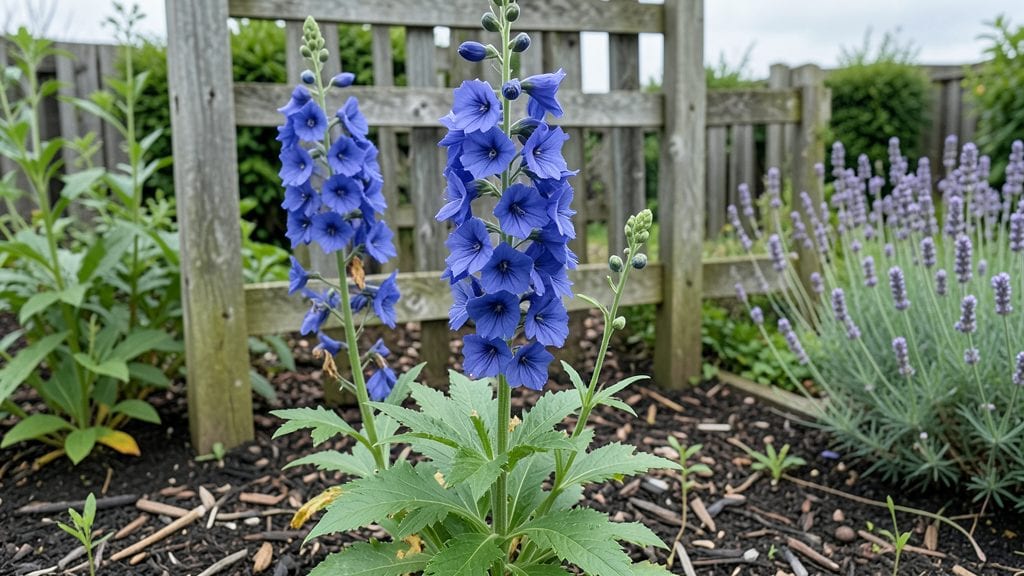
Your Pacific Northwest garden deserves a frost-resistant color canopy that steals the show, and purple and blue flowers deliver that drama with effortless elegance. 🌿 These cool-toned blooms thrive in the region’s damp, mild winters, turning even the dreariest days into postcard-worthy scenes.
Lavender’s silvery foliage and hydrangeas’ big, billowy clusters create instant texture, while delphiniums add vertical punch that draws the eye upward.
The magic happens in layering—pair deep purple salvias with sky-blue lobelias for a cottage-garden feel, or contrast lavender’s softness with bold blue agapanthus for modern impact. White or silver foliage plants (like lamb’s ear) act as perfect neutral backdrops, letting the purples and blues pop.
For containers, mix trailing blue nemesia with upright catmint to create cascading waterfalls of color that spill over edges beautifully.
You’ll end up with a garden that feels lush and alive from spring through fall, even after frost. The scent of lavender mingling with the crisp air, the way hydrangeas change color with the seasons—these are the little luxuries that make gardening feel like a daily celebration.
Plus, these plants attract pollinators while standing up to the region’s damp weather better than most.
Whether you’re designing a full flower bed or just refreshing a few containers, these combos work in any space. Start small with a single pot of blue salvia on your patio, or go bold with a border of delphiniums and phlox.
The possibilities are endless, and the results? Pure, effortless beauty that keeps giving all season long.
📚 In This Guide
- What you need
- Instructions
- Tips and common mistakes
- Wrapping up and next steps
What you need
- ● Flower varieties: Choose frost-hardy options like Delphiniums, Lupines, Iris, Salvia, or Alliums (10–20 plants per section for full coverage).
- ● Soil amendments: 1–2 bags of compost (per 10 sq ft)
- ● 1 bag of peat moss or coconut coir (for drainage)
- ○ Optional: Slow-release balanced fertilizer (10-10-10) (1 lb per 100 sq ft)
- ● Watering tools: Garden hose with adjustable nozzle
- ● Watering can (for delicate seedlings)
- ● Gardening tools: Trowel or hand fork
- ● Pruners (for trimming)
- ● Garden gloves (to protect from thorns or soil)
- ● Location: Full sun to partial shade (6+ hours of light/day). Test soil pH (aim for 6.0–7.0; adjust with lime or sulfur if needed).
- ○ Optional extras: Mulch (straw or wood chips, 2–3 inches thick)
- ● Stakes or cages (for tall varieties like Delphiniums)
- ● Drip irrigation system (for low-maintenance watering)
How to create a frost-tolerant purple and blue flower garden
Here's how to build a vibrant, cold-hardy display that thrives in Pacific Northwest winters.
🌱 Step 1: Select the Right Frost-Resilient Varieties
Start with plants that handle temperatures down to 10°F or lower. My go-to choices include Delphiniums (tall, dramatic spikes), Lupines (drought-tolerant perennials), Crocus (early spring bloomers), and Salvia (long-blooming workhorses). These all thrive in zones 4-8, making them perfect for PNW winters.
Look for named varieties like 'Blue Bird' Delphinium or 'Russell Hybrid' Lupines—these are specifically bred for cold climates. I always check the plant tag for the USDA hardiness zone to avoid frost-sensitive varieties that promise "blue" but actually fade to purple in cool weather.
☀️ Step 2: Choose the Perfect Planting Location
Most purple and blue flowers need full sun (6+ hours daily) for vibrant color, but a few like Lungwort tolerate partial shade. In the PNW, that means south-facing spots where winter sun can still reach. I test locations by watching how long shadows linger—if the area stays in shade past 3 PM, it's not ideal for sun-lovers.
Elevated spots or slopes get less frost accumulation, which is crucial for early bloomers like Crocus. If your yard is flat, plant these varieties near the foundation where cold air settles less. Amend heavy clay soil with 2-3 inches of compost before planting to improve drainage—waterlogged roots in winter can rot even the hardiest plants.
💧 Step 3: Plant at the Right Depth and Spacing
Dig holes twice as wide as the root ball but only as deep—the top of the root ball should sit 1 inch below soil level. This prevents crown rot from sitting too low in winter moisture. I always tap the sides of the hole gently to remove air pockets before placing the plant.
Spacing matters for airflow and winter survival. Give Delphiniums 24-36 inches apart (they get tall!), Lupines 18-24 inches, and Salvia 12-18 inches. Crowding invites fungal diseases that thrive in damp PNW winters. After planting, water deeply to settle the soil and remove any air gaps around roots.
⏰ Step 4: Mulch for Winter Protection
Spread 3-4 inches of shredded bark mulch over the root zones after the first frost. This insulates roots from temperature swings while allowing moisture to penetrate. I avoid thick layers—too much mulch can smother plants and trap excess moisture, leading to rot.
For extra protection, top-dress with 2-3 inches of straw in late fall for varieties like Crocus that bloom early. Remove it in early spring once new growth appears. This simple layer can mean the difference between a plant that greens up in spring and one that fails to emerge.
🌿 Step 5: Maintain Through the Seasons
Water deeply once a month during winter if rainfall is scarce—most PNW winters get enough moisture, but container-grown plants dry out faster. In spring, fertilize with 10-10-10 at half strength when you see new growth. I always wait until after the last frost date to avoid burning tender shoots.
Deadhead spent blooms in summer to encourage more flowers, but leave the seed heads on a few plants for winter interest. In fall, cut back perennials by half their height and add a fresh layer of mulch. This keeps the garden looking tidy while protecting roots through winter's coldest months.
Tips & tricks for perfect purple and blue flower gardens
Real talk: PNW winters can be brutal on flowers, but these tricks ensure your purple and blue blooms thrive year after year.
Variety Verification: Always double-check the USDA hardiness zone on plant tags—especially for Delphiniums and Lupines. I learned this the hard way after planting a "blue" variety that faded to lavender in our 5°F dips. Stick to named varieties like 'Blue Bird' Delphinium, which is specifically bred for cold resilience down to 10°F.
Sunlight Strategy: For that vibrant purple and blue color, prioritize south-facing spots where flowers get at least 6 hours of direct sunlight. Here's a pro move: Use a solar path calculator to map your yard's sunlight patterns. I test locations by placing a white plate where I plan to plant—if shadows linger past 3 PM, that spot won't work for sun-lovers like Salvia.
Mulching Mastery: The 3-4 inches of shredded bark mulch isn't just decoration—it's insulation. Apply it after the first frost when soil temps drop below 40°F. For early bloomers like Crocus, add that extra 2-3 inches of straw in late fall. I always remove the straw in early spring once I see green shoots emerging to prevent rot.
Spacing Secret: Those 24-36 inch spacing measurements for Delphiniums aren't arbitrary—they prevent fungal diseases that thrive in damp PNW winters. I mark planting spots with sticks before digging to ensure proper spacing. For Lupines, which have deep taproots, I actually dig holes 3 inches deeper than the root ball to accommodate their growth pattern.
Pro Tips for Purple And Blue Flowers
- Real talk: PNW winters can be brutal on flowers, but these tricks ensure your purple and blue blooms thrive year after year.
- Variety Verification: Always double-check the USDA hardiness zone on plant tags—especially for Delphiniums and Lupines.
- Sunlight Strategy: For that vibrant purple and blue color, prioritize south-facing spots where flowers get at least 6 hours of direct sunlight.
Frequently asked questions
Got questions about purple and blue flowers in the Pacific Northwest?
You’re not alone! Here are some of the most common queries—and answers—to help you grow a stunning, frost-resistant color canopy with confidence.
What are the best purple and blue flowers for cold climates?
The Pacific Northwest’s chilly winters call for hardy blooms like Delphiniums, Lupines, Iris, and Salvia. These thrive in zones 5–9, often blooming from early spring to late summer. For extra resilience, opt for native varieties like Pacific Giant Hyacinth or Western Columbine—they’re tough, drought-tolerant, and pollinator magnets!
Will purple and blue flowers survive frost?
Many PNW favorites are frost-tolerant, especially if established before winter. Delphiniums and Lupines often regrow from their roots after a freeze, while Iris and Salvia handle light frosts with ease. Just avoid planting tender annuals (like Petunias) until after the last frost—usually late May in most of the region.
When is the best time to plant purple and blue flowers in the PNW?
For perennials, early spring (March–April) or fall (September–October) are ideal—so roots establish before winter. Annuals (like Cornflowers) can go in after frost risk passes (mid-May). Pro tip: Mulch newly planted perennials with 2–3 inches of straw or wood chips to protect them from early frosts.
How can I mix purple and blue flowers for the best color contrast?
Pair deep purples (Salvia ‘May Night’) with soft blues (Delphinium ‘Blue Lake’) for drama, or combine lavender (Lavender ‘Munstead’) with sky-blue Iris for a dreamy look. Add silver foliage (like Artemisia ‘Powis Castle’) to make colors pop. For height variety, place taller Delphiniums at the back and shorter Lupines in front.
Are purple and blue flowers good for attracting pollinators?
You bet! Bees, butterflies, and hummingbirds love these hues. Lupines and Salvia are bee superstars, while Iris and Delphiniums draw hummingbirds. For a pollinator paradise, plant in clusters (3+ of each) and avoid pesticides. Bonus: Native Blue Flax is a hummingbird favorite and thrives in dry PNW soils!
Wrapping up and next steps
From the delicate Delphinium to the hardy Lupine, the Pacific Northwest’s purple and blue flowers prove that beauty thrives even in cooler climates! 🌿 These frost-resistant blooms not only add vibrant color to gardens but also support local ecosystems and pollinators.
Whether you're a seasoned gardener or just starting, embracing these stunning shades can transform your outdoor space into a serene, year-round masterpiece.
Ready to bring more color to your garden? Start small—try planting a few Lavender or Salvia varieties this season! With the right care, your frost-resistant floral haven will flourish for years to come.