
Succulent
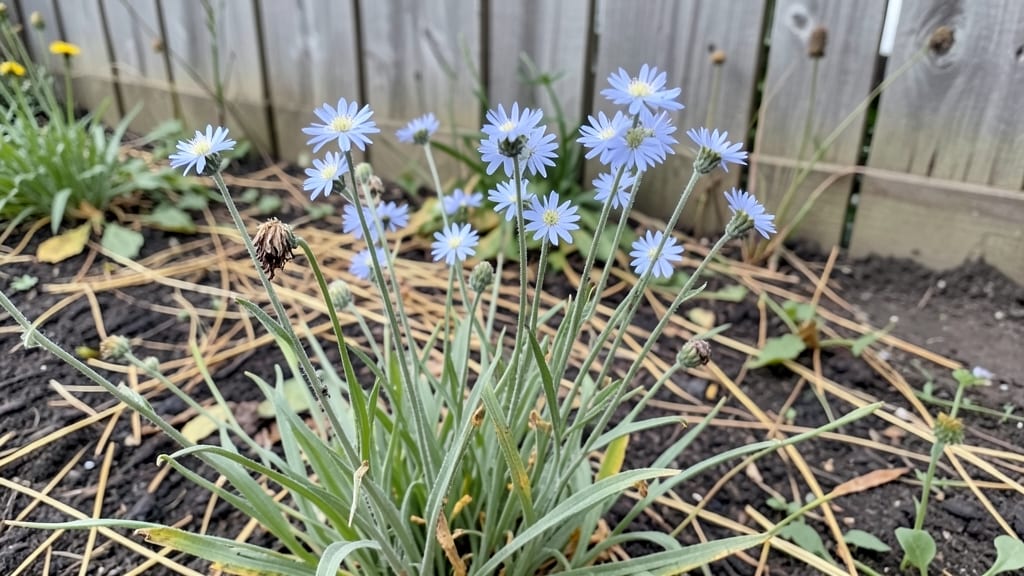
Growing blue flax wildflower (Linum lewisii) transforms your Pacific Northwest garden into a sky-blue dream. 🌿 This drought-tolerant beauty thrives where many succulents fail—even through our chilly winters—while demanding almost no fuss once established.
I’ve watched it spread effortlessly in my own yard, blanketing slopes with delicate blooms that hum with bees from spring to fall.
The secret to its success lies in mimicking its native habitat: well-draining soil (mix in sand or gravel if your yard stays damp) and full sun (at least 6 hours daily). Plant seeds in early spring or fall—just scratch them into the soil, press lightly, and forget about them.
Water lightly until germination (about 2 weeks), then let nature take over. This isn’t a high-maintenance plant; it’s a low-effort, high-reward groundcover that outperforms most annuals.
By midsummer, you’ll see those iconic sky-blue star-shaped flowers popping up everywhere, creating a mesmerizing carpet that lasts until frost. The plants self-seed aggressively, so you’ll have more blooms each year without lifting a finger.
Even deer usually leave it alone—a rare win for PNW gardeners. The only real challenge? Keeping it from spreading too much in small gardens (more on that later).
Perfect for slopes, meadows, or even container edges, blue flax thrives in zones 3-9, making it one of the most versatile and resilient wildflowers for our climate.
Once you try it, you’ll wonder why you didn’t plant it sooner—it’s that easy (and that beautiful). Let’s get those seeds in the ground!
📚 In This Guide
- What you need
- Instructions
- Tips and common mistakes
- Wrapping up and next steps
What you need
- ● Blue Flax Wildflower Seeds or Seedlings: Seeds: 1 packet (500–1,000 seeds, non-GMO, untreated for best germination).
- ● OR Seedlings: 3–5 healthy 4" pots (verify hardy to USDA Zones 3–9).
- ● Well-Draining Soil Mix: 50% cactus/succulent mix (or sandy loam for native gardens).
- ● 30% perlite or pumice (for aeration).
- ○ 20% compost (optional, for nutrients).
- ○ Growing Containers (Optional but Helpful): 6–12" pots with drainage holes (for seedlings).
- ● OR raised beds (for direct sowing).
- ● Hand Trowel or Transplanter (for digging small holes).
- ● Watering Can with Rose Attachment (gentle watering = happy flax!).
- ● Garden Gloves (to protect hands from rocky PNW soil).
- ○ pH Test Kit (Optional) – Aim for 6.0–7.5 (flax prefers slightly acidic to neutral soil).
- ○ Mulch (Optional) – Pine needles or gravel to retain moisture and deter weeds.
- ● Sunlight: Full sun (6+ hours/day) – Blue flax thrives in the PNW’s brightest spots!
- ● Water Access: Drought-tolerant once established, but keep soil lightly moist for the first 2 weeks.
- ● Patience: Seeds may take 10–14 days to germinate (or up to 3 weeks in cool PNW springs).
- ● Frost Hardiness: No worries—blue flax handles Zone 3 winters like a champ!
Step-by-step guide for planting blue flax wildflowers
Here's how to establish these drought-tolerant beauties with minimal fuss.
🌱 Step 1: Choose the Perfect Planting Site
Blue flax thrives in full sun—at least 6-8 hours daily—but tolerates light shade in hotter Pacific Northwest summers. Avoid low-lying areas where frost collects. The soil should drain quickly; these plants hate soggy roots. I like to test drainage by digging a 6-inch deep hole and filling it with water—if it drains within 30 minutes, it's perfect.
Loosen the soil to 12 inches deep with a garden fork to encourage root penetration. Blue flax spreads easily, so space plants 12-18 inches apart in rows 2 feet apart for a natural meadow look. If your soil is heavy clay, mix in 2 inches of coarse sand or compost to improve texture.
💧 Step 2: Plant Seeds or Transplants at the Right Time
For fastest results, plant bare-root seedlings in early spring after the last frost, when soil temperatures reach 50°F. If starting from seed, sow directly in fall or early spring—they germinate best in cool conditions. Press seeds ¼ inch deep and cover lightly; don't bury them too deep or germination slows.
Water deeply right after planting to settle the soil, then let it dry slightly before watering again. Overwatering now causes rot. You'll know moisture is right when the soil feels damp 1 inch below the surface. Blue flax is drought-tolerant once established, but young plants need consistent moisture for the first 4-6 weeks.
☀️ Step 3: Maintain with Minimal Care
Once established, blue flax needs almost no maintenance. Water only during prolonged dry spells—once every 2-3 weeks in summer unless rainfall is scarce. These plants store water in their succulent stems, so they bounce back quickly after drought. Fertilizer isn't necessary; too much nitrogen reduces flowering.
Deadhead spent blooms in late summer to encourage a second flush of flowers, but leave some seed heads for wildlife. In winter, the plants die back to the ground but resprout from the base in spring. If you notice yellowing leaves in summer, it's often just heat stress—not a problem. Just ensure they get morning sun and afternoon shade in extreme heat.
✂️ Step 4: Divide and Share After 3 Years
Blue flax forms dense clumps over time. After 3 years, dig up the entire plant in early spring and divide it into 3-4 inch sections, each with a healthy root system. Replant divisions immediately in prepared soil. This keeps plants vigorous and prevents overcrowding. You'll see new growth within 2-3 weeks of replanting.
Here's the thing—blue flax spreads aggressively, so if you don't want it taking over, plant it in containers with drainage holes. The roots will find their way out eventually, but it buys you time. I've seen it naturalize beautifully in meadows, but it's not for tidy borders.
Tips & tricks for perfect blue flax wildflower planting
Common pitfalls—and how to sidestep every one—when establishing these resilient beauties in your garden.
Sunlight Strategy: While blue flax thrives in full sun, I've noticed the best blooms come from plants getting morning sun and afternoon shade during our Pacific Northwest summers. Position them where they receive at least 6-8 hours of sunlight daily, but if your garden gets intense afternoon heat, a slight shift toward the east side of your yard can prevent heat stress. The delicate blue flowers actually close during extreme heat, so this adjustment makes all the difference.
Soil Test Hack: Before planting, I always do this quick test: dig a 6-inch deep hole and fill it with water. If it drains within 30 minutes, you're good to go. For heavy clay soil, mix in 2 inches of coarse sand or compost to improve drainage—this prevents the dreaded root rot that can kill young plants. I've seen blue flax struggle in compacted soil, so this simple prep step saves headaches later.
Planting Timing: The 50°F soil temperature threshold in Step 2 is your green light for planting bare-root seedlings. I've planted mine too early when soil was still chilly, and the roots just sat there waiting. Use a soil thermometer if you're unsure—it's worth the investment. For seeds, fall planting works beautifully because the cool conditions actually improve germination rates compared to summer heat.
Watering Wisdom: That first 4-6 weeks of consistent moisture is critical, but don't drown them! I learned this the hard way—overwatering causes rot. Instead, water deeply when the soil feels dry 1 inch below the surface. Once established, these plants become incredibly drought-tolerant, storing water in their succulent stems like little desert survivors.
Pro Tips for Blue Flax Wildflower
- Common pitfalls—and how to sidestep every one—when establishing these resilient beauties in your garden.
- Sunlight Strategy: While blue flax thrives in full sun, I've noticed the best blooms come from plants getting morning sun and afternoon shade during our Pacific Northwest summers.
- Soil Test Hack: Before planting, I always do this quick test: dig a 6-inch deep hole and fill it with water.
Frequently asked questions
Got questions about growing blue flax wildflower (Linum lewisii) in your PNW garden?
Here are some of the most common ones—and their answers—to help you cultivate this stunning, cold-hardy beauty with confidence.
When is the best time to plant blue flax wildflower?
Plant blue flax in early spring (March–April) or early fall (September–October) for the best results. This timing allows roots to establish before summer heat or winter frost. Avoid planting in late summer, as the heat can stress young seedlings.
How much water does blue flax wildflower need?
Once established, blue flax is drought-tolerant and thrives with minimal watering. Water deeply but infrequently—about once a week during dry spells—to encourage deep root growth. Overwatering can lead to root rot, so well-draining soil is a must!
Can blue flax grow in shade?
While blue flax prefers full sun (6+ hours daily), it can tolerate partial shade (4–6 hours of sun) in hotter climates. In the Pacific Northwest, where shade is common, it may still flower but could produce fewer blooms. Test a spot for a few weeks to gauge sunlight exposure.
Are there any pests or diseases to watch for?
Blue flax is generally pest-resistant, but keep an eye out for aphids or spider mites in dry conditions. If spotted, blast them off with water or use neem oil. Fungal issues (like powdery mildew) are rare but can occur in overly moist soil—ensure good airflow and avoid overhead watering.
How do I make my blue flax bloom more?
To encourage vibrant blooms, deadhead spent flowers regularly and fertilize lightly with a balanced, low-nitrogen fertilizer (like 5-5-5) in early spring. Prune back leggy stems after flowering to promote bushier growth. Blue flax also loves well-draining, slightly alkaline soil—amend with compost or crushed limestone if needed.
Is blue flax truly cold-hardy?
This native PNW wildflower handles USDA Zones 3–9 and even thrives in light frost. While young plants may need winter mulch in colder zones, mature blue flax rebounds beautifully after cold snaps. It’s a fantastic low-maintenance choice for wildflower meadows or drought-tolerant gardens.
Wrapping up and next steps
Ready to transform your Pacific Northwest garden with the striking blue flax wildflower? This cold-hardy succulent isn’t just beautiful—it’s low-maintenance and thrives in your region’s unique climate. Whether you’re planting seeds, propagating cuttings, or simply admiring its vibrant blooms, you now have the tools to succeed.
🌱 Your next step: Grab your gloves, pick a sunny spot, and get growing! Share your progress with fellow gardeners or experiment with companion plants to create a stunning wildflower display. Happy planting! 🌿