
Flowers
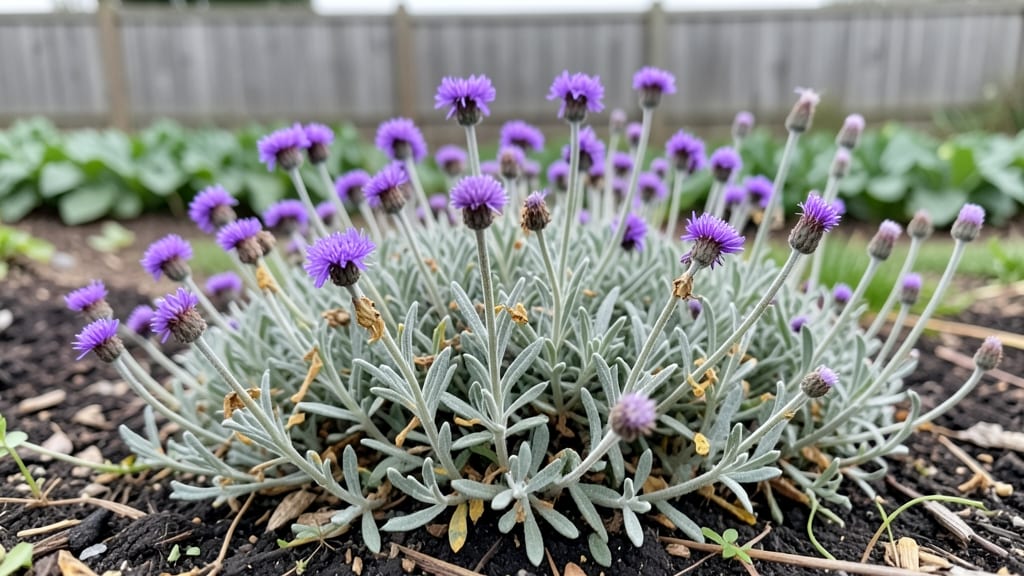
That first flush of purple candytuft in late spring feels like a secret gift from the Pacific Northwest—delicate clusters of lavender-pink blooms that shrug off frost and thrive where other flowers falter. 🌿 I planted mine last year after struggling with finicky annuals, and now it’s the first thing my neighbors ask about when they see the cottage garden.
The key? Understanding its stubborn charm: it wants sun, tolerates poor soil, and blooms like clockwork if you let it.
You’ll need a spot with at least 6 hours of sun daily (more is better for deeper color) and soil that drains like a sieve—sandy or rocky works just fine.
My plants in well-draining, slightly alkaline soil (pH 6.0–7.5) produce the most vibrant blooms, though they’ll forgive you if you skip the soil test. Watering is where most people trip up: keep the roots barely moist—overwatering turns those pretty flowers into sad, leggy stems.
By mid-summer, your candytuft will look like a well-behaved shrub, not a high-maintenance diva. A light trim after blooming encourages a second flush, and dividing clumps every 3–4 years keeps them compact. Pair it with lavender, catmint, or Russian sage for a PNW-friendly, drought-tolerant dream team that hums with pollinators.
The best part? It’s frost-proof—no fussing with winter protection, just let it nap until spring.
Here’s the real magic: those purple blooms stay fresh for weeks if you deadhead spent flowers, and the foliage stays lush even when summer heats up. The only mistake I see beginners make is over-fertilizing—this plant prefers neglect to rich soil.
Ready to add some effortless charm to your garden? Let’s get those roots in the ground.
📚 In This Guide
- What you need
- Instructions
- Tips and common mistakes
- Wrapping up and next steps
What you need
- ● Purple candytuft plants: 6–12 healthy seedlings (from a local nursery or online garden center) OR
- ● Seeds (sow indoors 6–8 weeks before last frost or directly in spring).
- ● Well-draining soil: 1 bag garden soil (or a mix of 60% topsoil + 40% perlite/sand for better drainage).
- ○ Optional: 1 lb compost or slow-release fertilizer (10-10-10 ratio) for nutrient boost.
- ● Sunlight access: Full sun (6+ hours/day) or partial shade (3–6 hours) for milder PNW climates.
- ● Basic gardening tools: 1 hand trowel (for transplanting seedlings).
- ● 1 pruning shears (for deadheading or shaping).
- ● 1 garden fork (to loosen soil before planting).
- ○ Optional (but helpful!): 1 spray bottle (for misting seedlings).
- ● 1 mulch (2–3 inches of straw or pine needles to retain moisture).
- ● 1 plant marker (to label varieties if mixing colors).
- ● Climate readiness: Purple candytuft thrives in USDA Zones 3–8—perfect for the PNW! Plant after the last frost date (typically late April–May).
- ● Watering plan: Keep soil evenly moist (not soggy) for the first 2 weeks, then water deeply 1–2 times/week (adjust for rain).
- ● Patience: Seeds may take 10–14 days to germinate; seedlings bloom in 6–8 weeks.
Step-by-Step instructions for planting purple candytuft in your garden
Here's how to grow these charming, frost-hardy blooms with minimal fuss.
🌱 Step 1: Choose the Perfect Planting Spot
Purple candytuft thrives in full sun to partial shade, but in the Pacific Northwest's cooler climate, I find morning sun with afternoon shade works best. The ideal location gets at least 4-6 hours of direct sunlight while protecting plants from harsh afternoon rays that can scorch tender foliage.
Check your site's drainage first—candytuft hates soggy roots. Dig a small hole and fill it with water; if it drains in under an hour, you're good. If water pools, amend the soil with 2-3 inches of compost to improve drainage before planting. I always test this first because poor drainage is the #1 reason these plants fail.
🪴 Step 2: Prepare the Soil and Plant Your Candytuft
Loosen the soil in a 12-inch wide area around your planting spot to encourage root spread. Purple candytuft prefers well-draining, slightly alkaline soil with a pH between 6.5-7.5. If your soil is heavy clay, mix in 1 part sand or perlite to every 3 parts native soil to improve aeration.
Dig a hole twice as wide as the plant's root ball but only as deep as the container's base. Gently remove the plant from its pot and place it in the hole, ensuring the top of the root ball sits level with the surrounding soil. Backfill with native soil, pressing lightly to remove air pockets. Water deeply to settle the soil around the roots—this helps prevent air gaps that can dry out new plants.
☀️ Step 3: Water and Mulch for Long-Term Success
After planting, water deeply once a week during the first growing season, providing 1 inch of water per week. You'll know you've watered enough when the top 2 inches of soil feel moist but not soggy. Overwatering is a common mistake—these plants are drought-tolerant once established, but young roots need consistent moisture to take hold.
Spread 2-3 inches of organic mulch (like shredded bark or straw) around each plant, keeping it 2 inches away from the stem to prevent rot. Mulch conserves moisture, regulates soil temperature, and suppresses weeds—three big wins for low-maintenance gardening. Replenish mulch annually in early spring to maintain its benefits throughout the growing season.
✂️ Step 4: Prune and Maintain for Continuous Blooms
Once your purple candytuft finishes its first flush of blooms, cut back the stems by one-third to encourage a second, often more vigorous round of flowers. Use clean, sharp pruners to make cuts just above a set of leaves or a leaf node. This pruning also helps thicken the plant's growth habit, making it bushier and more resilient to wind.
Remove spent blooms regularly throughout the season to prevent seed formation, which diverts energy away from new growth. In late fall, cut back the entire plant to 2-3 inches above the ground to promote fresh, healthy growth in spring. Here's the thing—this plant is so frost-hardy you can leave it be through winter, but a light prune in early spring keeps it tidy and ready for another spectacular show.
Tips & tricks for perfect purple candytuft planting
These simple strategies will help your purple candytuft thrive in your Pacific Northwest garden with minimal effort.
Sunlight Strategy: In Step 1, when choosing your planting spot, remember that the 4-6 hours of morning sun is non-negotiable for vibrant blooms. If your garden gets intense afternoon sun, consider planting near a north-facing wall or under a deciduous tree that provides shade during peak heat hours. I've seen candytuft struggle in full afternoon sun—its leaves can develop a yellowish cast from heat stress.
Soil Prep Secret: For Step 2, if your soil test shows a pH below 6.5, don't panic—just add a handful of crushed limestone to the planting hole before adding your plant. This simple adjustment creates the slightly alkaline conditions these flowers love. I've had great success with this even in our naturally acidic Pacific Northwest soils. The key is mixing it thoroughly with the native soil during planting.
Watering Wisdom: In Step 3, that 1 inch of water per week guideline works perfectly, but here's the thing: morning watering is always better. Watering in the morning gives leaves time to dry completely, reducing fungal risks. I've noticed my plants stay healthier when watered before 10 AM—even if it means setting an alarm for early watering days.
Pruning Pro Tip: When you're ready for Step 4's post-bloom pruning, use your pruners to make clean cuts at a 45-degree angle just above a leaf node. This angled cut helps water run off the stem instead of pooling at the cut, which prevents rot. I've seen too many gardeners make flat cuts that lead to water accumulation and stem issues.
Pro Tips for Purple Candytuft Flower
- These simple strategies will help your purple candytuft thrive in your Pacific Northwest garden with minimal effort.
- Sunlight Strategy: In Step 1, when choosing your planting spot, remember that the 4-6 hours of morning sun is non-negotiable for vibrant blooms.
- Soil Prep Secret: For Step 2, if your soil test shows a pH below 6.5, don't panic—just add a handful of crushed limestone to the planting hole before adding your plant.
Frequently asked questions
Got questions about growing purple candytuft? You’re not alone! Here are some common queries to help you cultivate this charming, frost-resistant beauty like a pro.
Is purple candytuft easy to grow for beginners?
Absolutely! Purple candytuft (Iberis sempervirens) is a low-maintenance perennial that thrives in well-drained soil and partial sun. It’s drought-tolerant once established and handles Pacific Northwest’s mild winters beautifully. Just avoid soggy soil, and you’ll see those sweet clusters of blooms in no time!
When is the best time to plant purple candytuft in the PNW?
Plant in early spring (March–April) or early fall (September–October) for optimal root establishment. Avoid extreme summer heat, as young plants can struggle. If transplanting, water deeply after planting to reduce shock. Pro tip: A light layer of mulch helps retain moisture!
How do I keep purple candytuft looking full and bushy?
Deadhead spent blooms to encourage more flowers, but don’t prune until after flowering (late spring/early summer). Shear lightly in early fall to shape the plant and promote dense growth. Over time, it may spread—divide clumps every 3–4 years to rejuvenate vigor.
Are there any pests or diseases I should watch for?
Purple candytuft is generally pest-resistant, but watch for aphids or slugs in damp conditions. Treat aphids with soapy water or neem oil, and use beer traps or copper barriers for slugs. Fungal issues like powdery mildew can occur in humid climates—ensure good airflow and avoid overhead watering.
Can I grow purple candytuft in containers?
Yes! It’s perfect for pots, especially if you choose a compact cultivar like ‘Little Gem.’ Use a well-draining mix with perlite or sand, and ensure the container has drainage holes. Containers dry out faster, so water regularly during the first year. Bonus: It pairs beautifully with lavender or thyme in Mediterranean-style planters!
What can I plant alongside purple candytuft for a stunning combo?
Pair it with salvias, catmint, or ornamental grasses for texture contrast. For height, try Delphinium or Foxglove, while low-growing ajuga or heuchera add color at the base. Design tip: Its silvery foliage and purple blooms shine in cottage gardens or rockeries!
Wrapping up and next steps
Growing purple candytuft in your Pacific Northwest garden is a rewarding journey—this frost-hardy beauty thrives with minimal fuss while adding vibrant color and texture to your landscape. 🌸 Whether you’re a seasoned gardener or just starting out, its resilience and striking blooms make it a standout choice for year-round interest.
Ready to transform your outdoor space?
🌱 Your Next Step:
Start small with a few plants or dive in with a full border—either way, your garden will thank you! Grab your seeds or young plants today and watch your space bloom with effortless charm. Happy gardening! 🌿