
Flowers
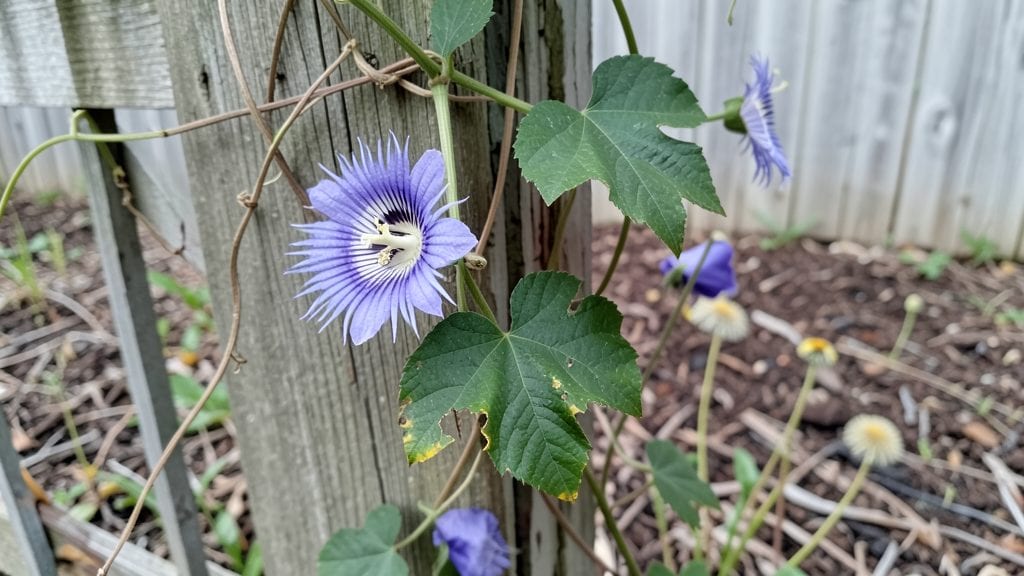
Purple and white passion flowers aren’t just plants—they’re a dramatic centerpiece that turns any garden into a hummingbird hotspot. 🌿 Their velvety blooms, shaped like exotic jewels, catch the light in ways most flowers never do, while their intoxicating fragrance lingers in the evening air.
I planted mine along a trellis near my patio, and within weeks, the hummingbirds discovered it first. The real magic happens when you pair them with the right companions.
Try salvia for its contrasting spikes of blue or clematis to weave through the same trellis—both attract pollinators while keeping the passion flower from feeling lonely. For a cottage-garden feel, tuck them into borders with lavender or roses, where their dramatic foliage adds unexpected depth.
What you’ll end up with is a garden that feels like a secret garden—rich, fragrant, and alive with movement. The passion flower’s vines climb gracefully, their blooms opening one by one like nature’s own fireworks.
By summer’s end, you’ll have a vertical masterpiece that’s as functional as it is beautiful, drawing life to your space in ways flat perennials never could. Works equally well in containers (for patios) or as a privacy screen, and thrives in zones 5-11.
The key is giving it room to stretch—these aren’t plants for small pots, but for making a statement. Ready to transform a blank wall or corner into something extraordinary?
📚 In This Guide
- What you need
- Instructions
- Tips and common mistakes
- Wrapping up and next steps
What you need
- ● Purple and white passion flower plants (Passiflora incarnata) – 1-3 mature plants (or seeds for long-term growth). Look for healthy vines with vibrant foliage.
- ● Well-draining potting mix – 5-10 gallons (for containers) or enrich your garden soil with compost (1 part compost to 3 parts soil).
- ● Support structure – A trellis (6+ feet tall), arbor, or sturdy fence for climbing vines.
- ● Organic fertilizer – Balanced 10-10-10 or a slow-release flower-specific blend (follow package instructions).
- ○ Mulch (optional but recommended) – 2-3 inches of shredded bark or straw to retain moisture and suppress weeds.
- ● Garden gloves – To protect your hands while handling thorny vines.
- ● Trowel or shovel – For planting or transplanting.
- ● Pruning shears – To trim dead or overgrown vines (sterilize blades with rubbing alcohol).
- ● Watering can or hose with a gentle spray nozzle – Passion flowers love consistent moisture but hate soggy roots.
- ● Sunlight access – A spot with 6+ hours of full sun daily (partial shade in hot climates).
- ○ Hummingbird-friendly extras (optional): A shallow water source (birdbath or dripping faucet) nearby.
- ● Native companion plants like bee balm or salvia to attract pollinators.
Step-by-step guide to cultivating purple and white passion flower vines
Here's how to nurture these stunning vines into a thriving hummingbird magnet.
🌱 Step 1: Select the Perfect Planting Spot
Passion flowers adore warmth and need at least 6-8 hours of direct sunlight daily. Choose a location with morning sun and afternoon shade in hot climates to prevent leaf scorch—these vines can handle heat but not intense midday rays. The ideal spot offers support structures like trellises or arbors, as they grow 10-30 feet annually if given space.
Here's the thing—passion vines are tropical at heart. They thrive in USDA zones 8-11, but with winter protection, you can grow them as far north as zone 7. In colder regions, plant near a south-facing wall or bring containers indoors before frost. The soil should drain well but retain moisture, so amend heavy clay with 2-3 inches of organic compost before planting.
🪴 Step 2: Plant with Proper Spacing and Support
Dig a hole twice as wide as the root ball but no deeper—passion vines resent having their crowns buried too deeply. Gently loosen the roots if they're circling and position the plant so the top of the root ball sits level with the surrounding soil. This prevents rot while allowing roots to establish quickly.
Install your support structure before planting—these vines are aggressive climbers and will wrap around anything sturdy within weeks. For a 4-foot trellis, space plants 3-4 feet apart. If using a fence or arbor, allow 6-8 feet of spacing between vines to prevent overcrowding. The more room they have, the more dramatic their growth and flowering.
☀️ Step 3: Water Deeply and Establish a Routine
Water deeply once a week during the first month to encourage strong root development. You'll know you've watered enough when soil 6 inches down feels moist—stick your finger in to check. Overwatering is the biggest mistake here; soggy soil leads to root rot, which passion vines are particularly susceptible to.
After the initial month, reduce frequency to every 10-14 days, letting the top 2 inches of soil dry out between waterings. Mulch with 2-3 inches of wood chips to conserve moisture and regulate soil temperature. The key is consistency—passion vines hate drought stress, which causes leaf drop and stunted flowering. Watch for wilting leaves as your signal to water.
✂️ Step 4: Prune for Health and Abundant Blooms
Prune in late winter or early spring before new growth begins. Remove dead, diseased, or crossing branches first—this improves airflow and prevents fungal issues. Then, cut back one-third of the previous year's growth to encourage bushier, more productive vines. You'll see new shoots emerge from the base within 2-3 weeks of pruning.
During the growing season, pinch back new growth tips when they reach 6-8 inches to promote branching. This technique creates a fuller plant with more flowers. Deadhead spent blooms regularly—while passion flowers self-clean to some extent, removing faded flowers redirects the plant's energy into producing more vibrant new blooms rather than seed pods.
🌿 Step 5: Fertilize and Protect for Maximum Impact
Feed with a balanced 10-10-10 fertilizer in early spring when new growth appears, then again in mid-summer after the first flush of blooms. Use half the recommended strength—passion vines are sensitive to over-fertilization, which leads to excessive leafy growth at the expense of flowers. Always water the soil before applying fertilizer to prevent root burn.
Protect young plants from hummingbird moths and passion vine hoppers, which can defoliate vines. Spray with neem oil as a preventive measure every 2-3 weeks during growing season. Mature vines develop natural resistance, but early intervention is key. The fragrant blooms will attract hummingbirds within 4-6 weeks of planting—just be patient and avoid pesticides that might harm these beneficial visitors.
Tips & tricks for perfect purple and white passion flower cultivation
Between us, these vines are tropical divas—they reward patience with stunning blooms but throw tantrums when neglected. Here's what nobody tells you about growing them right.
Lighting Strategy: That 6-8 hours of sunlight is non-negotiable, but here's the secret: position your trellis to catch morning sun first—it's less intense and prevents leaf scorch. I've seen passion vines crisp up when planted in full afternoon sun, even in cooler climates. For containers, rotate them weekly to ensure even light exposure all around.
Root Ball Revelation: When planting, the hole should be twice as wide but never deeper than the root ball—this prevents suffocation. I learned this the hard way after burying a vine too deeply, which caused rot at the crown. Also, gently tease out any circling roots before planting to encourage outward growth rather than girdling.
Watering Wisdom: The "deeply once a week" rule is perfect for the first month, but here's what I do differently: I water in the morning so the soil has all day to dry slightly before nightfall. Wet foliage at night invites fungal problems, and passion vines are particularly susceptible. The 2-inch dry topsoil rule works, but I always check the soil 6 inches down—it should feel like a wrung-out sponge, not a swamp.
Pruning Payoff: That one-third pruning in late winter isn't just about tidying up—it's about forcing the plant to produce more vigorous new growth from the base. I wait until I see at least 3-4 strong buds at the base before cutting, and I always make clean cuts just above a leaf node. The 2-3 week window for new shoots to appear is your reward for patience—those will be your most productive branches.
Pro Tips for Purple And White Passion Flower
- Between us, these vines are tropical divas—they reward patience with stunning blooms but throw tantrums when neglected.
- Lighting Strategy: That 6-8 hours of sunlight is non-negotiable, but here's the secret: position your trellis to catch morning sun first—it's less intense and prevents leaf scorch.
- Root Ball Revelation: When planting, the hole should be twice as wide but never deeper than the root ball—this prevents suffocation.
Frequently asked questions
How fast does a purple and white passion flower grow?
A healthy passion flower vine can grow 10–30 feet per year with proper care! In ideal conditions (warmth, sunlight, and support), expect rapid growth during spring and summer. Young vines may take 1–2 years to flower, but patience pays off with vibrant, fragrant blooms by their third year.
When is the best time to plant passion flower seeds or cuttings?
For seeds, start indoors 8–12 weeks before your last frost date (they germinate slowly—sometimes up to 3 months!). Cuttings root best in late spring or early summer when temperatures are consistently warm (70°F+). Avoid planting outdoors in fall—these tropical beauties hate cold and won’t survive frost.
Why aren’t hummingbirds visiting my passion flower?
Hummingbirds love passion flowers, but a few factors might keep them away: lack of nectar (ensure blooms are fully open), no water source nearby, or predators like cats. Try adding a shallow birdbath or planting companion flowers (like salvias or fuchsias) to attract them. If blooms aren’t opening, check for underwatering or poor sunlight.
Can I grow purple and white passion flower in a container?
Choose a large pot (15+ gallons) with drainage holes and a well-draining mix (cactus/succulent soil works well). Train the vine up a trellis or obelisk for vertical growth. Keep it in full sun and fertilize monthly during growing season. Just remember: container-grown vines may need winter protection in cold climates (move indoors or wrap the pot).
What pests should I watch for with passion flowers?
Common pests include aphids, spider mites, and mealybugs. Treat mild infestations with a soapy water spray or neem oil. For severe issues, introduce ladybugs or use insecticidal soap. Scale insects can also be problematic—scrub them off with a cotton swab dipped in rubbing alcohol. Keep your vine healthy and hydrated to deter pests naturally!
Wrapping up and next steps
Transforming your garden into a purple and white passion flower haven is a rewarding journey that brings beauty, fragrance, and life to hummingbirds and pollinators alike. These vibrant blooms not only elevate your outdoor space but also create a thriving ecosystem with minimal effort.
Whether you’re a seasoned gardener or just starting, the key is to embrace patience and curiosity—your garden will thank you with bursts of color and sweet, intoxicating scents! 🌸
Ready to take the next step? Start small:
- Plant a single passion flower vine in a sunny spot.
- Monitor its growth and adjust care as you learn.
- Share your progress with fellow plant enthusiasts—inspiration spreads!