
Flowers
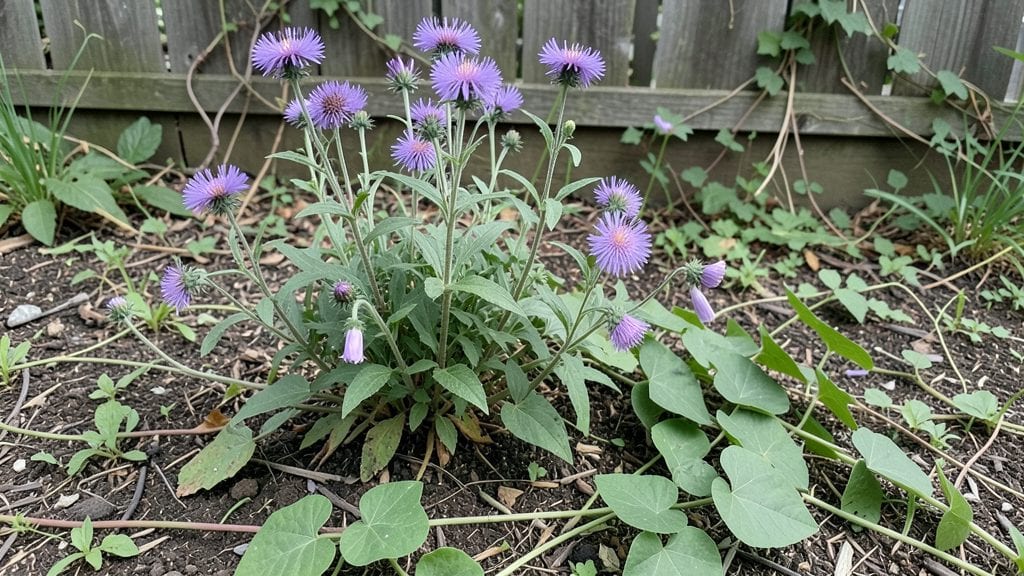
Creating a Pacific Northwest hummingbird haven with aster and morning glory flowers is one of the most rewarding gardening projects I’ve ever tackled. 🌿 These two plants bring vibrant color, effortless beauty, and nonstop hummingbird activity—even when other gardens are dormant.
The key lies in their complementary habits: asters provide late-season blooms while morning glories climb and cascade, filling gaps from spring to frost.
Asters thrive in partial shade and well-draining soil, while morning glories need a sturdy trellis to show off their dramatic vines. Both love consistent moisture but hate soggy roots—think of them as the low-maintenance divas of the garden.
I’ve found that planting asters in clusters along fences and morning glories near arbors creates a layered effect that hummingbirds can’t resist. The secret? Start asters from seed in early spring and morning glories directly after the last frost.
By midsummer, your garden will buzz with activity as hummingbirds dart between the purple asters and blue morning glory trumpets. The contrast of upright asters and trailing vines adds movement, while their combined blooming seasons stretch from June through October.
Even in rainy PNW winters, dried aster stems add texture to arrangements—proof that beauty lasts beyond the growing season.
This duo works equally well in borders, containers, or mixed beds. For best results, pair asters with coneflowers and morning glories with sweet peas. Just watch for slugs on young morning glory leaves and powdery mildew on crowded aster foliage—both fix easily with a quick spray of neem oil.
Ready to transform your space into a hummingbird hotspot?
📚 In This Guide
- What you need
- Instructions
- Tips and common mistakes
- Wrapping up and next steps
What you need
- ● Seeds or nursery plants: 1–2 packets of Symphyotrichum (New England aster) seeds (or 3–5 nursery plants)
- ● 1–2 packets of morning glory (Ipomoea purpurea) seeds (or 3–5 climbing plants)
- ● Soil: Well-draining, slightly acidic to neutral pH (6.0–7.0) garden soil or potting mix
- ● Sunlight: Full sun (6+ hours/day) for asters; partial shade (3–6 hours/day) for morning glories (especially in hotter PNW summers)
- ● Watering tools: Watering can or hose with adjustable nozzle
- ○ Drip irrigation system (optional but helpful for consistent moisture)
- ● Fertilizer: Balanced, slow-release fertilizer (10-10-10 or 20-20-20) for planting
- ● Organic compost or worm castings (for ongoing soil health)
- ● Support structures (for morning glories): Trellis, fence, or arbor (6–8 feet tall for optimal climbing)
- ● Or, use a sturdy wire or string grid if space is limited
- ● Mulch: Wood chips or straw to retain moisture and suppress weeds
- ● Hummingbird feeders: 1–2 nectar feeders (4:1 sugar-water ratio) to supplement natural blooms
- ● Pruning shears: For trimming spent blooms and encouraging bushier growth
- ● Garden gloves: To protect hands while handling soil or thorny stems
- ● Plant markers: Labels to track varieties and planting dates
Step-by-Step guide to planting asters and morning glories for hummingbird attraction
Here's how to create a vibrant Pacific Northwest garden that keeps hummingbirds visiting all season.
🌱 Step 1: Choose Planting Locations Based on Light Needs
Asters thrive in full sun to partial shade, needing at least 6 hours of sunlight daily. In the Pacific Northwest's cooler climate, they'll tolerate morning sun with afternoon shade, especially in hotter inland areas. Morning glories, on the other hand, love full sun—they'll climb and bloom best with 8+ hours of direct sunlight.
I always plant asters where they'll get morning sun and afternoon shade—this prevents the foliage from scorching while still giving them enough light to produce those classic purple blooms. For morning glories, select a south-facing wall or trellis where they'll get maximum sun exposure. The more sun they receive, the more vigorous their climbing growth and abundant flowers will be.
🪴 Step 2: Prepare Soil and Plant at Proper Depths
Both plants prefer well-draining soil with a slightly acidic to neutral pH. Work 2-3 inches of compost into the top 6 inches of soil to improve fertility and drainage. Asters will tolerate average garden soil, but morning glories appreciate a little extra organic matter to support their rapid growth.
Plant aster tubers or bareroot plants 1-2 inches deep and 12-18 inches apart, spacing them according to the mature size of your variety. For morning glories, sow seeds ½ inch deep after the last frost date when soil reaches 60°F. Watch for germination in 7-14 days—you'll see the first tiny leaves emerge as the seedlings push through the soil.
☀️ Step 3: Establish Support Structures and Watering Routines
Morning glories need sturdy trellises or fences to climb—install these before planting so the vines can twine onto them naturally. I use 6-foot tall wire trellises for dramatic vertical displays. Asters don't need support but will spread 12-24 inches wide, so give them space to establish without crowding.
Water deeply once a week during establishment, keeping the soil evenly moist but not soggy. The Pacific Northwest's frequent rain makes overwatering a common mistake—both plants prefer slightly dry conditions between waterings once established. You'll know they're getting enough water when the soil feels damp 2 inches below the surface but not waterlogged.
✂️ Step 4: Maintain Through the Growing Season
Deadhead spent aster blooms regularly to encourage continuous flowering through fall. I pinch off faded flowers with my fingers—this prevents seed formation and redirects the plant's energy into producing more blooms. Morning glories are self-cleaning, but you might want to trim back leggy vines in midsummer to maintain a compact growth habit.
Fertilize asters lightly with a balanced 10-10-10 fertilizer in early spring and again after the first flush of blooms. Morning glories generally don't need extra fertilizer unless your soil is particularly poor. Both plants benefit from a 2-inch layer of mulch around their base to retain moisture and suppress weeds—just keep it 3 inches away from stems to prevent rot.
Tips & tricks for perfect aster and morning glory plantings
Creating a hummingbird-friendly garden takes a little strategy—these are the tricks I've learned after years of watching these plants thrive in the Pacific Northwest.
Light Placement Matters: In Step 1, when choosing locations, remember that asters can handle morning sun with afternoon shade, but morning glories absolutely crave that full sun—especially in cooler coastal areas. I've seen morning glories struggle with just 6 hours of sun, so if your garden has limited sunlight, consider planting them near a south-facing wall where they can get reflected warmth. For asters, that morning sun helps prevent fungal issues while still giving them enough energy for blooms.
Soil Prep is Non-Negotiable: The 2-3 inches of compost mixed into the top 6 inches of soil in Step 2 makes all the difference for both plants. I like to add a handful of worm castings too—it gives morning glories that extra boost they need for vigorous climbing. For asters, this extra organic matter helps them establish deeper roots, which means more stable plants during our rainy winters. If your soil is particularly heavy clay, consider adding perlite to improve drainage.
Timing Your Planting: That 60°F soil temperature in Step 2 is crucial for morning glory seeds—don't rush it! I've planted them too early when the soil was still cool, and they just sat there for weeks. Use a soil thermometer if you're unsure, or wait until you see other spring plants like daffodils blooming. For asters, you can plant them a bit earlier since they're more cold-tolerant, but morning glories will sulk in cool soil.
Support Structures Save Space: When installing those 6-foot trellises for morning glories in Step 3, position them where they'll get maximum sun exposure but also provide some afternoon shade in hotter inland areas. I've found that placing trellises near west-facing walls works beautifully—the late afternoon sun helps them climb while protecting them from intense midday heat. For asters, remember they'll spread 12-24 inches wide, so give them some breathing room unless you're intentionally creating a dense border.
Pro Tips for Aster And Morning Glory Flower
- Creating a hummingbird-friendly garden takes a little strategy—these are the tricks I've learned after years of watching these plants thrive in the Pacific Northwest.
- Light Placement Matters: In Step 1, when choosing locations, remember that asters can handle morning sun with afternoon shade, but morning glories absolutely crave that full sun—especially in cooler coastal areas.
- Soil Prep is Non-Negotiable: The 2-3 inches of compost mixed into the top 6 inches of soil in Step 2 makes all the difference for both plants.
Frequently asked questions
How do I tell asters and morning glories apart?
Asters (like Symphyotrichum spp.) have daisy-like flowers with ray petals radiating from a central disk, often blooming in late summer/fall. Morning glories (Ipomoea spp.) have trumpet-shaped flowers that open in the morning and wilt by afternoon. Asters are perennials; morning glories are annual vines.
When is the best time to plant these flowers in the PNW?
For asters, plant bare-root varieties in early spring (March–April) or container-grown plants in fall (September–October). Morning glories thrive when sown directly in soil after the last frost (May–June) or started indoors 4–6 weeks before transplanting. Pro tip: Wait until soil temps reach 60°F+ to avoid frost damage.
Why aren’t hummingbirds visiting my morning glories?
Hummingbirds prefer red, tubular flowers with high nectar rewards—morning glories fit the bill, but pesticides, lack of water, or late blooming can deter them. Try planting asters nearby (they bloom later) and ensure flowers are pesticide-free. Bonus: Add a shallow water source (like a saucer with pebbles) to attract them!
Can I grow morning glories in containers?
Yes! Morning glories thrive in containers 12+ inches deep with well-draining soil and trellises or cages for support. Use a fast-draining mix (like 60% potting soil + 40% perlite) and water when the top inch of soil is dry. Warning: They grow 6–10 feet long—prune regularly to control spread!
What’s a low-maintenance alternative to morning glories?
If morning glories seem high-maintenance, try clematis (vining, hummingbird-friendly) or honeysuckle (Lonicera spp.). For perennial color, Russian sage or beebalm are drought-tolerant and attract pollinators. Pro tip: Astilbe offers feathery plumes and thrives in shade—great for PNW gardens!
Wrapping up and next steps
From the delicate blooms of aster to the vibrant twists of morning glory, the Pacific Northwest offers a stunning floral duo that keeps hummingbirds buzzing all year long! 🌸 These hardy, low-maintenance plants not only add beauty to your garden but also support local wildlife while thriving in diverse climates.
Whether you're a seasoned gardener or just starting, their resilience and charm make them a perfect choice for year-round color and joy.
Ready to transform your space? Start small—plant a few asters or morning glories this season and watch your garden (and your feathered friends) flourish! 🌿💛