Pruning
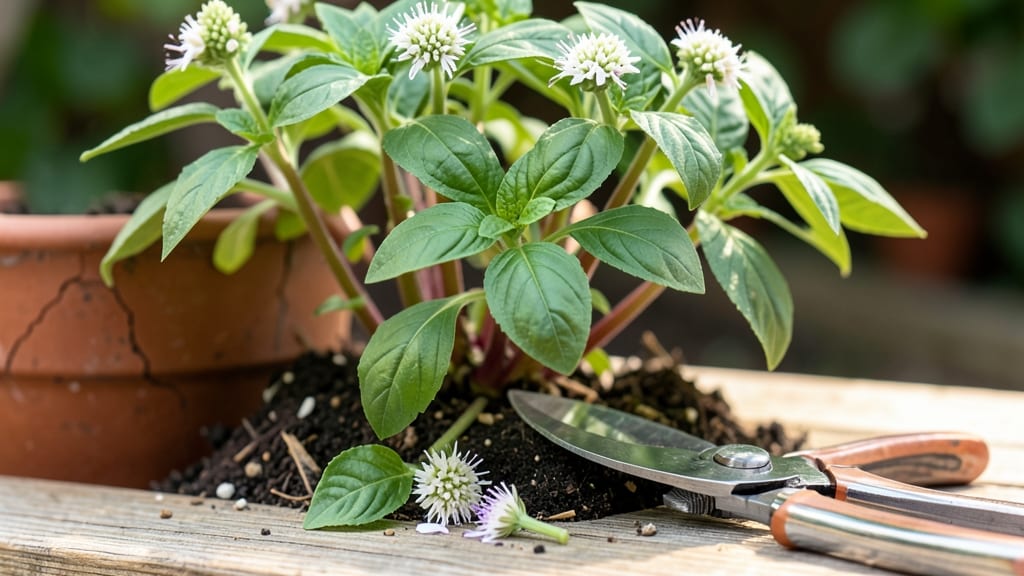
Pruning basil flowers isn’t just about keeping your plant tidy—it’s the secret to shockingly lush, flavor-packed leaves all season long. 🌿 I learned this the hard way when my basil bolted too early last summer, turning bitter and woody before I could use it.
The fix? A few strategic cuts that redirect energy back to the leaves you actually want to eat.
Timing matters most: pinch off those tiny flower buds when they’re still green and pea-sized, before they open. You’ll need clean, sharp scissors (or your fingers for small stems) and about 10 minutes—that’s all.
The goal is to stop the plant from sending energy upward into flowers and seeds, forcing it to grow more leaves instead.
After pruning, give your basil a drink of water and move it to a spot with bright, indirect light for a day or two. Within a week, you’ll see new growth at the leaf nodes, and those leaves?
They’ll be sweeter, more aromatic, and ready for your next pesto or sandwich. The best part? You can repeat this process every 2-3 weeks all summer long.
Fair warning: if you wait too long and let flowers form, the plant will bolt, and the leaves will turn bitter. But with these simple cuts, you’ll keep your basil productive for months—not weeks. Ready to try it?
📚 In This Guide
- What you need
- Instructions
- Tips and common mistakes
- Wrapping up and next steps
What you need
- ● Pruning shears or sharp scissors: Clean, sterilized, and sharp (avoid dull tools to prevent damaging stems).
- ● Healthy basil plant: Potted or in-ground, with visible flower buds or blooms.
- ○ Gloves (optional but recommended): Nitrile or garden gloves to protect hands from sap or dirt.
- ○ Small container or bucket: For collecting pruned flowers (optional but handy for composting).
- ● Rubbing alcohol (70% or higher): For sterilizing tools between cuts.
- ○ Pruning sealant (optional): For larger cuts to prevent disease.
- ● Labeling markers: If propagating new plants from cuttings.
- ● Compost bin: For repurposing pruned flowers.
How to prune basil flowers for bushier, flavorful growth
Here's the foolproof method I use to keep my basil lush and productive all season.
✂️ Step 1: Identify and Locate the Flower Buds
Start by scanning your basil plant for tiny white or purple flower buds that appear where leaves meet stems. These buds signal the plant's shift from leaf production to seed-making—your first priority is to stop this process. I always begin pruning in the morning when the plant is fully hydrated and stems are firm.
Gently pinch between your thumb and forefinger to test stem strength. Healthy stems should bend slightly but not snap—this means your plant is ready for pruning. If stems feel mushy or brittle, wait 24 hours and water thoroughly first. You'll see 3-5 main stems on a mature basil plant, each with multiple buds along its length.
✂️ Step 2: Make the First Cut Below Flower Buds
Using clean, sharp scissors or your fingers, make your first cut just above a leaf node below the lowest visible flower bud. This encourages new growth from the leaf axil. I always cut at a 45-degree angle to increase surface area for faster healing and prevent water pooling on the stem.
Remove the entire flower stem down to the main plant stem—don't leave any buds behind. You'll feel resistance as you cut through woody stems, but basil's main stems remain tender. For plants with multiple flower stems, repeat this process on each one. You'll notice the plant immediately looks lighter and more open after these cuts.
✂️ Step 3: Prune Side Shoots for Bushier Growth
Now focus on the side shoots that grow from leaf axils. These are your plant's future growth points. Using your fingers, pinch off any side shoots that are growing taller than 3 inches or showing signs of flower buds. You'll feel the satisfying snap as you remove them completely.
For thicker plants, make a second round of cuts by removing the top 2-3 sets of leaves from the main stems. This forces energy back into the lower stems and encourages bushier growth. Stop when you see fresh green leaf nodes exposed—these will sprout new growth within 7-10 days if given proper care.
💧 Step 4: Water and Fertilize for Recovery
After pruning, water your basil at the base until water runs through the drainage hole. This helps the plant recover from the shock of cutting. I always use room-temperature water to avoid thermal shock to the roots. Wait until the top inch of soil feels dry before watering again—overwatering now can cause root rot.
Feed your basil with a balanced liquid fertilizer (like 10-10-10) diluted to half strength. This gives the plant the nutrients it needs to produce fresh leaves instead of flowers. You'll see new leaves emerge within a week—that's your signal everything is working. Keep your basil in bright light (6+ hours of sunlight) and maintain consistent moisture for best results.
Tips & tricks for pruning basil flowers
Here's what nobody tells you about keeping your basil thriving after pruning—these little details make all the difference.
Timing is Everything: Morning is the absolute best time to prune your basil because the stems are fully hydrated and firm. I've learned this the hard way after pruning in the afternoon and noticing slower recovery. If you must prune later, wait until the plant has had at least 4-6 hours of sunlight that day to ensure proper hydration.
Tool Selection Matters: While fingers work perfectly fine for most basil plants, I recommend using clean, sharp pruning scissors for thicker stems or when dealing with multiple flower buds. The 45-degree angle cut mentioned in Step 2 is easier to achieve with scissors—just make sure to sterilize them with rubbing alcohol between cuts to prevent disease transmission.
Visual Growth Cues: When you're removing those top 2-3 sets of leaves in Step 3, look for fresh green leaf nodes that appear just below the cuts. These are your plant's growth signals—you'll see tiny leaf buds forming within 24-48 hours if everything is right. If you don't see these after 72 hours, your plant might need more sunlight or fertilizer.
Post-Pruning Care: The 7-10 day window for new growth is actually a bit flexible—some vigorous plants show results in just 5 days, while others in cooler conditions may take up to 2 weeks. During this time, I place my basil in the brightest spot I have (south-facing window gets 8+ hours of light) and avoid fertilizing again until I see those new leaves emerge.
Pro Tips for Prune Basil Flowers
- Here's what nobody tells you about keeping your basil thriving after pruning—these little details make all the difference.
- Timing is Everything: Morning is the absolute best time to prune your basil because the stems are fully hydrated and firm.
- Tool Selection Matters: While fingers work perfectly fine for most basil plants, I recommend using clean, sharp pruning scissors for thicker stems or when dealing with multiple flower buds.
Frequently asked questions
Got questions about pruning basil flowers? You’re not alone—even seasoned gardeners have doubts! Here are the most common queries, answered in a flash so you can get back to growing that lush, flavorful basil.
Why should I prune basil flowers at all?
Pruning basil flowers (or flower buds) redirects the plant’s energy back to leaf production instead of seed-making. Without pruning, your basil will bolt (go to seed), turning bitter and woody. Leaves stay tender, flavorful, and abundant—so your pesto and pasta dishes stay delicious!
When is the best time to prune basil flowers?
Pinch off flower buds as soon as you spot them—before they open. Check your basil every 3–5 days during peak growing season (spring to early summer). Late blooms are harder to salvage, so stay proactive! Pro tip: Morning pruning gives leaves time to recover before evening heat stress.
How do I prune basil flowers without hurting the plant?
Use clean, sharp scissors or fingers to snip just above a leaf node (where leaves meet the stem). Avoid cutting into woody stems—focus on soft, green growth. For heavy bloomers, trim 1/3 of the plant at once to encourage bushier regrowth. Never remove more than half in one go!
What if I miss pruning and my basil bolts?
Don’t panic! Bolted basil is still edible (just less flavorful). Harvest leaves before seeds form, and save seeds for next year. To revive growth, trim all flowers and seed stalks, then fertilize lightly. While it may not recover fully, you’ll often get a second flush of leaves.
Are there alternatives to pruning if I hate cutting flowers?
Yes! Try these low-maintenance tricks:
- Harvest leaves frequently: Pinching leaves (not flowers) signals the plant to grow more foliage.
- Use shade cloth: Cover basil in late summer to slow bolting.
- Grow dwarf varieties: ‘Spicy Globe’ or ‘Genovese’ bolt later than standard basil.
Wrapping up and next steps
Pruning basil flowers isn’t just about keeping your plant tidy—it’s the secret to unlocking bigger leaves, richer flavor, and a bushier, happier basil. With just a few strategic cuts, you’ll encourage more growth and enjoy a steady harvest all season long. 🌿✨
Ready to give your basil the TLC it deserves? Grab those shears and get pruning—your kitchen (and taste buds) will thank you! For extra tips, check out our guide on when to harvest basil for peak freshness next.