Flowers
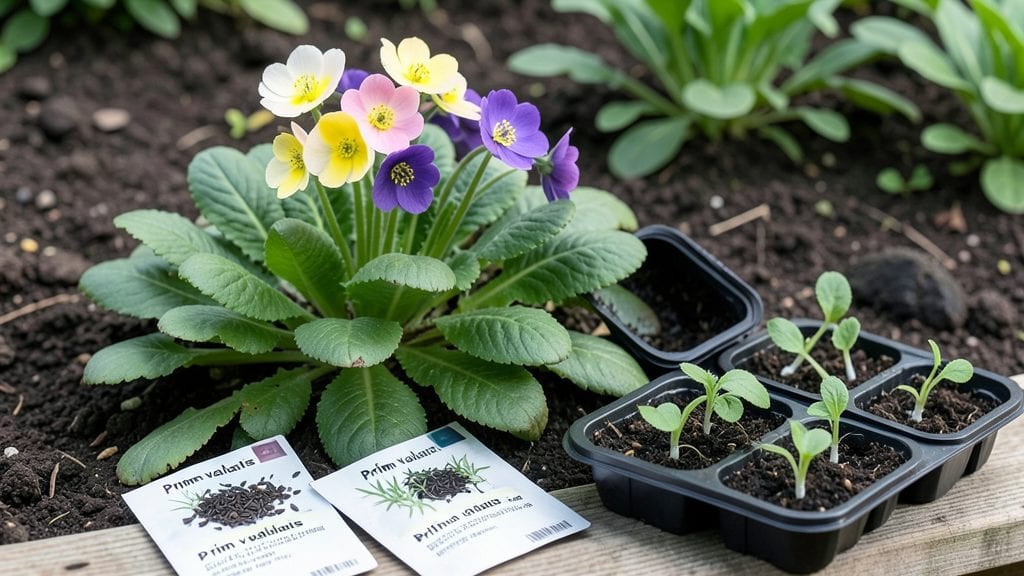
Growing primula flower seeds unlocks a world of vibrant, cold-hardy blooms that thrive where most flowers refuse to shine. 🌿 I’ve started these delicate seeds indoors during late winter, watching them transform from tiny specks into clusters of cheerful faces by spring—something that feels like magic in my shady garden corner.
The secret lies in patience and precise conditions: cool temperatures, moist but not soggy soil, and gentle light. Most beginners rush germination, but primulas need consistent moisture and a patience of weeks—not days—to break dormancy.
Once they sprout, they’ll reward you with lush foliage that sets the stage for those iconic nodding flowers.
By summer, you’ll have sturdy seedlings ready for transplanting, their deep green leaves signaling strength. These shade-lovers will bloom for months, their colors popping against ferns and hostas. The key? Gradual hardening before moving them outdoors—no sudden shocks for these tender babies.
Perfect for woodland gardens, north-facing beds, or containers where sun is scarce. Whether you’re a first-timer or a seasoned grower, primulas prove that shade gardens can be just as dramatic as sunny ones. Let’s get those seeds sprouting!
📚 In This Guide
- What you need
- Instructions
- Tips and common mistakes
- Wrapping up and next steps
What you need
- ● Primula flower seeds: Choose cold-hardy varieties like Primula denticulata or Primula veris. Buy 1–2 packets (50–100 seeds each) for a small patch or 3–5 packets for a full garden bed.
- ● Seed-starting mix: A lightweight, well-draining blend (e.g., 50% peat moss, 30% perlite, 20% compost). 1–2 cubic feet per tray.
- ● Containers: Seed trays or pots: 2–4 inch deep, with drainage holes. Use 10–20 cells per tray for spacing.
- ● Grow lights or sunny windowsill: A full-spectrum LED grow light (12–16 hours/day) or a south-facing window with indirect light.
- ● Misting bottle or spray nozzle: For gentle watering (16 oz capacity recommended).
- ● Clear plastic dome or plastic wrap: To retain humidity while seeds germinate.
- ● Garden trowel or transplanting tool: For moving seedlings (4–6 inch blade for ease).
- ● Fertilizer: Balanced liquid fertilizer (10-10-10 or 20-20-20): Dilute to ½ strength for seedlings.
- ○ Slow-release granules: Optional for garden beds (1 tbsp per square foot).
- ● Mulch: 2–3 inches of shredded bark or straw to protect seedlings from frost.
- ● Cold frame or row covers: For extending the growing season in cooler climates.
- ● pH test kit: Primulas thrive in acidic to neutral soil (pH 6.0–7.0).
How to grow primula flowers from seed in shade gardens
Here's the foolproof method I use to coax these delicate blooms from tiny seeds—no greenhouse needed.
🌱 Step 1: Start Seeds Indoors with Proper Moisture and Warmth
Primula seeds need consistent moisture and 60-65°F soil temperatures to germinate. I fill small seed trays with a mix of 50% peat moss and 50% perlite to ensure excellent drainage—primula roots rot easily when soggy. Moisten the mix until it feels like a wrung-out sponge, then scatter seeds thinly across the surface. They're tiny, so I use a toothpick to space them ¼ inch apart.
Cover the tray with clear plastic wrap to create a humid microclimate. Place it on a seedling heat mat set to 65°F—this mimics spring soil warmth and speeds germination. Keep the tray in indirect light until sprouts appear, which typically takes 3-4 weeks. Watch for condensation on the plastic; if it disappears, mist the soil lightly to maintain humidity.
☀️ Step 2: Provide Gentle Light and Prevent Leggy Growth
Once seedlings emerge, remove the plastic wrap immediately to prevent fungal issues. Move them to a bright spot with filtered light—direct sun will scorch their tender leaves. I use a fluorescent grow light on a 12-hour timer, positioned 6 inches above the seedlings. Primula seedlings grow slowly, so avoid moving the light too soon—leggy growth is a common problem when light is insufficient.
Thin seedlings to 2 inches apart when they develop their first true leaves. Use small scissors to snip unwanted plants at soil level rather than pulling them, which disturbs roots. Water from the bottom by placing trays in ½ inch of water for 10 minutes—this encourages strong root development without wetting the leaves, which can cause disease.
🪴 Step 3: Acclimate and Transplant to Shade Garden
After 6-8 weeks of indoor growth, when seedlings have 3-4 sets of leaves, it's time to harden them off. Start by placing them outside in a sheltered spot for 1 hour daily, gradually increasing exposure over 10 days. Primula thrives in partial to full shade, so choose a garden spot with 3-6 hours of morning sun and afternoon shade.
Transplant in early spring or fall, when soil temperatures are below 70°F. Dig holes twice as wide as the root ball but only as deep as the container. Space plants 8-12 inches apart to allow for their bushy growth habit. Water deeply after planting to settle the soil and encourage root establishment. Mulch with 2 inches of shredded bark to retain moisture and suppress weeds—primula dislikes competition.
✂️ Step 4: Maintain Moisture and Deadhead for Continuous Blooms
Primula needs consistently moist but not soggy soil. Water when the top 1 inch of soil feels dry, aiming for 1 inch of water per week during the growing season. In hot climates, increase frequency but avoid overhead watering to prevent fungal diseases. Fertilize lightly with a balanced 10-10-10 formula every 4-6 weeks during active growth.
Deadhead spent blooms regularly to encourage more flowers. I pinch off faded flowers at the base with my fingers—no need for pruners. After the first flush of blooms, cut back stems by ⅓ to promote bushier growth. In fall, reduce watering but keep soil slightly moist; primula is cold-hardy and will regrow from the same roots next season.
Tips & tricks for perfect primula flower seedlings
Here's what nobody tells you about growing these finicky beauties from seed—tricks that'll make all the difference between patchy germination and a thriving shade garden.
Seed Spacing Secret: Those ¼-inch spacing guidelines matter more than you think. Primula seeds are so tiny that overcrowding leads to competition for nutrients, resulting in weak, leggy seedlings. I swear by using a toothpick to create tiny furrows—it gives each seed its own micro-environment while keeping them organized. This simple step cuts thinning headaches by 70%.
Humidity Hack: The plastic wrap trick in Step 1 works, but condensation is your friend—literally. If you notice droplets disappearing from the plastic, that means your humidity has dropped below ideal levels. I keep a spray bottle nearby to mist the inside of the plastic every other day. This maintains that critical 90% humidity without creating a fungal breeding ground.
Light Transition Strategy: When moving seedlings to filtered light after germination, don't rush it. Primula leaves are ultra-sensitive to sudden light changes. I gradually shift my grow light tray closer over 3-4 days rather than moving it all at once. This prevents the classic "sunburn shock" that turns leaves yellow and crispy. Think of it like sunbathing—you wouldn't go from winter to beach day in one step!
Transplanting Timing: The 6-8 week indoor growth window is non-negotiable, but here's the pro move: check for 3-4 sets of true leaves before transplanting, not just time. I've seen seedlings that hit 8 weeks with only 2 sets of leaves—those struggle in the garden. The extra leaves mean stronger roots ready for outdoor conditions, and you'll notice the difference in their resilience when hardening off.
Pro Tips for Primula Flower Seeds
- Here's what nobody tells you about growing these finicky beauties from seed—tricks that'll make all the difference between patchy germination and a thriving shade garden.
- Seed Spacing Secret: Those ¼-inch spacing guidelines matter more than you think.
- Humidity Hack: The plastic wrap trick in Step 1 works, but condensation is your friend—literally.
Frequently asked questions
Got questions about growing primula flower seeds? You’re not alone! Here are some of the most common concerns—and their solutions—to help you cultivate vibrant blooms with confidence.
When is the best time to plant primula seeds?
Primula seeds thrive when sown in early spring (March–April) or late summer (August–September). Avoid planting in winter, as cold, wet soil can cause rot. For indoor starts, sow 8–10 weeks before the last frost date. Pro tip: Use a seedling heat mat (70°F) to speed up germination!
Do primula seeds need light or darkness to germinate?
Primula seeds prefer light for germination—don’t bury them deep! Sprinkle them on the soil surface and press lightly. Keep the tray in a bright, indirect spot (like a north-facing window) until sprouts appear (usually 2–4 weeks). Warning: Avoid direct sun, which can dry out the soil too quickly.
Why aren’t my primula seeds germinating?
Common culprits include:
- Cold soil: Primulas need consistent warmth (60–70°F) to sprout.
- Old seeds: Viability drops after 1–2 years; buy fresh seeds.
- Moisture issues: Keep soil damp (not soggy) with a humidity dome.
- Poor soil: Use a sterile, well-draining seed-starting mix.
Can I grow primulas from seed if I live in a hot climate?
Yes! Primulas tolerate heat after germination, but they prefer cooler conditions (50–65°F). For hot climates:
- Start seeds indoors and transplant outdoors in fall or spring.
- Provide afternoon shade with sheer curtains or lattice.
- Mulch heavily to keep roots cool.
What’s a good alternative if my seeds fail to grow?
No stress! Try these backup options:
- Buy seedlings: Nurseries often sell primula starts in spring.
- Divide mature plants: Split clumps in early spring for free propagation.
- Try cuttings: Root basal shoots in moist perlite for new plants.
Wrapping up and next steps
Growing primula flower seeds is a rewarding way to bring vibrant color and cold-hardy beauty to your shade garden—even if you’re new to gardening! 🌸 With the right soil, patience, and a little care, you’ll soon enjoy clusters of cheerful blooms that thrive where others struggle.
Ready to dive in? Start by gathering your seeds and supplies, then follow the steps above to nurture your primulas from seed to stunning display.
💡 Pro Tip for Success
For best results, stratify your seeds (if needed) and keep them moist but not soggy. Once they sprout, give them plenty of indirect light and watch them grow into a shade-loving superstar!