
Planting
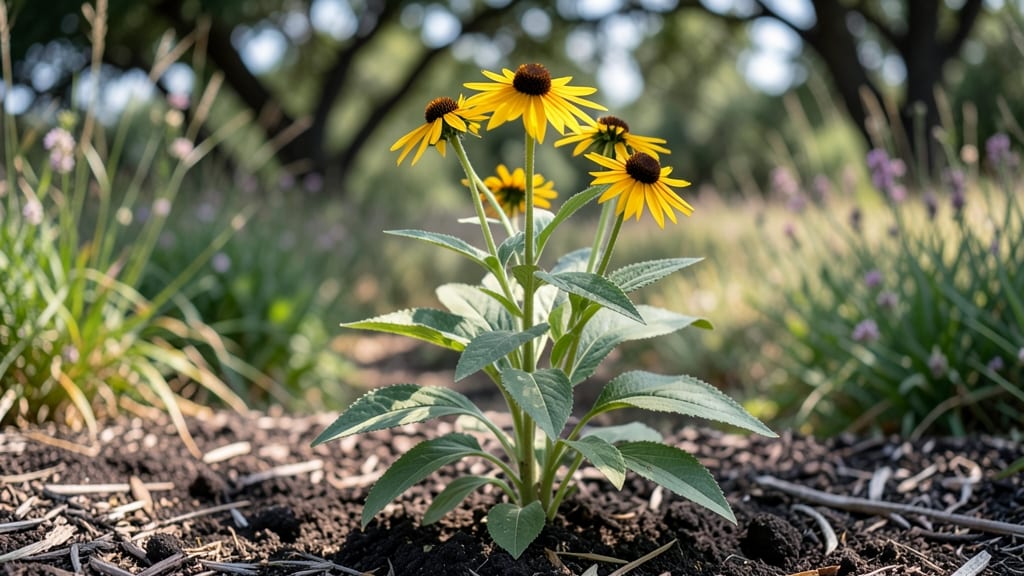
Planting a yellow flower in your garden is like inviting a burst of sunshine—bright, cheerful, and impossible to ignore. 🌻 I’ve grown everything from towering sunflowers to delicate marigolds, and the secret to their success isn’t complicated: match them to the right spot, feed them well, and let them soak up that golden light.
The payoff? Flowers that bloom from early spring through frost, attracting pollinators and turning heads every season.
The best part? You don’t need a green thumb—just a sunny patch, some basic soil prep, and a little patience. Sunflowers need 6+ hours of light and deep, well-drained soil, while marigolds thrive in poor soil and even tolerate drought once established.
Daffodils, on the other hand, prefer partial shade in hot climates but still pack a punch with their bold yellow blooms. Start with a mix of these, and you’ll have color from March through November with minimal effort.
By summer’s end, you’ll be harvesting armfuls of cut flowers for vases or letting them stand tall in the garden, their petals swaying in the breeze. The key is consistent watering—deep but infrequent—and deadheading spent blooms to encourage more flowers.
Even my first attempt with sunflowers (which I definitely overwatered at first) produced enough blooms to feed the neighborhood birds for weeks.
Whether you’re filling a border, brightening a balcony, or creating a pollinator haven, these yellow blooms deliver. They’re tough, adaptable, and guaranteed to lift your spirits—just like a sunny afternoon. Ready to get started?
📚 In This Guide
- What you need
- Instructions
- Tips and common mistakes
- Wrapping up and next steps
What you need
- ● Yellow flowering plants: Seeds or seedlings (e.g., marigolds, black-eyed Susans, coreopsis, or sunflowers) – Choose 3-5 plants for a vibrant display.
- ● High-quality potting soil – 5-10 gallons, well-draining and enriched with compost.
- ● Container or garden bed: For containers: 5-10 gallon pots with drainage holes (one per plant).
- ● For garden beds: A sunny spot (6+ hours of light daily) with loose, fertile soil.
- ● Watering can or hose with a gentle spray nozzle.
- ● Organic fertilizer (balanced, 10-10-10 or slow-release granules).
- ● Gloves and gardening shears (for pruning and handling soil).
- ● Mulch (e.g., straw or shredded bark) to retain moisture and suppress weeds.
- ● Plant stakes or cages for taller varieties like sunflowers.
- ● Compost tea or liquid fertilizer for a nutrient boost during blooming season.
- ● Decorative rocks or pebbles to enhance container aesthetics.
- ● Sunlight meter or app to track light exposure for fussy varieties.
Step-by-step guide to cultivating vibrant sun-loving yellow flowers
Here's how to grow bold, sun-kissed blooms that keep flowering season after season.
🌱 Step 1: Select the Right Varieties for Your Climate
Start with sun-loving yellow flowers that match your hardiness zone. Coreopsis, black-eyed Susans, and coreopsis 'Moonbeam' thrive in zones 3-9 with minimal fuss. For containers, try marigolds or calendula—they tolerate heat and bloom nonstop. I always check the USDA zone map to avoid disappointment with finicky varieties.
Look for disease-resistant cultivars if your area has fungal issues. The first true leaves on seedlings will tell you if the plant is strong—deep green and sturdy means it's ready for transplanting. Avoid varieties labeled "tender" unless you're in a frost-free zone.
☀️ Step 2: Prepare Full-Sun Planting Sites
Yellow flowers need 6+ hours of direct sunlight daily. Test your spot by placing a white board where the plants will go—if it's hot enough to make your hand feel warm after an hour, it's perfect. Amend heavy clay soil with 2-3 inches of compost to improve drainage and nutrient availability.
For containers, use pots with drainage holes and fill with a mix of 50% potting soil and 50% perlite or sand. Yellow blooms wilt quickly in soggy conditions, so ensure excess water drains away within 15-30 minutes after watering. Mulch with 2 inches of shredded bark to retain moisture and suppress weeds.
💧 Step 3: Plant and Water for Strong Establishment
Dig holes twice as wide as the root ball but no deeper. Gently remove plants from containers and tease apart any circling roots. Place them in the hole so the top of the root ball sits ½ inch below soil level—this prevents stem rot from sitting water.
Water deeply right after planting to settle the soil around roots. Yellow flowers establish best with 1 inch of water per week, but adjust for rain. Let the soil dry slightly between waterings—wilting in the afternoon means it's thirsty, but soggy leaves signal overwatering. Fertilize lightly with a balanced 10-10-10 formula at planting and again when buds form.
✂️ Step 4: Maintain Blooms Through the Season
Deadhead spent blooms regularly to encourage continuous flowering. Pinch off yellowed petals just above the next set of leaves—this redirects energy to new growth. I use clean pruners and sterilize them with rubbing alcohol between cuts to prevent disease spread.
Fertilize again in mid-season with a low-nitrogen, high-phosphorus formula (like 5-10-10) to boost flowering. Watch for powdery mildew on leaves—this fungal issue thrives in humid conditions. If you spot white powder, spray with neem oil or a baking soda solution (1 tsp baking soda + 1 quart water + a drop of dish soap) every 7-10 days until it clears.
🌿 Step 5: Overwinter for Year-Round Color
In colder zones, cut back perennials to 4-6 inches tall after the first frost. Mulch heavily with 4-6 inches of straw or leaves to insulate roots. Tender annuals like marigolds won't survive frost, so replant them in spring or grow them as summer bedding plants.
Divide clumps every 3-4 years in early spring to rejuvenate perennials. Dig up the plant, separate the roots, and replant sections with 12 inches between them. This prevents overcrowding and keeps blooms vibrant. With proper care, your yellow flowers will return year after year with minimal effort.
Tips & tricks for perfect sun-loving yellow flowers
Common pitfalls—and how to sidestep every one—when cultivating vibrant yellow blooms that thrive in full sun.
Variety Selection: When choosing between coreopsis, black-eyed Susans, or marigolds, consider your growing conditions first. Coreopsis 'Moonbeam' thrives in zones 3-9 with minimal care, while marigolds excel in containers and tolerate heat better than most. I always opt for disease-resistant cultivars if my area has fungal issues—it saves headaches later. The first true leaves on seedlings are your best indicator of plant strength; look for deep green, sturdy leaves that spring back when touched.
Sunlight Strategy: The 6+ hours of direct sunlight requirement isn't negotiable for these sun-lovers. If your spot gets less, supplement with a grow light for 4-6 hours daily during cloudy periods. I test potential locations by placing a white board where the plants will go—if it feels warm to the touch after an hour, it's perfect. For containers, ensure pots have drainage holes and use a 50-50 mix of potting soil and perlite to prevent soggy roots that lead to wilting.
Planting Precision: Digging holes twice as wide as the root ball prevents root circling, which stunts growth. When placing the plant, the top of the root ball should sit ½ inch below soil level—this subtle detail prevents stem rot from sitting water. After planting, water deeply to settle the soil, then let it dry slightly between waterings. Yellow blooms wilt quickly when thirsty, but soggy leaves signal overwatering, so adjust your 1 inch per week guideline based on rainfall.
Season-Long Care: Deadheading spent blooms isn't just about looks—it redirects the plant's energy to new growth. Use clean pruners and sterilize them with rubbing alcohol between cuts to prevent disease spread. For mid-season fertilization, switch to a low-nitrogen, high-phosphorus formula (like 5-10-10) to boost flowering. If powdery mildew appears, act fast: spray with neem oil or a baking soda solution every 7-10 days until it clears. The white powder spreads quickly in humid conditions, so monitor leaves regularly.
Pro Tips for Plant Yellow Flower
- Common pitfalls—and how to sidestep every one—when cultivating vibrant yellow blooms that thrive in full sun.
- Variety Selection: When choosing between coreopsis, black-eyed Susans, or marigolds, consider your growing conditions first.
- Sunlight Strategy: The 6+ hours of direct sunlight requirement isn't negotiable for these sun-lovers.
Frequently asked questions
Got questions about growing bright yellow flowers? You’re not alone!
Here are answers to the most common queries—from planting tips to troubleshooting—so you can keep your sun-loving blooms happy and thriving.
What are the easiest yellow flowers to grow for beginners?
Start with Marigolds, Black-Eyed Susans, or Coreopsis—they’re tough, low-maintenance, and love full sun. Sunflowers are also great for quick color! All thrive in well-draining soil with minimal fuss.
How long does it take for yellow flowers to bloom after planting?
Timing varies! Annuals (like marigolds) may bloom in 6–8 weeks, while perennials (like daylilies) take 60–90 days to show color. Check seed packets or plant tags for specifics—patience pays off!
Why are my yellow flowers wilting or turning brown?
Overwatering or poor drainage are top culprits. Check soil moisture—let it dry slightly between waterings. Also, ensure 6+ hours of sunlight daily; shade-stressed plants often droop. Fungal issues? Prune affected leaves and improve airflow.
Can I grow yellow flowers in containers? Which ones work best?
Dwarf sunflowers, petunias, or geraniums thrive in pots. Use well-draining mix and containers with drainage holes. For height, try coreopsis or zinnias—they’ll spill beautifully over edges!
Do yellow flowers attract pollinators like bees or butterflies?
Yes! Many yellow blooms (like coneflowers or black-eyed Susans) are pollinator magnets. Plant near other bright colors (purples, blues) to create a buzzing garden. Avoid pesticides to keep visitors happy!
What’s the best way to deadhead yellow flowers for longer blooms?
Use clean pruners to snip spent blooms at the base (just above a leaf or bud). For annuals, do this weekly; perennials may need monthly checks. This redirects energy to new growth—your plants will reward you with nonstop color!
Wrapping up and next steps
From cheerful marigolds to elegant black-eyed Susans, yellow flowers bring sunshine to any garden—even in cooler months! 🌻 With the right soil, sunlight, and care, these sun-loving blooms can thrive year-round, offering beauty and resilience.
Whether you’re a beginner or a seasoned gardener, your next step is simple: pick your favorite variety, grab your tools, and get planting!
Need a little extra inspiration? Start small—try a few pots on your balcony or a sunny patch in your yard. Watch as those vibrant yellow petals transform your space into a cheerful haven. Happy gardening! 🌱