
Flowers
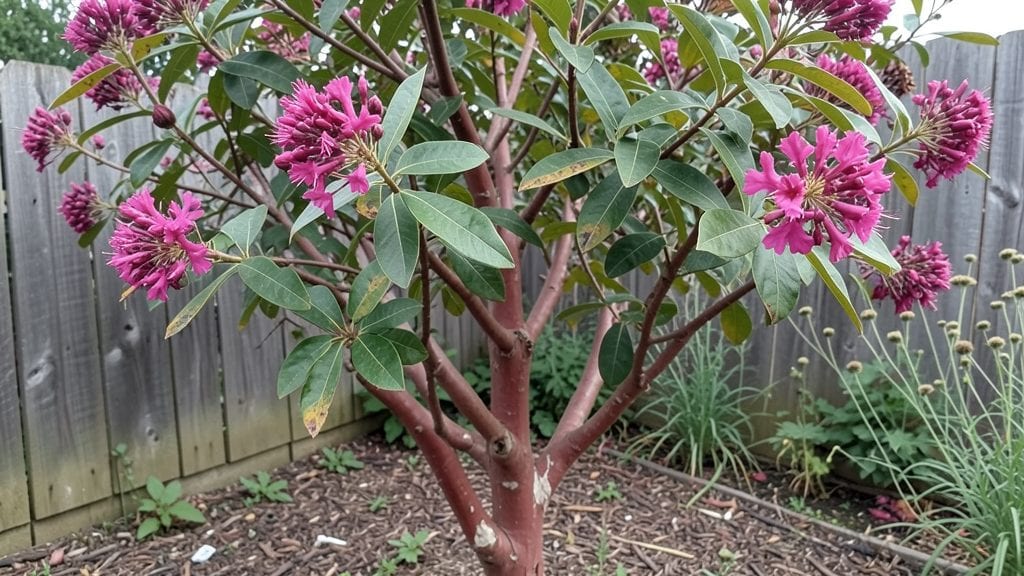
The pink pagoda flower (Lagerstroemia indica) brings dramatic pink canopies to Pacific Northwest gardens—even after frost. 🌸 I planted mine last spring, and by midsummer, it became the showstopper of my yard with its layered blooms and peeling bark that reveals stunning fall colors.
The key to success? Mimicking its natural habitat in Asia, where it thrives in well-drained soil and full sun.
This tree isn’t fussy about soil as long as it drains well—sandy loam works best, but amending heavy clay with compost solves most problems. Water deeply once established, but avoid soggy roots, which cause leaf drop.
My first year, I overwatered and saw yellowing leaves by July, but cutting back fixed it fast. Prune in late winter to shape and remove dead wood, and you’ll encourage those iconic summer blooms.
By summer’s end, you’ll have a frost-hardy tree that outshines most ornamentals—pink blooms in July, fiery foliage in September, and even winter interest with its exfoliating bark. It’s the kind of plant that makes neighbors stop and ask, “What’s that?”—and your answer is, “The pink pagoda, of course.”
Perfect for small yards or as a focal point in larger gardens, this tree handles Pacific Northwest’s wet winters and dry summers with ease. Just remember: patience is key—it takes 3-5 years to reach full bloom potential, but the wait is worth every dramatic display.
📚 In This Guide
- What you need
- Instructions
- Tips and common mistakes
- Wrapping up and next steps
What you need
- ● Seeds or nursery-grown plants: Choose Delphinium elatum (Pink Pagoda variety) seeds or young plants from a trusted supplier. Pro tip: 💡 Start seeds indoors 8–10 weeks before your last frost for a head start!
- ● Well-draining soil mix: A blend of garden soil, compost, and perlite (ratio: 60% soil, 30% compost, 10% perlite) to prevent root rot.
- ● Garden space: Full sun (6+ hours daily) and a spot with 6+ inches of depth for roots. Note: These beauties thrive in USDA Zones 3–8—perfect for PNW frost!
- ● Fertilizer: Balanced 10-10-10 fertilizer at planting (1 tbsp per plant).
- ● Low-nitrogen 5-10-10 fertilizer mid-season (every 4–6 weeks).
- ● Support stakes or cages: Tall varieties (3–5 ft) need 6-foot stakes or tomato cages for stability. Pro tip: 🎯 Bury stakes at planting to avoid disturbing roots later!
- ● Mulch: 2–3 inches of organic mulch (straw or shredded bark) to retain moisture and suppress weeds.
- ● Pruners (sterilized with rubbing alcohol) for deadheading and shaping.
- ● Watering can or drip irrigation system (consistent moisture is key!).
- ● Soil pH tester (aim for 6.5–7.0; amend with lime if needed).
- ● Plant labels (to track varieties and care notes).
- ● Garden gloves (to protect hands from prickly stems).
How to grow pink pagoda flowers for a Pacific Northwest canopy
Here's how I create a stunning, frost-tolerant floral display that thrives in the region's cool climate.
🌱 Step 1: Choose the Right Location and Prepare the Soil
Pink Pagoda (Lagerstroemia fauriei) loves the Pacific Northwest's mild summers and cool winters—just give it full sun to partial shade and well-draining soil. I always plant mine where they'll get at least 6 hours of sunlight daily, though they tolerate morning shade in hotter inland areas. The key is avoiding soggy roots, so if your soil stays wet, amend with 2-3 inches of compost mixed into the top 12 inches of soil.
Test your soil's drainage by digging a 12-inch hole and filling it with water. If it drains in less than 30 minutes, your soil is fine. If not, mound native soil or compost in the hole to create a raised bed. Pink Pagodas hate "wet feet," so proper drainage is non-negotiable.
☀️ Step 2: Plant Bare-Root or Container-Grown Trees at the Right Time
Spring is ideal—plant after the last frost when soil temperatures reach 50°F or warmer. If using bare-root trees, soak the roots in lukewarm water for 1-2 hours before planting. For container-grown plants, water thoroughly the day before transplanting to reduce shock. Dig a hole twice as wide as the root ball but only as deep—planting too deep suffocates the roots.
Place the tree in the center, spread roots outward, and backfill with native soil, tamping lightly to remove air pockets. Water deeply to settle the soil, then add a 2-inch layer of mulch (keeping it 6 inches away from the trunk) to retain moisture and regulate temperature. This mulch layer is critical—it mimics the forest floor where Pink Pagodas naturally thrive.
💧 Step 3: Water Deeply and Establish a Consistent Routine
Newly planted trees need 1-2 gallons of water every 2-3 days for the first month, depending on rainfall. After that, water deeply once a week during dry spells—aim for 1-2 inches of water per week. You'll know you're doing it right when water penetrates 6-12 inches deep into the soil. Overwatering is the fastest way to kill these trees, so always check soil moisture before watering.
Here's the thing—Pink Pagodas are drought-tolerant once established, but they won’t tolerate soggy conditions. If your yard has poor drainage, consider a raised bed or swale to keep roots in the sweet spot. After the first growing season, you’ll see fewer watering needs as the tree develops a deep root system.
✂️ Step 4: Prune for Shape and Health in Late Winter
Prune 2-3 weeks before new growth begins (typically February-March in the PNW). Remove dead, diseased, or crossing branches first, then shape the tree by cutting back 1/3 of the previous year’s growth to encourage bushier growth. Pink Pagodas bloom on new wood, so don’t worry about cutting back too much—this actually promotes more vibrant flowers.
Use clean, sharp pruners to make cuts just above a bud or branch collar. Avoid leaving stubs, as they invite disease. After pruning, apply a balanced fertilizer (10-10-10) around the drip line to support new growth. This is also the time to check for pests—look for aphids or spider mites on new shoots and treat with neem oil if needed.
🌿 Step 5: Protect from Late Frosts and Enjoy the Canopy
The Pacific Northwest’s late frosts can damage new growth, so cover young trees with frost cloth if temperatures dip below 28°F. Mature Pink Pagodas handle frost beautifully, but their first few years are critical. Once established, these trees need minimal care—just annual pruning and deep watering during droughts.
Watch for the first flush of pink blooms in early summer, followed by a second wave in late summer. The exfoliating bark and vibrant foliage make these trees a year-round star. With proper planting and care, your Pink Pagoda will create a stunning, low-maintenance canopy for decades—exactly what PNW gardens need.
Tips & tricks for perfect pink pagoda flower planting
These are the secrets I've learned to help your Pink Pagoda thrive in the Pacific Northwest's unique climate.
Location and Sunlight: While Pink Pagodas tolerate morning shade, I've found they reward you with the most vibrant blooms when planted in full sun—at least those 6 hours daily mentioned in the instructions. If your yard has afternoon shade, position the tree where it gets morning sun and afternoon dappled light. The key is avoiding deep shade, which weakens the tree's natural frost resistance.
Soil Preparation: The 30-minute drainage test is your best friend. If water pools after 30 minutes, you're dealing with heavy clay soil common in the PNW. My solution? Mix in 2-3 inches of compost with coarse sand (like river sand) to improve drainage without altering the soil's natural structure. This creates the perfect balance—moisture retention without waterlogging.
Planting Timing: Spring planting after last frost is ideal, but I've had great success with early fall planting too. If you choose fall, aim for 6-8 weeks before your first hard frost—this gives roots time to establish before winter. For bare-root trees, that 1-2 hour soak is crucial. I like to add a drop of dish soap to the water to help break surface tension and encourage better hydration.
Watering Wisdom: The 1-2 gallons every 2-3 days for the first month is non-negotiable, but here's what nobody tells you—water in the early morning. This prevents fungal diseases that thrive in damp evening conditions. After the first month, let the soil dry slightly between waterings. You'll know you're doing it right when the top 2 inches of soil feel dry to the touch.
Pro Tips for Pink Pagoda Flower
- These are the secrets I've learned to help your Pink Pagoda thrive in the Pacific Northwest's unique climate.
- Location and Sunlight: While Pink Pagodas tolerate morning shade, I've found they reward you with the most vibrant blooms when planted in full sun—at least those 6 hours daily mentioned in the instructions.
- Soil Preparation: The 30-minute drainage test is your best friend.
Frequently asked questions
Got questions about growing pink pagoda flowers (also known as Delphinium elatum) in your Pacific Northwest garden? Here are some common ones—and their answers—to help you cultivate these stunning, frost-resistant beauties with confidence!
How cold can pink pagoda flowers tolerate?
Pink pagoda flowers are highly frost-resistant and thrive in USDA Zones 3-8! They can handle light frosts even as seedlings and often bounce back after winter. In the PNW’s chilly climate, they’re a low-maintenance choice—just protect young plants with mulch during harsh freezes (below 10°F).
When is the best time to plant pink pagoda flowers in the Pacific Northwest?
For optimal growth, plant seeds in early spring (March–April) or transplants in late spring (May) after the last frost. If you’re sowing seeds indoors, start 8–10 weeks before the last frost date. In the PNW’s mild winters, you can also plant bare-root plants in early spring for a head start.
Do pink pagoda flowers spread or need staking?
These flowers don’t spread aggressively but grow tall (up to 5 feet!) and may need support in windy PNW gardens. Use soft ties or stakes to prevent flopping. Deadhead spent blooms to encourage more flowers, but leave some seed heads for wildlife (like bees and birds)!
What pests or diseases should I watch for with pink pagoda flowers?
Common issues include aphids, slugs, and powdery mildew (especially in humid PNW summers). Prevent slugs with copper barriers or diatomaceous earth. For mildew, space plants for airflow and avoid overhead watering. A neem oil spray can treat pests naturally.
Can I grow pink pagoda flowers in containers?
Yes! Choose large containers (12+ inches deep) with well-draining soil and support stakes. Use a balanced fertilizer (like 10-10-10) every 4–6 weeks. Just ensure containers get full sun (6+ hours/day)—they’ll still thrive in PNW patios or balconies!
Wrapping up and next steps
The pink pagoda flower is a stunning, low-maintenance addition to Pacific Northwest gardens—its frost-hardy nature and vibrant blooms make it a dream for any gardener. With the right soil, sunlight, and care, you’ll enjoy its delicate beauty year after year, even through chilly winters. 🌸
Ready to transform your garden? Start by gathering your supplies, then plant your pink pagoda with confidence. Your future blooms are just a shovel’s throw away!
- 🌱 Next step: Mark your planting spots and prepare the soil.
- 📅 Pro tip: Early spring or fall is ideal for planting.