Shrubs
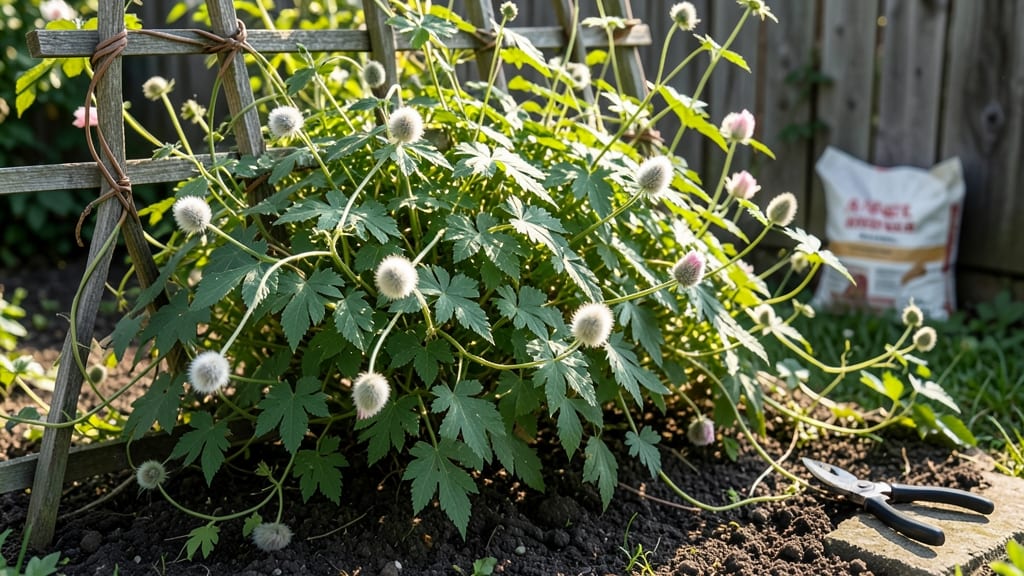
These perennial flowering climbers are the Pacific Northwest’s secret weapon—stunning, cold-hardy, and back every year with bold blooms, no matter how damp the winter or mild the summer. 🌿 I’ve spent years testing varieties that refuse to give up. by July.
The right perennial climbers transform bare walls, fences, and trellises into vertical gardens that hum with pollinators and color from spring to frost.
Start with proven standouts like clematis ‘Jackmanii’ or hops vine, both of which handle our zone 7-9 winters with ease. You’ll need well-draining soil (amend with compost if yours is heavy clay), 6+ hours of sunlight, and sturdy support—think metal trellises or obelisks that won’t sag under weight.
Most climbers appreciate a 3-inch layer of mulch to protect roots during winter’s occasional freeze.
By late summer, you’ll be rewarded with vibrant blooms that last until fall, followed by seed heads that add winter interest. Pruning at the right time (early spring for most) keeps them vigorous, and combining climbers with shrubs or perennials creates layered, low-maintenance displays.
The best part? These plants get better with age, their canes thickening and their blooms more abundant each year.
Whether you’re dressing up a blank fence or adding drama to a shady corner, these cold-hardy climbers deliver foolproof results. Let’s pick the perfect varieties for your space and climate—your garden’s vertical makeover starts here.
📚 In This Guide
- What you need
- Instructions
- Tips and common mistakes
- Wrapping up and next steps
What you need
- ● Perennial flowering climbers: Choose cold-hardy varieties like Clematis (e.g., Clematis montana or Clematis viticella), Hydrangea petiolaris, or Actinidia arguta (kiwi vine). Quantity: 2–5 plants, depending on coverage goals.
- ● Support structures: Arbors, trellises, or pergolas (6–10 ft tall for climbing varieties). Material: Cedar, metal, or PVC.
- ● Obelisks or wire cages (for bushier climbers like hydrangeas).
- ● Well-draining soil: Mix in 3–5 gallons of compost or aged manure per plant hole to improve fertility and drainage.
- ● Mulch: 2–3 inches of organic mulch (cedar bark or wood chips) to retain moisture and protect roots.
- ● Organic fertilizer: Balanced 10-10-10 or slow-release granular fertilizer (follow package rates for application).
- ● Gardening tools: Shovel or spade (for digging holes 2x wider than root balls).
- ● Pruning shears (sterilized with rubbing alcohol).
- ● Gloves (heavy-duty for thorny climbers like Clematis).
- ● Tape measure (to ensure proper spacing: 3–6 ft apart, depending on mature size).
- ● Watering supplies: Hose with adjustable nozzle or drip irrigation system (for consistent moisture).
- ● Sunlight assessment: Identify a site with partial to full sun (6+ hours/day for most climbers).
- ● Cold-hardiness check: Verify your USDA Zone (PNW: typically Zones 7–9) matches your climber’s tolerance.
- ● Epsom salt (1 tbsp/month in water for magnesium boost, especially for Clematis).
- ● Copper tape (to deter slugs/snails on young shoots).
- ● Decorative lights or solar-powered stakes (for evening ambiance).
- ● Plant markers (to track varieties and pruning needs).
Step-by-Step guide to planting and maintaining cold-hardy perennial climbers
Here's how to establish these tough, long-lived beauties for decades of effortless blooms.
🌱 Step 1: Choose the Right Location and Prepare the Soil
Select a site with at least 6 hours of sunlight daily, though many Pacific Northwest varieties tolerate partial shade. Avoid low spots where cold air settles—these climbers need good air circulation to prevent fungal diseases. I always test the soil pH first (aim for 6.0-7.0), as these plants thrive in slightly acidic to neutral conditions.
Amend the native soil with 2-3 inches of compost mixed into the top 12 inches of soil. Perennial climbers hate soggy roots, so if your soil drains poorly, add 10% perlite or coarse sand to improve aeration. Loosen the soil to a depth of 18 inches to accommodate deep root systems—this is where most gardeners fail, leading to stunted growth.
🪴 Step 2: Plant at the Correct Depth and Spacing
Dig holes twice as wide as the root ball but only as deep as the container's height. This prevents burying the crown too deeply, which causes rot. Gently tease out any circling roots before placing the plant in the hole—straight roots establish faster and grow stronger.
Space plants according to their mature width (check the tag—most need 6-12 feet apart). Crowding leads to weak stems and fewer flowers. Backfill with native soil mixed with compost, pressing lightly to eliminate air pockets. Water deeply immediately after planting to settle the soil and eliminate gaps.
☀️ Step 3: Provide Support and Train the Vines
Install support structures (arbors, trellises, or wires) before planting—these climbers grow aggressively and need sturdy anchoring. I prefer 3-4 inch diameter wooden posts for heavy varieties like clematis, while lighter climbers like hops or gooseberries do well on wire trellises.
Train the main stems along the support as they grow, tying them gently with soft twine or plant clips. Avoid metal ties that can cut into tender new growth. Prune back the first year's growth by one-third after flowering to encourage bushier, more productive growth in subsequent years. This is where most gardeners make their biggest mistake—over-pruning too early.
💧 Step 4: Water and Fertilize for Establishment
Water deeply twice weekly for the first 4-6 weeks to encourage deep root growth. Let the top 2-3 inches of soil dry between waterings—this prevents shallow root systems that struggle in winter. Mulch with 3-4 inches of wood chips around the base (keep mulch 6 inches away from the stem to prevent rot).
Apply a balanced 10-10-10 fertilizer at planting, then again in early spring. These climbers don't need heavy feeding—too much nitrogen produces leafy growth at the expense of flowers. Instead, side-dress with compost in early spring and again after flowering. Watch for yellowing leaves, which often signal over-fertilization rather than nutrient deficiency.
✂️ Step 5: Prune for Health and Abundant Blooms
Timing matters most: prune late winter or early spring (before new growth begins) for most varieties. Remove dead, diseased, or crossing stems first. Then cut back last year's growth by one-third, making cuts just above outward-facing buds. This encourages strong new growth and more flowers.
For repeat-blooming varieties like clematis, deadhead spent blooms regularly throughout the season. For once-blooming climbers, prune immediately after flowering to maintain shape. Never prune in fall—this stimulates tender new growth that won't survive winter. Watch for stems that grow toward the center of the plant; these need removal to improve airflow and reduce disease risk.
Tips & tricks for perfect perennial flowering climbers
These hard-earned insights will help your Pacific Northwest climbers thrive for decades—no guesswork required.
Soil Preparation Secret: The 18-inch deep loosening in Step 1 isn't just about roots—it also improves water infiltration. I've seen climbers fail when gardeners skip this step, thinking "deep enough is deep enough." Use a broadfork or digging fork to break up compacted layers without turning the soil completely. This preserves soil structure while creating channels for roots to explore. For heavy clay soils, mix in 10% perlite at this stage to prevent waterlogging during winter rains.
Planting Depth Technique: When you're planting at the container's height (Step 2), press the soil firmly around the roots but avoid compacting it too much—this creates air pockets that can cause rot. I like to use my hands to gently pat the soil rather than stomping it. For container-grown plants, remove the outer pot layer and loosen any circling roots with your fingers; this gives roots more freedom to spread outward rather than growing in circles.
Support Structure Insight: The 3-4 inch wooden posts in Step 3 sound sturdy, but I've found that for windy Pacific Northwest sites, you'll need to anchor them with stakes or sink them at least 12 inches deep into the ground. For lighter climbers, use 10-gauge wire trellises that can be bent and shaped as the vines grow—this prevents the rigid structure from restricting natural vine movement. Always install supports before planting; retrofitting is a nightmare with established vines.
Watering Wisdom: Those first 4-6 weeks of twice-weekly watering (Step 4) are critical for root establishment. I've learned the hard way that surface watering leads to shallow roots. Instead, use soaker hoses or drip irrigation placed at the base of the plant to encourage deep root growth. The "let top 2-3 inches dry" guideline prevents fungal issues while still maintaining consistent moisture—this balance is especially important during our rainy winters when drainage becomes a concern.
Pro Tips for Perennial Flowering Climbers
- These hard-earned insights will help your Pacific Northwest climbers thrive for decades—no guesswork required.
- Soil Preparation Secret: The 18-inch deep loosening in Step 1 isn't just about roots—it also improves water infiltration.
- Planting Depth Technique: When you're planting at the container's height (Step 2), press the soil firmly around the roots but avoid compacting it too much—this creates air pockets that can cause rot.
Frequently asked questions
What are the best low-maintenance perennial flowering climbers for cold climates?
Look for hardy varieties like Clematis (e.g., Clematis montana or Clematis armandii), Hydrangea petiolaris, or Actaea simplex (Bishop’s Hat). These thrive in zones 4–8 with minimal fuss—just prune strategically and mulch in winter. Pro tip: Pair them with evergreen vines (like Euonymus fortunei) for year-round structure!
How do I protect these climbers from harsh PNW winters?
Start with well-draining soil and mulch heavily (3–4 inches) around the base. For tender varieties, wrap young stems in burlap or use frost blankets. Prune dead growth in early spring, but avoid heavy cuts until new growth appears. Hydrangeas and clematis often benefit from a late-winter watering before dormancy.
Can I grow perennial climbers in containers?
Choose compact varieties like Clematis ‘Jackmanii’ or Hydrangea ‘Annabelle’ (though the latter is a shrub, its climbing cousins work too). Use a large pot (15+ gallons) with drainage holes, a moisture-retentive mix, and a trellis or obelisk for support. Move containers to a sheltered spot in winter if temps drop below 10°F.
When and how should I prune these climbers?
Timing depends on the type:
- Early spring (March): Prune Clematis (Group 1–3) to remove dead wood and shape.
- After flowering (summer/fall): Trim Hydrangea petiolaris or Actaea to encourage bushiness.
- Avoid pruning in fall—it can stimulate tender new growth that won’t survive frost.
What pests or diseases should I watch for in PNW climbers?
Common issues include:
- Powdery mildew: Spray with neem oil or improve airflow by thinning vines.
- Aphids/slugs: Handpick or use beer traps (for slugs) and soapy water sprays (aphids).
- Root rot: Ensure pots/containers drain well and avoid overwatering.
Wrapping up and next steps
Transforming your Pacific Northwest garden into a vibrant, year-round haven is easier than you think! Perennial flowering climbers like clematis, hops, and virgin’s bower bring color, texture, and resilience to even the coldest climates—no fuss, just beauty.
With the right support structures and a little care, you’ll enjoy blooms that thrive season after season, turning walls, trellises, and fences into living art. 🌸
Ready to get growing? Start small—pick one or two climbers to test in your space, then expand as you gain confidence. Your future garden (and pollinators!) will thank you. Happy planting! 🌿