
Flowers
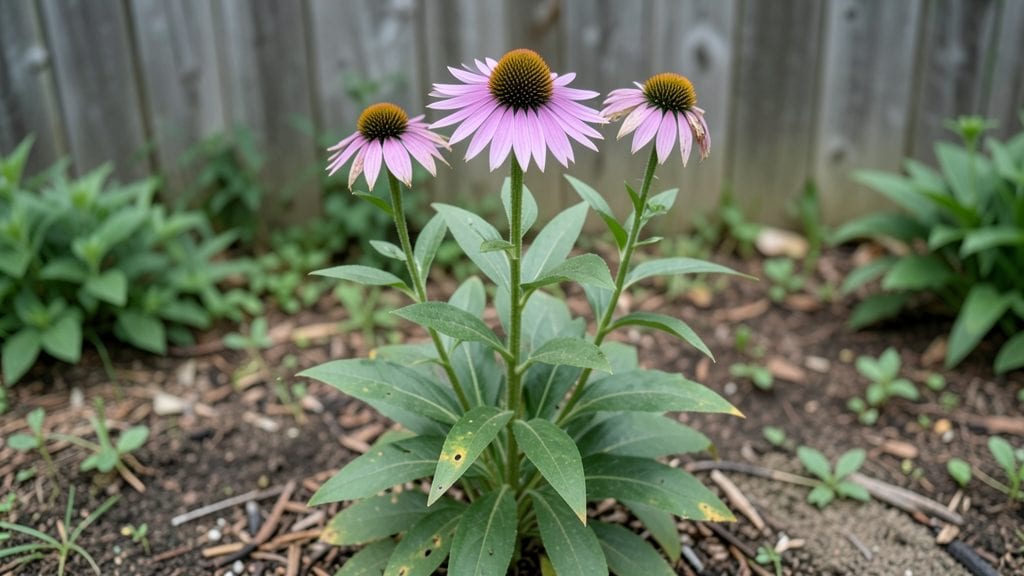
Finding the right perennial flower zones for your Pacific Northwest garden means choosing plants that thrive through wet winters and mild summers—without turning into annuals by accident. I learned this the hard way when my first batch of hardy peonies nearly froze out in a cold snap.
The key is matching your microclimate to the USDA zone map, then selecting perennials that match those conditions.
Start with your local zone (typically 7-9 for PNW) and adjust for elevation or coastal influences. Once you know your zone, pick perennials like sword ferns (zone 5-9) for shade or beard tongue (zone 3-9) for sun—both handle PNW’s damp winters beautifully.
The trick is avoiding tender annuals disguised as perennials; stick to native or well-adapted varieties for foolproof results.
You’ll end up with a garden that stays lush and colorful year after year, even through the rain. Plants like salmonberry (zone 5-9) and western columbine (zone 3-9) multiply effortlessly, while heuchera (zone 3-9) adds vibrant foliage with almost no maintenance.
The payoff? A low-effort garden that rewards you with blooms from spring through fall.
For coastal gardens, add a windbreak to protect delicate stems, and in cooler inland zones, mulch heavily to insulate roots. Most PNW perennials thrive with 6-12 inches of mulch and regular watering during dry spells. Once established, they’ll outlast any summer heatwave or winter chill.
📚 In This Guide
- What you need
- Instructions
- Tips and common mistakes
- Wrapping up and next steps
What you need
- ● Perennial flowers: Cold-hardy varieties (USDA Zones 6-9): Echinacea, Lavender, Coneflower, Russian Sage, Catmint, Yarrow, Columbine, Bleeding Heart, Hostas, and Heuchera (3-5 plants per type for balanced coverage).
- ● Pacific Northwest natives: Sword Fern, Oregon Grape, Salal, and Western Columbine (2-3 plants for pollinator support).
- ● Soil amendments: Compost (1-2 bags, ~4-6 cubic feet) for enriching clay-heavy or sandy soils.
- ● Organic mulch (cedar or pine bark, 2-3 cubic feet) to retain moisture and suppress weeds.
- ● Slow-release fertilizer (10-10-10, 5 lbs) for balanced nutrition.
- ● Tools: Garden trowel or hand shovel (for transplanting small plants).
- ● Garden fork (for amending heavy soil).
- ● Pruners (bypass type, for trimming dead foliage).
- ● Measuring tape (10-25 ft) for spacing plants accurately.
- ● Watering can or hose with a gentle spray nozzle (for post-planting hydration).
- ● Soil pH test kit (to check acidity/alkalinity—PNW soils are often acidic).
- ● Drip irrigation system or soaker hose (for consistent watering in rainy seasons).
- ● Garden gloves (to protect hands from thorns or rough foliage).
- ● Plant labels (to track varieties and zones).
- ● Seasonal mulch (straw or leaves in winter for insulation).
How to choose and plant perennials for Pacific Northwest climate zones
Here’s my approach to selecting and establishing cold-hardy perennials that thrive in PNW winters.
Identify Your Specific Hardiness Zone
Use the USDA Plant Hardiness Zone Map to pinpoint your exact zone—PNW ranges from Zone 6 (eastern Washington) to Zone 9 (coastal Oregon). Coastal areas often experience milder winters due to ocean influence, while inland zones can drop below 20°F. Check your yard’s microclimate: frost pockets near north-facing slopes or valleys may require slightly more cold-tolerant varieties.
I always verify my zone by entering my address into the interactive map—it accounts for elevation shifts of 5°F per 1,000 feet. If you’re in Zone 7, for example, aim for perennials rated for Zones 5-8 to ensure winter survival. Note that coastal Zone 8 gardens might handle Zone 7 plants better than inland Zone 8 spots due to ocean moderation.
Select Perennials Rated for Your Zone
Prioritize native PNW perennials like Symphyotrichum subspicatum (dwarf aster) or Achillea millefolium (yarrow), which naturally endure Zone 3-9 winters. For structured beds, Helleborus niger (Christmas rose) thrives in Zones 4-8 and blooms in winter. Always check the plant tag for cold hardiness—just because a perennial is "hardy" doesn’t mean it’s suited for your specific microclimate.
I avoid tender perennials like Dahlias (Zone 7+) in Zone 6 gardens unless I treat them as annuals or dig up tubers before frost. For Zone 9 coastal gardens, Lavandula angustifolia (English lavender) is perfect, but inland Zone 9 may need Lavandula × intermedia (French hybrid), which handles 10°F better. Group plants by hardiness to simplify care.
Prepare Planting Sites for Winter Resilience
Amend heavy PNW soils with 3-4 inches of compost to improve drainage—waterlogged roots freeze faster in winter. I always test soil pH: blueberries (Zone 5-9) need acidic soil (4.5-5.5), while peony roots (Zone 3-8) prefer neutral (6.5-7.5). Mulch heavily with 4-6 inches of shredded bark or leaves after planting to insulate roots during Zone 5-7 winters.
Plant perennials in late summer to early fall (6-8 weeks before first frost) to establish roots before cold sets in. Avoid spring planting for cold-hardy varieties—they’ll struggle to root before winter. For Zone 8-9 coastal areas, a light winter mulch (2 inches) suffices, but Zone 6 gardens need 6+ inches to prevent heaving. Water deeply before mulching to encourage root growth.
Monitor and Adjust for Microclimates
Observe how established perennials fare through winter. If Hellebores (Zone 4-8) show frost damage in your Zone 7 garden, they’re likely in a frost pocket. Move them to a sunnier, wind-protected spot next year. I’ve found Sedum ‘Autumn Joy’ (Zone 3-9) thrives in Zone 6 gardens but flops in Zone 7 frost pockets—always note these patterns.
For Zone 9 gardens, watch for heat stress in summer—some cold-hardy perennials (like Iris germanica) may need afternoon shade. In Zone 6, protect tender perennials with burlap wraps or frost cloth during unexpected cold snaps below 15°F. Adjust mulch depth annually: add more if winters grow colder or remove some if summers become drier.
Tips & tricks for perfect perennial planting in Pacific Northwest gardens
These practical insights will help you navigate the nuances of establishing cold-hardy perennials that thrive year after year in PNW conditions.
Zone Verification: Don’t rely solely on the general PNW range—coastal Zone 8 gardens can be 5°F warmer than inland areas just a few miles away. I recommend using the USDA interactive map and overlaying your property’s topography. North-facing slopes often drop 2-3°F colder than south-facing areas, so adjust your plant selection accordingly for those frost-prone spots.
Soil Preparation Strategy: The 3-4 inches of compost mentioned in Step 3 is non-negotiable for PNW’s heavy clay soils, but don’t stop there. I’ve found that mixing in 1 part perlite to 3 parts compost creates ideal drainage while retaining moisture. For blueberries, which need acidic soil (4.5-5.5), I recommend adding peat moss or sulfur to achieve the proper pH before planting.
Mulching Precision: The 4-6 inches of mulch recommendation for Zone 5-7 gardens is spot-on, but timing matters. Apply mulch after the first hard frost when soil temperatures drop below 40°F. For Zone 9 coastal gardens, I use 2 inches of straw mulch instead of bark to prevent overheating during summer months while still providing winter protection.
Winter Protection Layering: When temperatures approach 15°F in Zone 6 gardens, I add an extra layer of burlap or frost cloth over vulnerable perennials like Hellebores and peonies. This creates a microclimate that can raise temperatures by 5-10°F during cold snaps. For Zone 8-9 gardens, I focus on afternoon shade solutions instead of heavy mulching to prevent summer stress.
Pro Tips for Perennial Flower Zones
- These practical insights will help you navigate the nuances of establishing cold-hardy perennials that thrive year after year in PNW conditions.
- Zone Verification: Don’t rely solely on the general PNW range—coastal Zone 8 gardens can be 5°F warmer than inland areas just a few miles away.
- Soil Preparation Strategy: The 3-4 inches of compost mentioned in Step 3 is non-negotiable for PNW’s heavy clay soils, but don’t stop there.
Frequently asked questions
Got questions about perennial flower zones? You’re not alone!
Here are answers to the most common queries to help you pick the perfect cold-hardy blooms for your Pacific Northwest garden.
What does “perennial flower zone” mean?
Perennial flower zones refer to the USDA Hardiness Zones (like Zones 7-9 in the PNW) that indicate which plants can survive winter temperatures in your area. Choosing zone-appropriate perennials ensures they thrive year after year with minimal fuss. Pro tip: Check your USDA Zone Map for precise details!
When is the best time to plant perennials in the Pacific Northwest?
For the PNW, early spring (March–April) or early fall (September–October) are ideal. These times give roots time to establish before summer heat or winter cold. Avoid planting in extreme heat—soil stays too dry, and roots struggle. Pro tip: Water deeply after planting to help them settle in!
Can I grow perennials in containers if my zone isn’t ideal?
Containers let you adjust growing conditions (e.g., moving pots to shade in summer or bringing them indoors during freezes). Opt for hardy varieties like heucheras, asters, or Russian sage—they tolerate cooler temps. Just ensure pots have drainage and use lightweight soil to prevent root rot.
How do I protect perennials from PNW winter rains and cold?
Most PNW perennials are naturally cold-tolerant, but heavy rain can cause rot. Improve drainage by amending soil with compost, and mulch with 3–4 inches of shredded bark or leaves after the first frost. For tender perennials, add a lightweight frost cloth during hard freezes (below 20°F).
What if my perennials die back but don’t bloom?
Don’t panic! Many perennials (like peony or hellebore) bloom early and go dormant by summer. If they’re not blooming at all, check for:
- Sunlight: Some need 6+ hours of sun (e.g., coneflowers).
- Soil: Amend with compost if soil is poor.
- Age: Young plants may take 2–3 years to bloom.
Can I mix perennials from different zones in the same garden?
Yes, but plan strategically! Group Zone 7–8 perennials (e.g., black-eyed Susan) together for consistency. Use microclimates (e.g., sunny spots for heat-lovers like lavender) and mulch heavily to buffer temperature swings. Avoid pairing tender perennials (Zone 9+) with frost-sensitive neighbors.
Wrapping up and next steps
Choosing the right perennial flower zones for your Pacific Northwest garden ensures vibrant blooms year after year, even in cooler climates!
From hardy peonies to resilient coneflowers, you now have the tools to pick cold-tolerant varieties that thrive in your specific zone. Don’t let winter hold you back—your garden’s potential is limitless!
Ready to transform your outdoor space? Start small: pick 2-3 perennials from your zone, plant them this season, and watch your garden flourish. Happy gardening! 🌸✨