Flowers
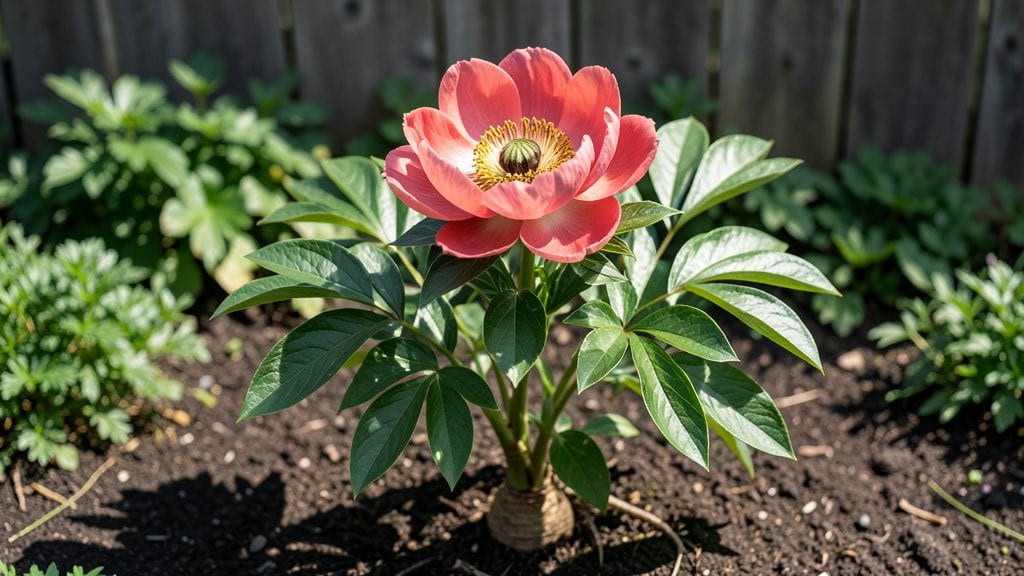
Planting a peony flower bush in the Pacific Northwest guarantees those dreamy, cloud-like blooms that last for weeks—if you follow the cold-hardy secrets.
I’ve grown peonies here for years, and the difference between a thriving bush and a struggling one comes down to soil, sunlight, and knowing when to prune those thick stems.
The first year is all about setting them up right; by year three, you’ll have a bush so lush it’ll make your neighbors jealous.
Start with well-draining soil—peonies hate soggy roots—and plant the "eyes" (those little buds) just 1–2 inches below the surface. Space them 3–4 feet apart for full, airy growth, and give them at least 6 hours of sunlight daily.
Herbaceous peonies (the classic types) die back in winter, while tree peonies stay evergreen—both thrive in our cool climate, but the care tweaks matter. Bare-root plants need extra attention at planting time, so don’t skip the root soak before setting them in.
Pruning is simple: cut back the stems to 2–3 inches in early spring, right after the snow melts. No need for fancy tools—just sharp shears and a steady hand. Fertilize lightly in early spring with 10-10-10, and watch those stems thicken.
By mid-June, you’ll have blooms so fragrant they’ll fill your yard with that old-fashioned garden charm. The key? Patience—peonies take 2–3 years to hit their peak, but they’ll reward you for decades.
Bonus tip: Stake tall stems early to prevent flopping, and mulch heavily in winter to protect those roots from freeze-thaw cycles. Whether you’re growing herbaceous or tree peonies, this blueprint works for our wet, mild winters.
Ready to turn your garden into a peony paradise? Let’s get those roots in the ground.
📚 In This Guide
- What you need
- Instructions
- Tips and common mistakes
- Wrapping up and next steps
What you need
- ● Peony plants: 3–5 Paeonia lactiflora or Paeonia officinalis bareroot or potted plants (choose cold-hardy varieties like 'Sarah Bernhardt' or 'Bowl of Beauty').
- ● Well-draining soil: 3–5 cubic yards of a mix of 60% topsoil, 30% compost, and 10% coarse sand or perlite (peonies hate soggy roots!).
- ● Organic fertilizer: 1–2 lbs of 10-10-10 or 5-10-10 slow-release granular fertilizer (low nitrogen to avoid leafy overgrowth).
- ● Mulch: 2–3 inches of wood chips, straw, or shredded bark (keep 6 inches away from stems to prevent rot).
- ● Garden trowel or spade (for digging holes).
- ● Measuring tape or ruler (to ensure proper spacing).
- ● Garden gloves (thorny peony stems are no joke!).
- ● Watering can or hose with a gentle spray nozzle (deep but infrequent watering is key).
- ● Pruners (sterilized) (for deadheading and shaping in early spring).
- ● Peony support stakes or cages (if your variety gets top-heavy).
- ● Soil pH tester (ideal range: 6.5–7.0; amend with lime if needed).
- ● Drip irrigation system (for consistent moisture in dry spells).
- ● Fungicide (copper-based) (preventative measure for powdery mildew in humid PNW summers).
How to plant and care for cold-hardy peony bushes in the Pacific Northwest
Here's the straightforward approach I've used for years to grow peonies that thrive in our chilly, wet climate.
Choose the Perfect Planting Location
Peonies need full sun—at least 6-8 hours daily—to produce their lush blooms. In the Pacific Northwest, this means finding the sunniest spot in your yard, even if it's just a small patch near your house. Avoid low-lying areas where cold air settles, as peonies are hardy to zone 3, but they still appreciate good air circulation to prevent fungal issues.
I dig a hole twice as wide as the root ball but no deeper than 2 inches below the plant's crown (the swollen base where roots meet stems). The crown should sit just below the soil surface—burying it too deep will delay blooming, while planting too shallow exposes it to frost damage. In our damp climate, I always add a 2-inch layer of gravel at the bottom of the hole to improve drainage.
Plant with Care for Long-Term Success
Gently loosen the roots of your peony if they're tightly bound, but don't prune them—peonies establish best with their natural root structure intact. Place the plant in the hole so the crown sits 1-2 inches below the surrounding soil level. This positioning ensures the plant stays stable while allowing room for future mulch.
Backfill with native soil mixed with compost (if available) to give your peony a nutrient boost without overwhelming it. Press the soil gently around the roots to remove air pockets, then water deeply to settle everything. You'll know you've done it right when the soil looks firm but not compacted, and the plant stands upright without wobbling.
Mulch and Water for Establishment
Spread 3-4 inches of organic mulch (like wood chips or straw) around the base of the plant, keeping it 6 inches away from the stem to prevent rot. This layer protects the roots from temperature swings and retains moisture—critical in our rainy winters. I always use disease-free mulch to avoid introducing pathogens to the soil.
Water once a week during the first growing season, giving the plant 1-2 gallons per week depending on rainfall. You'll know it's getting enough when the soil feels moist but not soggy down to 4 inches deep. Overwatering in our climate can lead to root rot, so I check the soil with my finger before watering again. Once established, peonies are surprisingly drought-tolerant.
Prune and Maintain for Future Blooms
Wait until late spring, after the foliage has turned brown and died back naturally, to prune your peony. Cut the stems back to 1-2 inches above the ground—never prune in early spring, as this removes next year's flower buds. I use clean, sharp shears to make precise cuts and disinfect them with rubbing alcohol between plants to prevent disease spread.
In the Pacific Northwest, peonies benefit from a light feeding in early spring with a balanced fertilizer (10-10-10). Apply it when the first shoots emerge, but avoid heavy fertilizers—they encourage leafy growth at the expense of blooms. I also divide clumps every 3-5 years in early fall to keep them vigorous, digging up the entire plant and separating the roots with a clean knife.
Tips & tricks for perfect peony flower bushes
Here's what I've learned after years of growing these hardy beauties in our rainy climate.
Sunlight Strategy: In the Pacific Northwest, where sunlight is precious, prioritize the sunniest spot you can find—even if it's just a small patch against your house. If you're working with partial shade, choose varieties like 'Sarah Bernhardt' or 'Bowl of Beauty' that tolerate slightly less sun. The 6-8 hours of sunlight mentioned in Step 1 is non-negotiable for blooms, but these varieties can stretch that window a bit while still delivering stunning flowers.
Crown Depth Matters: The 2 inches below the crown depth in Step 1 is critical—this positioning prevents crown rot from our wet winters while ensuring the plant stays stable. I've seen many gardeners bury the crown too deep, which delays blooming by years. Think of it like planting potatoes: you want that swollen base just below the surface, not hidden underground.
Mulch Like a Pro: The 3-4 inches of organic mulch in Step 3 is your best defense against our damp climate. I recommend using cedar chips because they naturally repel pests while breaking down slowly. Keep that mulch 6 inches away from the stem to prevent rot—this is where many gardeners go wrong. Also, refresh the mulch every spring to maintain that protective layer.
Watering Wisdom: That once-a-week watering guideline in Step 3 is perfect for our climate, but don't rely solely on the calendar. Stick your finger 4 inches into the soil—if it feels dry, water deeply. The key is consistent moisture without soggy soil. I've found that watering in the morning gives the plant time to dry out before evening rains, reducing fungal risks.
Pro Tips for Peony Flower Bush
- Here's what I've learned after years of growing these hardy beauties in our rainy climate.
- Sunlight Strategy: In the Pacific Northwest, where sunlight is precious, prioritize the sunniest spot you can find—even if it's just a small patch against your house.
- Crown Depth Matters: The 2 inches below the crown depth in Step 1 is critical—this positioning prevents crown rot from our wet winters while ensuring the plant stays stable.
Frequently asked questions
Got questions about growing and caring for peony flower bushes in the Pacific Northwest? Here are some of the most common ones—and their answers!
When is the best time to plant a peony bush?
The ideal time to plant peonies is in early fall (September–October) or late winter (February–March). This gives roots time to establish before summer heat or winter cold sets in. Avoid planting in spring—it can stress the plant and delay blooming.
Are peonies truly cold-hardy for the PNW?
Peonies thrive in the Pacific Northwest’s climate, handling USDA Zones 3–8. They’re drought-tolerant once established and even prefer cooler summers over the region’s humid heat. Just ensure they get full sun (6+ hours/day) and well-draining soil.
Why aren’t my peonies blooming?
Peonies often take 2–3 years to bloom after planting. If they’re mature but still not flowering, check these fixes:
- Too much nitrogen (fertilizer) = leafy growth, no flowers.
- Overcrowded roots (dig up and divide clumps every 5–6 years).
- Too much shade (move to sunnier spot).
What pests or diseases should I watch for?
Peonies are generally pest-resistant, but keep an eye out for:
- Japanese beetles (handpick or use neem oil).
- Botrytis blight (gray mold on buds)—improve airflow and avoid overhead watering.
- Root-knot nematodes (rare; test soil if plants decline suddenly).
Can I grow peonies in containers?
Yes! Dwarf or intersectional peonies (like ‘Sarah Bernhardt’) adapt well to containers. Use a 12–15-inch pot with drainage holes, well-draining soil, and place in full sun. Repot every 2–3 years and divide roots if overcrowded. Bonus: Container peonies are perfect for patios or small yards!
Wrapping up and next steps
Growing a peony flower bush in the Pacific Northwest isn’t just about adding beauty—it’s about embracing resilience and nature’s bounty. 🌸 With the right soil, sunlight, and care, these cold-hardy blooms will reward you with vibrant colors and fragrance year after year.
Whether you’re a beginner or a seasoned gardener, now’s the perfect time to plant and nurture your own.
Ready to take the next step? Start by selecting your peony varieties and mark your calendar for early spring planting—your future garden will thank you!