
Flowers
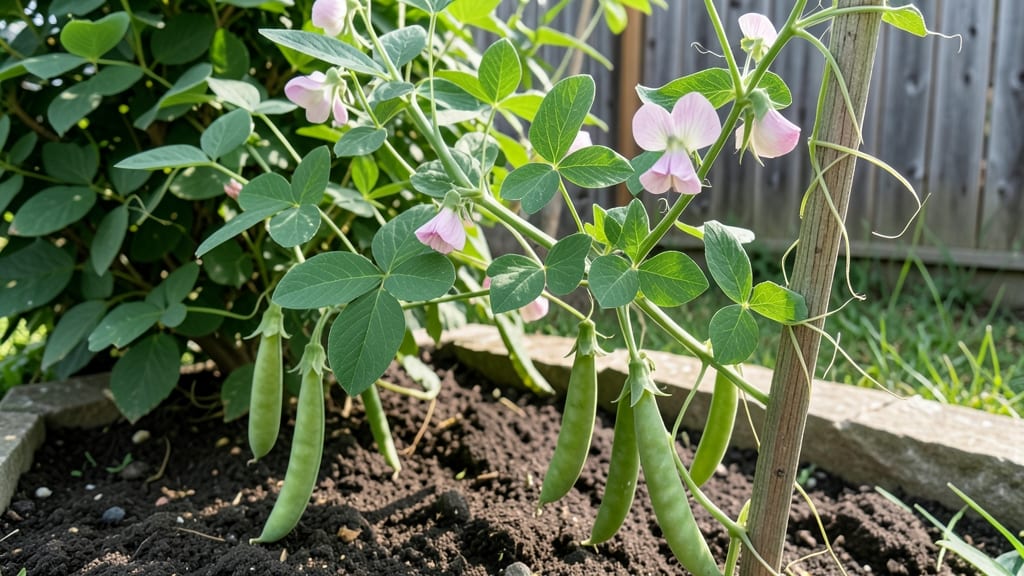
When your garden needs a splash of color that thrives in cool, damp climates, pea pod flowers deliver—those delicate blooms and sweet peas are perfect for Pacific Northwest gardens.
I’ve grown them for years, and the secret to their success lies in understanding their love for cool weather and sturdy support structures. Unlike finicky annuals, these hardy climbers reward patience with fragrant blooms and edible pods that keep producing well into summer.
The key to happy pea plants starts with well-draining soil rich in organic matter—think compost mixed into the bed or a raised garden spot. They crave sunlight but tolerate partial shade, making them ideal for shadier corners where other flowers struggle.
Water consistently to keep the soil moist but not soggy, and provide trellises or cages early, as vines grow fast and need support to climb. The right setup turns a patch of soil into a vertical garden of sweet-scented blooms.
What you’ll love most is how these plants give back: fragrant flowers that attract pollinators and pods packed with sweet peas for snacking or cooking. With the right care, you’ll harvest blooms from late spring through summer, and the vines will keep producing even after the first flush.
The only challenge? Keeping deer and rabbits away—though a simple fence or companion planting can solve that.
Whether you’re growing them for their beauty, their edible pods, or both, pea pod flowers are a game-changer for cool-climate gardens. They’re also beginner-friendly, so even if you’ve struggled with other plants, these resilient climbers will thrive with just a little attention.
Let’s get those seeds in the ground—or at least in the soil mix—and watch your garden transform.
📚 In This Guide
- What you need
- Instructions
- Tips and common mistakes
- Wrapping up and next steps
What you need
- ● Sweet pea seeds: 10–20 seeds (choose cold-hardy varieties like 'Cupani' or 'Spencer' for PNW climates).
- ● Garden soil: Well-draining, slightly acidic to neutral (pH 6.0–7.0). Amend with compost if soil is heavy.
- ● Fertilizer: Balanced, organic fertilizer (10-10-10) or compost tea for nutrient-rich growth.
- ● Support structure: Trellis, fence, or stakes (4–6 ft tall) for climbing varieties.
- ● Watering can or hose: With a gentle spray nozzle for delicate seedlings.
- ● Mulch: Straw or shredded leaves (2–3 inches) to retain moisture and suppress weeds.
- ● Garden trowel or transplanting spade (for digging holes or sowing seeds).
- ● Pruning shears (for trimming dead blooms or overgrowth).
- ● Gloves (to protect hands while handling soil or thorny vines).
- ● Sunlight access: Full sun (6+ hours/day) or partial shade (morning sun, afternoon shade).
- ● Cold tolerance: Sweet peas thrive in USDA Zones 3–9; PNW’s mild winters are ideal!
- ● Seed-starting trays (if sowing indoors 6–8 weeks before last frost).
- ● Slow-release fertilizer granules for sustained blooms.
- ● Pea pods or dried flowers for crafts (harvest after blooms fade).
- ● Epsom salt (1 tbsp per gallon of water) for magnesium boosts in nutrient-poor soil.
Step-by-Step instructions for growing pea pod flowers in the Pacific Northwest
These cold-hardy climbers thrive with minimal fuss—just follow these simple steps.
🌱 Step 1: Choose the Right Location and Prepare Soil
Pea pod flowers love cool, moist conditions, making them perfect for Pacific Northwest gardens. Pick a spot with partial shade to full sun—morning sun and afternoon shade works best in hotter summer months. The soil should drain well but retain moisture, so if your garden has heavy clay, mix in 2-3 inches of compost to improve texture.
Loosen the soil to a depth of 12 inches with a garden fork or tiller. This helps roots spread easily. If planting in containers, use a well-draining potting mix with added organic matter. Pea pod flowers are shallow-rooted, so avoid deep planting—they prefer their crowns just below the soil surface.
🌿 Step 2: Plant Seeds or Transplants at the Right Time
Sow seeds 4-6 weeks before the last frost date in early spring or directly in the garden after the soil warms to 50°F. For the Pacific Northwest, this usually means late March to early April. If you’re transplanting, do it in early spring or fall when temperatures are mild—these plants dislike extreme heat.
Plant seeds 1 inch deep and 2-3 inches apart in rows spaced 18-24 inches apart. If starting from transplants, space them 12-18 inches apart to allow for climbing. Water gently after planting to settle the soil around the roots. Mulch with 2-3 inches of straw or shredded leaves to retain moisture and suppress weeds.
☀️ Step 3: Provide Support and Encourage Climbing
Pea pod flowers are vigorous climbers, so install trellises, fences, or stakes before planting. A 6-foot tall trellis works well for most varieties. Train vines by gently weaving them through the support as they grow—this prevents tangling and encourages upward growth.
Watch for new growth emerging from the base—this is your signal to start guiding the vines. If left unsupported, the plants will sprawl, leading to fewer flowers. Prune leggy stems back by one-third to promote bushier growth and more blooms. Deadhead spent flowers to encourage continuous blooming throughout the season.
💧 Step 4: Water and Fertilize for Healthy Growth
Keep the soil evenly moist but not soggy—pea pod flowers wilt quickly in dry conditions. Water deeply once a week, increasing to twice a week in hot weather. Mulch helps retain moisture, but check the top 1-2 inches of soil before watering; if it feels dry, it’s time to hydrate.
Feed plants with a balanced, water-soluble fertilizer (10-10-10) every 4-6 weeks during the growing season. Too much nitrogen leads to leafy growth at the expense of flowers, so avoid heavy-handed fertilizing. Organic options like compost tea or fish emulsion work well too. Stop fertilizing 6-8 weeks before the first frost to harden off the plants for winter.
✂️ Step 5: Prune and Prepare for Winter
As fall approaches, cut back dead or yellowing foliage to keep the plant tidy. Leave healthy stems intact—they’ll provide early-season growth next spring. In the Pacific Northwest’s mild winters, pea pod flowers often survive outdoors, but a light mulch layer (3-4 inches) protects roots from freezing temperatures.
If you’re growing in containers, move pots to a sheltered spot or bring them indoors to a cool, bright area. Prune back by one-third in late winter to encourage fresh, vigorous growth. Resume regular care in early spring, and you’ll have blooms ready by summer.
Tips & tricks for growing pea pod flowers in the Pacific Northwest
These simple strategies will help you cultivate thriving pea pod flowers with minimal effort.
Soil Preparation: When loosening soil to 12 inches in Step 1, focus on breaking up any compacted layers—especially if your garden has heavy clay. I like to add a handful of compost directly to each planting hole for extra nutrients. This creates a nutrient-rich pocket that encourages strong root development right where it matters most.
Timing is Everything: For the Pacific Northwest, that 4-6 week window before last frost in Step 2 can feel tight, but don't rush! If your soil stays below 50°F, wait until it warms up—cold soil slows germination. I've found that planting even a week late is better than planting too early when the ground is still chilly. The plants will establish better and bloom more reliably.
Climbing Support: In Step 3, don't wait until vines appear to install your 6-foot trellis—set it up before planting. This prevents disturbing roots later. For extra stability, bury the base stakes 6 inches deep and secure them with garden staples. I've seen trellises topple when planted vines get too heavy, so take this precaution even if it feels unnecessary at first.
Watering Wisdom: The 1-2 inch soil check in Step 4 is crucial, but I've learned that morning watering works best in our climate. Watering in the evening can leave foliage damp overnight, inviting fungal issues. If you notice wilting despite regular watering, it might be time to check your mulch layer—sometimes it needs refreshing after heavy rains.
Pro Tips for Pea Pod Flower
- These simple strategies will help you cultivate thriving pea pod flowers with minimal effort.
- Soil Preparation: When loosening soil to 12 inches in Step 1, focus on breaking up any compacted layers—especially if your garden has heavy clay.
- Timing is Everything: For the Pacific Northwest, that 4-6 week window before last frost in Step 2 can feel tight, but don't rush!
Frequently asked questions
Got questions about growing pea pod flowers?
Here are some of the most common ones—and their answers—to help you cultivate these charming climbers with confidence!
What’s the best time to plant pea pod flowers in the Pacific Northwest?
Plant pea pod flowers in early spring (March–April) or fall (September–October) for the best results. They thrive in cool weather and can even survive light frosts. If starting from seeds, sow them directly in the garden 4–6 weeks before the last frost date for optimal growth.
How cold can pea pod flowers tolerate?
Pea pod flowers are surprisingly hardy! Most varieties handle temperatures down to 15–20°F (-9 to -7°C), making them perfect for the PNW’s chilly climate. Just ensure they’re planted in well-draining soil and mulched lightly in winter for extra protection.
Why aren’t my pea pod flowers blooming?
If your plants are lush but not flowering, check these common issues: lack of sunlight (they need 6+ hours daily), over-fertilizing (too much nitrogen = leafy growth, not blooms), or poor support (trellises or cages help them climb and flower). Deadheading spent blooms can also encourage more flowers!
Can I grow pea pod flowers in containers?
Choose a container at least 12–18 inches deep with drainage holes. Use a lightweight potting mix and a sturdy trellis or cage. Dwarf varieties like ‘Midget’ or ‘Tom Thumb’ are ideal for pots. Just keep them consistently moist and in a sunny spot.
Are pea pod flowers good for pollinators?
Yes! These flowers are a pollinator magnet, attracting bees, butterflies, and hummingbirds. Their sweet nectar and abundant blooms make them a fantastic addition to eco-friendly gardens. Planting them alongside other native flowers will create a thriving pollinator haven.
Wrapping up and next steps
The pea pod flower is a stunning, cold-hardy addition to Pacific Northwest gardens, offering vibrant blooms and easy-care charm. Whether you’re a seasoned gardener or just starting, these climbers bring beauty and resilience to your outdoor space—and they thrive with minimal fuss! Ready to grow your own?
Grab your seeds, find a sunny spot, and let these cheerful vines transform your garden into a lush, fragrant paradise. 🌱✨
Next step: Mark your calendar for planting season (early spring or late summer) and watch your garden come alive with color!