
Flowers
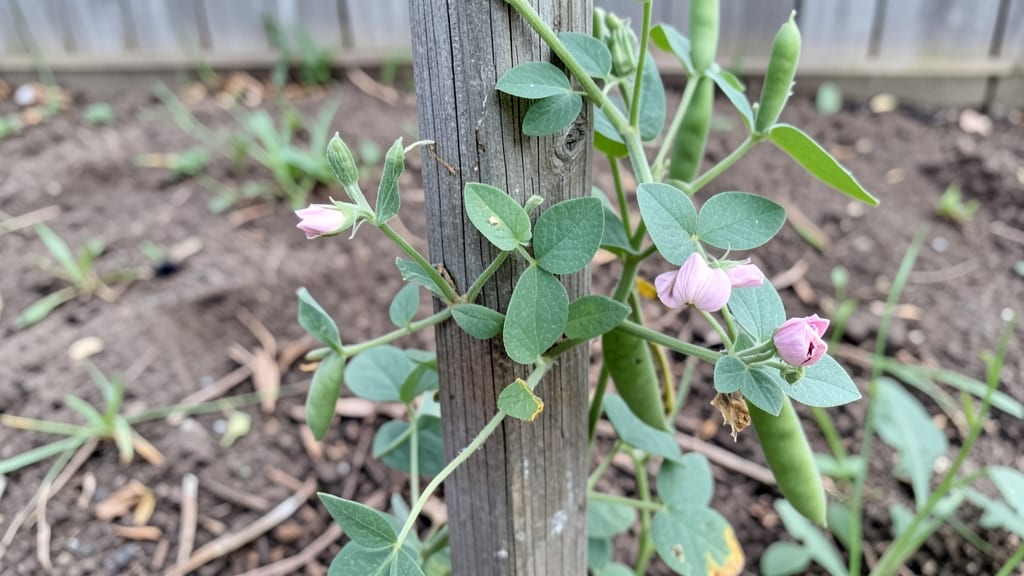
Those delicate pink pea flowers you see in spring gardens thrive even after frost—pea flower pink varieties are the unsung heroes of Pacific Northwest gardens. ✨ I’ve grown them for years, and they keep blooming when most flowers give up, their sweet scent lingering long after the chill passes.
You’ll need just a few things: a spot with partial sun, well-draining soil, and a trellis or fence for climbing. Varieties like ‘Sugar Ann’ (edible and fragrant) or ‘Tom Thumb’ (compact for containers) are perfect for beginners.
The key? Plant them early in cool weather—they handle frost like a champ, while warmer seasons reward you with weeks of vibrant blooms.
Once established, they’re low-maintenance but love consistent moisture—think damp but not soggy soil. A light fertilizer in early spring keeps them thriving, and you’ll avoid most pests if you keep the area weed-free.
The payoff? Clusters of soft pink flowers that attract bees and hummingbirds, all while producing tender peas for your kitchen.
Whether you’re filling a garden bed or a 5-gallon container, these peas adapt easily. Just remember: the earlier you plant, the sooner you’ll enjoy their frost-defying charm. Ready to add some color to your spring garden?
📚 In This Guide
- What you need
- Instructions
- Tips and common mistakes
- Wrapping up and next steps
What you need
- ● Pea flower seeds or plants: Choose frost-resistant varieties like Lathyrus odoratus (sweet pea) or Lathyrus vernus (spring pea). Opt for pink-hued seeds (e.g., 'Cupani,' 'Blush,' or 'Perfume Mix').
- ● Quantity: 20–50 seeds (or 3–5 young plants) for a small garden bed; scale up for larger spaces.
- ● Well-draining soil: Mix 1 part compost (e.g., aged manure or worm castings) with 2 parts native soil to improve fertility and drainage.
- ● pH: Aim for 6.0–7.0 (test with a soil kit if unsure).
- ● Support structures: Trellis, fence, or stakes (6–8 ft tall) for climbing varieties. Use galvanized wire or bamboo poles for durability.
- ● Hand trowel or small shovel for planting.
- ○ Garden gloves (optional but recommended for seed-starting or soil prep).
- ● Watering can or hose with a gentle spray nozzle (pea flowers love consistent moisture!).
- ● Mulch (e.g., straw or shredded leaves) to retain moisture and protect roots from frost.
- ● Sunlight: 6+ hours of direct sun daily (partial shade in hot afternoons is fine for PNW summers).
- ● Frost tolerance: Pea flowers thrive in USDA Zones 3–9 and can handle light frosts (even blooming early spring!).
- ● Watering schedule: Keep soil evenly moist (not soggy) during germination and flowering.
- ○ Optional but helpful: Fertilizer (balanced 10-10-10 or organic options like fish emulsion).
- ● Peat moss or coconut coir for seed-starting indoors (if beginning early).
Step-by-step guide to planting and cultivating pink pea flowers
Here's how to establish these hardy climbers for vibrant spring blooms that thrive in cool climates.
🌱 Step 1: Choose the Perfect Planting Location
Pink pea flowers adore partial shade to full sun—the Pacific Northwest's dappled light conditions are ideal. I always select a site with at least 4-6 hours of morning sun and afternoon shade protection, especially for varieties like 'Kelsey' or 'Sugar Sprint'. The soil should drain well; these plants despise soggy roots, so avoid low-lying areas where water pools.
Test your soil's drainage by digging a 6-inch hole and filling it with water. If it drains completely within 30 minutes, your site is perfect. Amend heavy clay with 2-3 inches of compost mixed into the top 12 inches of soil. This ensures roots establish quickly in cooler spring temperatures.
🪴 Step 2: Prepare Soil and Plant Seeds at the Right Depth
Sow seeds ½ inch deep in early spring, about 2-3 weeks before your last frost date. I like to plant them in succession every 2 weeks for continuous blooms—this works especially well for Pacific Northwest gardens where spring arrives gradually. Space seeds 2-3 inches apart in rows 12-18 inches apart to allow for proper air circulation.
Use a seed starter mix (not garden soil) for better germination rates. Water gently after planting, keeping the soil consistently moist but never waterlogged. A light mulch of straw or shredded leaves helps retain moisture and regulate soil temperature, which is crucial for these frost-tolerant varieties.
☀️ Step 3: Provide Support and Maintain Optimal Growing Conditions
As soon as seedlings reach 4-6 inches tall, provide trellis support—I use 5-foot tall bamboo stakes or a wire mesh frame for climbing varieties. This prevents the vines from sprawling and encourages upward growth, which is essential for maximizing bloom production. Tie stems loosely with soft plant ties or old fabric strips every 6-8 inches as they grow.
Water deeply once a week during establishment, then reduce to every 10-14 days once established, as these plants are surprisingly drought-tolerant once mature. Fertilize lightly with a balanced 10-10-10 formula at planting and again when flowers appear. Avoid heavy nitrogen—it promotes leafy growth at the expense of blooms.
✂️ Step 4: Prune and Encourage Continuous Blooming
Deadhead spent flowers regularly to encourage more blooms—simply pinch off faded blossoms with your fingers or snip with clean scissors. I find this works best in the late afternoon when humidity is lower, reducing the risk of fungal issues. Prune leggy growth back by ⅓ to maintain a compact shape and improve air circulation.
For a second flush of blooms, cut back the entire plant by half after the first flowering cycle. This rejuvenates the plant and often produces a smaller but equally vibrant second bloom in late summer. Stop pruning by mid-August to allow plants to harden off for winter.
Tips & tricks for perfect pink pea flower cultivation
These hard-won insights will help you coax the most vibrant blooms from your Pacific Northwest garden—no matter how tricky the climate.
Light Mastery: The 4-6 hours of morning sun is non-negotiable for these frost-tolerant varieties, but here's what I've learned: position your plants so they catch the gentle morning rays while avoiding the harsh afternoon sun that can scorch tender new growth. In particularly cloudy Pacific Northwest springs, supplement with a simple grow light for just 2-3 hours daily if you notice leggy seedlings reaching for more light.
Soil Secrets: That 30-minute drainage test is your best friend—if water lingers beyond that, amend with another inch of compost or create raised beds. For heavy clay soils common in the PNW, I mix in perlite to improve aeration. The goal is a loamy texture that holds moisture without suffocating roots, especially during those cool spring starts.
Succession Strategy: Planting every 2 weeks gives you continuous blooms, but here's the pro move: stagger your plantings by variety. 'Kelsey' matures faster than 'Sugar Sprint', so start with the slower variety first, then follow with the quicker one. This ensures you have flowers at different stages all season long.
Pruning Precision: When cutting back by half after the first flush, always make clean cuts just above a leaf node where new growth emerges. I use sharp pruners sterilized with rubbing alcohol between cuts to prevent spreading any potential fungal spores. This technique actually stimulates bushier growth and more abundant second blooms.
Pro Tips for Pea Flower Pink
- These hard-won insights will help you coax the most vibrant blooms from your Pacific Northwest garden—no matter how tricky the climate.
- In particularly cloudy Pacific Northwest springs, supplement with a simple grow light for just 2-3 hours daily if you notice leggy seedlings reaching for more light.
- Soil Secrets: That 30-minute drainage test is your best friend—if water lingers beyond that, amend with another inch of compost or create raised beds.
Frequently asked questions
Got questions about growing Pea Flower Pink in your Pacific Northwest garden? You’re not alone!
Here are some of the most common queries—and answers—to help you cultivate these frost-hardy beauties with confidence.
What’s the best time to plant Pea Flower Pink in the PNW?
Plant seeds in early spring (March–April) after the last frost, or in late summer (August) for a fall display. These frost-resistant blooms can even handle light freezes, but avoid planting in soggy soil. For containers, start seeds indoors 4–6 weeks before the last frost date.
Can Pea Flower Pink survive PNW winters?
These pea flowers thrive in the PNW’s cool, damp climate and are hardy down to 10°F (-12°C). They’ll often self-seed, returning year after year. Just mulch around the base in late fall to protect roots from extreme cold snaps.
How do I keep my Pea Flower Pink looking lush and blooming?
Deadhead spent blooms regularly to encourage more flowers. Water at the base (not overhead) to prevent fungal issues, and fertilize lightly with a balanced, organic fertilizer every 4–6 weeks. These pea flowers love climbing—provide a trellis or support for taller varieties!
What if my Pea Flower Pink doesn’t bloom much?
Check for these common issues:
- Too much shade: Ensure they get 4–6 hours of sunlight daily.
- Over-fertilizing with nitrogen: This promotes leafy growth over blooms. Switch to a low-nitrogen, high-phosphorus fertilizer.
- Crowded roots: Thin seedlings to 2–3 inches apart for better airflow and blooms.
Are there pink pea flower alternatives for PNW gardens?
Yes! Try these cold-hardy, low-maintenance options:
- Sweet Pea (Lathyrus odoratus)
- Lupine (Lupinus spp.)
- Pacific Coast Iris (Iris tenax)
- Heather (Calluna vulgaris)
Wrapping up and next steps
Embracing pea flower pink in your Pacific Northwest garden isn’t just about adding beauty—it’s about creating a resilient, vibrant space that thrives despite the chill. These frost-hardy blooms bring color, charm, and low-maintenance joy to your outdoor sanctuary, proving that even cooler climates can host stunning floral displays. 🌸
Ready to transform your garden? Start small—plant a few pea flower pink varieties this season and watch your space bloom with effortless elegance. Whether you’re a seasoned gardener or just beginning, these flowers make the perfect next step toward a lush, year-round retreat.