Blooming
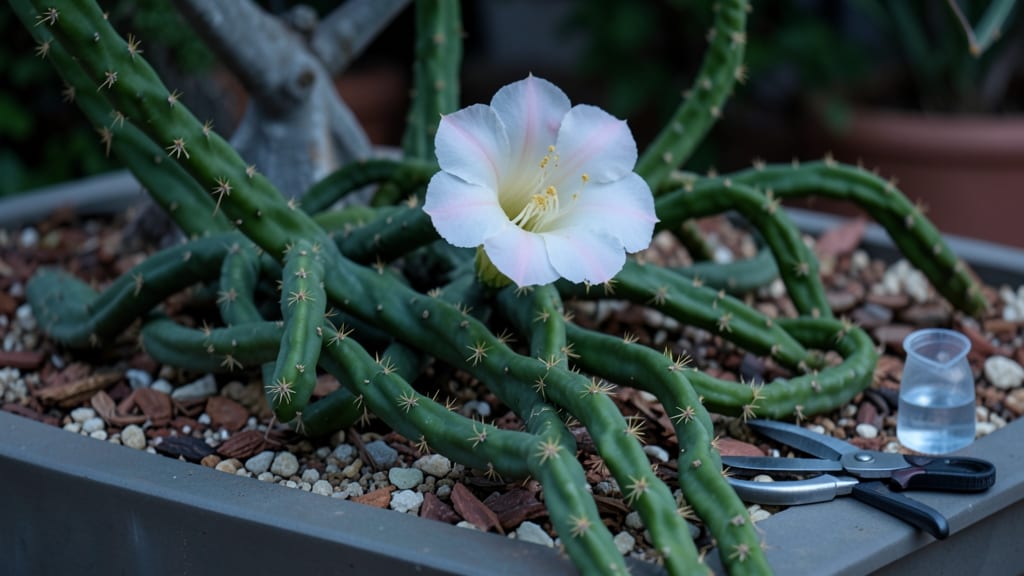
There’s nothing quite like the magic of a night-blooming cereus cactus flower bursting open at midnight, its intoxicating perfume filling the air for one fleeting, unforgettable night. 🌙 I still remember the first time I saw mine unfurl at midnight, heavy with perfume that filled the air like a tropical breeze.
This isn’t just a cactus; it’s a dramatic, fragrant spectacle that turns your patio into a moonlit showstopper.
The secret to those magical blooms starts with the basics: well-draining soil, bright light (even artificial grow lights work), and a dormancy period in winter. Skip the dormancy, and you’ll miss the flowers entirely.
Water sparingly—too much moisture is the #1 killer—and feed lightly during active growth. With the right care, your plant will reward you with 3-5 inch-wide blooms that open every summer, smelling like jasmine at midnight.
What makes this cactus special is its nocturnal rhythm—it blooms for just 24 hours, then repeats the cycle for weeks. The flowers are edible too, with a citrusy, floral flavor that’s perfect for garnishes (though we’re focused on growing here!).
Once you’ve mastered the basics, you can experiment with triggers like temperature shifts to coax even more blooms.
Perfect for containers, trellises, or even indoor growing near a sunny window. The key is patience—these plants take 3-5 years to bloom for the first time, but once they do, they’ll become the centerpiece of your garden’s twilight hours. Ready to grow your own moonlit stunner?
📚 In This Guide
- What you need
- Instructions
- Tips and common mistakes
- Wrapping up and next steps
What you need
- ● Night-blooming cereus cactus plant – Choose a healthy, mature plant (3+ years old for best blooms).
- ● Well-draining cactus/succulent soil mix – 10-15 lbs (4.5–7 kg) of a blend with perlite, pumice, or sand (e.g., 60% mineral soil, 30% perlite, 10% coarse sand).
- ● Pot with drainage holes – 6–12 inches (15–30 cm) in diameter, made of terracotta or ceramic (avoid plastic).
- ● Gravel or pebbles – 1–2 cups (250–500 mL) for the pot’s drainage layer.
- ● Balanced, water-soluble fertilizer – 5–10–10 or 10–10–10 NPK ratio (1 tbsp per gallon of water, used monthly during growing season).
- ● Watering can with a narrow spout – To avoid overwatering the base.
- ● Pruning shears or sterilized knife – For trimming dead growth or propagating cuttings.
- ● Grow lights (LED or fluorescent) – If indoors, to supplement 12–14 hours of light daily.
- ● Humidity tray or pebble tray – To maintain 30–50% humidity, especially in dry climates.
- ● Thermometer/hygrometer – To monitor temperature (ideal: 70–85°F / 21–29°C) and humidity.
- ● Slow-release fertilizer granules – For convenience (follow package instructions).
- ● Support stake or trellis – If your plant grows tall and needs structural support.
- ● Gloves – Cactus spines can be prickly!
How to care for a night blooming cereus cactus flower
Here's how to coax those dramatic midnight blooms from your cereus—it's easier than it looks.
🪴 Step 1: Position for Maximum Sun Exposure
Place your night blooming cereus in a location with bright, direct sunlight for 6-8 hours daily. A south-facing window or outdoor spot works best, but avoid harsh afternoon sun in hot climates—it can scorch the pads. I like to rotate the pot quarter-turn weekly so all sides get even light exposure. This prevents lopsided growth and ensures robust blooming.
Watch for yellowing or wrinkled pads—this is your first sign of too much sun or inconsistent watering. If you notice this, move the plant to a spot with morning sun and afternoon shade. The ideal temperature range for growth is 65-85°F, so avoid drafty areas or sudden temperature swings.
☀️ Step 2: Water Deeply but Sparingly
Water your cereus only when the soil feels completely dry to the touch, usually every 2-3 weeks in warm weather and less frequently in winter. I use the finger test: stick your finger 1-2 inches into the soil. If it's dry, water thoroughly until it drains from the bottom of the pot. Overwatering is the #1 killer of cereus—it causes root rot and weakens the plant before blooming season.
Use room-temperature water to avoid shocking the roots. Let excess water drain completely, and never let the plant sit in saucers of standing water. The key here is consistency—cereus stores water in its thick pads, so it prefers drought-like conditions between waterings. If the pads start shrinking or feel soft, you've overwatered.
⏰ Step 3: Trigger Blooming with Proper Light Cycles
To encourage nighttime blooms, your cereus needs 12-14 hours of darkness daily for at least 6-8 weeks before blooming season. Start adjusting light exposure in late summer by moving the plant to a dark location (like a closet) 3-4 hours before sunset. This mimics its natural short-day photoperiod and signals it's time to bloom.
Watch for buds forming along the ribs of the pads—this is your cue that the light cycle is working. If buds appear but drop off, it could mean temperature swings or inconsistent darkness. Keep nights cool (around 60°F) and days warm (75-85°F). Once buds set, reduce watering slightly to help them develop.
🌿 Step 4: Support and Protect Blooming Stems
When buds open into those stunning nighttime flowers, they're heavy and delicate. I like to gently tie the blooming stems to small stakes or the pot's edge to prevent them from snapping under their own weight. Use soft twine or floral tape—never anything that can damage the pads. The blooms typically last 24-48 hours, so enjoy the fragrance while it lasts!
After blooming, do not prune the spent flower—let it wither naturally. The plant will absorb nutrients from it before shedding. If you notice yellow or mushy pads after blooming, it's a sign of stress from overwatering or poor light. Adjust care immediately to prevent further damage.
✂️ Step 5: Prune and Prepare for Next Season
After blooming season (usually spring), inspect your cereus for dead or damaged pads. Use sterilized pruners to cut off any pads that are soft, discolored, or shriveled at the base. Make clean cuts just above a healthy segment to encourage new growth. I always wear gloves—cereus spines are sharp and can irritate skin.
Now's the time to repot if needed—only if the plant has outgrown its container. Choose a pot just 1 inch larger in diameter than the current one, as too much space encourages weak growth. Refresh the cactus/succulent mix and water lightly to help it recover. Reduce watering again as temperatures drop, and your cereus will store energy for next year's spectacular blooms.
Tips & tricks for perfect night blooming cereus care
Here's what nobody tells you about keeping your cereus thriving—and blooming like clockwork.
Sunlight Strategy: That 6-8 hours of daily sunlight isn't just about quantity—it's about quality. If your south-facing window gets intense afternoon sun, try a sheer curtain to diffuse the light during peak hours (1-4 PM). I've seen pads scorch within hours when exposed to direct midday rays above 90°F. For indoor growers, a grow light on a timer can supplement when natural light falls short, especially in winter months.
Watering Wisdom: The finger test in Step 2 is your best friend, but there's more to it than just dry soil. Tap the pads gently—if they feel firm and plump, they're storing enough water. If they dent when pressed, that's your signal to water. I've ruined cereus plants by overwatering in winter when their metabolic rate slows dramatically. Cut watering to every 4-6 weeks during cooler months (below 65°F) unless the soil is bone dry.
Darkness Timing: Those critical 12-14 hours of darkness need to be uninterrupted. Even a nightlight or streetlamp can prevent bud formation. I use a blackout curtain in my bedroom to create a dark space for my cereus during the critical 6-8 week period. For outdoor plants, move them to a covered porch or garage 3-4 hours before sunset—just make sure there's no ambient light leaking in.
Bloom Support: When those 24-48 hour flowers appear, they're heavier than you'd think. I've seen stems snap under their own weight, ruining the display. Use bamboo stakes or even chopsticks inserted into the soil near the stem, then tie with soft floral tape. The key is to support the stem at the base where it meets the pad—this prevents the flower from pulling the entire stem down.
Pro Tips for Night Blooming Cereus Cactus Flower
- Here's what nobody tells you about keeping your cereus thriving—and blooming like clockwork.
- Sunlight Strategy: That 6-8 hours of daily sunlight isn't just about quantity—it's about quality.
- Watering Wisdom: The finger test in Step 2 is your best friend, but there's more to it than just dry soil.
Frequently asked questions
Got questions about the enchanting night blooming cereus cactus flower? Here are some common ones—and their answers—to help you grow and enjoy these magical blooms with ease!
How do I know when my night blooming cereus will flower?
The timing depends on the variety and care, but most bloom seasonally—often in late spring or summer. Look for buds forming at the tips of stems; they’ll open at dusk (around 8–10 PM) and last just 24 hours. Pro tip: Keep track of your plant’s growth cycle—some varieties bloom annually, while others may take 2–3 years to flower!
Why isn’t my night blooming cereus flowering?
If your plant isn’t blooming, it might need more light (6+ hours of bright, indirect sunlight daily), proper dormancy (cool, dry rest in winter), or balanced fertilizer (low nitrogen, high phosphorus in spring). Overwatering or repotting too often can also delay blooms. Try this: Mimic its desert habitat—reduce water in winter and increase light in spring!
Can I force a night blooming cereus to bloom out of season?
Yes, but it requires careful manipulation of light and temperature. Start by reducing water and lowering temps (50–60°F) for 6–8 weeks to simulate winter dormancy. Then, increase light and warmth gradually in spring. Some growers use grow lights on a 12-hour cycle to trick the plant. Patience is key—results may take a few months!
What do I do with the flower after it wilts?
Once the bloom fades (usually the next morning), snip the dead flower with clean scissors just above the base to encourage new growth. Don’t worry: The plant will focus energy on producing more buds! If the stem looks weak, you can also prune it back slightly to promote branching.
Are there any alternatives to night blooming cereus for evening fragrance?
If you love fragrant night blooms, try these low-maintenance alternatives:
- Moonflower (Ipomoea alba): Fast-growing vine with creamy white, highly fragrant flowers that open at dusk.
- Evening Primrose (Oenothera spp.): Hardy perennial with yellow blooms that release a sweet scent after sunset.
- Queen of the Night (Selenicereus grandiflorus): Another cactus with stunning, short-lived white flowers and a strong perfume.
- Night-Scented Stock (Matthiola longipetala): Compact annual with delicate, intoxicatingly fragrant evening blooms.
Each offers a unique twilight garden experience!
Wrapping up and next steps
The night blooming cereus cactus is a mesmerizing addition to any garden, offering a magical burst of color and fragrance under the moonlight. 🌙 Its low-maintenance nature and stunning visual appeal make it a dream for plant enthusiasts—whether you're a seasoned gardener or just starting your green journey.
Ready to bring this twilight stunner to life? Start by gathering your materials and follow the simple steps outlined earlier. With patience and care, you’ll soon be rewarded with breathtaking midnight blooms that will leave your neighbors in awe! 🌸