
Landscaping
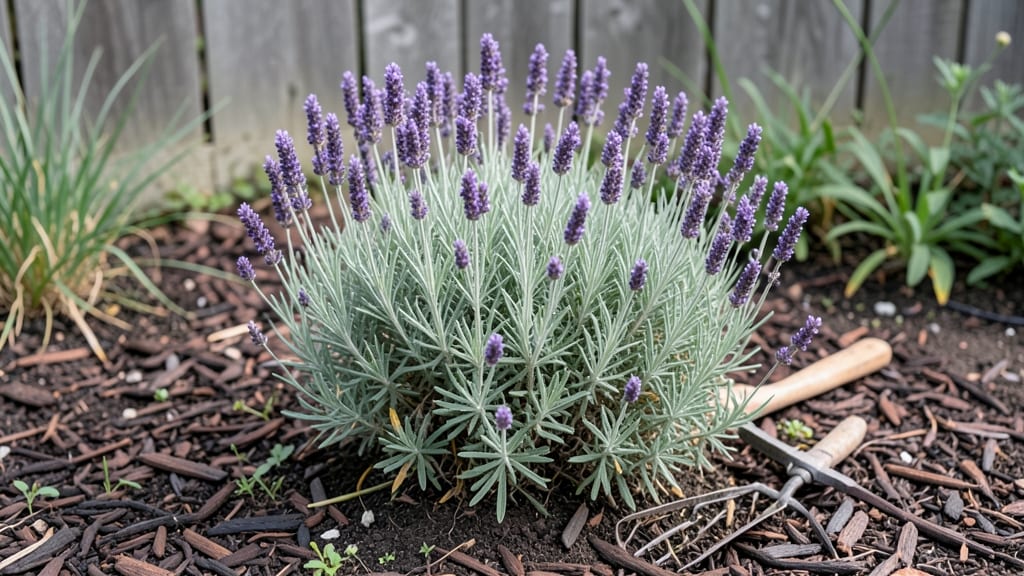
Mulching your flower beds in the Pacific Northwest isn’t just practical—it’s an art form that turns ordinary gardens into buzzing pollinator paradises. 🌿 I learned this the hard way when my first attempt at a wildflower meadow turned into a muddy mess after just one rainstorm.
The right mulch keeps soil moist, blocks weeds, and frames blooms like a painter’s brushstroke, while also feeding the bees and butterflies that make gardens truly alive.
The secret lies in matching mulch types to your flowers and climate. Organic options like cedar chips or shredded bark break down slowly, enriching soil with nutrients while keeping roots cool in our damp summers.
Inorganic choices like gravel or rubber mulch stay put but require more effort to keep looking crisp. For pollinator havens, pair native flowers like Oregon sunshine or salal with mulch that mimics the forest floor—earthy tones and textures that blend seamlessly with the landscape.
What you’ll end up with is a garden that stays lush and low-maintenance all season long. The contrast of deep green mulch against jewel-toned blooms creates visual drama, while the suppressed weeds mean fewer chores and more time enjoying your work.
Plus, the pollinators will thank you—hummingbirds darting between blooms, bees packing pollen, and butterflies sipping nectar in a scene that feels like a living postcard.
This approach works for borders, raised beds, or even container gardens—just scale the mulch depth accordingly. Whether you’re starting fresh or revamping an existing space, the key is layering both function and beauty. Let’s get your Pacific Northwest garden buzzing with life!
📚 In This Guide
- What you need
- Instructions
- Tips and common mistakes
- Wrapping up and next steps
What you need
- ● Organic Mulch: Shredded bark or wood chips (3–4 inches deep) – 10–15 cubic feet per 100 sq. ft.
- ● Compost or leaf mold (for nutrient boost) – 2–3 cubic feet per 100 sq. ft.
- ● Native Flowers: Perennials (e.g., Penstemon, Lupine, Yarrow, Oregon Grape) – 5–10 plants per 100 sq. ft.
- ● Annuals (e.g., California Poppies, Columbine, Bee Balm) – 10–15 plants per 100 sq. ft.
- ● Tools: Garden fork or spade (for aerating soil)
- ● Wheelbarrow (for mulch/compost transport)
- ● Rake (for spreading mulch evenly)
- ● Pruners (for trimming dead growth)
- ● Slow-release fertilizer (for nutrient-poor soil)
- ● Drip irrigation system (for water efficiency)
- ● Pollinator-friendly rocks or logs (for habitat diversity)
- ● Seed packets (for filling gaps—e.g., Clarkia, Checker Mallow)
How to create a thriving pollinator garden in the Pacific Northwest
Here's my go-to method for designing a low-maintenance flower bed that keeps bees buzzing all season.
🌿 Step 1: Choose Native Flowers That Attract Pollinators
Select a mix of Pacific Northwest native perennials like yarrow, salal, and Oregon grape—these are pollinator magnets that thrive in our climate. I always include 3-5 different species to ensure continuous blooms from spring through fall. Native plants require less water and maintenance once established, which is a huge plus for busy gardeners.
Look for early, mid, and late-season bloomers to provide nectar and pollen throughout the growing season. For example, lupine kicks off the season in spring, beebalm takes over in summer, and asters keep pollinators fed in fall. This staggered approach prevents gaps when pollinators might struggle to find food.
🪴 Step 2: Prepare the Soil and Plant Strategically
Remove existing grass or weeds and loosen the soil to a depth of 6-8 inches using a garden fork. The Pacific Northwest's acidic soil can be tricky, so I mix in 2 inches of compost to improve drainage and fertility without altering the pH too drastically. This step is especially important if your garden sits in a low spot where water pools after rain.
Plant flowers in clusters of 3-5 plants rather than single rows. This mimics natural ecosystems where pollinators can easily navigate from one plant to another. Space larger plants like shrubby cinquefoil about 3 feet apart, while smaller perennials like checker mallow can go in at 18-24 inches spacing. Grouping plants by color also helps pollinators find food more efficiently.
💧 Step 3: Apply Mulch for Moisture and Weed Control
Spread 3-4 inches of organic mulch—like cedar chips or wood shavings—around each plant, keeping it 2-3 inches away from stems to prevent rot. In the Pacific Northwest, where rainfall is abundant, mulch helps regulate soil temperature and reduces water evaporation. I always use coarse mulch because it breaks down more slowly and stays in place during our frequent rainstorms.
Replenish mulch annually in early spring before new growth appears. This ensures your garden stays weed-free and pollinators have easy access to flowers without competing with invasive plants. A well-mulched bed also means less weeding for you—win-win!
☀️ Step 4: Maintain for Continuous Blooms and Pollinator Visits
Water deeply once a week during dry spells, aiming for 1 inch of water per week. The Pacific Northwest's damp climate usually handles the rest, but drought-tolerant natives like sagebrush buckwheat still appreciate a drink when summer heat arrives. You'll know your watering is right when the soil feels moist 2 inches below the surface but not soggy.
Deadhead spent blooms regularly to encourage longer flowering seasons. For example, cutting back beebalm after its first flush of flowers often triggers a second round of blooms in late summer. This keeps your garden looking tidy and ensures pollinators always have fresh nectar. Just avoid cutting back too aggressively—leave some foliage to protect beneficial insects.
⏰ Step 5: Plan for Seasonal Care and Expansion
In early spring, remove any dead mulch and add fresh material to replenish nutrients. This is also the perfect time to divide overcrowded perennials like salal to keep them healthy and vigorous. I like to rotate a few plants each year to introduce new varieties and keep the garden dynamic.
Watch for pests like aphids—they love new growth. A strong spray of water usually does the trick, but if infestations persist, introduce ladybugs or lacewings to keep populations in check naturally. The goal is a garden that thrives with minimal intervention while supporting local pollinators.
Tips & tricks for Pacific Northwest pollinator gardens
Building a pollinator-friendly garden takes some strategic thinking—here's how to make it thrive with minimal fuss.
Native Plant Selection: When choosing your 3-5 native species in Step 1, prioritize plants with flat or tubular flowers like yarrow and Oregon grape—they're perfect for bees and butterflies. Avoid double-flowered varieties (like some garden roses) since they often lack accessible pollen. I've noticed bees especially love purple coneflower and California fuchsia when added to the mix.
Soil Preparation Secret: In Step 2, if your soil feels compacted or clay-heavy, work in an extra 1 inch of compost mixed with 1 cup of perlite per square foot to improve drainage. This is particularly helpful in low spots where water pools. I learned this after seeing my first garden plants struggle with soggy roots during our rainy winters.
Mulch Placement: For Step 3, keep that 3-4 inch mulch layer even but slightly sloped away from plant stems to prevent water pooling. In our wet climate, this simple slope helps reduce fungal diseases. I also recommend using cedar mulch—it naturally repels some pests while breaking down slowly.
Watering Wisdom: During Step 4's weekly watering, focus on the base of plants rather than overhead sprinkling. This prevents fungal issues on leaves and delivers water directly to roots where it's needed most. I've found that watering in the early morning gives plants time to dry before evening dew forms.
Pro Tips for Mulch And Flowers
- Building a pollinator-friendly garden takes some strategic thinking—here's how to make it thrive with minimal fuss.
- Native Plant Selection: When choosing your 3-5 native species in Step 1, prioritize plants with flat or tubular flowers like yarrow and Oregon grape—they're perfect for bees and butterflies.
- Soil Preparation Secret: In Step 2, if your soil feels compacted or clay-heavy, work in an extra 1 inch of compost mixed with 1 cup of perlite per square foot to improve drainage.
Frequently asked questions
Got questions about creating a thriving mulch-and-flowers pollinator haven in the Pacific Northwest? You’re not alone! Here are answers to the most common queries to help you design with confidence.
What’s the best mulch for pollinator-friendly flower beds?
Opt for organic mulches like cedar chips, wood shavings, or straw—they retain moisture, suppress weeds, and break down to nourish soil. Avoid dyed or chemically treated mulches, which can harm bees and butterflies. Pro tip: Shredded bark works well but avoid pine needles, which acidify soil over time.
When is the ideal time to mulch around flowers?
Apply mulch after planting (spring or early fall) to protect young roots. In the PNW’s mild climate, you can mulch year-round, but avoid piling it against stems to prevent rot. Timing hack: Refresh mulch in late winter to lock in moisture before spring blooms kick in.
Which flowers pair best with mulch for pollinators?
Native PNW favorites like beebalm, yarrow, lavender, and Oregon grape thrive with mulch and attract bees, butterflies, and hummingbirds. Pair them with low-maintenance perennials (e.g., salvia, coneflowers) for long-season interest. Bonus: Avoid double-flowered varieties—they often lack pollen!
What if mulch attracts pests like slugs or rodents?
Use coarse mulch (like bark chips) to deter slugs, and keep mulch 3–4 inches deep to discourage rodents. For slug-prone areas, add a diatomaceous earth barrier or plant slug-resistant flowers (e.g., snapdragons). Quick fix: Refresh mulch annually to reduce pest habitats.
Can I use free/cheap alternatives to store-bought mulch?
Try grass clippings (fresh, not piled thick), leaves (shredded to prevent matting), or cardboard/newspaper (untreated, buried under compost). Local tree-trimming services often give away free wood chips—just ask! Eco tip: Mix in compost to boost soil health.
Wrapping up and next steps
Creating a pollinator haven in the Pacific Northwest with mulch and flowers isn’t just rewarding—it’s a gift to your garden and the bees, butterflies, and hummingbirds that call it home. 🌸 By choosing the right native plants, using organic mulch, and designing for year-round blooms, you’ve laid the foundation for a thriving ecosystem that’s as beautiful as it is functional.
Now’s your chance to roll up your sleeves and get planting! Start small—even a single flower bed or a few mulched patches can make a difference. Ready to transform your space? Grab your tools, gather your supplies, and let nature do the rest!