Flowers
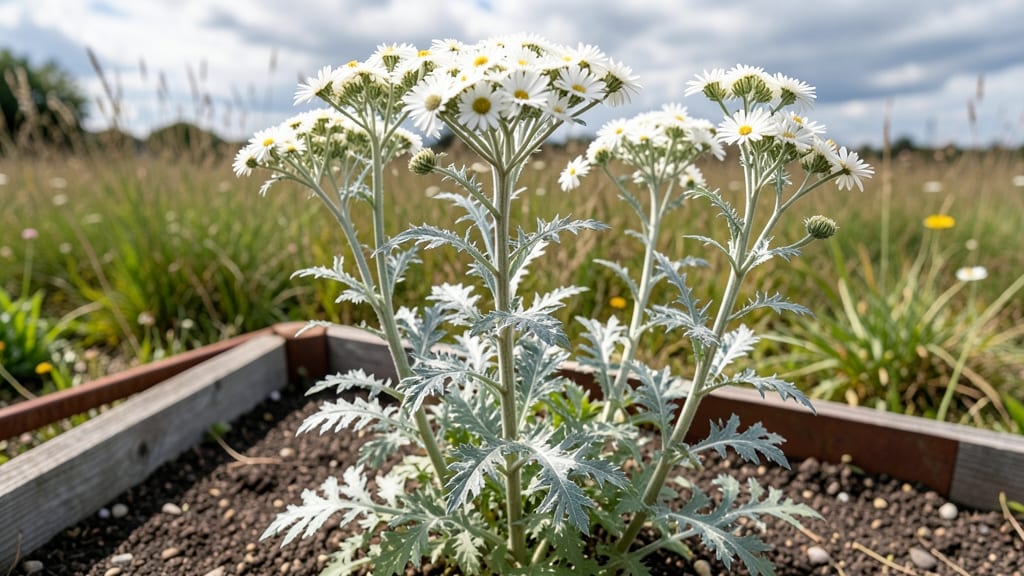
White yarrow flowers transform Pacific Northwest gardens into buzzing pollinator havens with their delicate, cloud-like blooms. 🌿 I’ve watched bees and butterflies flock to my white yarrow borders all summer long, creating a living tapestry of movement and color.
The secret lies in their airy stems and flat-topped clusters, which contrast beautifully against deep greens and bold purples—perfect for cottage-style gardens or wildflower meadows.
These flowers thrive in partial shade to full sun, making them incredibly versatile for borders, pollinator gardens, or even container arrangements. Their height (18-36 inches) adds vertical interest, while their drought tolerance means less work for you.
Pair them with purple coneflowers or lavender for a soft, romantic look, or let them stand alone as a drift for a naturalistic feel.
What you’ll love most is how they brighten spaces with their pure white blooms, especially when backlit by morning sun. The contrast against dark foliage or purple blooms creates stunning visual drama, while their pollinator appeal keeps your garden alive with activity.
Once established, they spread gently, filling gaps without taking over.
Whether you’re designing a formal border or a wildflower meadow, white yarrow adds texture, movement, and a touch of elegance. Start with a few plants to see how they fit—you’ll likely want more before the season ends. Their charm lies in simplicity and their ability to make gardens feel alive.
📚 In This Guide
- What you need
- Instructions
- Tips and common mistakes
- Wrapping up and next steps
What you need
- ● White yarrow seeds (e.g., Achillea millefolium ‘White Beauty’ or ‘Moonshine’): Quantity: 1–2 packets (50–100 seeds per packet)
- ● Specification: Organic, non-GMO, and regionally adapted (PNW-friendly)
- ● Well-draining soil mix: Type: Sandy loam or amended garden soil (pH 6.0–7.5)
- ○ Optional: Add perlite or coarse sand for improved drainage
- ● Garden bed or containers: Size: Minimum 6-inch depth (deeper for cuttings)
- ● Sun exposure: Full sun (6+ hours/day)
- ● Hand trowel or transplanting spade (for seedling placement)
- ● Watering can or hose with gentle spray nozzle
- ● Pruning shears (for deadheading or propagation)
- ● Garden gloves (to protect hands from thistle-like foliage)
- ○ Optional: Seed-starting tray (if germinating indoors)
- ● Mulch (straw or shredded bark to retain moisture)
- ● Pollinator-friendly companion plants (e.g., lavender, bee balm)
- ● Knowledge of planting zones 3–9 (PNW-friendly!)
- ● Patience for slow germination (4–6 weeks in ideal conditions)
- ● Access to water (consistent but not soggy soil)
- ● Awareness of local wildlife (yarrow attracts bees, butterflies, and beneficial insects!)
Step-by-Step guide to cultivating white yarrow in the Pacific Northwest
This hardy perennial thrives in our cool, wet climate—here's how to coax vibrant blooms from it.
🌱 Step 1: Select and Prepare the Planting Site
White yarrow (Achillea millefolium) loves full sun but adapts to partial shade in dense forests or north-facing slopes. Choose a spot with 6+ hours of direct sunlight—evenings in the Pacific Northwest stay cool, so morning sun helps prevent fungal issues. Clear the area of weeds and loosen the top 6 inches of soil with a garden fork to improve drainage.
Yarrow tolerates poor soil but flourishes in well-draining, slightly alkaline conditions. If your soil is heavy clay, mix in 2-3 inches of compost or coarse sand to prevent waterlogging. A slightly elevated bed helps excess moisture drain away, especially after our region’s frequent rain.
🌿 Step 2: Plant Bare-Root or Container-Grown Yarrow
For bare-root plants, soak the roots in lukewarm water for 30 minutes before planting to encourage root establishment. Dig a hole twice as wide as the root ball but only as deep—burying too deeply stresses the plant. Gently spread the roots outward and backfill with native soil, pressing lightly to remove air pockets.
Container-grown yarrow should be planted at the same depth it was in the pot. Space plants 18-24 inches apart to allow airflow and reduce competition. Water deeply after planting to settle the soil and eliminate air gaps around the roots. Mulch with 1-2 inches of bark or straw to retain moisture and suppress weeds.
☀️ Step 3: Water and Fertilize for Pacific Northwest Conditions
Yarrow is drought-tolerant once established, but young plants need consistent moisture. Water 1-2 times per week during the first growing season, keeping the soil evenly moist but not soggy. Overwatering in our rainy climate can lead to root rot—check soil moisture by touching the top 2 inches before watering.
Skip heavy fertilization—yarrow thrives in lean soil. In early spring, apply a light layer of compost or a balanced, slow-release fertilizer (10-10-10) at half strength. Avoid nitrogen-heavy fertilizers, which promote leafy growth at the expense of flowers. Pacific Northwest summers are cool, so yarrow may bloom less vigorously than in warmer climates, but it compensates with long-lasting foliage.
✂️ Step 4: Prune and Maintain for Continuous Blooms
Deadhead spent flowers by cutting back stems to 2-3 inches above the base after the first flush of blooms fades. This encourages a second round of flowers in late summer. Avoid heavy pruning in fall—yarrow’s fern-like foliage provides winter interest and protects the crown from freezing.
In early spring, trim back any dead or damaged stems to 3-4 inches tall to make room for new growth. Yarrow spreads aggressively via rhizomes, so divide clumps every 3-4 years in early spring or fall to maintain vigor. Dig up the plant, separate the root sections with a sharp knife, and replant immediately.
⏰ Step 5: Overwinter and Protect for Pacific Northwest Winters
Yarrow is hardy to USDA Zone 3, so it handles our cold winters with ease. In late fall, cut back stems to 2-3 inches tall and apply a 2-inch layer of mulch to insulate the crown. Avoid heavy mulching in winter—yarrow’s rhizomes need airflow to prevent rot.
In early spring, remove the mulch and trim back any dead foliage. Yarrow’s deep roots make it resilient to frost heave, but young plants may need staking in windy areas. Once established, it requires minimal care—just occasional pruning and division to keep it from spreading too aggressively.
Tips & tricks for perfect white yarrow cultivation
Between us, white yarrow thrives on minimal fuss—but these pro moves will help you coax even more vibrant blooms from your Pacific Northwest garden.
Sunlight Strategy: While yarrow adapts to partial shade, the 6+ hours of direct sunlight mentioned in Step 1 is critical for maximizing those signature white blooms. I've found that positioning plants to catch morning sun (when our region's air is driest) prevents fungal issues that can plague afternoon moisture. For north-facing slopes, consider reflective surfaces like light-colored gravel to amplify sunlight exposure.
Soil Science: The instructions mention well-draining, slightly alkaline conditions—but here's the thing: our Pacific Northwest soils often lean acidic. Test your soil pH before planting; if it's below 6.5, amend with crushed limestone (about 1 pound per 100 square feet) mixed into the top 6 inches of soil. This small adjustment can dramatically improve bloom quality without heavy fertilization.
Planting Precision: That 30-minute root soak for bare-root plants isn't just about hydration—it's about priming the roots for our cool climate. I've seen dramatic differences in establishment rates when gardeners skip this step. For container-grown plants, resist the urge to bury them deeper than their pot level; the crown should sit just above soil line to prevent rot in our damp winters.
Watering Wisdom: The 1-2 times per week guideline in Step 3 works beautifully, but here's what nobody tells you: our Pacific Northwest's frequent drizzle often means you're overwatering without realizing it. Stick your finger 2 inches deep—if it's damp, wait. For young plants, I've found that morning watering (before 10am) prevents fungal issues by letting foliage dry quickly during our cool days.
Pro Tips for White Yarrow Flowers
- Between us, white yarrow thrives on minimal fuss—but these pro moves will help you coax even more vibrant blooms from your Pacific Northwest garden.
- Sunlight Strategy: While yarrow adapts to partial shade, the 6+ hours of direct sunlight mentioned in Step 1 is critical for maximizing those signature white blooms.
- Soil Science: The instructions mention well-draining, slightly alkaline conditions—but here's the thing: our Pacific Northwest soils often lean acidic.
Frequently asked questions
Got questions about growing or caring for white yarrow flowers? You’re not alone! Here are some of the most common queries from gardeners in the Pacific Northwest—and beyond.
When is the best time to plant white yarrow in my region?
For the Pacific Northwest, plant white yarrow in early spring (March–April) or early fall (September–October) to avoid summer heat stress. Yarrow thrives in well-draining soil and tolerates cooler temps, making these windows ideal for establishment. Avoid planting in late summer—it may struggle with drought before winter.
Are white yarrow flowers really as good for pollinators as people say?
Absolutely!
White yarrow is a superstar for bees, butterflies, and beneficial wasps. Its flat-topped clusters produce nectar-rich blooms from early summer to frost, providing a long-season food source. Pair it with native PNW plants like lupine or sage to create a pollinator paradise.
How often should I water white yarrow, especially in dry PNW summers?
Once established, white yarrow is drought-tolerant—water deeply but infrequently (every 2–3 weeks). New plants need weekly moisture until roots take hold. In hot, dry spells, a mulch layer (2–3 inches) helps retain soil moisture. Overwatering can lead to rot, so let soil dry between waterings.
Can I grow white yarrow in containers, or is it only for gardens?
Yes! White yarrow thrives in containers (5+ gallons) with fast-draining mix (add perlite or sand). Choose a pot with drainage holes and place it in full sun. Prune spent blooms to encourage reblooming. Just avoid overpotting—yarrow’s clumping habit can get crowded in small spaces.
Why aren’t my white yarrow flowers opening, even though the plant looks healthy?
Several factors could be at play:
- Too much shade: Yarrow needs 6+ hours of sun daily.
- Over-fertilizing: Too much nitrogen = leafy growth, fewer flowers.
- Stress from transplant shock: Wait until roots establish (4–6 weeks) before expecting blooms.
- Cool temps: Yarrow blooms in warm weather—wait for daytime highs of 70°F+.
Try deadheading spent blooms to encourage new growth!
Wrapping up and next steps
White yarrow flowers aren’t just a stunning addition to the Pacific Northwest landscape—they’re a lifeline for pollinators, a symbol of resilience, and a practical choice for gardeners.
Whether you’re drawn to their delicate beauty, their ecological benefits, or their low-maintenance charm, these flowers prove that small blooms can make a big impact. 🌸
Ready to plant your own pollinator paradise? Start by visiting your local nursery or seed supplier, then grab a pair of gloves and get growing—your local bees and butterflies will thank you!