
Pruning
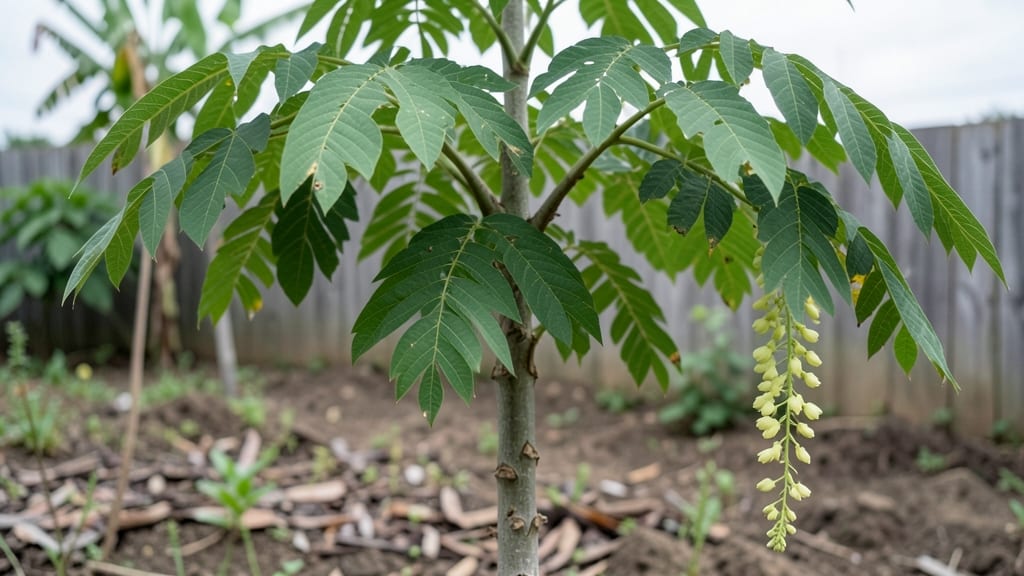
Your moringa tree flowering starts with a single, bold pruning move that transforms a leggy bush into a blooming powerhouse—especially in the Pacific Northwest’s damp, mild climate. 🌿 I learned the hard way that skipping this step means waiting years for those signature fragrant flowers, but once you master it, you’ll see buds forming within weeks instead of seasons.
The secret lies in timing and technique: prune right after flowering (or in early spring if you missed the window), and always cut back to the first set of leaves where the branch meets the trunk.
This encourages new growth from the base, which is where moringa trees produce their most vigorous blooms. In PNW’s cooler summers, you might even get two flowering cycles if you keep the plant healthy.
What you’ll end up with is a tree covered in delicate, drumstick-shaped flowers that smell like honey and attract pollinators by the dozens. The leaves stay lush and productive too—no trade-offs here. Just imagine fresh moringa pods and flowers year-round, even when your neighbors’ plants are struggling to bloom.
Works for both container-grown moringa and in-ground trees, though containers let you move them to warmer microclimates during PNW’s cooler months. The key is consistency: prune, fertilize lightly, and keep the soil just slightly moist. Let’s get those flowers going!
📚 In This Guide
- What you need
- Instructions
- Tips and common mistakes
- Wrapping up and next steps
What you need
- ● Pruning shears: Bypass pruners (sharp, clean, and sterilized with rubbing alcohol) for small branches.
- ● Loppers: 1 pair (for branches up to 2 inches thick).
- ● Pruning saw: 1 (for thick branches over 2 inches).
- ● Gloves: Heavy-duty, cut-resistant gloves (moringa thorns are no joke!).
- ● Disinfectant: 70% isopropyl alcohol or a 10% bleach solution (1 part bleach to 9 parts water).
- ○ Pruning sealant: Optional but helpful (e.g., tree wound dressing) for larger cuts.
- ● Trash bags or bucket: For collecting pruned branches and debris.
- ● Hand lens or magnifying glass: To inspect buds and early blooms closely.
- ● Notebook & pen: To track pruning dates, weather notes, and bloom cycles.
- ● Mulch: Organic mulch (e.g., wood chips) to retain moisture and protect roots.
- ● Fertilizer: Balanced, slow-release fertilizer (e.g., 10-10-10) to support regrowth.
- ● Rain cover or tarp: For protecting freshly pruned areas from heavy PNW rain.
- ● Mature moringa tree: At least 1–2 years old (younger trees focus on leaf growth first!).
- ● Weather check: Prune on a dry, overcast day (avoid frost or extreme heat).
- ● Safety first: Wear long sleeves/pants to avoid thorns and check for pests or disease before pruning.
- ● PNW-specific tip: Moringa thrives in USDA Zones 8–10—if you’re in cooler areas (e.g., Zone 7), consider container growing or winter protection.
How to prune moringa trees for continuous blooms in cool climates
Here's the method I've used to keep my Pacific Northwest moringa trees flowering year-round—no special tricks, just smart pruning.
✂️ Step 1: Time Your First Pruning for Spring Growth
Wait until after your last frost when soil warms to 55°F—usually late April or May in the PNW. This ensures new growth has energy to support blooms. I prune back one-third of the current season's growth, cutting just above a leaf node where side branches emerge. This encourages bushier growth and more flowering sites.
Use clean, sharp pruners to make cuts at a 45-degree angle—this prevents water from pooling and causing rot. If your tree has leggy stems reaching for light, cut those back harder to force compact, bushy growth. You'll see fresh green shoots within 2-3 weeks—that's your signal the tree is responding well.
☀️ Step 2: Maintain Light Penetration Through Summer
Moringa trees need full sun (6+ hours daily) to flower continuously, but dense foliage can shade inner branches. In summer, remove any crossing or inward-growing branches that block light from reaching the center. I also thin out overly crowded areas where leaves compete for sunlight, which reduces flower production.
Watch for branches growing toward the light source—they'll be thinner and paler. Snip these back to encourage even growth. The goal is an open, airy structure where sunlight reaches all sides. You'll notice more buds forming along the outer branches after this pruning.
🌿 Step 3: Light Pruning Before Winter to Protect Structure
About 6 weeks before your first frost, give your moringa a final light pruning. Remove any dead, diseased, or weak branches first—these won't survive winter and can spread problems. Then trim back about 10-15% of the current season's growth to prevent wind damage from heavy snow or rain.
Focus on shaping the tree to maintain its natural vase shape. Moringa trees handle pruning well, but don't remove more than 25% of the foliage at once—this stresses the tree and reduces next year's blooms. After pruning, apply a 2-inch layer of mulch around the base to protect roots from freezing temperatures.
⏰ Step 4: Post-Bloom Maintenance for Next Season's Flowers
After your tree finishes flowering, prune again in late summer (August) to remove spent blooms and any branches that grew too long during the bloom cycle. This redirects the tree's energy toward next year's buds rather than seed production. Cut back to just above a healthy leaf node—never leave stubs.
Here's the thing—moringa trees flower on new wood, so the more you prune back to fresh growth, the more blooms you'll get. You'll see tiny flower buds forming along the new green shoots within 4-6 weeks after pruning. If your tree isn't flowering as much as you'd like, it might need more frequent light pruning throughout the growing season.
Tips & tricks for perfect moringa tree flowering
These simple strategies will help your Pacific Northwest moringa thrive and keep blooming beautifully all season long.
Pruning Timing Secret: The 55°F soil temperature threshold in Step 1 is your golden rule—waiting until after the last frost ensures your tree isn't stressed by cold while it's healing from pruning. I've seen trees in wet springs struggle when pruned too early, so always check soil temp with a thermometer if you're unsure about frost dates. This timing gives your tree the energy it needs to produce those vibrant flowers.
Tool Technique: For Step 1, invest in a pair of bypass pruners rather than anvil pruners—they make cleaner cuts that heal faster. I also keep a small bottle of rubbing alcohol with me to wipe down my pruners between cuts, which prevents spreading any potential diseases between branches. The 45-degree angle isn't just about looks; it helps water run off and reduces the risk of rot at the cut site.
Summer Light Strategy: In Step 2, when you're thinning crowded areas, focus on removing branches that are growing directly toward the light source—these will be thinner and less productive. I like to step back and look at my tree from all sides to spot where sunlight might be getting blocked. Aim to create an open structure where air can circulate freely—this reduces humidity-related diseases while encouraging more buds to form along the outer branches.
Winter Protection: The 2-inch mulch layer in Step 3 is more important than you might think. In our cold PNW winters, this extra insulation can make the difference between a tree that survives and one that thrives. I use a mix of straw and wood chips for mulch because it breaks down slowly and adds organic matter to the soil as it decomposes. Just be sure to keep the mulch a few inches away from the trunk to prevent rot.
Pro Tips for Moringa Tree Flowering
- These simple strategies will help your Pacific Northwest moringa thrive and keep blooming beautifully all season long.
- Pruning Timing Secret: The 55°F soil temperature threshold in Step 1 is your golden rule—waiting until after the last frost ensures your tree isn't stressed by cold while it's healing from pruning.
- Tool Technique: For Step 1, invest in a pair of bypass pruners rather than anvil pruners—they make cleaner cuts that heal faster.
Frequently asked questions
Got questions about moringa tree flowering?
Here are answers to the most common ones—whether you're a first-time grower or a seasoned gardener in the Pacific Northwest.
When do moringa trees typically flower in the PNW?
Moringa trees usually flower year-round in mild PNW climates (like Seattle or Portland), but peak blooms often occur in spring and summer (April–September). Cooler winters may delay flowering until temperatures rise above 60°F (15°C). Pruning in late winter encourages earlier blooms!
Why isn’t my moringa tree flowering?
Common culprits include:
- Insufficient sunlight: Moringa needs 6+ hours of direct sun daily—PNW shade can stunt blooms.
- Over-pruning: Harsh cuts reduce energy for flowers. Stick to light shaping (remove only dead/diseased branches).
- Nutrient deficiency: Test soil for low phosphorus/potassium (key for blooms). Use a balanced fertilizer like 10-10-10.
- Young age: Trees under 2 years old focus on growth, not flowers. Be patient!
Will PNW winters kill my moringa tree’s flowers?
Moringa is tender to frost—flowers may drop if temps fall below 30°F (-1°C). To protect blooms:
- Move potted trees indoors or to a garage/sunroom during freezes.
- Cover outdoor trees with frost cloth if nights dip below 40°F (4°C).
- Prune lightly in late winter to reduce cold stress on buds.
Can I force moringa trees to flower out of season?
Yes! Try these tricks:
- Light exposure: Supplement with a grow light (12+ hours/day) in winter.
- Temperature control: Keep potted trees in a warm (65–75°F/18–24°C) spot.
- Strategic pruning: Cut back 1/3 of growth in early spring to trigger new blooms.
- Pollination help: Gently shake branches to cross-pollinate flowers if bees are scarce.
Pro tip: Moringa flowers are self-pollinating, but a little help speeds up fruit set!
Are there moringa varieties that flower more reliably in the PNW?
Most moringa varieties (like Moringa oleifera) adapt well to PNW climates, but dwarf varieties (e.g., Moringa peregrina) may handle cooler temps better. For year-round blooms, choose:
- Fast-growing types (e.g., PKM-1)—they recover quicker from pruning.
- Container-grown trees (easier to move indoors in winter).
Warning: Avoid tropical hybrids—they struggle with PNW’s wet winters.
Wrapping up and next steps
The moringa tree’s flowering in the Pacific Northwest is a rewarding experience—one that thrives with the right pruning techniques! By mastering when and how to trim, you’ll unlock a cascade of vibrant blooms year-round, turning your garden into a haven for pollinators and beauty. 🌸
Now that you’re armed with knowledge, roll up your sleeves and give your moringa tree the care it deserves. Start small—prune just one branch this week—and watch your efforts bloom into a lush, flourishing tree. Happy gardening! 🌱