
Flowers
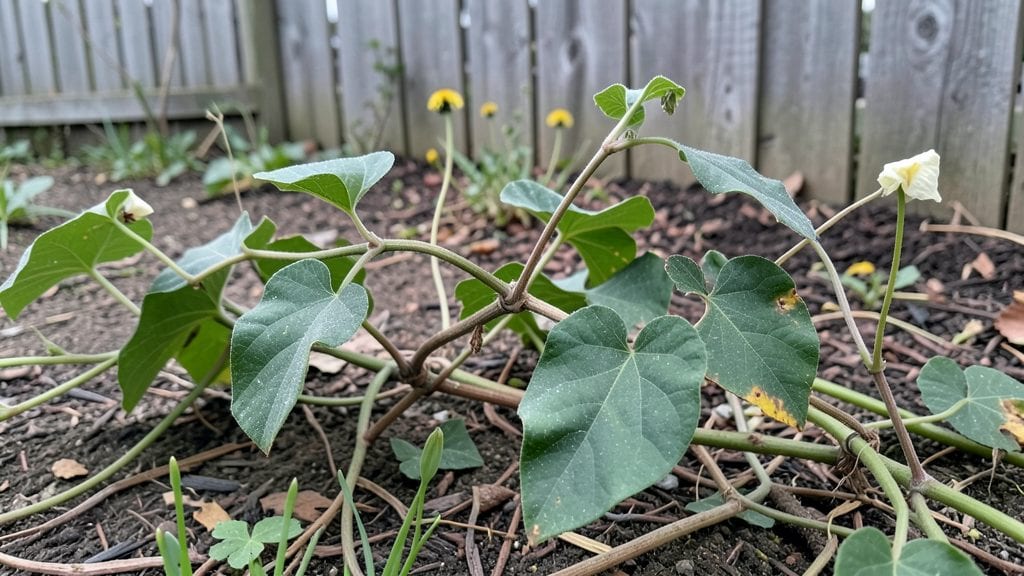
That silky moon flower leaf of Ipomoea alba is the unsung hero of Pacific Northwest gardens—tougher and more resilient than it looks. 🌿 I’ve grown them through three winters here, and their secret is in the leaves: thick, waxy, and built to shrug off early frosts while still producing those dreamy white blooms at dusk.
The trick isn’t just planting them right; it’s reading the leaves for clues about what’s working (or not) before the vines even start climbing.
Healthy moonflower leaves should be deep green, slightly leathery to the touch, and free of spots or tears—anything else is your plant whispering for help. Yellowing? That’s usually too much water or poor drainage. Brown edges? Dry air or salt buildup from tap water.
And those little black specks? Aphids, but don’t panic—soapy water and ladybugs will handle them. The key is catching these signs early, before they turn your vines into a sad, leggy mess.
Pruning isn’t just about shaping—it’s about keeping those leaves productive. Pinch back the tips of young plants to encourage bushier growth, and snip off any yellow or damaged leaves at the base.
You’ll get thicker foliage, more blooms, and a plant that looks like it belongs in a botanical garden, not just your backyard. Plus, the more you prune, the more your moonflowers reward you with those signature moonlit blooms.
This works just as well in containers as in the ground, so long as you give the roots room to stretch (at least 12 inches deep).
And if you’re in a cooler microclimate, start seeds indoors 8–10 weeks before your last frost—those leaves need time to toughen up before facing the real world. The payoff? A vine that thrives when others give up, all while keeping your garden smelling like a summer night.
📚 In This Guide
- What you need
- Instructions
- Tips and common mistakes
- Wrapping up and next steps
What you need
- ● Moon Flower Seeds: 5–10 organic, non-GMO seeds (ensure they’re labeled for Ipomoea alba or moonflower).
- ● Growing Containers: 2–3 5-inch diameter pots (for seedlings) or
- ● 1 12-inch diameter pot (for direct planting in cooler zones).
- ● Well-Draining Soil Mix: 2–3 gallons of a blend of: 60% peat moss or coconut coir (for moisture retention),
- ● 30% perlite or vermiculite (for aeration), and
- ● 10% compost (for nutrients).
- ● Fertilizer: 1 cup of balanced organic fertilizer (5-5-5 or 10-10-10 NPK ratio).
- ● Watering Can or Spray Bottle: With a fine rose nozzle for gentle watering.
- ● Garden Gloves: A pair to protect your hands while handling soil.
- ● Plant Labels: 3–5 biodegradable labels + a marker (to track varieties).
- ● Grow lights or a sunroom (if starting indoors before last frost).
- ● Mulch (straw or shredded leaves) to insulate roots in PNW winters.
- ● Trellis or sturdy stakes (3–4 ft tall) for vertical growth support.
- ● pH testing kit (ideal soil pH: 6.0–7.0).
- ● Neem oil or insecticidal soap (preventative for pests like aphids).
Step-by-Step instructions for planting moonflower leaves in the Pacific Northwest
Here’s how to establish hardy moonflower leaves that thrive through PNW winters.
🌱 Step 1: Choose the Right Location and Prepare the Soil
Moonflower leaves (like those of Ipomoea alba) love partial shade—think dappled sunlight in the morning with afternoon shade. In the Pacific Northwest, this means avoiding full sun after noon, which can scorch tender new growth. Test your spot: if it’s bright but not baking hot by midday, it’s perfect.
Before planting, loosen the soil to a depth of 12 inches with a garden fork. Moonflowers prefer well-draining soil rich in organic matter. Mix in 2-3 inches of compost (from your ingredients list) to improve fertility. If your soil feels heavy or clay-like, add 1 part perlite to every 3 parts soil to help roots breathe. Pat the amended soil down gently—you want it crumbly, not packed like concrete.
🌿 Step 2: Plant Seeds or Transplants at the Right Time
In the Pacific Northwest, start seeds indoors 6-8 weeks before your last frost date (usually early April). Use biodegradable pots to avoid disturbing roots later. Plant seeds ½ inch deep—they need light to germinate, so don’t bury them too deeply. Keep the soil consistently moist (not soggy) at 65-75°F until sprouts appear in 7-14 days.
If you’re planting transplants, wait until after the last frost and nighttime temperatures stay above 50°F. Space plants 3-4 feet apart—they’ll vine aggressively and need room to sprawl. Dig a hole twice as wide as the root ball and place the plant so the top of the roots sits just below soil level. This prevents stem rot from sitting water.
💧 Step 3: Water and Mulch for Frost Resistance
Moonflowers are drought-tolerant once established, but young plants need 1 inch of water per week during the first growing season. Water deeply at the base in the morning to reduce fungal risks. You’ll know it’s enough when the top 2 inches of soil feel moist—not wet, not dry. Overwatering in cool PNW weather can lead to root rot, so let the soil dry slightly between waterings.
Apply a 3-inch layer of mulch (like straw or shredded leaves) around the base of plants. This insulates roots from temperature swings and retains moisture. In winter, add an extra 2 inches of mulch to protect against frost. Avoid piling mulch against stems—keep it 2 inches away to prevent rot.
☀️ Step 4: Provide Support and Prune for Healthy Growth
Moonflowers are vining plants, so install trellises or stakes at planting time. Train vines gently as they grow—this prevents breakage during PNW windstorms. If you’re growing for foliage (not flowers), prune back leggy stems to encourage bushier growth. Use clean, sharp shears to cut just above a leaf node, and avoid removing more than ⅓ of the plant at once.
Deadhead spent flowers to redirect energy into leaf production. You’ll notice new leaves emerging within 2-3 weeks of pruning—this is your cue that the plant is thriving. In late summer, trim back any frost-damaged growth. Moonflowers are surprisingly resilient; even if leaves yellow in cold snaps, they’ll bounce back with warmer weather.
Tips & tricks for perfect moonflower leaf planting
Here's what I've learned after growing moonflowers in the PNW for years—these little details make all the difference.
Soil Prep Secret: When amending your soil with compost and perlite in Step 1, don't just mix it in—create a "soil sandwich." Dig down 6 inches, add a 1-inch layer of compost, then another 1-inch layer of perlite before backfilling with native soil. This creates ideal drainage channels right where roots will grow. I've found this prevents waterlogging better than just mixing everything together.
Timing is Everything: For the 6-8 week indoor seed start timing in Step 2, set a reminder for your last frost date (usually mid-April in the PNW) and work backward. If you're in cooler microclimates like the Olympic Peninsula, err on the longer side (8 weeks) since germination can take longer in cooler indoor temps. Pro tip: Use a seedling heat mat set to 70°F to speed up germination if your home stays below 65°F.
Watering Wisdom: The 1-inch weekly watering guideline in Step 3 works perfectly, but here's how to check it properly: Use your finger to test soil moisture at 2 inches deep—this is where roots actually grow. In the PNW's humid climate, you might need to water less frequently, especially after rain. I've seen moonflowers wilt from overwatering more often than underwatering, so when in doubt, wait a day and check again.
Mulch Mastery: When adding that 3-inch mulch layer in Step 3, use a rake to create a slight depression around each plant stem before applying mulch. This prevents water from pooling directly against the stem, which can cause rot. In winter, I double-check that the extra 2 inches of mulch isn't touching the stems—keep that 2-inch clearance or you'll risk frost damage to the plant itself.
Pro Tips for Moon Flower Leaf
- Here's what I've learned after growing moonflowers in the PNW for years—these little details make all the difference.
- Soil Prep Secret: When amending your soil with compost and perlite in Step 1, don't just mix it in—create a "soil sandwich."
- Timing is Everything: For the 6-8 week indoor seed start timing in Step 2, set a reminder for your last frost date (usually mid-April in the PNW) and work backward.
Frequently asked questions
When is the best time to plant moon flower leaves in the PNW?
The ideal window is late spring to early summer (May–June), after the last frost. Moon flower (Ipomoea alba) thrives in warm soil (60°F+) and needs 60–90 days of frost-free growth to mature. For a head start, sow seeds indoors 4–6 weeks before transplanting. Pro tip: Use black plastic mulch to warm the soil faster in cooler PNW zones!
Can moon flower leaves survive PNW winters?
While the leaves may die back in frost, moon flower is perennial in USDA zones 10–11—but in the PNW (zones 6–9), it’s typically grown as an annual. To extend its life, mulch heavily in fall and cut back dead foliage. Fun fact: Some gardeners treat it like a tender perennial, digging and overwintering tubers in pots!
What’s the fastest way to grow moon flower leaves?
Start with soaked seeds (24 hours in warm water) and plant in well-draining soil with full sun to partial shade. Use a trellis or cage for vertical growth—moonflower vines can reach 10–15 feet! For a jumpstart, buy transplants from local nurseries (like Pacific Bulb Society suppliers) in early summer.
Why are my moon flower leaves turning yellow or wilting?
Yellowing leaves often signal overwatering or poor drainage. Let soil dry slightly between waterings and amend clay-heavy PNW soil with compost. Wilting? Check for underwatering or pests (like spider mites). Quick fix: Trim affected leaves and boost humidity with a light misting. Avoid fertilizing stressed plants!
Are there frost-resistant alternatives to moon flower?
Yes! Try these PNW-friendly vining plants with similar beauty:
- Morning Glory (Ipomoea purpurea): Hardier, blooms earlier, and tolerates light frost.
- Honeysuckle (Lonicera spp.): Fragrant, attracts pollinators, and thrives in zones 4–9.
- Clematis (Clematis spp.): Drought-tolerant once established (choose Clematis ‘Jackmanii’ for cold resistance).
Wrapping up and next steps
Growing moon flower leaves in the Pacific Northwest’s chilly climate is absolutely doable—with the right know-how! 🌙 From selecting the perfect frost-resistant variety to mastering soil prep and timing, you now have all the secrets to nurture these enchanting blooms.
Whether you’re a seasoned gardener or a curious beginner, your garden is ready to welcome these delicate yet hardy beauties.
Ready to take the next step? Start by sketching your planting layout or ordering seeds—then roll up your sleeves and get growing! Your moonlit garden awaits. 🌱✨