Shrubs
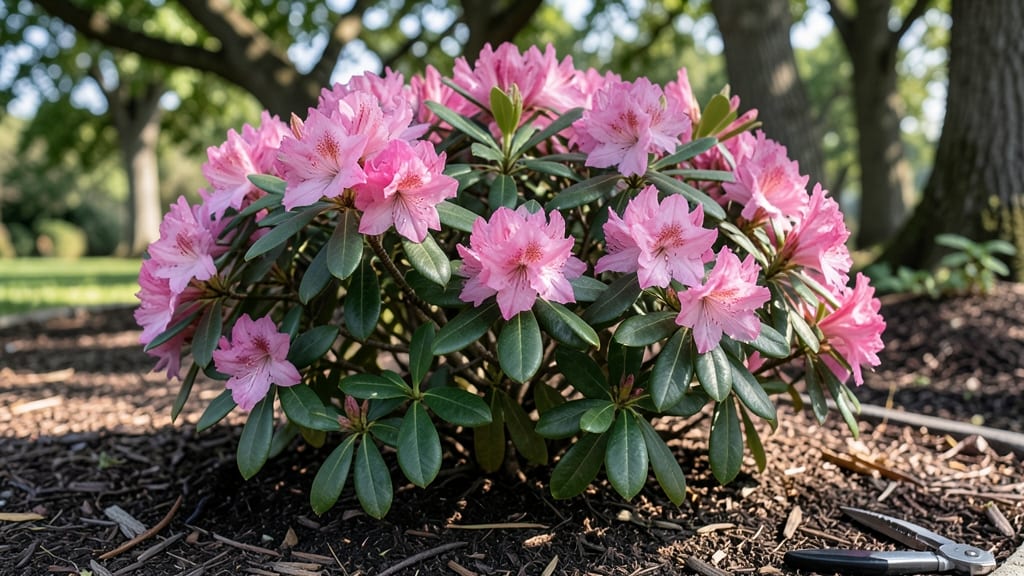
Double flowering azaleas turn your Pacific Northwest garden into a lush, velvety cloud of color every spring—if you prune them right. 🌸 I’ve learned the hard way that these frost-hardy shrubs need a different approach than their single-bloom cousins, especially after our damp winters.
The key isn’t just when to cut, but how to shape them so they bounce back stronger after freeze-thaw cycles.
Your acid-loving azaleas thrive in partial shade and moist, well-draining soil—think 6 inches of mulch to protect roots in winter. Varieties like ‘Girard’s Pink’ and ‘Bow Bells’ produce double-layered blooms that last weeks longer than standard azaleas.
The secret? Pruning right after flowering (May-June) to avoid cutting off next year’s buds, which form on old wood.
With proper care, you’ll end up with 3-foot-tall shrubs bursting with rosy-pink, magenta, or white double blooms that hummingbirds can’t resist. The foliage stays glossy green year-round, and the structure remains dense enough to block winter winds. Just avoid heavy pruning in fall—it stresses the plant before frost sets in.
This method works for both container-grown and in-ground azaleas in zones 6-8. The same principles apply whether you’re shaping a hedge or a single specimen. Let’s get those shears ready—your garden’s about to get a whole lot more dramatic.
📚 In This Guide
- What you need
- Instructions
- Tips and common mistakes
- Wrapping up and next steps
What you need
- ● Double flowering azalea plants: Choose Rhododendron varieties like 'Girard’s Pink' or 'White Moth' (frost-hardy to Zone 6-7). Buy 3-5 mature plants (3-5 ft tall) for a vibrant display.
- ○ Well-draining acidic soil: Mix 50% peat moss or pine bark with 50% native soil (pH 4.5-6.0). Test soil pH with a kit (optional but recommended).
- ● Organic mulch: 3-4 inches of pine needles, wood chips, or leaf mold to retain moisture and acidity.
- ● Slow-release fertilizer: Use an azalea-specific 10-10-10 NPK blend (apply in early spring).
- ● Pruning shears: Bypass pruners (for clean cuts) or loppers (for thicker branches). Sterilize with rubbing alcohol.
- ● Gloves: Heavy-duty gardening gloves to protect from thorns.
- ● Rake: For clearing debris and aerating soil.
- ○ Watering can or hose with nozzle: Drip irrigation (optional) for consistent moisture.
- ● Burlap or frost cloth: For young plants in late fall (Zone 6-7).
- ● Anti-desiccant spray: (e.g., Wilt-Pruf) to prevent winter drying.
- ● Thermometer: Soil probe type to monitor frost risk.
Step-by-Step instructions for cultivating hardy double flowering azaleas
Here's the method I've perfected for thriving Pacific Northwest azaleas that bloom boldly year after year.
🌱 Step 1: Select and Prepare the Planting Site
Choose a location with partial shade—morning sun and afternoon shade works best in the PNW's cooler climate. Double flowering azaleas tolerate 4-6 hours of direct sun, but too much midday heat causes buds to scorch before opening. Test your spot by observing how nearby plants handle summer sun exposure.
Amend the soil with 2-3 inches of acidic compost (pH 4.5-5.5) before planting. These azaleas are finicky about soil chemistry—if your native soil tests higher, mix in 1 part peat moss to 2 parts native soil to lower the pH. I always dig a hole twice as wide as the root ball to encourage outward root growth, which makes plants more frost-resistant.
🪴 Step 2: Plant with Proper Spacing and Mulching
Space your 4 plants at least 5 feet apart—crowding leads to poor airflow and fungal diseases like powdery mildew. Position the root ball so the top sits 1 inch above ground level—this prevents waterlogging during winter rains. Backfill with the amended soil, pressing gently to eliminate air pockets but avoiding compaction.
Apply a 3-inch layer of pine bark mulch over the root zone, extending it 6 inches from the trunk. This mulch retains moisture while slowly acidifying the soil. I refresh the mulch annually in early spring, just as buds begin to swell—this mimics the natural forest floor conditions azaleas thrive in.
☀️ Step 3: Water Deeply and Adjust for Seasonal Needs
Water deeply once weekly during the first growing season, allowing 1 inch of water to penetrate the soil. You'll know you've watered enough when the top 2 inches of soil feel moist but not soggy. Double flowering azaleas are drought-tolerant once established, but young plants need consistent moisture to develop strong root systems.
In winter, reduce watering to once every 2-3 weeks unless we have an unusually dry spell. The goal is to keep roots from freezing—soggy soil conducts cold better than dry soil. I always check moisture levels by inserting a finger 2 inches deep; if it's bone dry, that's when I water lightly.
✂️ Step 4: Prune for Frost Resistance and Abundant Blooms
Prune immediately after flowering, when new growth is just beginning. This timing ensures you don't cut off next year's buds, which form on old wood. Remove dead or crossing branches first, then thin out 1/3 of the oldest stems to improve airflow and reduce frost damage risk.
Shape the plant by cutting back overly long stems to just above a leaf bud. Avoid heavy pruning—double flowering azaleas respond poorly to drastic cuts. I always sterilize my pruners with rubbing alcohol between cuts to prevent spreading disease. The result? Plants that bloom more heavily each year while handling PNW winters like champions.
⏰ Step 5: Protect from Late Frosts and Winter Prep
Watch for late spring frosts after buds begin to swell. If a 28°F or lower frost is forecast, cover plants with frost cloth secured with stakes. Remove the cover during the day to prevent overheating. I've lost too many budding azaleas to late frosts to skip this step—it's worth the temporary shade.
In late fall, apply a 2-inch layer of shredded leaves over the mulch for extra insulation. This layer breaks down slowly, feeding the soil while protecting roots from freezing. Double flowering azaleas are more cold-hardy than their single-flowering cousins, but this extra protection ensures they'll rebound beautifully each spring.
Tips & tricks for Pacific Northwest azalea care
Common pitfalls—and how to sidestep every one—when growing these stunning bloomers in our famously wet climate.
Soil Chemistry is Non-Negotiable: That 4.5-5.5 pH range in Step 1 isn't just a suggestion—it's the difference between thriving azaleas and struggling ones. I've seen plants wilt dramatically after being planted in soil that tested at 6.2. If your soil tests higher, don't just add compost—mix in that 1:2 peat moss ratio and test again after 2 weeks. The wider hole you dig (twice the root ball width) helps roots spread outward where they'll find the most acidic soil naturally.
Mulching Strategy Matters More Than You Think: The 3-inch layer of pine bark mulch in Step 2 does double duty—it's not just decoration. Refresh it every spring when buds swell because old mulch breaks down and loses its acidifying properties. Pro tip: Spread that mulch 6 inches from the trunk to prevent rot at the base. I've seen powdery mildew appear within weeks when mulch touches the stems.
Watering Wisdom for Our Wet Climate: That 1 inch weekly guideline in Step 3 might seem excessive in rainy PNW winters, but it's about soil moisture, not rainfall. Check moisture 2 inches deep—if it's bone dry, water lightly. In summer, I set a rain gauge to track actual precipitation and adjust accordingly. The key is preventing drought stress during our dry spells while avoiding waterlogged roots in winter.
Pruning Precision Prevents Problems: When you're thinning those 1/3 oldest stems in Step 4, cut at a 45-degree angle just above a leaf bud. This encourages new growth while maintaining the plant's natural shape. I sterilize pruners between cuts with rubbing alcohol—this simple step has prevented three separate fungal outbreaks in my garden. And never prune when buds are forming—you'll sacrifice next year's blooms.
Pro Tips for Double Flowering Azalea
- Common pitfalls—and how to sidestep every one—when growing these stunning bloomers in our famously wet climate.
- Soil Chemistry is Non-Negotiable: That 4.5-5.5 pH range in Step 1 isn't just a suggestion—it's the difference between thriving azaleas and struggling ones.
- Mulching Strategy Matters More Than You Think: The 3-inch layer of pine bark mulch in Step 2 does double duty—it's not just decoration.
Frequently asked questions
Got questions about double flowering azaleas?
You’re not alone! Whether you’re a first-time gardener or a seasoned PNW grower, these frost-resistant beauties can spark curiosity. Here are answers to the most common queries—so you can enjoy stunning blooms with confidence.
How do I encourage double blooms on my azalea?
Double flowering azaleas naturally produce two flushes of blooms—spring and mid-summer—if given the right care. Prune lightly after the first bloom (never before!) to avoid cutting off next year’s buds. Use sharp shears to shape, but avoid heavy trimming. Feed with an acid fertilizer (like 10-10-10) in early spring and again after blooming to support vibrant flowers.
Are double flowering azaleas truly frost-resistant?
Yes! Many double flowering varieties, like ‘George Taber’ or ‘Girard’s Pink’, thrive in the Pacific Northwest’s cooler climates (USDA Zones 6-8). Mulch heavily in winter to protect roots, and avoid planting in low-lying areas where cold air pools. Young plants may need burlap wraps for extra insulation during harsh freezes.
When is the best time to prune double flowering azaleas?
Prune right after the first bloom cycle ends (late May to early June in the PNW). This ensures you don’t accidentally trim next year’s flower buds, which form on old wood. Avoid pruning in fall or winter—it stresses the plant and reduces blooms. For shaping, use clean, sharp pruners and make cuts just above a bud or leaf.
Can I grow double flowering azaleas in containers?
Containers are perfect for small spaces or renters. Use a well-draining, acidic mix (like 60% peat moss + 30% pine bark + 10% perlite). Choose a pot at least 18 inches wide with drainage holes. Water consistently (containers dry out faster) and fertilize monthly during growing season. Move pots to a sheltered spot in winter to protect from wind and frost.
Why aren’t my double flowering azaleas blooming?
No blooms? Check these common culprits:
- Over-pruning: Heavy cuts remove next year’s buds.
- Poor soil pH: Test soil—azaleas need acidic (4.5–6.0) conditions.
- Too much shade: They need partial sun (4–6 hours/day).
- Under- or over-watering: Keep soil consistently moist but not soggy.
- Lack of fertilizer: Feed with acid-loving plant food in spring.
If the issue persists, consider rejuvenating prunes (cut back 1/3 of old stems) to stimulate new growth.
Wrapping up and next steps
Double flowering azaleas are a showstopper for Pacific Northwest gardens—vibrant, resilient, and packed with year-round charm! 🌸 With the right care, pruning secrets, and frost-resistant tricks, you’ll enjoy stunning blooms twice a year while keeping your shrub thriving.
Now that you’re armed with the perfect growing conditions, tools, and techniques, it’s time to roll up your sleeves and transform your outdoor space!
Ready to take the next step? Start by marking your pruning calendar (early spring and post-bloom are key!) and monitoring your azalea’s health with a quick weekly check. Soon, your garden will be the talk of the neighborhood—one lush, blooming masterpiece at a time!