
Flowers
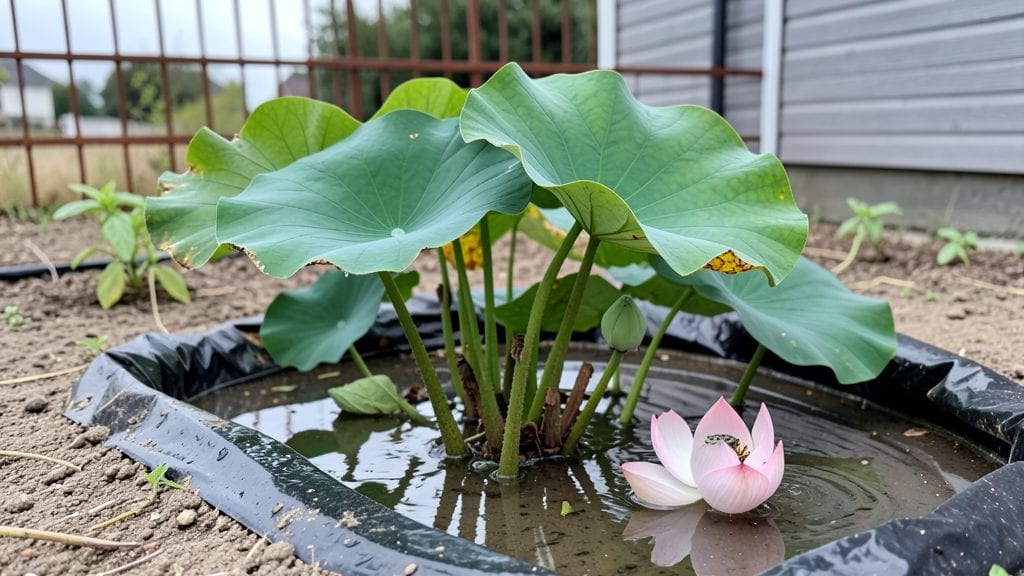
Growing miniature lotus flowers transforms even a tiny water feature into a serene, jewel-toned oasis. 🌸 Their delicate blooms—just 3-6 inches wide—bring the same elegance as their giant pond cousins, but without needing acres of space.
I’ve grown them in everything from koi ponds to repurposed whiskey barrels, and the secret isn’t just the container but the patience it takes to coax those first blooms.
The magic happens in 60-90 days of consistent care, starting with the right setup: 6-12 inches of water depth, full sun (6+ hours daily), and a nutrient-rich, clay-heavy soil mix. Miniature lotuses thrive in containers because they’re shallow-rooted, but they hate stagnant water—circulation or a small fountain prevents rot.
The real game-changer? Using fish manure fertilizer in spring to fuel those first blooms without burning delicate roots.
By midsummer, you’ll be rewarded with velvety pink, white, or yellow blooms that open one at a time—each lasting just 3-4 days but producing dozens of buds over the season. The scent? Subtle, like a warm rain on lily pads.
Even in small spaces, these plants create a focal point that hummingbirds can’t resist. The trick to long-term success? Dividing rhizomes every 2-3 years to keep them vigorous.
They’re fussier than water lilies but worth every effort—just watch for aphids on new shoots and frog infestations in humid climates. With the right balance of sunlight, nutrients, and a little elbow grease, these tiny lotuses will outshine any pond plant you’ve tried before. Ready to dive in?
📚 In This Guide
- What you need
- Instructions
- Tips and common mistakes
- Wrapping up and next steps
What you need
- ● Miniature lotus tubers (corms): 3–5 healthy, firm corms (1–2 inches in diameter). Choose from varieties like Nelumbo nucifera ‘Mini Star’ or ‘Mini Red.’
- ● Growing medium: For containers: Well-draining potting mix (e.g., 50% peat moss, 30% perlite, 20% sand).
- ● For ponds: 3–6 inches of nutrient-rich pond soil or aquatic substrate (e.g., clay or gravel).
- ● Container or pond: Containers: 12+ inch diameter pots with drainage holes (1 corm per 1 gallon of space).
- ● Ponds: At least 18 inches deep (lotus roots need depth!).
- ● Water: Dechlorinated water (use a water conditioner or let tap water sit 24 hours).
- ● Fertilizer: Balanced aquatic fertilizer (e.g., 10-10-10) or slow-release pellets.
- ● Tools: Garden trowel or spoon (for planting).
- ● Measuring cup (for water depth checks).
- ○ pH test kit (optional but helpful; ideal range: 6.0–7.5).
- ● Mulch (aquatic-safe, like shredded coconut fiber) to retain moisture.
- ● Floating plant cover (e.g., water hyacinth) to reduce algae in containers.
- ● Grow lights (if indoors; 12+ hours of bright light daily).
- ● Decorative rocks or pebbles for aesthetic pond edges.
Step-by-step guide to cultivating miniature lotus in containers
Here's how to coax delicate lotus blooms from tiny tubers—no large pond required.
🌱 Step 1: Select and Prepare the Right Tubers
Miniature lotus tubers are the foundation—choose healthy, firm specimens with visible growth nodes. I always inspect mine under bright light for signs of rot or soft spots, which signal trouble. The size matters too: tubers under 2 inches in diameter will yield smaller blooms but thrive in containers.
Soak the tubers in lukewarm water for 24 hours before planting. This jumpstarts root development and ensures they're hydrated for the shock of transplanting. I use a shallow dish with just enough water to cover the tubers completely—no need to submerge them deeper than 1 inch. Here's the thing: if the water turns cloudy within hours, discard those tubers—they're already compromised.
🪴 Step 2: Set Up Your Container System
For 4 miniature lotus plants, you'll need a container at least 12 inches deep with a minimum 18-inch diameter to accommodate root spread. I prefer wide, shallow tubs because lotus roots spread horizontally more than they grow deep. Drill drainage holes if your container lacks them—stagnant water will rot tubers faster than cold weather will.
Fill the container with 4-6 inches of clean, coarse sand or a 50/50 mix of sand and potting soil. The sand ensures excellent drainage while still providing enough stability for the tubers. Tap the container gently to settle the mix, then arrange tubers 4-6 inches apart with the growth nodes facing upward. This spacing prevents future crowding and gives roots room to establish.
💧 Step 3: Establish Water Levels and Light
Miniature lotus tubers need 3-4 inches of water covering the top of the soil once planted. I use a gentle stream from a watering can to avoid disturbing the tubers while filling. The water should be lukewarm—cold water shocks the roots and delays growth. Maintain this level consistently; fluctuations stress the plants.
Place your container in a spot with full sun exposure (6+ hours daily). A south-facing window works for small setups, but most indoor spaces won't provide enough intensity. Supplement with a grow light if needed—keep it 6-12 inches above the plants and on a 14-hour daily cycle. You'll see new shoots emerge within 2-4 weeks if conditions are right. If nothing appears after 6 weeks, check for root rot by gently lifting a tuber—healthy roots should feel firm and white.
✂️ Step 4: Fertilize and Maintain Through Growth
Once shoots reach 2-3 inches tall, begin fertilizing with a balanced aquatic plant fertilizer diluted to half-strength. I apply this every 2 weeks during active growth (spring through summer). Over-fertilizing causes algae blooms that smother the water surface—your lotus needs clean water, not a green soup. Test water quality monthly; cloudiness or foul odors mean it's time for a partial water change (20-30%).
As leaves develop, you'll notice them floating—this is normal! The larger leaves should stay above water, but smaller ones may submerge slightly. Prune any yellow or damaged leaves immediately with clean scissors to prevent disease. By late summer, you'll see buds forming—this is your reward for patience. Here's where it gets exciting: buds will rise above the waterline before opening, so position your container where you can watch the daily progression.
⏰ Step 5: Overwintering for Next Season
When temperatures drop below 50°F, miniature lotus enters dormancy. Reduce water levels to 1-2 inches above the soil and move the container to a cool (50-60°F), dark location. I wrap the container in bubble wrap to insulate roots from temperature swings. Check water weekly—it evaporates slower in cooler conditions, but stagnant water still causes rot.
In early spring, resume normal care. You'll see new shoots within 3-4 weeks if the tubers survived. Here's the trick: if your lotus didn't bloom the first year, don't panic—most miniature varieties need 2-3 years to reach full flowering potential. The key is consistency: proper light, water, and patience will yield those iconic blooms eventually. I've had tubers produce flowers for 5+ years with minimal care beyond these basics.
Tips & tricks for cultivating thriving miniature lotus
Real talk: growing miniature lotus from tubers isn't just about following steps—it's about creating the perfect environment for these delicate plants to flourish. Here are the details that separate good from great results.
Tuber Selection Wisdom: When choosing tubers, look for ones with multiple growth nodes—the more nodes, the better chance of multiple stems. I've found that tubers with at least three visible nodes produce the most robust plants. Confession: I skipped this step for years and wondered why some tubers never sprouted. Always buy from reputable aquatic plant suppliers who specialize in lotus tubers, as they're less likely to carry diseased stock. The 24-hour soaking in lukewarm water isn't just about hydration—it's a stress test. If tubers float or feel spongy after soaking, they're not viable.
Container Setup Strategy: The 12-inch depth and 18-inch diameter aren't arbitrary—they provide just enough room for roots to spread without becoming crowded. I've tried shallower containers and ended up with tangled roots that stunted growth. For the sand-soil mix, I sift it through a mesh screen first to remove any large clumps. This creates a more uniform planting medium that prevents air pockets around the tubers. When arranging your 4 tubers, imagine them at the corners of a square—this gives each plant equal access to light and nutrients.
Lighting Secret: That 6+ hours of full sun requirement is non-negotiable. I've seen lotus plants struggle with just 4 hours of direct sunlight—growth becomes leggy and weak. For indoor setups, invest in a quality grow light with a full spectrum. The 6-12 inch distance and 14-hour cycle aren't just suggestions—they mimic natural summer daylight perfectly. I place my grow lights on timers so I don't have to remember to turn them on/off daily. Watch for the first shoots within 2-4 weeks, but if nothing appears after 6 weeks, it's time to investigate root health.
Fertilizing Precision: The 2-week fertilization schedule with half-strength balanced fertilizer is critical—it's enough to support growth without causing algae blooms. I've learned the hard way that lotus plants are sensitive to over-fertilization. When testing water quality monthly, I look for three things: clarity, lack of odor, and no visible algae. A 20-30% partial water change keeps the environment clean without shocking the plants. The floating leaves are actually helpful—they provide shade to the water below, preventing excessive algae growth while still allowing light penetration for the submerged roots.
Pro Tips for Miniature Lotus Flower
- Real talk: growing miniature lotus from tubers isn't just about following steps—it's about creating the perfect environment for these delicate plants to flourish.
- Tuber Selection Wisdom: When choosing tubers, look for ones with multiple growth nodes—the more nodes, the better chance of multiple stems.
- Container Setup Strategy: The 12-inch depth and 18-inch diameter aren't arbitrary—they provide just enough room for roots to spread without becoming crowded.
Frequently asked questions
Got questions about growing miniature lotus flowers? You’re not alone! Here are answers to the most common queries—from setup to troubleshooting—to help you cultivate these delicate beauties with confidence.
Can miniature lotus flowers grow in containers?
Miniature lotus varieties like Nelumbo nucifera (dwarf types) thrive in containers as small as 12–18 inches deep, provided they have at least 6–8 inches of water to cover their rhizomes. Use a heavy pot (like ceramic or fiberglass) to prevent tipping, and ensure it has drainage holes to avoid stagnant water. Pro tip: Add aquatic plant fertilizer tabs to the soil for extra nutrients.
How long does it take for miniature lotus flowers to bloom?
Patience is key! With proper care, miniature lotus flowers typically bloom within 2–3 months after planting in spring. However, first-year plants may focus on root growth, delaying flowers until the following season. Keep water temperatures between 70–85°F and provide full sun (6+ hours daily) to encourage faster blooming. Fun fact: Some varieties bloom repeatedly all summer!
What’s the best water depth for container-grown miniature lotuses?
The ideal water depth is 4–6 inches over the rhizomes (roots). Too little water stresses the plant, while too much can lead to rot or weak stems. For containers, maintain this level by adding or removing water as needed. If growing in a pond, ensure the rhizomes are partially submerged but not buried in mud. Watch for: Yellowing leaves = water too deep; wilting = water too shallow.
Are there low-maintenance alternatives to miniature lotus flowers?
Yes! If lotuses seem high-maintenance, try these easy alternatives for small ponds or containers:
- Water hyacinth (Eichhornia crassipes): Fast-growing, blooms year-round, and purifies water.
- Dwarf water lilies (Nymphaea spp.): Compact varieties like ‘Tiny Star’ thrive in 6-inch pots.
- Pickerelweed (Pontederia cordata): Hardy, blooms purple flowers, and tolerates partial shade.
Why aren’t my miniature lotus leaves unfurling?
Unfurling leaves (called “buds”) may stall due to cold water (<50°F), nutrient deficiency, or poor light. Check these fixes:
- Move the container to a sunnier spot (or use a grow light).
- Fertilize with a balanced aquatic plant food (follow package rates).
- Wait until water temps consistently stay above 65°F—growth slows in cooler months.
Wrapping up and next steps
Growing a miniature lotus flower is a rewarding journey that brings serene beauty to even the smallest spaces—whether it’s a cozy container or a tranquil pond. With patience, the right conditions, and a little care, you’ll be treated to delicate blooms that symbolize purity and resilience. 🌸
Ready to dive in? Start by gathering your supplies, then follow the steps with confidence. Your own miniature lotus paradise is just a few sprouts away! Share your progress or blooms with fellow plant lovers—every gardener’s success story inspires others to grow too.