Flowers
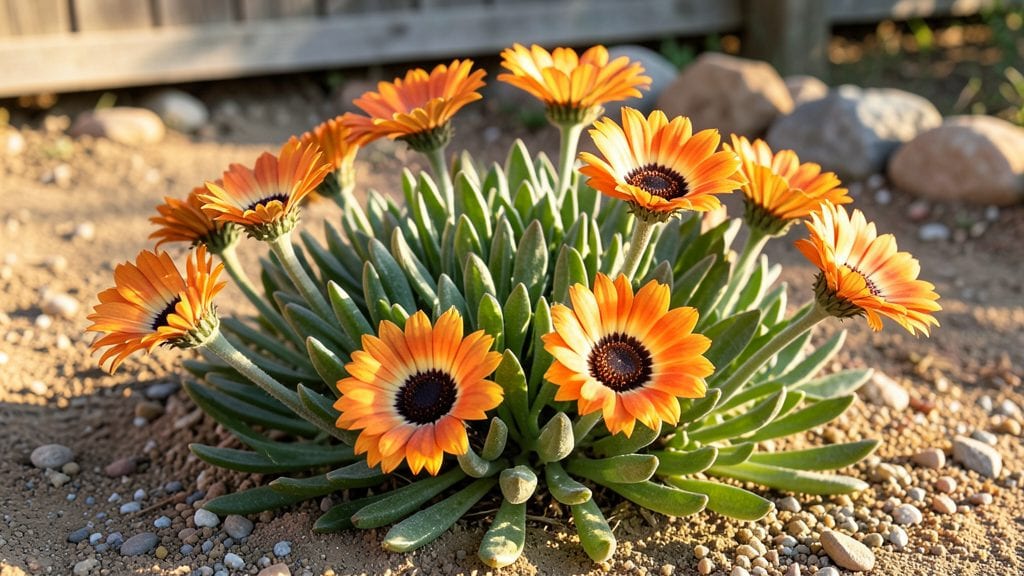
Growing gazania daisies means sun-drenched, heat-loving blooms that stay vibrant even when other flowers wilt. 🌞 I learned the hard way—planting them in partial shade left me with sad, leggy stems instead of those cheerful, daisy-like faces.
These flowers practically beg for full sun, and they reward you with blooms from morning until late afternoon.
The secret to happy gazanias is well-draining soil and minimal fuss. They thrive in sandy or rocky ground, which mimics their native South African habitats. Water only when the top inch of soil feels dry—overwatering is their worst enemy.
Most gardeners swear by planting them in spring after the last frost, but they’re tough enough to handle light freezes, making them ideal for warm climates or containers you can bring indoors in winter.
What you’ll end up with is a burst of color that lasts all summer long—think fiery oranges, sunny yellows, and deep reds that close at night like little flower umbrellas.
They’re drought-tolerant once established, so they’re perfect for low-maintenance gardens or rocky slopes where other plants struggle. Plus, they self-seed easily, giving you free plants for years to come.
Whether you’re filling a sunny border, spilling them over a container, or using them as a ground cover, gazanias bring effortless charm. Here’s how to keep them thriving all season—and avoid the mistakes that turn them into floppy shadows instead of bold blooms.
📚 In This Guide
- What you need
- Instructions
- Tips and common mistakes
- Wrapping up and next steps
What you need
- ● Gazania plants: 6–12 gazania daisy seedlings, transplants, or seeds (depending on desired coverage)
- ● Recommended varieties: ‘Chocolate Chip,’ ‘Sunset,’ or ‘Mini Star’ for compact blooms
- ● Soil: Well-draining potting mix (for containers) or garden soil amended with compost (for in-ground planting)
- ○ Optional: Perlite or sand (1 part per 3 parts soil) to improve drainage
- ● Containers (if not planting in-ground): 5–7 inch pots (1 plant per pot) or long planters (spaced 6–12 inches apart)
- ● Drainage holes (non-negotiable!)
- ● Fertilizer: Balanced granular fertilizer (10-10-10) or slow-release pellets
- ● Water-soluble bloom booster (e.g., 5-10-10) for established plants
- ● Tools: Trowel or small shovel
- ○ Gloves (optional but handy for handling soil)
- ● Watering can or hose with a gentle spray nozzle
- ● Pruners (for trimming dead blooms or leggy stems)
- ● Mulch (e.g., gravel or pine bark) to retain moisture and deter weeds
- ● Stakes or pebbles (for upright varieties in windy areas)
- ● Shade cloth (30–50%) if your gazanias are in intense afternoon sun (they prefer bright light but can scorch in extreme heat)
- ● Epsom salt (1 tbsp per gallon of water) for a magnesium boost (occasional foliar spray)
Step-by-step instructions for growing gazania daisies
Bright, cheerful blooms that open in the sun and close at night—here's how to coax them into your garden.
🌱 Step 1: Choose the Perfect Planting Spot
Gazania daisies demand full sun—at least 6-8 hours daily—to thrive. I always pick the sunniest, warmest spot in my garden, typically a south-facing bed or container area. These plants wilt dramatically in shade, so avoid spots where they’ll get afternoon shade from trees or fences.
Check the soil first—gazanias hate soggy roots. If your spot stays damp, amend with 2-3 inches of coarse sand or perlite mixed into the top 12 inches of soil. The goal is fast-draining soil that mimics their native dry, rocky habitats. You’ll see the difference immediately: plants in heavy clay will struggle, while those in well-drained soil burst into color.
🪴 Step 2: Plant at the Right Depth and Spacing
Dig holes twice as wide as the root ball but only as deep as the container’s base. Gazanias have shallow roots, so planting too deep suffocates them. Gently remove the plant from its container and tease apart any circling roots—this encourages outward growth instead of a tangled mess.
Space plants 12-18 inches apart for single blooms or 8-12 inches apart for bushier clusters. Crowding leads to weak stems and fewer flowers. Water deeply right after planting to settle the soil, then let it dry out completely before watering again. Overwatering at this stage is the fastest way to kill young gazanias.
☀️ Step 3: Water Wisely to Encourage Blooms
Gazanias are drought-tolerant once established, but they need consistent moisture during their first 4-6 weeks. Water deeply 2-3 times per week—enough to soak 6 inches down—then let the soil dry out completely between waterings. You’ll know you’ve got it right when the top 2 inches of soil feel dry to the touch before the next watering.
Here’s the thing—water at the base only. Avoid overhead watering, especially in the evening, or you’ll invite fungal diseases that cause brown spots on leaves. Mulch with 1-2 inches of gravel or coarse sand (not organic mulch) to retain moisture and keep roots cool. This also prevents weeds from competing for water.
✂️ Step 4: Deadhead and Prune for Longer Blooms
Pinch off spent blooms daily during peak season to encourage more flowers. Gazanias are prolific rebloomers, but they’ll fade fast if you ignore them. I use clean fingers or small scissors to snip stems just above the next set of leaves—this redirects energy to new buds instead of seed production.
In late summer, when growth slows, give plants a light trim by cutting back one-third of the foliage. This removes leggy stems and encourages a bushier, more compact shape. Stop pruning by mid-September in cooler climates, as new growth won’t harden off before frost.
⏰ Step 5: Overwinter for Next Year’s Blooms
Gazanias are annuals in cold climates but can overwinter in USDA zones 9-11 with minimal care. After the first frost, cut back stems to 2 inches tall and mulch heavily with 3-4 inches of straw or leaves. This protects the crown from freezing temperatures.
In spring, remove the mulch and water lightly to wake dormant roots. New growth will appear in 2-3 weeks, signaling it’s time to resume regular care. If you’re in a colder zone, treat them as annuals and replant fresh seeds or starts each year—they’ll perform even better without the stress of overwintering.
Tips & tricks for perfect gazania daisy flower growing
These little tricks will help you turn your sunniest spot into a vibrant gazania paradise without the guesswork.
Sunlight Strategy: Gazanias are sun worshippers, but not all sun is equal. If your spot gets intense afternoon heat, provide temporary shade with a sheer curtain during the hottest hours—especially in zones with temperatures above 95°F. I’ve seen gazanias bolt (flower too early) when stressed by heat, so this simple adjustment keeps them blooming longer. The 6-8 hours of sun should be spread throughout the day, not all concentrated in morning hours.
Soil Science: The secret weapon for gazanias isn't fancy—it's grit. Mix in 1 part perlite to 3 parts potting soil if you're planting in containers. This mimics their native rocky soil and prevents the dreaded "soggy bottom" that causes root rot. For in-ground planting, work that 2-3 inches of coarse sand into the top 12 inches of soil like you're baking it in. Think of it as giving your gazanias a drainage system they can't live without.
Watering Wisdom: The 2-3 times per week rule works best when you're actually soaking the soil to 6 inches deep. To test, stick a wooden skewer in after watering—it should come out clean, not damp. I use a rain gauge to measure, but even a trowel works: if it feels dry 2 inches down, it's time to water again. The key is consistency during those first 4-6 weeks—this is when roots establish, and dry spells can set them back permanently.
Pruning Payoff: That daily deadheading might seem tedious, but here's the thing: gazanias will keep producing blooms as long as you remove spent flowers. I set a timer for 5 minutes each morning to snip them all—it becomes a habit. For the late-summer trim, cut back one-third of the foliage but leave some leaves near the base. This might seem drastic, but it triggers bushier growth and prevents those leggy stems that look sad by autumn. Just remember to stop by mid-September in cooler areas.
Pro Tips for Gazania Daisy Flower
- These little tricks will help you turn your sunniest spot into a vibrant gazania paradise without the guesswork.
- Sunlight Strategy: Gazanias are sun worshippers, but not all sun is equal.
- Soil Science: The secret weapon for gazanias isn't fancy—it's grit.
Frequently asked questions
Got questions about growing and caring for gazania daisy flowers? You’re not alone! Here are some of the most common queries—plus quick, practical answers to keep your sun-loving blooms thriving.
How often should I water gazania daisies?
Water gazanias deeply but infrequently—about once a week, or when the top inch of soil feels dry. Overwatering leads to root rot, so prioritize drainage. Pro tip: Water in the morning to reduce evaporation and fungal risks.
When is the best time to plant gazania daisies?
Plant gazanias in spring or early summer after the last frost, once soil temps reach at least 60°F (15°C). They’re heat-tolerant but won’t survive frost. For year-round blooms, start seeds indoors 6–8 weeks before the last frost date.
Can gazania daisies grow in containers?
Gazanias thrive in containers with well-draining soil and at least 6-inch pots. Use a mix of potting soil and perlite, and place them in full sun. Just ensure pots have drainage holes to prevent soggy roots.
What pests commonly attack gazania daisies?
Watch for aphids, spider mites, and slugs. Treat aphids with soapy water; deter slugs with diatomaceous earth. For spider mites, spray leaves with water daily to disrupt their life cycle. Prevention tip: Keep plants healthy with balanced fertilizer to boost pest resistance.
Do gazania daisies bloom all summer?
Yes! With proper care, gazanias bloom continuously from spring to frost. Deadhead spent blooms to encourage more flowers, and fertilize lightly every 4–6 weeks. Bonus: They close at night and reopen in the morning—nature’s built-in clock!
What’s a good alternative if gazanias don’t thrive in my climate?
Try zinnia, portulaca (moss rose), or sedum for heat-loving, drought-tolerant blooms. Zinnias offer similar vibrant colors, while portulaca thrives in rocky, poor soil—perfect for low-maintenance gardens.
Wrapping up and next steps
Gazania daisies are the perfect sun-soaking superstars for gardeners who love bold, low-maintenance blooms! With their vibrant colors and heat-loving nature, they’re ideal for brightening up borders, containers, or even rocky slopes.
Whether you’re a beginner or a seasoned gardener, their resilience and cheerful presence make them a must-have for any sunny spot. 🌞
Ready to bring these cheerful blooms to life? Grab your supplies, pick a sunny patch, and start planting—your garden (and pollinators!) will thank you. Happy gardening! 🌸