
Flowers
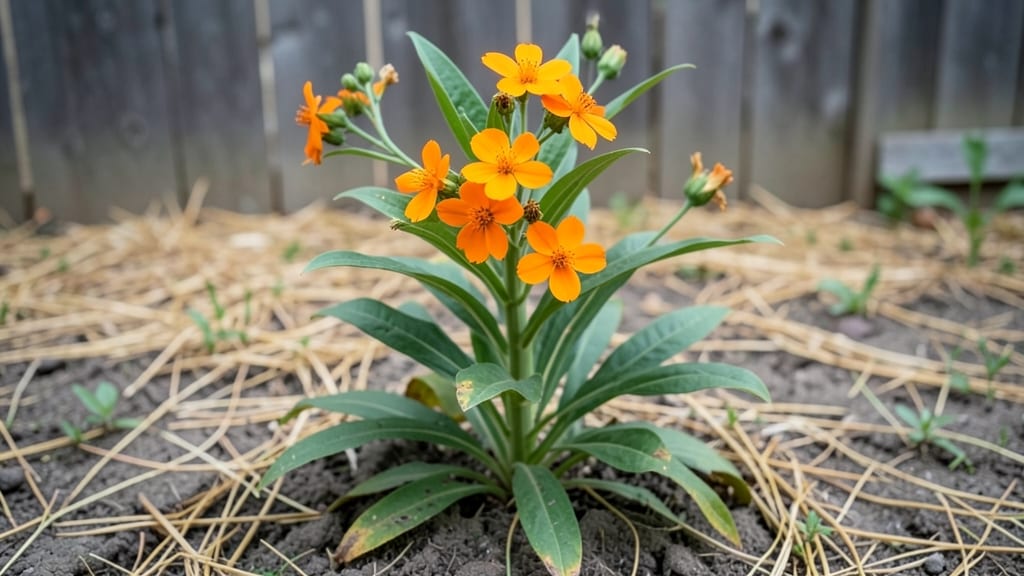
Milkweed with orange flowers isn’t just a bold splash of color—it’s the Pacific Northwest’s secret weapon for drawing in monarchs and other pollinators. 🌸 I’ve watched my ‘Hello Yellow’ milkweed transform a dull corner into a buzzing hub of activity, with butterflies landing like they own the place.
The bright blooms stand out against native greenery, making them a standout choice for pollinator gardens or sunny borders.
This milkweed thrives in well-drained soil and full sun, which means it’s perfect for rocky slopes, meadows, or even container gardens. Pair it with purple coneflowers or black-eyed Susans to create a vibrant contrast, or let it shine alone as a focal point.
The deep roots help prevent erosion too, so it’s a multi-purpose plant that works hard while looking stunning.
What you’ll love most is the activity it attracts—monarch caterpillars munching away, bees collecting nectar, and hummingbirds darting in for a sip. By mid-summer, your garden becomes a pollinator paradise, with the orange flowers drawing in visitors from dawn till dusk.
The trade-off? A few chewed leaves, but that’s the price of supporting wildlife.
For best results, plant in early spring or fall when the soil is workable, and avoid overwatering—these plants prefer dry spells once established. In the PNW’s mild climate, they’ll reward you with years of color and pollinator action with almost no fuss.
Ready to turn your garden into a butterfly highway?
📚 In This Guide
- What you need
- Instructions
- Tips and common mistakes
- Wrapping up and next steps
What you need
- ● Seeds: 50–100 Asclepias seeds (orange-flowering varieties, available at native plant nurseries or online).
- ● Well-draining soil: 2–3 cubic yards of a mix of native soil, compost (20–30%), and perlite/sand (10–20%) for aeration.
- ● Watering can or hose: With a gentle spray nozzle for seedling care.
- ● Garden gloves: To protect hands from sap (which can irritate skin).
- ● Plant markers: Biodegradable labels to track varieties.
- ● Hand trowel: For planting seeds (6–8" depth).
- ○ Pruners: Sharp, sterilized shears for trimming (optional but helpful).
- ● Mulch: 1–2 inches of wood chips or straw to retain moisture.
- ○ Sunlight meter (optional): To confirm 6+ hours of direct sun per day.
- ● Full sun exposure (6+ hours daily) or partial shade (3–6 hours) in cooler climates.
- ● Space: 2–4 feet between plants for mature growth.
- ● Patience! Milkweed grows best from seed (germination takes 14–30 days).
Step-by-Step guide for planting and caring for orange milkweed
Here's how to establish a thriving patch of this vibrant pollinator magnet.
🌱 Step 1: Choose the Perfect Pacific Northwest Spot
Orange milkweed thrives in full sun—at least 6 hours daily—but tolerates partial shade in hotter inland areas. In the PNW's cooler, wetter climate, I look for locations with morning sun and afternoon shade to prevent leaf scorch. The plant handles our region's acidic, well-draining soils beautifully, but amends heavy clay with 1-2 inches of compost before planting.
Here's the thing—this milkweed loves moisture but hates soggy roots. Test your soil's drainage by digging a 6-inch hole, filling it with water, and timing how long it takes to drain. If it takes more than 2 hours, mix in 1 part perlite to 3 parts native soil to improve aeration. The PNW's frequent rain means you'll rarely need to water once established, but young plants appreciate 1 inch of water weekly during dry spells.
🪴 Step 2: Plant at the Right Time and Depth
Spring is ideal—plant after the last frost when soil temperatures reach 50°F. I dig holes twice as wide as the root ball but only as deep as the container's base to prevent burying the crown. The plant's deep taproot means you won't want to disturb it later, so handle seedlings gently by their leaves rather than stems.
Space plants 3-4 feet apart—this gives them room to spread while maintaining that lush, pollinator-friendly display. In windy coastal areas, I stake young plants with 3-foot bamboo stakes until they establish strong roots. The first year focuses on root development, so resist the urge to harvest seeds until the plant shows 4-6 healthy stems with mature seed pods.
☀️ Step 3: Maintain for Maximum Pollinator Appeal
Once established, orange milkweed is low-maintenance but benefits from monthly feedings of compost in early spring. I spread 1/2 cup around each plant and scratch it into the top inch of soil. This boosts nectar production and flower density—critical for monarchs and native bees that rely on it.
Deadhead spent flowers in early summer to encourage another flush of blooms by late summer. Watch for milkweed aphids (tiny yellow-green bugs) in warm years—blast them off with a strong spray of water rather than pesticides, as they're harmless to the plant and food for beneficial insects. The plant's sticky sap deters most pests, but I still check undersides of leaves weekly for signs of stress.
✂️ Step 4: Harvest Seeds for Next Season's Plantings
Seed pods mature in late summer to fall—wait until they turn tan and papery before harvesting. I collect them when they begin splitting open naturally. Spread the pods on a paper towel-lined tray indoors to dry completely (about 1-2 weeks). This prevents premature germination in the damp PNW climate.
Here's where it gets fun—crack open dried pods to reveal fluffy seed tufts that float like dandelion seeds. Store seeds in a paper envelope in the freezer for up to 2 years. For direct sowing, scatter seeds in late fall when temperatures dip below 50°F—they'll germinate naturally in spring. This mimics the plant's native lifecycle and gives you a head start on pollinator support.
Tips & tricks for perfect orange milkweed growth
These simple strategies will help you cultivate thriving orange milkweed that attracts pollinators like a magnet.
Sunlight Strategy: In Step 1, that 6 hours of daily sun is non-negotiable for vibrant orange blooms, but here's the trick: monitor your plants' leaves. If you notice yellowing or crispy edges by midday, your location gets too much afternoon sun for the PNW climate. Move plants slightly eastward or add temporary shade cloth during peak heat hours. The goal is morning sun with gentle afternoon light—this prevents stress while maximizing flower production.
Drainage Test: When testing soil drainage in Step 1, here's what I learned the hard way: the 2-hour drainage test is your best friend. If water pools after 2 hours, you're dealing with compacted soil. I've found that mixing in 1 part perlite to 3 parts native soil works wonders, but for heavy clay, consider adding coarse sand instead—it creates better aeration without altering soil chemistry. This small adjustment prevents root rot while keeping your milkweed happy.
Planting Depth: In Step 2, that "as deep as the container's base" rule is crucial—burying the crown too deep suffocates the plant. I've seen many gardeners accidentally plant too deep, thinking "deeper means more stable." Instead, focus on keeping the soil level with the top of the root ball. For container-grown plants, gently squeeze the sides to loosen the root ball before planting. This ensures proper root development from day one.
Pest Prevention: When checking for milkweed aphids in Step 3, here's my secret weapon: a spray bottle filled with water and a drop of mild dish soap. The aphids hate this solution, and it won't harm your plants or beneficial insects. I check undersides of leaves weekly during warm months, especially after rain showers when aphids are most active. This simple routine keeps your milkweed thriving without chemicals.
Pro Tips for Milkweed With Orange Flowers
- These simple strategies will help you cultivate thriving orange milkweed that attracts pollinators like a magnet.
- Sunlight Strategy: In Step 1, that 6 hours of daily sun is non-negotiable for vibrant orange blooms, but here's the trick: monitor your plants' leaves.
- Drainage Test: When testing soil drainage in Step 1, here's what I learned the hard way: the 2-hour drainage test is your best friend.
Frequently asked questions
Is milkweed with orange flowers rare?
Not exactly! While Asclepias californica (California milkweed) is the most common orange-flowered species, it thrives in the PNW. Other varieties like Asclepias franciscana (Franciscan milkweed) also produce orange blooms. They’re not rare but are specialized—check local nurseries or native plant swaps for seedlings.
When is the best time to plant orange milkweed?
For the Pacific Northwest, spring (March–May) is ideal—after the last frost but before summer heat. Fall planting (September–October) also works if you’re in milder zones (like coastal areas). Pro tip: Plant seeds just below the soil surface (no deeper than ¼ inch) for the best germination.
Why aren’t monarchs visiting my orange milkweed?
Monarchs do use orange milkweed, but timing matters! Plant in early spring to align with their migration. If they’re absent, check for:
- Pesticides (even "organic" ones can deter them).
- Lack of nectar sources (add native flowers like Lupinus or Ceanothus).
- Overcrowding (thin seedlings if too dense).
Can I grow orange milkweed in containers?
Use a 5-gallon pot minimum with well-draining soil. Asclepias species have long taproots, so opt for deep containers. Place in full sun (6+ hours/day) and water deeply but infrequently—they’re drought-tolerant once established. Warning: Avoid overwatering; soggy soil invites fungal diseases.
What if my milkweed flowers are pale or not bright orange?
Color intensity fades with low sunlight or nutrient deficiencies. Try:
- Move to sunnier spot (orange milkweed loves 6+ hours of direct sun).
- Add compost in early spring (phosphorus boosts blooms).
- Water consistently—drought stress dulls colors.
Wrapping up and next steps
Milkweed with its vibrant orange flowers isn’t just a stunning addition to the Pacific Northwest landscape—it’s a lifeline for pollinators like monarch butterflies and bees! 🌸 By planting this hardy native, you’re fostering biodiversity while adding a pop of color to your garden.
Whether you’re a seasoned gardener or just starting, every effort counts—so get growing and watch your yard become a thriving pollinator paradise.
Next steps:
- Pick a sunny spot and grab some seeds—your local nursery or online store has great options!
- Share your progress with fellow gardeners for tips and inspiration.