
Flowers
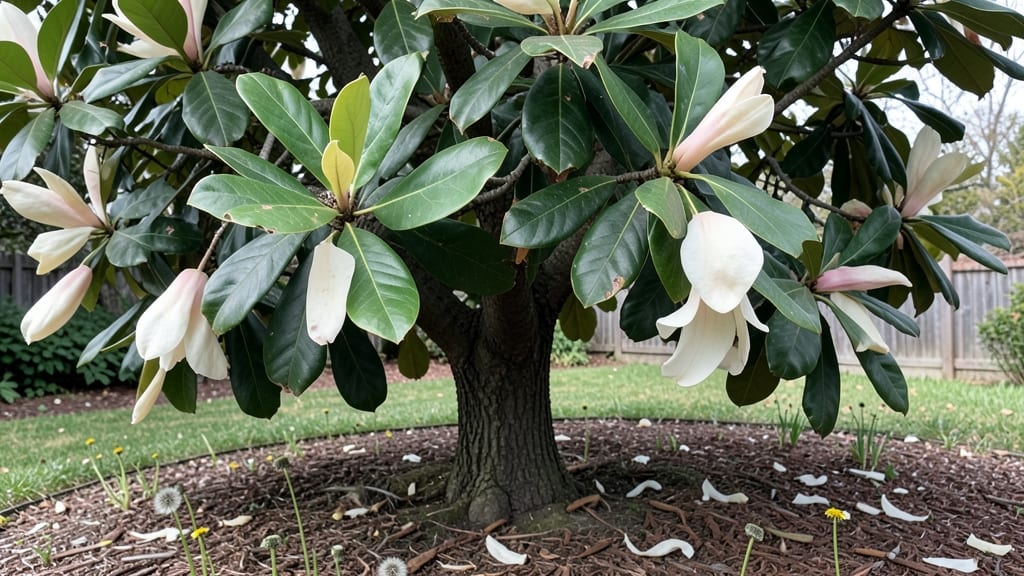
The magnolia flower in Louisiana isn’t just possible—it’s a showstopper. 🌸 These iconic trees thrive in our humidity, heat, and rich soil, turning your yard into a fragrant, evergreen masterpiece.
I’ve watched my own Southern magnolia grow from a sapling into a stately giant, its glossy leaves and creamy blooms becoming the centerpiece of my landscape.
The secret lies in choosing the right variety—like the dwarf ‘Little Gem’ for small spaces or the fragrant ‘Ann’ for dramatic blooms—and planting at the right time. Louisiana’s mild winters mean you can plant year-round, but fall gives roots time to settle before summer’s intensity.
The soil? Amend it with compost to drain well while holding moisture, because soggy roots spell trouble.
What you’ll love most is how low-maintenance these trees are once established. Prune only to shape or remove dead wood, and watch them reward you with football-sized blooms in spring and summer. Even in our sticky climate, they stay disease-resistant with just a little care—no fuss, just beauty.
Whether you’re planting a single specimen or lining your driveway with them, magnolias in Louisiana deliver timeless Southern charm with minimal effort. Let’s get yours growing strong!
📚 In This Guide
- What you need
- Instructions
- Tips and common mistakes
- Wrapping up and next steps
What you need
- ● Magnolia plants: Choose between Southern Magnolia (Magnolia grandiflora) or Sweetbay Magnolia (Magnolia virginiana)—both are Louisiana-friendly! (1-3 plants for a small garden, 5+ for a bold statement.)
- ● High-quality potting soil: 5-10 gallons of well-draining, acidic soil (pH 5.0-6.5). Mix in peat moss or pine bark for optimal drainage.
- ● Organic mulch: 2-3 inches of pine straw or wood chips to retain moisture and regulate soil temperature.
- ● Slow-release fertilizer: A balanced, acidic fertilizer (10-10-10 or 8-3-9) to support healthy growth. Apply at planting and again in spring.
- ● Shovel or trowel: For planting and soil amendments.
- ● Pruning shears: Sterilized, sharp shears for shaping and post-bloom cleanup.
- ● Garden hose or watering can: With a spray nozzle for gentle watering (avoid wetting flowers).
- ● Gloves: Heavy-duty gardening gloves to protect against thorns.
- ● Soil pH test kit: To ensure your soil stays in the ideal acidic range.
- ● Tree stakes: For young magnolias in windy areas.
- ● Drip irrigation system: For consistent moisture in Louisiana’s heat.
- ● Epsom salt: A magnesium boost for yellowing leaves (mix 1 tbsp per gallon of water, apply monthly).
Step-by-Step guide to planting and cultivating magnolia trees in Louisiana
Here's how to establish these iconic Southern trees with confidence—humidity and heat won't be a problem.
🪴 Step 1: Choose the Perfect Planting Location and Prepare the Soil
Magnolias thrive in Louisiana's climate when planted in full sun to partial shade—at least 6 hours of direct sunlight daily. I always position mine where they'll get morning sun and afternoon shade during peak summer heat. The key is avoiding late-afternoon sun, which can stress the foliage.
Test your soil's drainage first—magnolias hate soggy roots. Dig a hole twice as wide as the root ball but only as deep as the container's base. Amend heavy clay soil with 3-4 inches of organic compost mixed into the bottom of the hole. Louisiana's native soils often need this boost for proper root establishment.
🌱 Step 2: Plant Your Magnolia with Proper Technique
Gently remove the tree from its container and loosen any circling roots with your fingers—this encourages outward growth. Place the root ball in the hole so the top sits 1-2 inches above ground level. The reason we don't bury the root flare? It prevents water from pooling and causing rot during our humid summers.
Backfill with native soil mixed with your compost amendment, tamping lightly every 6 inches to eliminate air pockets. Create a 2-inch-high berm around the perimeter to catch irrigation water. Water deeply right after planting—10-15 gallons—until moisture reaches 12 inches down. You'll know it's soaked enough when water runs out the bottom of the hole.
☀️ Step 3: Establish a Watering Routine for First-Year Growth
For the first 30 days, water twice weekly—deeply enough to moisten the soil to 12 inches. After that, shift to once weekly during dry spells (when rainfall drops below 1 inch per week). Louisiana's summer heat means you'll need to monitor soil moisture closely—stick your finger 2 inches down. If it feels dry, water again.
Here's the thing—magnolias develop deep roots, so shallow watering encourages weak surface roots. I always water slowly at the base, avoiding the foliage to prevent fungal diseases common in our humidity. Mulch with 3 inches of pine straw or shredded bark (keep it 6 inches away from the trunk) to conserve moisture and regulate soil temperature.
✂️ Step 4: Prune Strategically for Health and Bloom
Wait until late winter or early spring—after the danger of frost has passed but before new growth begins—to prune. Remove only dead, diseased, or crossing branches with clean cuts just outside the branch collar. Never "top" a magnolia—this practice weakens the tree and reduces next year's flower production.
For established trees, you can thin out crowded branches to improve airflow, but limit pruning to no more than 25% of the canopy in any single year. The goal is to maintain the tree's natural shape while encouraging strong, healthy growth. Louisiana's heat and humidity mean proper pruning prevents pests and diseases that thrive in dense foliage.
Tips & tricks for perfect magnolia cultivation in Louisiana's humid climate
A few key insights that'll help your magnolia thrive in our unique Southern conditions—where heat and humidity work in your favor if you know how to work with them.
Sunlight Strategy: That 6 hours of direct sunlight mentioned in Step 1 is non-negotiable, but here's the thing about Louisiana's intense afternoon sun—it can scorch tender new leaves. I've found that positioning your tree to catch morning sun and afternoon shade (from nearby trees or structures) gives you the best of both worlds: enough light for growth without the stress of peak heat. Think of it as giving your magnolia a gentle sunbath rather than a full-blown tanning session.
Root Development Secret: The 3-4 inches of organic compost in Step 1 isn't just about nutrients—it's about creating the perfect environment for those deep roots to establish. I've seen magnolias planted in pure Louisiana clay struggle because the roots can't penetrate properly. Pro tip: Mix in some sand or perlite (about 20% of your compost mix) to improve drainage without sacrificing moisture retention. This helps prevent that dreaded root rot we deal with in our humidity.
Watering Wisdom: Those 10-15 gallons of water in Step 2 might sound like a lot, but trust me—it's better to give your magnolia a thorough soaking than multiple shallow waterings. I use a soaker hose for the first 30 days to ensure water penetrates to 12 inches deep. Here's what nobody tells you: The 2-inch-high berm around the base isn't just for catching water—it also helps direct water away from the trunk during our heavy rains, preventing that rot we want to avoid at all costs.
Pruning Precision: When you're ready to prune in late winter, focus on one-third of the canopy at most—even though the instructions say 25%. I've learned this the hard way after seeing trees stressed from over-pruning. Use sharp, clean shears and make cuts just outside the branch collar (about 1/4 inch above the outward-facing bump). This technique promotes faster healing and prevents those unsightly stubs that can attract pests in our humid climate.
Pro Tips for Magnolia Flower Louisiana
- A few key insights that'll help your magnolia thrive in our unique Southern conditions—where heat and humidity work in your favor if you know how to work with them.
- Sunlight Strategy: That 6 hours of direct sunlight mentioned in Step 1 is non-negotiable, but here's the thing about Louisiana's intense afternoon sun—it can scorch tender new leaves.
- Root Development Secret: The 3-4 inches of organic compost in Step 1 isn't just about nutrients—it's about creating the perfect environment for those deep roots to establish.
Frequently asked questions
Got questions about growing magnolia flowers in Louisiana’s humid climate?
You’re not alone! Here are the most common queries—plus expert tips to help your magnolias thrive.
When is the best time to plant magnolia trees in Louisiana?
Plant magnolias in late fall or winter (November–February) when the soil is cool but workable. This gives roots time to establish before Louisiana’s hot, humid summers. Avoid spring planting—young trees struggle with heat stress.
How do I protect my magnolia from Louisiana’s heat and humidity?
Magnolias love humidity but need well-draining soil and partial shade (especially afternoon sun). Mulch heavily (3–4 inches) to retain moisture and prevent root rot. Prune in late winter to avoid fungal issues from wet foliage.
Why aren’t my magnolia flowers blooming?
Common culprits:
- Too much shade—magnolias need at least 4–6 hours of sunlight daily.
- Improper pruning—avoid cutting back blooming branches; prune only dead or crossing wood.
- Young age—some varieties (like Magnolia grandiflora) take 5–10 years to bloom.
What pests or diseases should I watch for in Louisiana?
Louisiana’s climate attracts scale insects, spider mites, and fungal diseases (like powdery mildew).
- Inspect leaves monthly for sticky residue (aphids) or discoloration.
- Treat with neem oil or horticultural oil for pests; ensure good airflow to prevent fungal spread.
- Water at the base (not overhead) to avoid damp foliage.
Can I grow magnolias in containers in Louisiana?
Yes! Dwarf varieties like ‘Little Gem’ or ‘Teddy Bear’ thrive in large containers (15+ gallons) with fast-draining mix (60% soil, 30% perlite, 10% compost). Move pots to partial shade in peak summer and water daily during heatwaves.
Wrapping up and next steps
Growing magnolia flowers in Louisiana isn’t just about embracing nature’s beauty—it’s about creating a lasting legacy of Southern charm in your garden. 🌿 With the right soil, sunlight, and a little patience, these majestic blooms will reward you with vibrant colors and fragrant blooms for years to come. Ready to take the next step? Start by selecting your favorite variety—whether it’s the classic Magnolia grandiflora or the stunning Magnolia stellata—and plant it this season to enjoy its magic in your outdoor space.