
Flowers
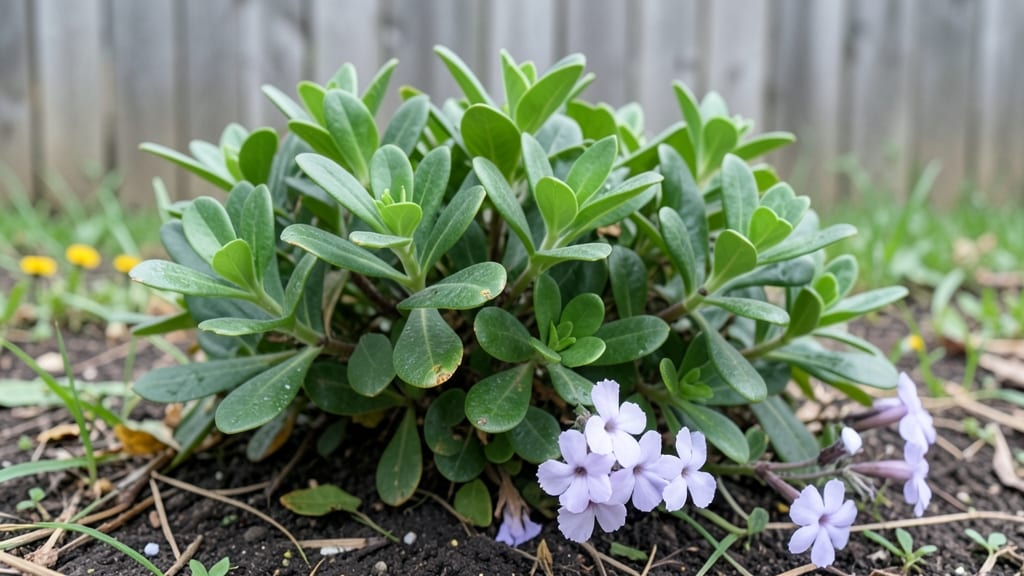
Madagascar periwinkle flowers bring year-round color to gardens with their cheerful blooms, and I’ve learned the simple tricks to keep them thriving—whether in sunny borders or shady corners. 🌿 The secret lies in mimicking their tropical roots: well-draining soil, bright light (but not scorching afternoon sun), and consistent moisture without soggy roots.
My 'Pacifica' variety still blooms in winter, proving this isn’t just a summer flash in the pan.
Start with healthy plants or seeds—both work, but cuttings from established plants root faster and inherit the parent’s vibrant colors. For soil, mix in sand or perlite to prevent rot, and fertilize lightly every 4-6 weeks with a balanced formula.
Overwatering is the #1 killer, so let the top inch dry between drinks. Prune leggy stems in spring to encourage bushier growth and more flowers.
You’ll end up with a lush, low-maintenance carpet of blooms in pink, white, or lavender, depending on your variety. The 'Albus' type stays compact, while 'Pacifica' sprawls beautifully in hanging baskets.
Even in cooler climates, these tough plants bounce back after light frosts—just give them a cozy spot near the house if temperatures dip below 20°F.
Works as a border, container filler, or even a living mulch—just avoid heavy foot traffic. The key is patience: full color takes 6-8 weeks from seed, but once established, they’re nearly indestructible. Let’s get yours growing!
📚 In This Guide
- What you need
- Instructions
- Tips and common mistakes
- Wrapping up and next steps
What you need
- ● Madagascar periwinkle plants: 3–5 nursery-grown plants (6-inch pots) or seeds (if starting from scratch). Choose healthy, disease-free specimens with bright green foliage.
- ● Well-draining potting mix: 1–2 bags (18–20 quarts each) of a blend designed for tropical plants (e.g., 60% peat moss, 30% perlite, 10% compost).
- ● Containers or garden beds: For containers: 5–6 gallon pots with drainage holes (one per plant).
- ● For ground cover: A sunny to partially shaded area (6+ hours of light daily) with loose, fertile soil.
- ● Slow-release fertilizer: 1 lb of 10-10-10 or 14-14-14 granular fertilizer (or organic alternatives like fish emulsion).
- ● Mulch: 1–2 bags of pine bark or shredded leaves (for moisture retention and weed suppression).
- ● Garden trowel or hand shovel (for planting).
- ● Pruning shears (for trimming and shaping).
- ● Watering can or hose with a gentle spray nozzle (periwinkle dislikes soggy roots!).
- ○ pH test kit (optional but helpful—ideal soil pH: 6.0–7.0).
- ● Gloves (to protect hands from soil and sap).
- ○ Stakes or plant markers (optional, for labeling varieties like Catharanthus roseus ‘Pacifica’ or ‘Little Bright Eye’).
- ● 🌡️ Climate note: Periwinkle thrives in USDA zones 10–11. In cooler zones, grow it as an annual or overwinter indoors.
- ● ✨ Color boost: Pinch back flowers to encourage bushier growth and more blooms!
- ● 🔥 Pest watch: Keep an eye out for aphids or spider mites—neem oil spray helps if needed.
Step-by-Step guide to planting and maintaining Madagascar periwinkle ground cover
This resilient, colorful spreader thrives in heat and humidity—here’s how to establish it as a lush, low-maintenance carpet.
🌱 Step 1: Prepare the Planting Site for Optimal Growth
Madagascar periwinkle flourishes in well-draining soil with a slightly acidic to neutral pH (6.0-7.0). Clear the area of weeds and rocks, then loosen the top 6 inches of soil with a garden fork. Mix in 2 inches of compost to improve fertility and drainage—this prevents root rot, which is its biggest threat.
Choose a location with partial shade to full sun, depending on your climate. In hotter regions, morning sun with afternoon shade preserves vibrant blooms. Test your soil’s moisture retention by squeezing a handful—it should crumble easily but not fall apart. If it feels too dense, amend with sand or perlite to mimic its native tropical conditions.
🪴 Step 2: Plant Cuttings or Transplants at the Right Spacing
For cuttings, take 4-6 inch stems from healthy plants, strip the lower leaves, and dip in rooting hormone. Plant them 3-4 inches apart in the prepared soil, pressing lightly to secure but not compact. For transplants, dig holes twice as wide as the root ball and place plants at the same depth they were in their containers.
Water deeply immediately after planting to settle the soil and eliminate air pockets around roots. Periwinkle spreads aggressively, so mulch with 2 inches of shredded bark to suppress weeds and retain moisture. Avoid heavy mulch—it can smother tender new growth. In 4-6 weeks, you’ll see new shoots filling gaps between plants.
☀️ Step 3: Water and Fertilize for Year-Round Blooms
Keep soil evenly moist but never soggy—water when the top 1 inch feels dry. Overwatering causes yellowing leaves, while underwatering leads to sparse blooms. In hot climates, water early morning or late evening to reduce evaporation. Once established, periwinkle tolerates drought-like conditions, but consistent moisture keeps flowers abundant.
Fertilize lightly in spring and early summer with a balanced, slow-release fertilizer (10-10-10). Apply ½ the recommended dose to avoid burning roots. Here’s the trick: Less is more—periwinkle thrives on neglect but rewards careful feeding with prolonged flowering. Stop fertilizing in fall to encourage winter dormancy in cooler zones.
✂️ Step 4: Prune and Manage Growth for a Neat Appearance
Pinch back tips of new growth in early spring to encourage bushier, denser foliage. Trim back leggy stems after flowering to maintain shape and prevent bare patches. Use clean, sharp shears to avoid tearing leaves. If periwinkle spreads beyond your desired area, edge with a spade in late winter before new growth begins.
Deadhead spent blooms only if you want to encourage more flowers—periwinkle often reblooms naturally. In USDA Zones 9-11, it grows as a perennial; in cooler zones, treat it as an annual or overwinter indoors. Real talk: This plant is forgiving, but pruning regularly keeps it looking intentional rather than wild.
Tips & tricks for perfect Madagascar periwinkle ground cover
Your tropical carpet won't just survive—it'll thrive—with these pro strategies for vibrant, low-maintenance growth.
Soil Preparation Secret: When amending your soil with the 2 inches of compost in Step 1, mix in a handful of perlite or coarse sand for every 5-gallon bucket of soil. This creates the perfect airy texture that mimics Madagascar periwinkle's native habitat, preventing that dreaded root rot while ensuring optimal drainage. Think of it as giving your plants' roots a breath of fresh air—literally.
Planting Spacing Insight: The 3-4 inch spacing in Step 2 might seem generous, but trust me—it's intentional. Periwinkle spreads aggressively through runners, and cramming plants too close leads to competition for nutrients and air circulation issues. After 4-6 weeks, you'll see those new shoots filling gaps naturally, creating that lush carpet effect without you lifting a finger. This is where patience pays off.
Watering Wisdom: The "evenly moist but never soggy" guideline in Step 3 is your golden rule, but here's the visual cue: If you push your finger 1 inch into the soil and it comes out clean (not damp), it's time to water. In hot climates, I've found that watering at the soil level rather than overhead prevents fungal issues that can turn those pretty blooms yellow. A simple watering wand works wonders for this delicate task.
Fertilizer Strategy: That ½ dose of 10-10-10 fertilizer in spring and summer is about balance—too much nitrogen creates leafy growth at the expense of those vibrant blooms we all love. Here's my trick: Mix the fertilizer with your mulch before applying. This slow-release method means your periwinkle gets a steady diet without the risk of root burn. And remember, fall fertilization is a hard stop—this plant knows when to rest.
Pro Tips for Madagascar Periwinkle Flowers
- Your tropical carpet won't just survive—it'll thrive—with these pro strategies for vibrant, low-maintenance growth.
- Soil Preparation Secret: When amending your soil with the 2 inches of compost in Step 1, mix in a handful of perlite or coarse sand for every 5-gallon bucket of soil.
- Planting Spacing Insight: The 3-4 inch spacing in Step 2 might seem generous, but trust me—it's intentional.
Frequently asked questions
How fast does Madagascar periwinkle spread?
This hardy plant spreads moderately fast—about 6 to 12 inches per year under ideal conditions. With its trailing habit, it quickly fills gaps in gardens, making it perfect for slopes or erosion control. Tip: Prune occasionally to manage its spread if needed!
When is the best time to plant Madagascar periwinkle?
The ideal planting window is early spring or fall when temperatures are mild (50–75°F). Avoid extreme heat or frost, as young plants are sensitive. Pro tip: Water deeply after planting to help roots establish—it’ll reward you with year-round blooms!
Can Madagascar periwinkle survive winter?
Yes! This plant is highly cold-tolerant (USDA Zones 7–11) and thrives in winter. In colder climates, it may go dormant but rebounds in spring. Bonus: Its evergreen foliage adds winter interest to gardens.
What’s a good alternative if I can’t grow Madagascar periwinkle?
If your climate is too harsh, try creeping phlox (Zone 3–9) or ajuga (Zone 4–9) for similar ground-cover benefits. Both offer colorful blooms and low-maintenance traits—just check their specific light/sun needs!
Are there common pests or diseases to watch for?
Madagascar periwinkle is pest-resistant, but aphids or snails may occasionally appear. Treat with neem oil or manual removal. Overwatering can cause root rot, so ensure well-draining soil. Quick fix: Space plants 12–18 inches apart for airflow!
Wrapping up and next steps
The Madagascar periwinkle is a stunning, low-maintenance ground cover that brings vibrant color and texture to any garden year-round. Whether you're drawn to its delicate blooms, drought tolerance, or ease of care, this tropical beauty is a game-changer for sunny landscapes.
Ready to transform your outdoor space? Start by selecting your perfect spot, gathering supplies, and planting with confidence—your garden will thank you! 🌸