
Flowers
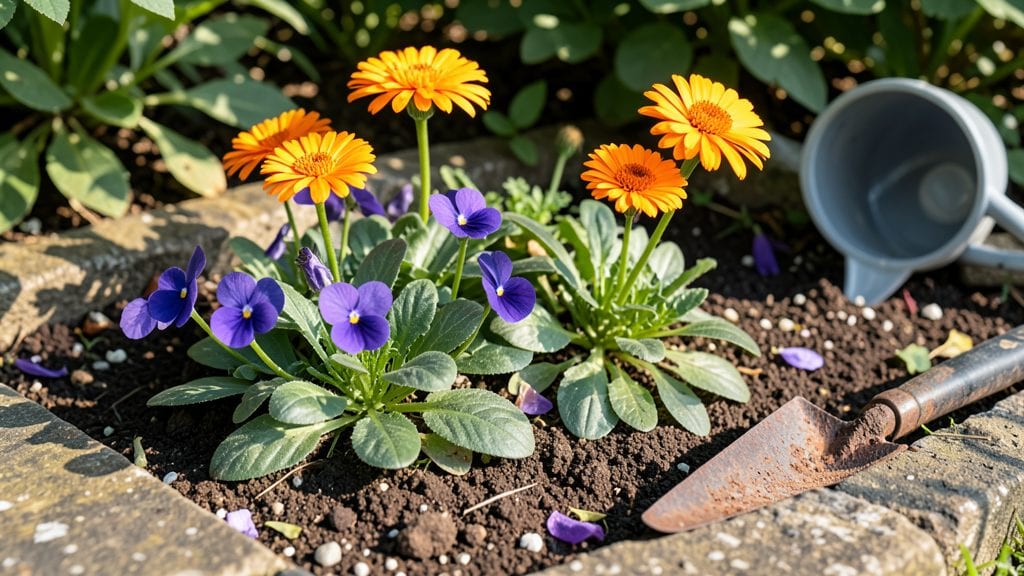
Good little garden flowers like pansies and sweet alyssum turn boring spaces into cheerful, low-maintenance displays year after year. I’ve filled my own small courtyard with these hardy bloomers, and they’ve never failed to deliver—even through winter’s chill.
The secret? Choosing varieties that thrive in your climate while demanding almost no fuss.
These tiny powerhouses come in every color imaginable, so you can mix and match for bold borders or soft, cottage-style charm. Most need just 6 hours of sun and occasional watering—perfect for busy gardeners or those with limited space.
My favorite combos? Purple pansies with white alyssum for contrast, or orange marigolds paired with blue lobelia for a pop of color.
By spring, you’ll have a garden that looks like it took hours to plan—but actually took zero. The flowers self-seed, bounce back from foot traffic, and attract pollinators without any extra work. Even my black thumb can’t kill these. Let’s pick the perfect mix for your space!
Works in containers, window boxes, or along walkways—no green thumb required. These flowers prove that small gardens can pack a big punch with minimal effort.
📚 In This Guide
- What you need
- Instructions
- Tips and common mistakes
- Wrapping up and next steps
What you need
- ● Flowers: Choose from these easy-care, colorful picks (select 3–5 varieties for diversity): 1–2 Pansies (perennial in mild climates, annual elsewhere)
- ● 1–2 Violas (self-seeding, cold-hardy)
- ● 3–5 Sweet Alyssum (trailing, honey-scented)
- ● 1–2 Calendula (edible, pest-repellent)
- ● 1–2 Nasturtiums (edible, fast-growing)
- ● 1–2 Dianthus (fragrant, drought-tolerant)
- ● Soil: 5 lbs well-draining potting mix (or garden soil amended with compost)
- ○ Optional: 1 lb perlite or vermiculite (for aeration)
- ● Containers or Garden Beds: Containers: 3–5 6–10" pots (with drainage holes) or
- ● Garden beds: 1–2 sq ft of prepared soil (raised beds work great!)
- ● Fertilizer: 1 balanced liquid fertilizer (10-10-10 or 5-5-5)
- ○ Optional: 1 slow-release granular fertilizer (for long-term feeding)
- ● 1 hand trowel (for planting)
- ● 1 pair of gardening gloves (to protect your hands!)
- ● 1 watering can or hose with a gentle spray nozzle
- ● 1 pruners or small scissors (for deadheading)
- ○ Optional: 1 mulch (straw or shredded bark to retain moisture)
- ● 1 garden kneeler (for comfort)
- ● 1 pH testing kit (to check soil acidity, ideal: 6.0–7.0)
- ● ✅ Sunlight: 4–6 hours of direct sun (most flowers) or partial shade (for delicate varieties like pansies).
- ● ✅ Water: Access to a water source (flowers need 1 inch of water per week, more in heat).
- ● ✅ Climate Considerations: For year-round blooms, choose flowers suited to your USDA Hardiness Zone (check a zone map!).
- ● In hot climates, opt for shade-tolerant varieties like impatiens or begonias.
- ● ✅ Patience: Some flowers (like nasturtiums) sprout in 7–10 days, while others take 2–3 weeks!
Step-by-Step guide to planting and maintaining low-maintenance garden flowers
Here's the straightforward approach I use to keep vibrant blooms going all year with almost no fuss.
🌱 Step 1: Select and Prepare Your Planting Sites
Choose a location that gets at least 6 hours of sunlight daily for most annuals, though some shade-tolerant varieties like impatiens or lobelia will thrive with just 4 hours. I always test the soil first by pressing a finger 1 inch deep—if it feels dry, your site needs better drainage or more frequent watering.
For perennial flowers like coneflowers or black-eyed Susans, pick spots with well-draining soil and full sun exposure. These tough plants reward patience with years of color. Clear away weeds and loosen the top 6 inches of soil with a garden fork to improve root penetration. I like to add a 2-inch layer of compost here to boost nutrients without overwhelming the plants.
💧 Step 2: Plant with Proper Spacing and Watering
Follow the spacing guidelines on your plant tags—crowding leads to weak stems and poor airflow, which invites disease. For example, marigolds need 12 inches apart, while pansies can sit 6-8 inches apart. Dig holes just deep enough to cover the root ball completely, then water each plant deeply before backfilling with soil.
After planting, water again to settle the soil and remove any air pockets around the roots. You'll know you've done it right when the soil surface looks slightly compacted but not muddy. For the first 2 weeks, keep the soil consistently moist by watering every 2-3 days—this helps roots establish without stress.
☀️ Step 3: Maintain with Minimal Effort
Once established, most of these flowers need only 1 inch of water per week, either from rain or your hose. I check soil moisture by lifting a plant gently—if it feels light, it's time to water. Deadhead spent blooms regularly to encourage new flowers, especially with annuals like zinnias or petunias. Simply pinch off the faded blossoms with your fingers or snip them just above a set of leaves.
Fertilize lightly once a month during the growing season with a balanced, slow-release fertilizer (like 10-10-10). Over-fertilizing leads to lush foliage but fewer flowers—what we want is steady blooms, not leafy monsters. I skip fertilizer entirely in late summer to let plants prepare for dormancy if they're perennials.
✂️ Step 4: Seasonal Care for Year-Round Color
In fall, cut back perennial flowers to 2-3 inches above the ground after they've finished blooming. This prevents disease and makes them easier to mulch. Add a 3-inch layer of mulch (like shredded bark) to protect roots from freezing temperatures and retain moisture. For tender annuals, either dig them up and pot them indoors for winter or let them die back naturally.
In early spring, remove old mulch and replace it with fresh. Check for any winter damage—if stems look mushy or black, trim them back to healthy tissue. Water sparingly until new growth appears, usually within 2-3 weeks. This is when you'll see the magic happen: fresh green shoots pushing through the soil, ready for another season of color.
Tips & tricks for perfect low-maintenance garden flowers
With these simple strategies, you'll transform your garden into a vibrant, carefree display that thrives with minimal effort.
Soil Preparation Secret: Before planting, mix a handful of sand into your native soil if it feels heavy or compacted. This improves drainage dramatically for perennial flowers like coneflowers, which hate soggy roots. I test drainage by filling a container with your soil and adding water—if it drains within 10 minutes, you're good to go. For annuals needing 6 hours of sun, amending with compost creates the perfect balance of nutrients without overwhelming delicate root systems.
Planting Precision: When following those spacing guidelines in Step 2, use a small stake or marker to outline each planting spot before digging. This prevents overcrowding and makes it easy to visualize the mature plant size. For example, marigolds' 12-inch spacing might feel excessive now, but their mature foliage will fill that space beautifully. I also recommend planting in slight mounds—this improves drainage and prevents water pooling around stems.
Watering Wisdom: The key to that consistent moisture during the first 2 weeks isn't just frequency—it's technique. Water deeply at the base of each plant rather than overhead, which encourages strong root development. I use a soaker hose for this phase, delivering water slowly to prevent runoff. For established plants needing just 1 inch per week, consider using a rain gauge to track rainfall—this helps you avoid overwatering during wet spells.
Seasonal Transition Strategy: When preparing perennials for winter in Step 4, don't rush the fall cleanup. Wait until the first hard frost has blackened the foliage completely—this ensures all nutrients have returned to the roots. For annuals you're bringing indoors, give them a final flush of water before potting, then trim back stems by half to reduce transplant shock. This two-week adjustment period in early spring is your best chance to catch any winter damage before it spreads.
Pro Tips for Good Little Garden Flowers
- With these simple strategies, you'll transform your garden into a vibrant, carefree display that thrives with minimal effort.
- Soil Preparation Secret: Before planting, mix a handful of sand into your native soil if it feels heavy or compacted.
- Planting Precision: When following those spacing guidelines in Step 2, use a small stake or marker to outline each planting spot before digging.
Frequently asked questions
Got questions about keeping your garden blooming with minimal fuss? Here are some of the most common ones—and their easy answers!
What are the easiest flowers for beginners?
Start with pansies, snapdragons, or marigolds—they thrive in partial shade, handle light frost, and bloom for months. For sun-loving spots, petunias, zinnias, or cosmos are forgiving and fast-growing. Pro tip: Look for labels marked "self-cleaning" or "disease-resistant" to skip the guesswork!
How often should I water these flowers?
Most "good little garden flowers" prefer 1 inch of water per week, either from rain or you. Water deeply but infrequently (e.g., twice a week) to encourage strong roots. Morning watering is best—it reduces evaporation and fungal risks. Drought-tolerant picks like lavender or sedum need even less!
Can I grow these in containers or just in-ground?
Many low-maintenance flowers thrive in pots, including geraniums, nasturtiums, and calibrachoa. Use containers with drainage holes and a lightweight potting mix. For in-ground, amend soil with compost to improve drainage—especially for shade lovers like impatiens or ferns.
What’s the best way to keep pests away naturally?
Prevent pests with neem oil spray or companion planting (e.g., marigolds repel aphids). Handpick chewed leaves or squash bugs early. For slugs, set out beer traps or crushed eggshells. Healthy soil = happy plants! Overwatering attracts pests, so let soil dry slightly between waterings.
Do these flowers survive winter, or should I replant every year?
Some are perennials (like coneflowers, black-eyed Susans) and return yearly, while others (e.g., annuals like petunias) need replanting. Mulch tender perennials in fall to protect roots. For annuals, save seeds or cuttings from healthy plants to propagate next season!
Bonus Tip:
Still unsure? Start with a "no-fail" combo: pansies + sweet alyssum for shade or zinnias + marigolds for sun. These pairs self-support each other’s growth and deter pests. Happy planting!
Wrapping up and next steps
Transforming your garden into a vibrant, low-maintenance paradise is easier than you think! These good little garden flowers—like snapdragons, pansies, and sweet alyssum—bring year-round color with minimal fuss. Whether you’re a seasoned gardener or just starting, their resilience and beauty make them the perfect choice for effortless charm.
Ready to dive in? Start small! Pick one or two varieties, gather your supplies, and let nature do the rest. Before you know it, your garden will be a blooming masterpiece—without the stress. Happy planting! 🌸