
Flowers
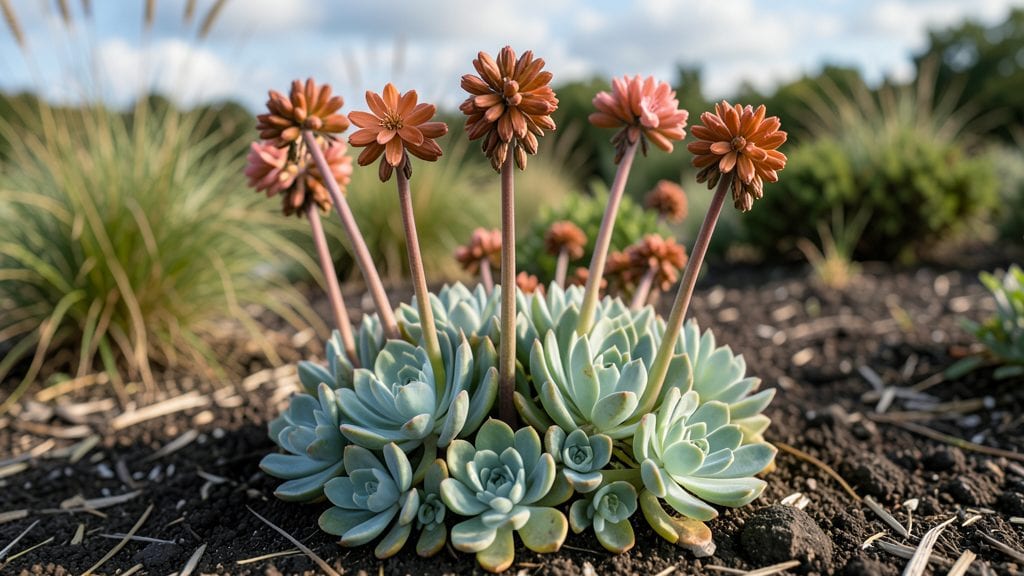
Fall flowering perennials turn your garden into a late-season masterpiece with almost no extra work from you. 🌻 I used to think fall gardens were just about mums and pumpkins—until I discovered how easy it is to extend the bloom season with the right plants.
The secret lies in selecting perennials that thrive in cooler weather while needing minimal pruning after their big show.
These plants handle themselves better than most annuals, asking only for well-draining soil and 4-6 hours of sunlight daily. My favorite trio—asters, sedum, and chrysanthemums—bring bold colors from September through frost with almost no fuss.
They even bounce back better after winter, giving you two seasons of impact for one planting.
You'll end up with a garden that stays vibrant when others fade, requiring just one spring cleanup instead of constant deadheading. The fragrance of late-blooming asters and the velvety texture of sedum create a sensory experience that lasts until the first hard freeze. Let's get your fall garden planning started!
Works beautifully in borders, containers, or as cut flowers—no matter your space or climate zone. The key is choosing varieties that match your light conditions and soil type. Here's how to make them shine with minimal effort!
📚 In This Guide
- What you need
- Instructions
- Tips and common mistakes
- Wrapping up and next steps
What you need
- ● Fall-flowering perennials: 3–5 plants per variety (e.g., Asters, Sedum, Chrysanthemums, Goldenrod, or Russian Sage). Choose disease-resistant varieties for low-maintenance care.
- ● Well-draining soil: Amend with 2–3 inches of compost or aged manure to improve fertility and drainage.
- ● Organic mulch: 2–3 inches of shredded bark, straw, or pine needles to retain moisture and suppress weeds.
- ● Watering can or hose with a gentle nozzle: Aim for 1–1.5 inches of water per week (adjust for rain).
- ● Hand pruners or shears: Bypass pruners (sharp and clean) for trimming dead foliage or spent blooms.
- ● Gloves: Heavy-duty gardening gloves to protect hands from thorns (e.g., Roses) or prickly stems.
- ○ Fertilizer (optional): Slow-release balanced fertilizer (10-10-10) or organic options like fish emulsion applied in early fall.
- ● Sunlight assessment: Most fall perennials thrive in full sun (6+ hours/day), but some (like Heuchera) tolerate partial shade.
- ● Spacing guidelines: Follow plant tags for spacing (typically 12–24 inches apart for perennials). Crowding reduces airflow and increases disease risk.
- ● Local climate knowledge: Check your USDA Hardiness Zone to select perennials that survive winter in your area.
- ● Patience: Some perennials (like Sedum) may take 1–2 years to reach full bloom—plan ahead!
How to plant and maintain fall-blooming perennials for season-long color
Fall's best blooms thrive with the right prep—here's how to set them up for effortless beauty.
🌱 Step 1: Choose the Right Species for Your Climate Zone
Select plants that naturally bloom in fall, like black-eyed Susan, sedum, or Russian sage, which thrive in zones 3-9. Check your USDA zone and plant varieties that match your last frost date—most fall bloomers need 6-8 weeks of warm weather to establish before cooler temps arrive. I always verify bloom times on seed packets since some varieties extend into early winter.
For cooler regions, opt for mums or asterns, which handle light frosts. In warmer zones, salvias and verbenas shine until first frost. The key is matching your microclimate—sheltered spots bloom longer than exposed areas. Here's the thing: fall perennials often rebloom next season if given proper care now.
🪴 Step 2: Prepare Beds with Well-Draining Soil
Work 2-3 inches of compost into the top 6 inches of existing soil to improve drainage and fertility. Fall plants hate soggy roots, so amend heavy clay with sand or perlite if needed. I test soil moisture by squeezing a handful—if it stays clumped, add more organic matter. Aim for soil that crumbles easily when dry.
Rake the area smooth and remove all weeds or debris. Fall bloomers compete poorly with invasive grasses. For containers, use pre-mixed potting soil with added perlite. The right soil mix makes all the difference in how long your plants flower—poor drainage cuts bloom time in half.
☀️ Step 3: Plant at Correct Depth and Spacing
Dig holes twice as wide as the root ball but only as deep as the plant's soil line. Press roots gently to remove air pockets before backfilling. Space perennials 18-24 inches apart—crowding reduces airflow and invites fungal diseases. I always water deeply after planting to settle the soil around roots.
For containers, use one plant per 1-gallon pot minimum. Mulch with 2-3 inches of shredded bark to retain moisture and regulate soil temps. This step prevents winter heaving, which can uproot shallow-rooted fall bloomers when temps fluctuate.
💧 Step 4: Water Deeply but Less Frequently
Water once weekly (more in extreme heat) until plants establish 4-6 weeks after planting. Soak until water runs 6 inches deep—check by inserting a screwdriver. Drip irrigation or soaker hoses work best to avoid wetting foliage, which spreads disease. I water in early morning so leaves dry by afternoon.
After establishment, reduce to every 10-14 days unless drought occurs. Fall perennials store water in their roots—overwatering now leads to weak stems that flop in winter. Watch for yellowing leaves, which signal either overwatering or poor drainage.
✂️ Step 5: Deadhead and Protect Through First Frost
Remove spent blooms weekly to encourage new flowers and prevent self-seeding. Cut back one-third of stems after first frost to promote spring regrowth. I use clean pruners and sterilize them with rubbing alcohol between cuts to prevent disease spread.
For tender perennials like salvias, cover with frost cloth when temps drop below 28°F. Most hardy fall bloomers handle light frosts, but young plants need protection. This simple step extends your display into early winter—something I've learned saves hours of replanting come spring.
Tips & tricks for perfect fall flowering perennials
Here's what nobody tells you about extending your fall blooms beyond the basic instructions.
Microclimate Mastery: The instructions mention sheltered spots bloom longer, but I've found even better results by planting near south-facing walls or fences. These areas absorb heat during the day and release it slowly at night, creating a warmer microclimate that delays frost damage. For containers, group them together to create their own protected zone—this works especially well with sedum and Russian sage.
Soil Test Secret: Before amending your soil with the 2-3 inches of compost mentioned in Step 2, do a simple pH test. Fall perennials like black-eyed Susan thrive in slightly acidic soil (pH 6.0-6.5), while mums prefer neutral (pH 6.5-7.0). Adjust with lime to raise pH or sulfur to lower it if needed. I learned this the hard way when my asterns refused to bloom—turns out my soil was too alkaline.
Watering Wisdom: The instructions recommend watering until water runs 6 inches deep, but I've found a better method for containers: let the top inch of soil dry between waterings. This prevents overwatering while ensuring roots get enough moisture. For in-ground plants, use the "screwdriver test" mentioned, but also check the soil an inch below the surface—this gives you a better sense of actual moisture levels than just surface dryness.
Frost Protection Hack: While the instructions suggest frost cloth for temps below 28°F, I've had great success with simple plastic milk jugs. Cut the bottom off a gallon jug, slip it over tender perennials like salvias, and secure with a rubber band. This creates a mini greenhouse effect that can raise temperatures by 5-10°F—perfect for borderline hardy plants. Just remember to remove it during the day to prevent overheating.
Pro Tips for Fall Flowering Perennials
- Here's what nobody tells you about extending your fall blooms beyond the basic instructions.
- Microclimate Mastery: The instructions mention sheltered spots bloom longer, but I've found even better results by planting near south-facing walls or fences.
- Soil Test Secret: Before amending your soil with the 2-3 inches of compost mentioned in Step 2, do a simple pH test.
Frequently asked questions
Got questions about fall flowering perennials?
You’re not alone! Here are some of the most common queries—and their answers—to help you plan with confidence.
What are the easiest fall perennials for beginners?
Start with hardy, low-maintenance picks like sedum (stonecrop), heuchera (coral bells), or Russian sage. These thrive in fall colors, tolerate neglect, and often return year after year with minimal fuss. Bonus: They’re drought-resistant once established!
When should I plant fall perennials for best results?
For most regions, aim to plant 6–8 weeks before your first frost (typically late summer to early fall). This gives roots time to establish before winter. Check your USDA zone—cool climates (Zones 3–5) can plant earlier, while warm zones (6+) may extend planting into October.
Do fall perennials survive winter, or should I cut them back?
Most perennials do survive winter! Leave seed heads and foliage intact for winter interest (and wildlife). Prune back early spring (just before new growth) to tidy up. Exceptions: Tender perennials (like salvia) may need winter mulch in cold zones.
What if my fall flowers don’t bloom as expected?
Check these fixes:
- Deadhead spent blooms (but leave some seed heads for texture).
- Ensure 6+ hours of sunlight—shady spots may delay blooms.
- Test soil pH (most prefer 6.0–7.0).
- Fertilize lightly in early fall with a balanced 10-10-10.
How can I mix fall perennials with other plants for year-round color?
Pair bold fall bloomers (like black-eyed Susan or asters) with evergreens (e.g., boxwood) or winter interest plants (e.g., ornamental grasses). For containers, combine sedum with heuchera and fuchsia for a cascading, seasonal show!
Still stumped? Drop your question in the comments—we’re happy to help you troubleshoot!
Wrapping up and next steps
Fall flowering perennials are a gardener’s secret weapon—offering vibrant color, low-maintenance beauty, and extended seasons of joy with minimal effort. Whether you’re drawn to bold blooms like Black-Eyed Susans or delicate charmers such as Asters, these plants prove that fall gardens can be just as stunning as spring.
Ready to transform your outdoor space? Start small—pick one or two perennials that thrive in your climate, and watch your garden flourish with seasonal magic!