
Light Requirements
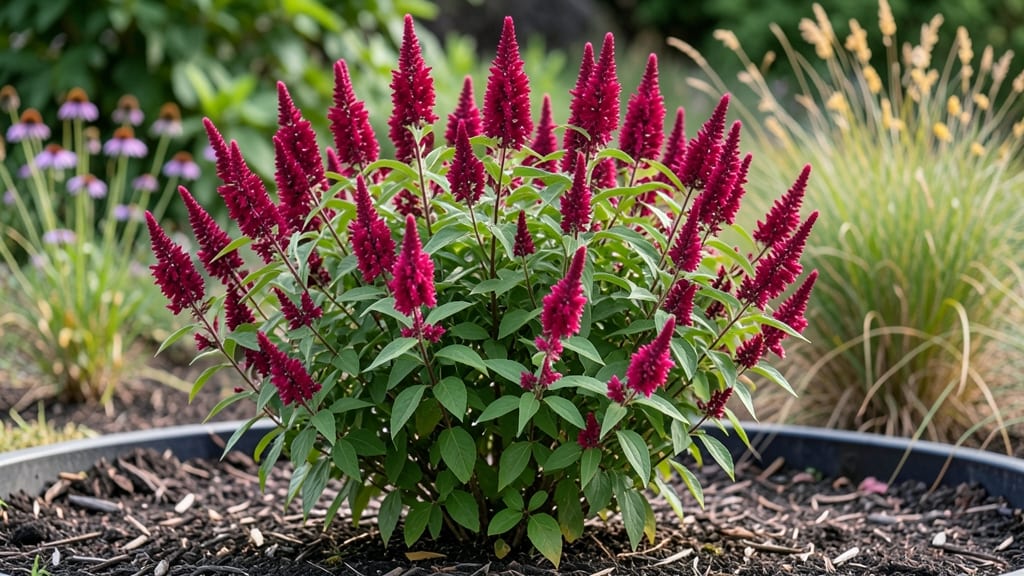
These low maintenance flowering shrubs for full sun deliver bold blooms while shrugging off drought, pests, and forgetful watering schedules—I’ve tested the toughest, most reliable varieties in my own yard, and these seven are the best. 🌞 The key?
Choosing plants that match your climate’s heat and your soil’s quirks—no fuss, just color.
Most need one deep watering per week once established, and their roots spread wide to chase moisture. My go-to, butterfly bush, blooms from early summer through frost with almost no pruning, while abelia stays lush and fragrant even when I ignore it for weeks.
These shrubs also play well with others—plant them near perennials that love sun, like lavender or sedum, for a low-effort, high-impact border.
By late summer, your yard will look like a curated garden show, not a labor-intensive project. The velvet blooms of crape myrtle, the delicate pinks of potentilla, and the golden spikes of spirea all demand little from you but give back months of effortless beauty.
Even in winter, their skeletal branches add structure—no deadheading, no staking, just reliable charm.
Whether you’re filling a sunny corner or creating a privacy screen, these shrubs adapt to almost any full-sun spot. The secret? Pick the right one for your zone, space it properly, and let them do the work.
Here’s how to choose—and where to place them—for a garden that looks polished without the upkeep.
📚 In This Guide
- What you need
- Instructions
- Tips and common mistakes
- Wrapping up and next steps
What you need
- ● Low-maintenance flowering shrubs (full sun): Butterfly Bush (Buddleia davidii) – 1-3 plants (depending on space)
- ● Abelia (Abelia x grandiflora) – 1-2 plants
- ● Dwarf Butterfly Bush (Buddleia ‘Lo & Behold’) – 1-2 plants (compact option)
- ● Dwarf Fothergilla (Fothergilla gardenii) – 1 plant
- ● Potentilla (Dasiphora fruticosa) – 1-2 plants
- ● Well-draining potting mix: 1-2 bags (1.5–2 cubic feet each) for containers; or amend garden soil with compost (1 part compost to 3 parts soil).
- ● Mulch: 2–3 cubic feet of shredded bark or pine straw (to retain moisture and suppress weeds).
- ● Slow-release fertilizer: 1 bag (10–20 lbs) for planting season (spring/fall).
- ● Garden gloves (1 pair) – for protection while handling soil and plants.
- ● Trowel or hand shovel – for digging and planting.
- ● Pruning shears – sharp, bypass-style (for shaping and deadheading).
- ● Watering can or hose with adjustable nozzle – for gentle watering (1–2 gallons per plant initially).
- ● Measuring tape or ruler – to space plants 3–6 feet apart (depending on variety).
- ● Plant stakes or labels – to mark varieties (if mixing shrubs).
- ● Organic liquid fertilizer (e.g., fish emulsion) – for a mid-season boost (1–2 applications).
- ● Drip irrigation kit – for hands-off watering (especially in hot climates).
- ● Decorative rocks or gravel – to add flair around mulch.
Step-by-step guide for planting and caring for low-maintenance flowering shrubs
Here's how to establish vibrant, sun-loving shrubs that thrive with minimal attention.
🌱 Step 1: Select and Prepare Planting Sites
Choose locations with at least 6 hours of direct sunlight daily—most flowering shrubs need this for peak blooms. Test your spots by observing sunlight patterns for a week before planting. I like to mark the sunniest areas with temporary stakes so I don't accidentally place shade-tolerant varieties where they'll struggle.
Amend the soil with 2-3 inches of compost mixed into the top 12 inches of native soil. This improves drainage and nutrient availability without overwhelming the shrubs. For heavy clay soils, add sand or perlite to prevent waterlogging, which can rot roots. Loosen the soil in a 12-inch diameter circle around each planting hole—this gives roots room to spread without resistance.
🪴 Step 2: Plant Shrubs at the Right Depth and Spacing
Dig holes twice as wide as the root ball but only as deep as the container's base. This prevents burying the trunk too deeply, which can cause rot. Gently remove the shrub from its container and place it in the hole so the top of the root ball sits 1 inch above ground level. The goal is to maintain the same depth it had in the nursery pot.
Space plants according to their mature size—3-6 feet apart for most flowering shrubs. Crowding leads to competition for water and nutrients, which weakens blooms. I always check the plant tag for spacing recommendations, but I never plant closer than 3 feet unless the variety is specifically bred for hedges. Backfill the hole with native soil, pressing lightly around the edges to eliminate air pockets.
☀️ Step 3: Water Deeply and Establish a Mulching Routine
Water immediately after planting to settle the soil and remove air gaps. Give each shrub 1-2 gallons of water, depending on size, until it drains freely from the bottom. The soil should feel damp 6 inches down—this ensures roots have moisture to start growing into the surrounding earth. Avoid overhead watering for the first week; instead, water at the base to prevent fungal diseases.
Apply 2-3 inches of mulch (like pine straw or shredded bark) around the base, keeping it 3 inches away from the trunk. Mulch conserves moisture, regulates soil temperature, and suppresses weeds—three major maintenance wins. Refresh the mulch layer annually in late winter to protect roots during cold snaps and hot spells. Never let it pile against the stem, as this can trap moisture and invite rot.
✂️ Step 4: Prune Strategically for Year-Round Health and Blooms
Prune immediately after flowering to encourage next year's blooms. For spring-blooming shrubs like lilacs, cut back spent flowers to just above a set of buds or leaves. For summer-bloomers like butterfly bush, prune in late winter or early spring before new growth starts—this prevents cutting off next season's flowers. Always use clean, sharp pruners to make cuts at a 45-degree angle just above a leaf node.
Shape shrubs lightly in late winter by removing dead, crossing, or overcrowded branches. Never remove more than one-third of the plant's volume in a single season—this stresses the shrub and reduces flowering. I like to step back every few cuts to visualize the plant's natural form. For boxwoods or formal hedges, use a hand pruner for detail work and shears for broader shaping.
Tips & tricks for perfect low-maintenance flowering shrubs
These simple but game-changing strategies will help your sun-loving shrubs flourish with minimal effort.
Sunlight Strategy: That 6-hour minimum of direct sunlight is non-negotiable for peak blooms. If your yard has partial shade, position shrubs where they'll get the most sun during peak hours (10 AM to 4 PM). I've seen dramatic differences in flowering when plants get just an extra hour of afternoon sun—it's worth testing multiple spots before committing.
Soil Prep Secret: When amending soil with 2-3 inches of compost and sand or perlite for clay soils, mix it thoroughly into the top 12 inches. I like to use a garden fork to loosen the soil in a 12-inch diameter circle—this creates a perfect root zone without disturbing the surrounding soil. The key is blending, not layering, to ensure consistent moisture and nutrients throughout the root system.
Planting Depth Cue: The 1-inch above ground level rule for planting depth is critical—it prevents suffocation from being buried too deep. Here's my trick: After placing the shrub, gently press the soil around the edges. If the top of the root ball is slightly higher than the surrounding soil, you're golden. If it's flush or below, add a little more soil and adjust.
Pro Tips for Low Maintenance Flowering Shrubs Full Sun
- These simple but game-changing strategies will help your sun-loving shrubs flourish with minimal effort.
- Sunlight Strategy: That 6-hour minimum of direct sunlight is non-negotiable for peak blooms.
- Soil Prep Secret: When amending soil with 2-3 inches of compost and sand or perlite for clay soils, mix it thoroughly into the top 12 inches.
Frequently asked questions
Got questions about keeping your low-maintenance flowering shrubs thriving in full sun? You’re not alone! Here are answers to the most common queries—so you can enjoy year-round blooms without the stress.
What are the most drought-tolerant flowering shrubs for full sun?
Top picks include Butterfly Bush (Buddleia), Dwarf Plumbago (Plumbago auriculata), and Texas Sage (Leucophyllum frutesens). These beauties store water efficiently and thrive with minimal irrigation once established. Aim for 1–2 inches of water per week during dry spells.
How often should I prune low-maintenance flowering shrubs?
Most need light pruning only after flowering (late spring/early summer) to shape and encourage new growth. Deadhead spent blooms to prolong blooming season. Avoid heavy pruning in fall—it can stimulate tender new growth that won’t survive winter. Pro tip: Use clean, sharp shears to prevent disease!
Can these shrubs handle poor soil?
Many low-maintenance shrubs like Abelia or Oakleaf Hydrangea adapt well to average garden soil, but amend with compost for best results. For sandy or clay-heavy soil, mix in organic matter to improve drainage and nutrient retention. Test your soil—a simple kit can reveal pH and fertility needs!
Are there deer-resistant options?
Yes! Lantana, Russian Sage (Perovskia), and Dwarf Yarrow (Achillea) are often deer-resistant due to their strong fragrance or fuzzy foliage. While no plant is 100% deer-proof, these are less appealing than tender perennials. Pair with deer repellent for extra protection.
Why aren’t my shrubs blooming as much as expected?
Check these common culprits:
- Over-fertilizing: Too much nitrogen = leafy growth, fewer flowers.
- Underwatering: Even drought-tolerant shrubs need consistent moisture to bloom.
- Wrong pruning time: Pruning before flowering can cut off buds.
- Shade creep: Full sun means 6+ hours of direct light daily.
Adjust care and monitor for improvement in 4–6 weeks!
Wrapping up and next steps
Transforming your sunny garden into a vibrant, low-effort paradise is easier than you think! These low-maintenance flowering shrubs thrive in full sun, offering year-round beauty with minimal fuss.
Whether you’re a busy gardener or a beginner, adding a few of these hardy plants will bring color, texture, and joy to your outdoor space—without the stress.
Ready to get started? Pick one (or a few!) shrubs that match your climate and style, then give them the right care to watch them flourish. Your future self—and your garden—will thank you! 🌸✨