
Shrubs
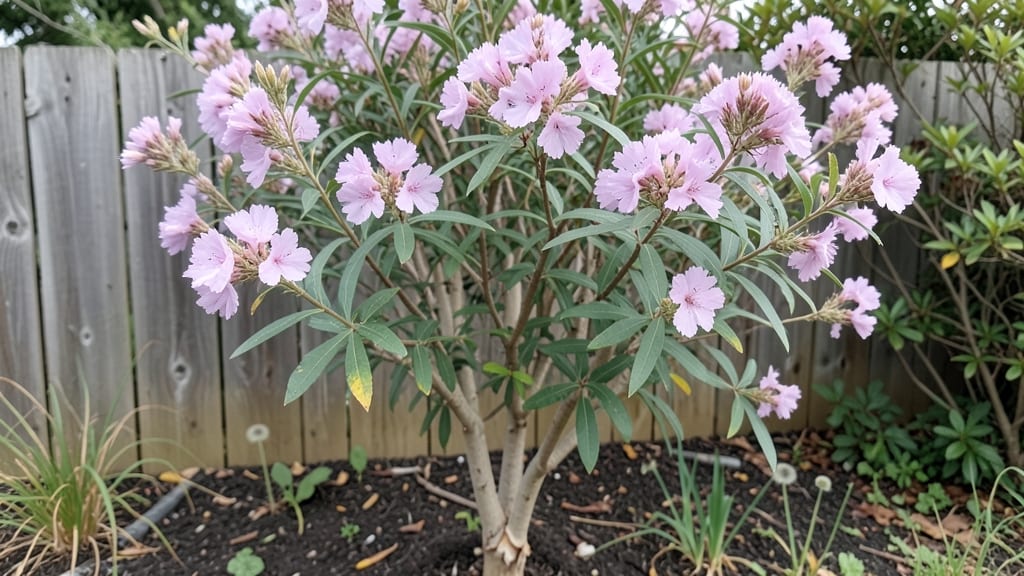
Planting a flowering crape myrtle in the Pacific Northwest means choosing the right frost-resistant variety—one that thrives despite our damp, cool summers and chilly winters. 🌱 I’ve grown these showstoppers for years, and the secret to their success lies in matching the right cultivar to your microclimate, whether it’s a sheltered urban yard or a windy coastal garden.
These shrubs aren’t fussy about soil as long as it drains well—amend heavy clay with compost, and avoid soggy spots where roots rot. Water deeply once established, but don’t drown them; consistent moisture keeps blooms vibrant without encouraging disease.
The first year is critical for root growth, so mulch heavily to protect roots from winter chill and summer heat.
Pruning might seem intimidating, but crape myrtles reward patience. Cut back old wood in late winter to encourage fresh growth, and shape lightly after flowering to keep them compact.
With the right care, you’ll get summer-long blooms in shades of pink, purple, and white—far more dramatic than any annual flower bed.
Even in our rainy climate, these shrubs handle pests better than most. Watch for aphids on new growth and spray with soapy water if needed, but otherwise, they’re low-maintenance stars. The key? Start with the right variety, and they’ll reward you with decades of effortless beauty.
📚 In This Guide
- What you need
- Instructions
- Tips and common mistakes
- Wrapping up and next steps
What you need
- ● Flowering crape myrtle plants: Choose cold-hardy cultivars like Lagerstroemia 'Natchez' or 'Muskogee' (zones 5-9). Buy 1-3 nursery-grown plants (3-5 gallons per container) for optimal growth.
- ● Well-draining soil: Mix 1 part native soil with 1 part compost and 1 part perlite or coarse sand (50 lbs of each per planting site).
- ● Mulch: 3-4 inches of wood chips or pine straw (cover the root zone, not the trunk).
- ● Slow-release fertilizer: 10-10-10 or 12-4-8 (apply 2-3 lbs per 100 sq ft in early spring).
- ● Watering system: Drip irrigation or soaker hose (essential for deep root hydration).
- ● Garden trowel or spade (for planting and soil prep).
- ● Pruning shears (sterilized, sharp blades for clean cuts).
- ● Wheelbarrow or bucket (for mixing soil amendments).
- ● Garden gloves (to protect hands from thorns and rough bark).
- ● Measuring tape (to space plants 8-15 feet apart, depending on cultivar).
- ● Epsom salt (1 tbsp per plant in early spring for magnesium boost).
- ● Frost cloth (for young plants in late fall/winter).
- ● Soil pH test kit (ideal range: 5.5-6.5; adjust with lime or sulfur if needed).
- ● Stakes & twine (for support if planting in windy areas).
Step-by-step instructions for planting and caring for Pacific Northwest crape myrtles
Here’s how to establish hardy crape myrtles that thrive in cooler climates.
🌱 Step 1: Choose the Right Location and Prepare the Soil
Crape myrtles need full sun—at least 6 hours daily—but in the Pacific Northwest, afternoon shade helps prevent leaf scorch. I always pick a spot with morning sun and afternoon dappled light. The soil should drain well; these trees hate soggy roots. If your yard has heavy clay, amend with 2-3 inches of compost mixed into the top 12 inches of soil.
Dig a hole twice as wide as the root ball but only as deep as the container’s base. Loosen the sides of the hole with a shovel to encourage root spread. Here’s the thing—crape myrtles are shallow-rooted, so avoid deep planting. The top of the root ball should sit 1-2 inches above ground level to prevent waterlogging.
🪴 Step 2: Plant with Proper Spacing and Mulch
Space your 4 crape myrtles 8-10 feet apart—they’ll grow 10-15 feet tall and wide over time. Place the tree in the hole, then backfill with native soil, pressing gently to remove air pockets. Water deeply to settle the roots, then let the soil drain completely before mulching.
Apply 3-4 inches of mulch (wood chips or bark) in a 3-foot-wide ring around the base, keeping it 6 inches away from the trunk. This conserves moisture and regulates soil temperature. I always check the mulch after rain—if it’s compacted, fluff it up so roots can breathe. Too much mulch suffocates the tree.
☀️ Step 3: Water Deeply and Establish a Routine
Water once a week during the first growing season, giving 10-15 gallons per tree to encourage deep root growth. In the Pacific Northwest’s cooler summers, you’ll know it’s time to water when the top 2 inches of soil feel dry. Overwatering is the biggest mistake—crape myrtles are drought-tolerant once established.
After the first year, reduce watering to every 2-3 weeks unless there’s prolonged dryness. Mature trees thrive on natural rainfall. Here’s what I do: I poke my finger into the soil near the base. If it’s damp, wait. If it’s bone dry, water deeply until it runs out the drainage holes.
✂️ Step 4: Prune for Health and Blooms
Prune late winter or early spring (February-March) before new growth starts. Remove dead, diseased, or crossing branches first. Then, cut back last year’s blooms to just above the first set of healthy buds. This encourages bushier growth and more flowers. Never “top” the tree—it weakens the structure.
In summer, trim only to shape, avoiding heavy pruning. I like to step back every few weeks to check for leggy branches. If a branch grows too long, cut it back to a side bud or lateral branch. This keeps the tree compact and full. Real talk: Over-pruning reduces next year’s blooms, so be patient.
Tips & tricks for perfect flowering crape myrtles
Here's what nobody tells you about growing these stunning trees in cooler climates.
Location Secret: While crape myrtles need that crucial 6 hours of sun, I've found the sweet spot is actually morning sun with afternoon shade in PNW summers. The afternoon shade prevents leaf scorch while still giving them enough light to thrive. If you notice leaves turning yellow or crispy in late afternoon, that's your sign to provide more shade.
Soil Prep Insight: That 2-3 inches of compost recommendation is non-negotiable for heavy clay soils. I like to mix in a handful of perlite or coarse sand too—it helps break up compacted soil and improves drainage. The key is to create that loose, airy environment crape myrtles love right down to the 12-inch depth where their roots will spread.
Planting Depth Matters: Remember when I mentioned keeping the root ball 1-2 inches above ground level? This isn't just about preventing waterlogging—it's also about encouraging those shallow roots to spread outward rather than growing downward. I've seen too many trees planted too deep that struggle with poor air circulation at the base.
Mulch Management: The 3-4 inches of mulch isn't just about moisture—it's about creating the perfect microclimate. I check my mulch after every rainstorm because compacted mulch becomes a suffocating barrier. Use a rake to fluff it up gently, especially around the base where the trunk meets the soil. This simple step prevents rot and keeps roots breathing properly.
Pro Tips for Flowering Crape Myrtle
- Here's what nobody tells you about growing these stunning trees in cooler climates.
- Location Secret: While crape myrtles need that crucial 6 hours of sun, I've found the sweet spot is actually morning sun with afternoon shade in PNW summers.
- Soil Prep Insight: That 2-3 inches of compost recommendation is non-negotiable for heavy clay soils.
Frequently asked questions
Got questions about growing flowering crape myrtles in the Pacific Northwest? You’re not alone!
Here are answers to the most common concerns—from frost resistance to pruning tips—so you can cultivate stunning blooms with confidence.
How cold-hardy are flowering crape myrtles in the PNW?
Most flowering crape myrtles thrive in USDA Zones 7–9, but frost-resistant cultivars like ‘Natchez’ or ‘Muskogee’ can handle brief dips to 10–15°F with proper care. In the PNW’s wetter winters, mulch heavily and avoid late-season pruning to prevent frost damage.
When do flowering crape myrtles bloom, and how long do flowers last?
Expect blooms from mid-summer to early fall (July–October), depending on your microclimate. Crape myrtles are repeat bloomers, producing fresh flowers on new growth. In the PNW, cooler summers may shorten the season, but full sun (6+ hours) and regular watering extend flowering.
Should I prune flowering crape myrtles in winter?
No!
Prune only in late winter or early spring (before buds swell) to avoid removing next year’s blooms. The PNW’s damp winters can invite disease, so clean cuts with sterilized tools and remove dead wood. Never “crape murder”—avoid drastic cuts that leave stubs.
How do I protect flowering crape myrtles from PNW rain and wind?
While crape myrtles tolerate rain, wind can stress young plants. Stake tall varieties if needed and plant in sheltered spots (e.g., near fences or buildings). Improve drainage by amending clay soil with compost, and water at the base (not overhead) to prevent fungal issues.
What’s a good alternative if my crape myrtle struggles in my yard?
If your site is too shady or soggy, try ‘Fountain Weigela’ (similar blooms, more shade-tolerant) or ‘Dwarf Ninebark’ (low-maintenance, PNW-friendly). For bold color, ‘New York Magic’ viburnum is another durable shrub that thrives in wetter climates.
Are flowering crape myrtles prone to pests in the Pacific Northwest?
Generally hardy, but watch for aphids, spider mites, or scale in dry spells. Hose off pests with water or use neem oil for severe infestations. Crape myrtle bark scale is rare but treatable with horticultural oil in dormant season.
Wrapping up and next steps
Growing a flowering crape myrtle in the Pacific Northwest is a rewarding experience—these stunning shrubs thrive with the right care, even in cooler climates! 🌸 From selecting the perfect frost-resistant cultivar to mastering pruning and pest control, you now have all the tools to cultivate a vibrant, long-lasting addition to your garden.
Whether you're a seasoned gardener or just starting, your efforts will bloom into breathtaking summer displays.
Ready to transform your outdoor space? Pick your favorite variety, gather your supplies, and get planting! With patience and love, your crape myrtle will reward you with years of beauty and joy.